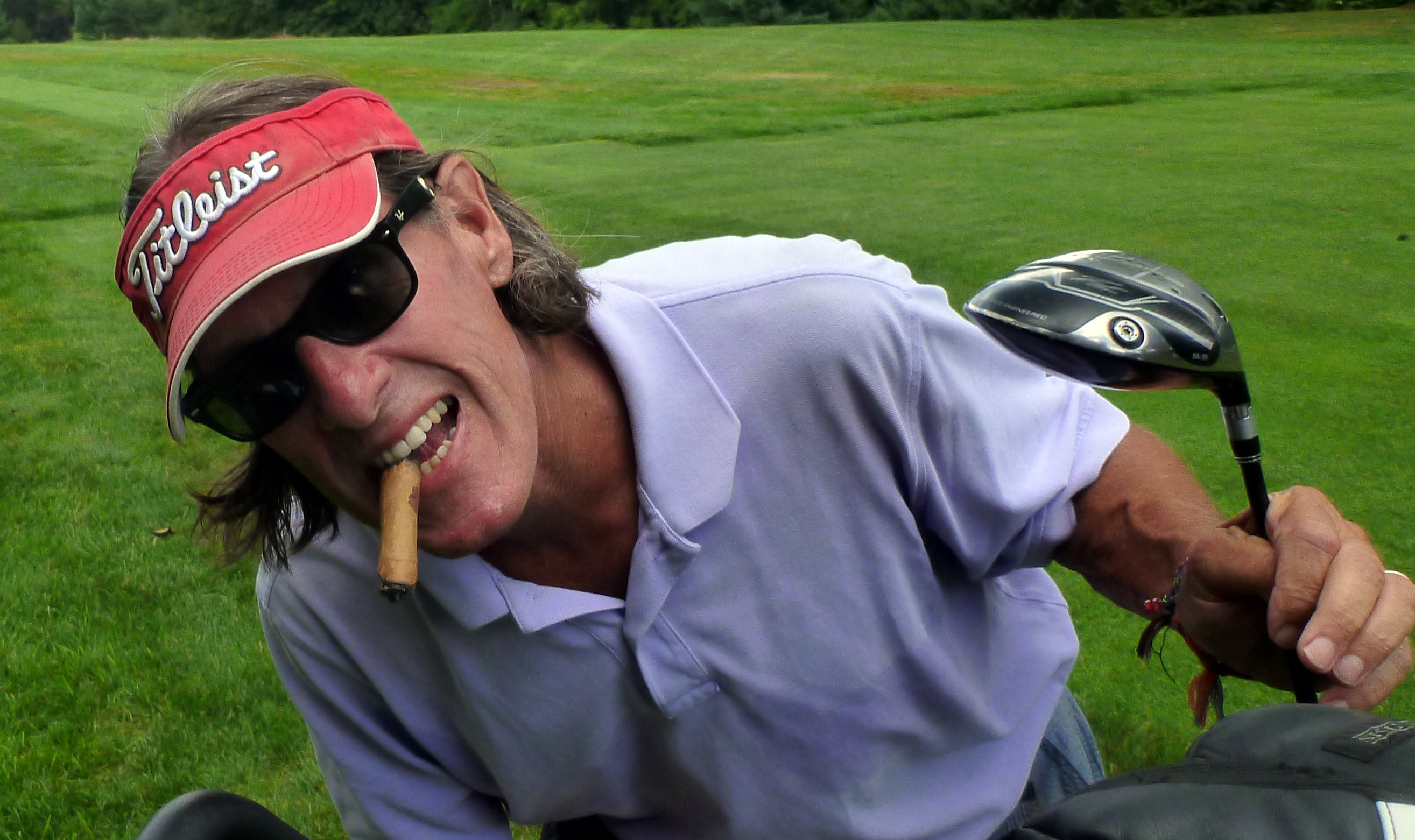
Harry’s Last Round of Golf

p1190862

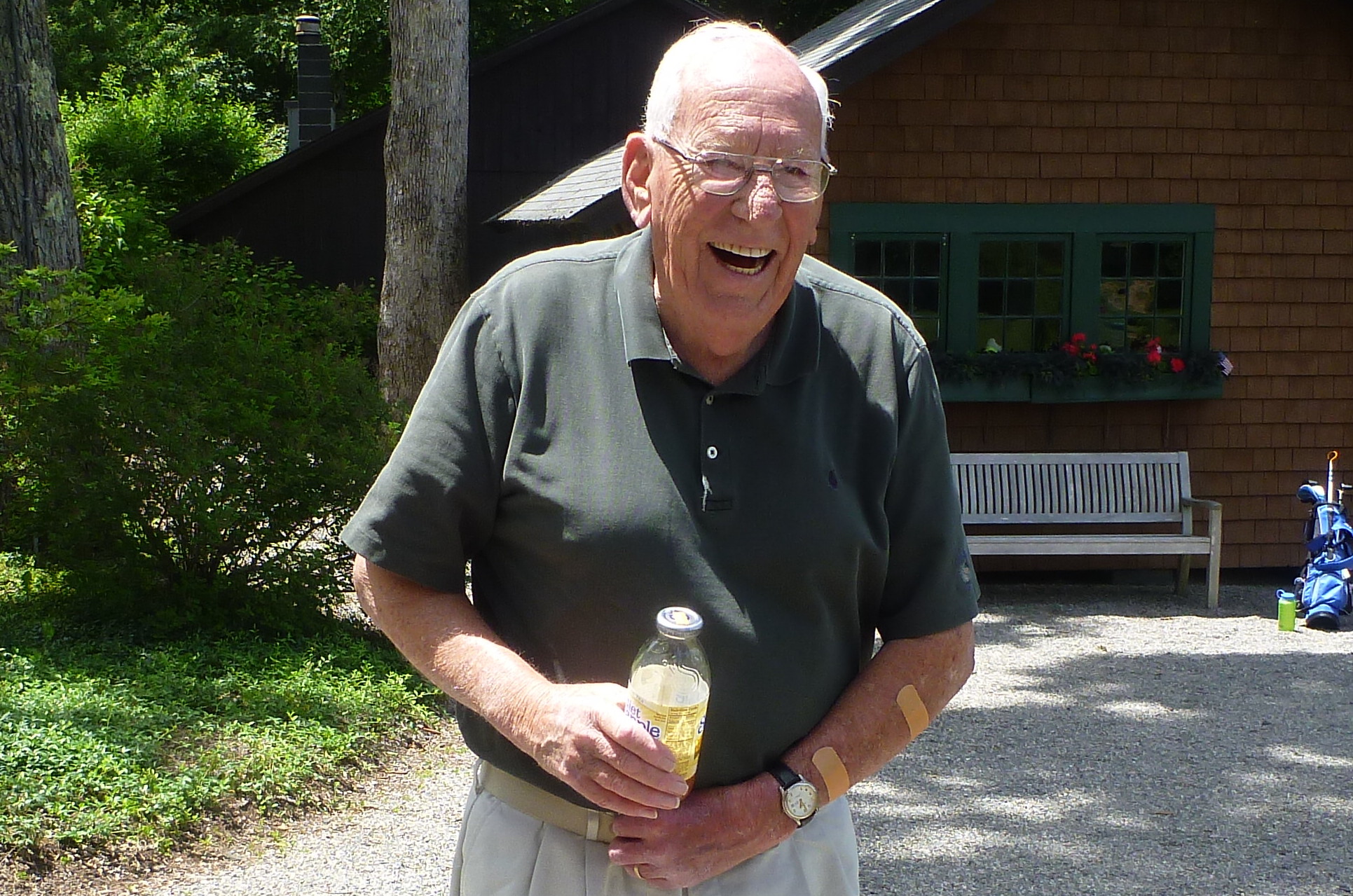
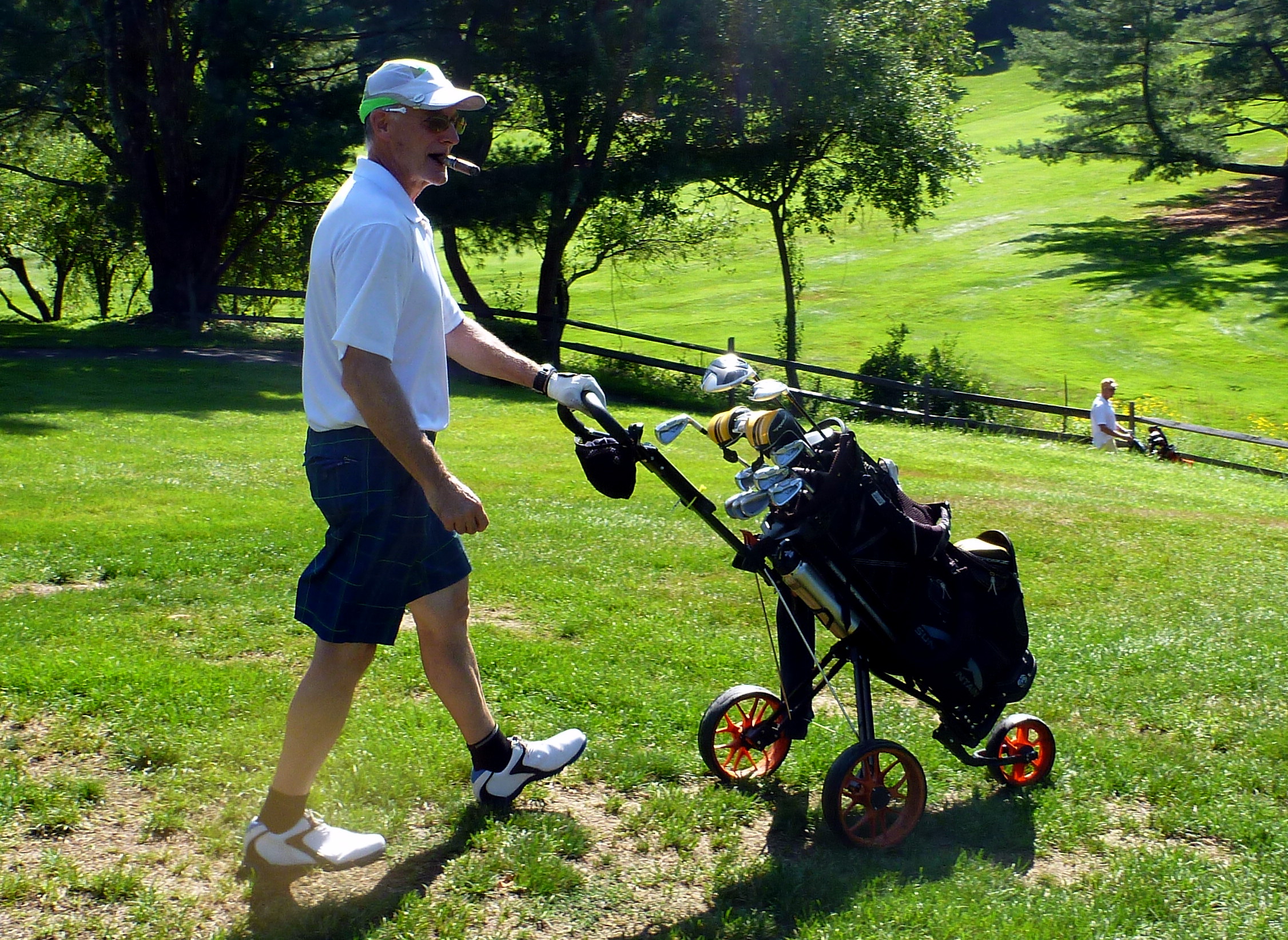
Our old friend Harry, who was one of the founding members of the Sunday Morning Group, died not long ago, and his widow told us she was going to send us half of his ashes to spread around the golf course, as Harry had wanted. The container we received was so heavy—three pounds—that I thought maybe she had sent us all of him, but Hacker (real name) said he’d Googled “cremation” and that all of Harry would have been more like six. We had 17 guys on Sunday, plus Harry. Schoonie had the only cart, so we put Harry on his team:

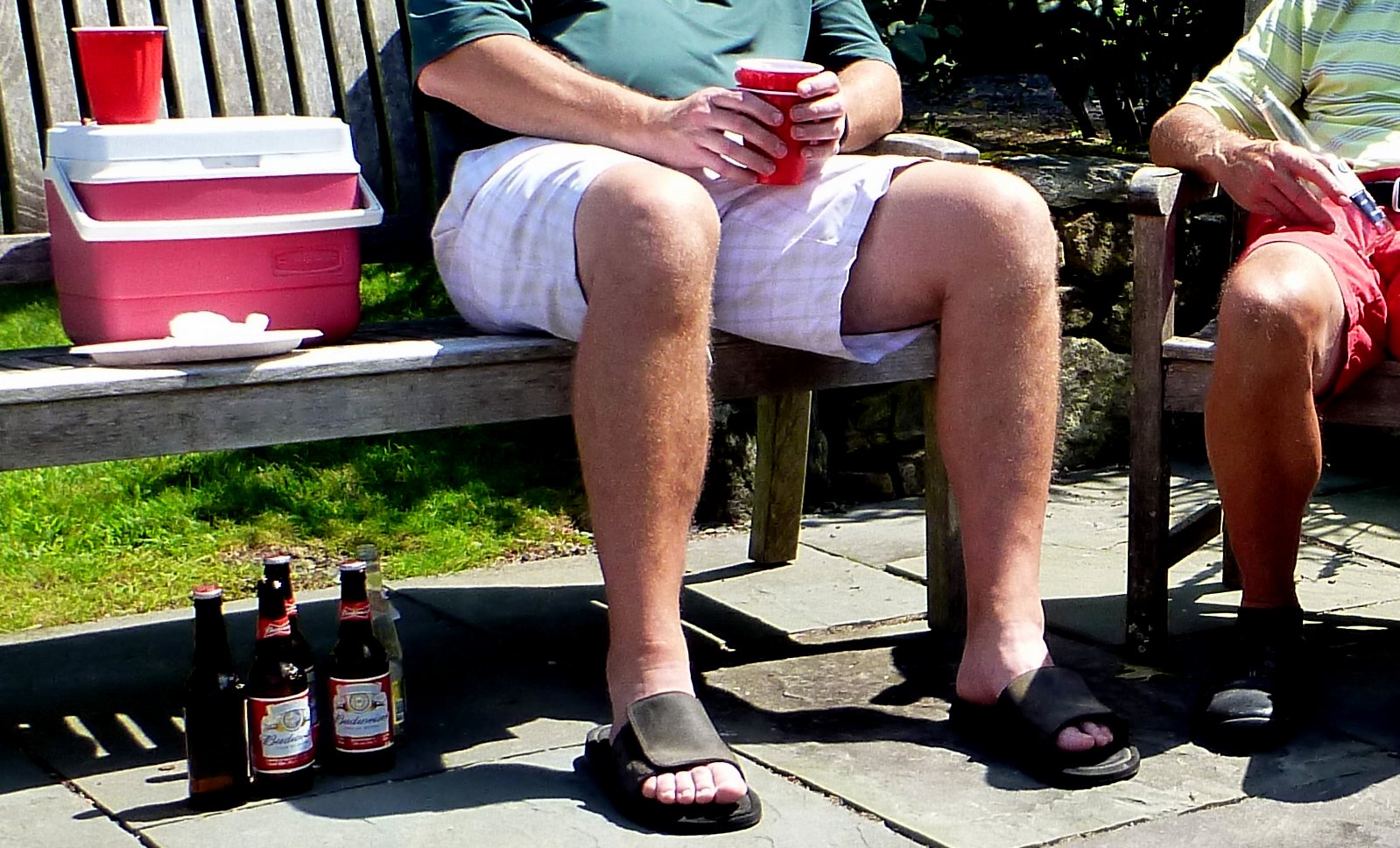
Joe brought lunch: pulled pork, spicy sausages, and lobster macaroni and cheese — all made by him, none of it touched by his wife—and because the Ryder Cup broadcast was about to begin we ate in the clubhouse, in front of the TV, instead of on our patio. I announced that I had stirred half a cup of Harry into the pulled pork, but no one believed me:

After lunch, Hacker borrowed an ash-distribution utensil from the clubhouse kitchen:

We put some of Harry under one of the bluestone pavers on the patio:

And some on the first fairway:

And some in the cup on the seventh hole, where Harry once had a hole-in-one:

And some in the divot mix in one of the divot-mix boxes that Harry himself built and gave to the club:

So long, Harry!

p1130342

Now, About That Famous Ryder Cup Concession

Tony Jacklin, 2009. (Photo by David Cannon/Getty Images)

Tony Jacklin, 2009. (Photo by David Cannon/Getty Images)

The first official Ryder Cup, between the United States and Great Britain and Ireland, was held in 1927 at the Worcester Country Club, in Worcester, Massachusetts. The United States won, by a lot. Then Britain, then America, then Britain, then America, then America again. The competition was suspended for the duration of the Second World War. It resumed in 1947, and America won five times in a row. Britain won in 1957, and then the Cup returned to the United States and stayed there until 1985, by which time the inclusion of the rest of Europe on the British side, beginning in 1979, had restored both balance and suspense. The only close contest between 1959 and 1985 was in 1969, when the two sides tied for the first time ever.

That tie was secured on the final hole of the final match, when Jack Nicklaus conceded a short par putt to Tony Jacklin, halving the hole, halving the match, and halving the Cup. After picking up Jacklin’s marker, Nicklaus said, “I don’t think you would have missed it, but I wasn’t going to give you the chance, either.” Nicklaus’s gesture has been celebrated ever since as one of the greatest acts of sportsmanship in the history of competition.

On the other hand, the Concession could also be viewed as one of the greatest acts of gamesmanship. It overshadowed the long eagle putt that Jacklin had made on the previous hole to square the match, and Nicklaus didn’t concede Jacklin’s par until after he’d made his own, from double the distance. The Concession made the half look less like a British triumph than like an American act of charity, and that’s pretty much the way it’s been treated ever since. Nicklaus also left forever hanging the possibility that the reigning British Open champion might have gagged over his two-and-a-half footer.

And that’s yet another cool thing about match play.

The Evolution of the World’s Best Clubhouse

My golf club has the world’s best clubhouse.

Photo by Mike Bowman

Photo by Mike Bowman

It has many cool features, including a porch for waiting out lightning delays:

And plaques on the ceiling listing all our club champions back to 1915 (when the club was already 26 years old):

And shelves filled with old trophies:

And an entryway ceiling that looks like this:

And, best of all, no restaurant (although it does have a small kitchen). Because there’s no restaurant, my friends and I take turns handling our own shopping and cooking:

Golf in my town began in the 1880s, and one of the people who introduced it was the guy who owned the house in the photo below. The house isn’t as big as it looks, because it’s only one room deep—an innovation that allows breezes to blow all the way through, making it cooler in the summer. Just to the left of the house you can see the roof of what the owner called his “golf house.”

Gunn Memorial Library & Museum

He and his friends would hit balls from a flat area next to it, and they laid out nine short holes in the sheep pastures on the far side of the hill—my town’s first course. To get to three of the holes, you had to cross a river on a pontoon bridge:

Gunn Memorial Library & Museum

The golf house (which still exists) can probably be considered my club’s first clubhouse—even though it was really just a shed and the club wasn’t formally organized until 1889:

In about 1903, the club bought land on the other side of town and, on 40 acres, laid out the nine-hole course we play today. This was the first clubhouse:

oldclubhouse700

About a decade after that, they merged with a local social club, and later the merged club swapped a tennis court and some other property it owned to a local boarding school for a building that the school had used as the Eta Phi fraternity house. A team of oxen moved the building from the school to the golf course, where it was added to the original clubhouse. Here’s what it looked like in 1916, when it was still a fraternity house:

Gunn Memorial Library & Museum

Here’s the tennis court that was part of the deal:

Gunn Memorial Library & Museum

The house beyond the tennis court in the photo above was built in about 1790 and served as the social club’s clubhouse from 1903 until the 1940s, when it became a dormitory at the boarding school. In 1969, the school decided to tear it down, to make room for a new dormitory, but at the last minute they sold it for a dollar to a local guy, who moved it a quarter of a mile away (though not with oxen):

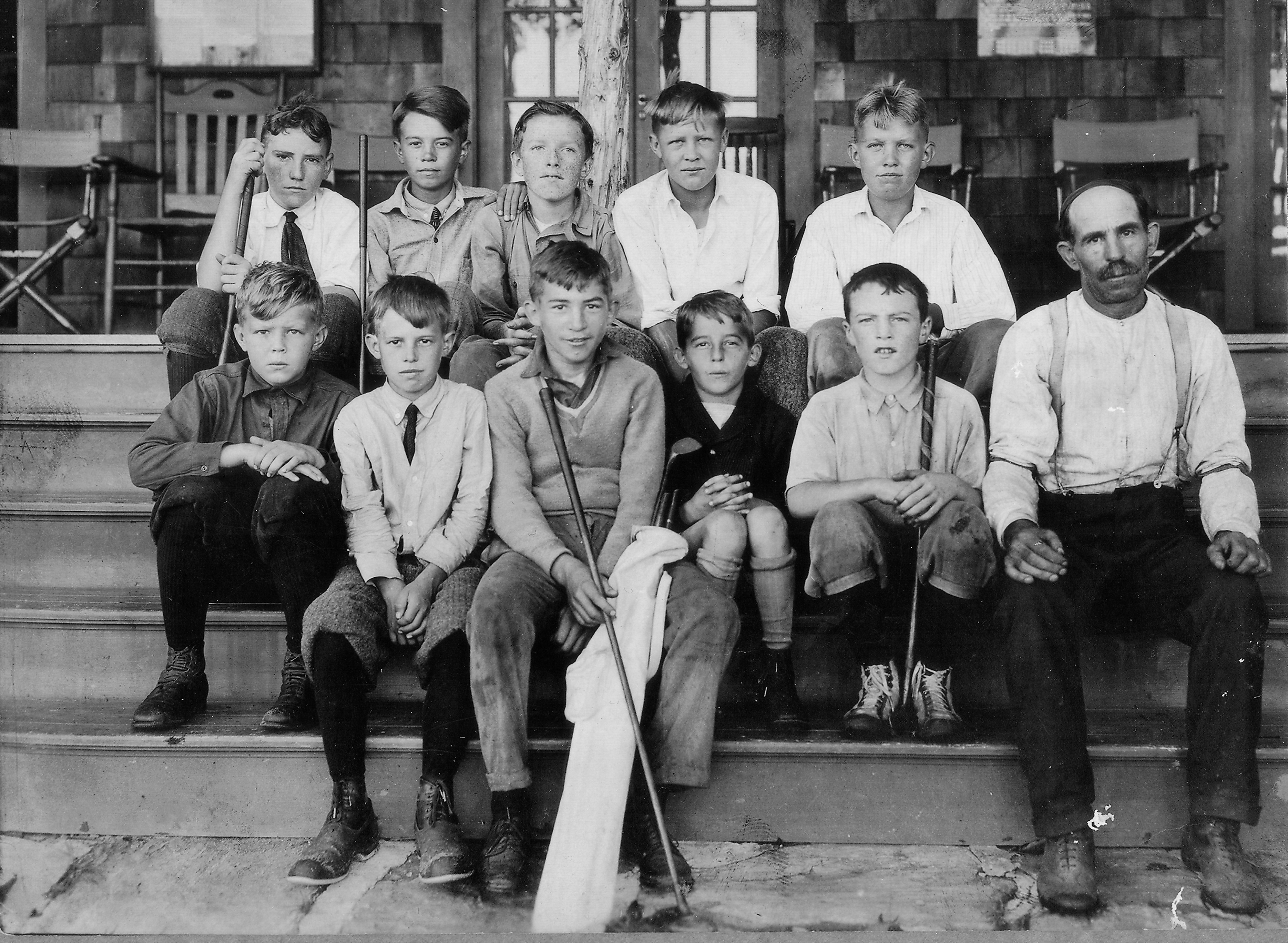
Since 1985, that house has been my house. Meanwhile, the golf clubhouse was enlarged several times. In 1925, the club’s caddies posed for a photograph on the front steps, which had been added not long before (below). The grownup at the far right is the pro, and the little kid in the dark shirt in the middle of the first row is his son. The son eventually succeeded the father, and when I joined, in 1991, the club’s pro was the son of the son:
By the 1950s, the clubhouse looked like this:

A few years ago, during a renovation, carpenters stripped the shingles from one end, and for a while you could see the outline of the original clubhouse, on the right in the photo below (and on the far left in the photo above):

On the inside, the original part is now part of the women’s locker room (which doesn’t have any lockers):

Recently, we did some remodeling. Everything still looks pretty much the same as it always has—just nicer. Here’s the main room, which now has card tables and a working TV:

The TV the guys are watching in the photo above replaced a smaller TV, which is still on the wall behind it. If we ever get an even bigger TV, we’ll put it in front of both of those:

We also added a small bar, where we keep our kegerator. Chic, our chairman, told the carpenter that he’d like to have some shelves above the kegerator for pitchers. The carpenter thought he meant “pictures,” so he made the shelves just deep enough to hold 8-by-10 picture frames. You can’t put beer pitchers on them, but they’re the right size for our extensive collection of beer glasses, which were given to us by the GolfBeer Brewing Company, an esteemed sponsor of the Sunday Morning Group:

Chic says that we aren’t supposed to refer to the bar as a bar, and are instead supposed to call it the “beverage area”—I assume for some legal reason. To remind everybody, I made this sign:

Our clubhouse has changed a lot over the past hundred years. It’s bigger and more comfortable, and there’s an ice maker in the kitchen and a kegerator in the beverage area, and the guy from Charter finally got the cable to work. But in all the important ways the building isn’t all that different from what it was when the oxen dropped it off.

Photo by Mike Bowman


What Happened to Harry’s Leak?

One Sunday a decade ago, we had four dollars left in the pot after paying everyone off. Hacker (real name) always handles our extra cash, but he was at home nursing his wife, who had just had cataract surgery, so we were on our own. We did remember one of his rules, though: “Money never flows backward.” In other words, no refunds. So we held a playoff.

It was actually a throw-off: two balls from where you were sitting, overhand or underhand, toward the No. 1 hole on the practice green, first in wins the four bucks. My first try didn’t even reach the putting surface, and my second rolled about six feet to the left. Nobody else did much better, except for Harry, who lipped the hole twice. After a brief discussion, we declared him the winner.

p1130342

This was partly a symbolic gesture, because Harry had just retired and his wife had called in an old promise: as soon as he left his job, he’d told her years before, they’d move to Pennsylvania, where she had family. We’d never really had to deal with somebody moving away before—at least, not somebody like Harry, who was practically a part of our course. With Harry gone, who was going to say “Where’s my leak?” when a drive unaccountably bent to the left, and who was going to say “Let me adjust my glasses” when somebody made the kind of remark that was known to tick Harry off? Less selfishly, what was life going to be like for Harry? Pennsylvania has golf courses, but how many of them have a rule printed right on their scorecard saying that Harry isn’t allowed to keep score?
Harry (far right) in the Devil's Asshole, in front of the tenth green at Pine Valley, at some point in the late 1980s or early 1990s, with Rick, John A. (their host), and Hacker.

Harry (far right) in the Devil’s Asshole, in front of the tenth green at Pine Valley, at some point in the late 1980s or early 1990s, with Rick, John A. (their host), and Hacker.

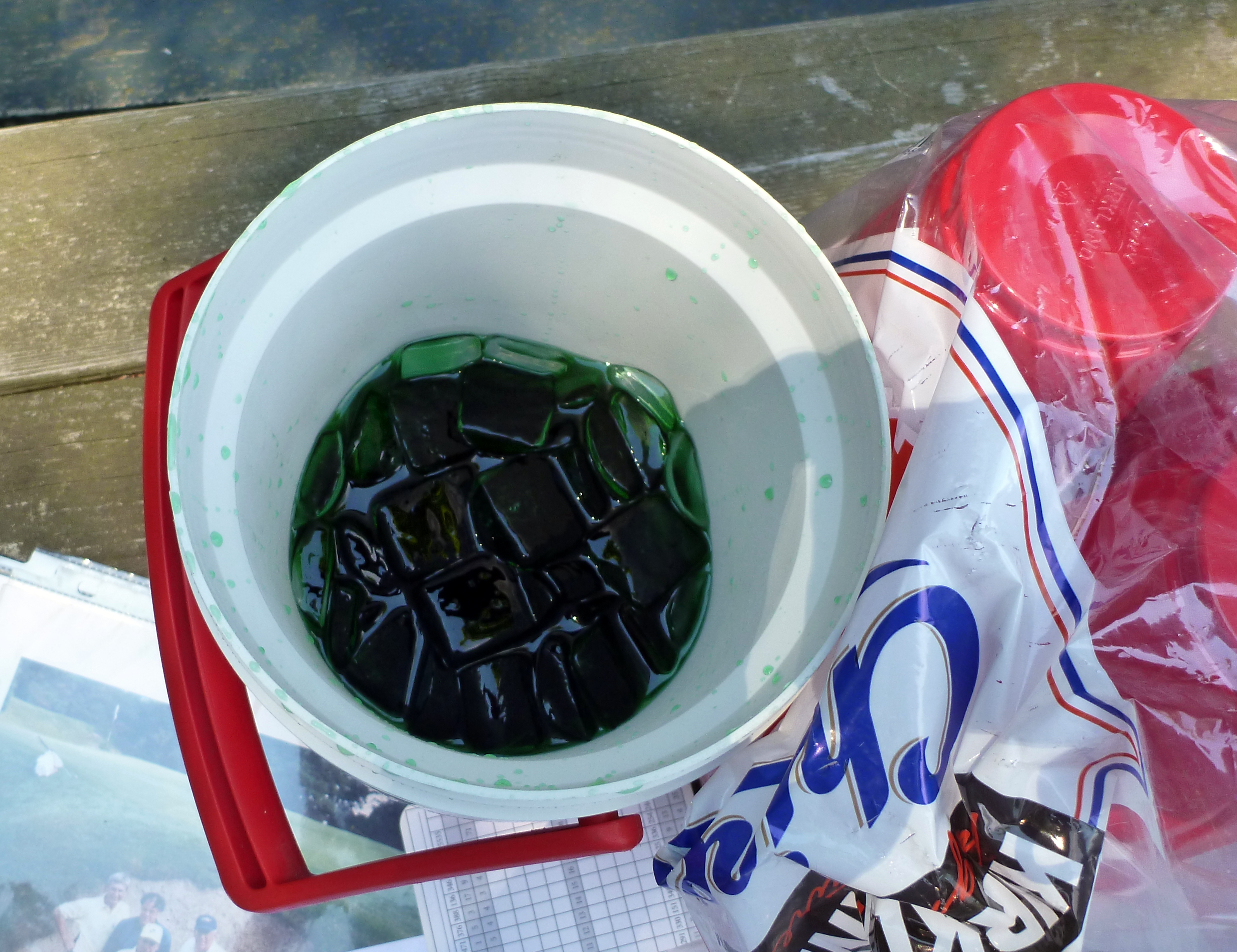
Not long ago, down in Pennsylvania, Harry did something else we weren’t happy about: he died. He had been in poor health for a while, and then things got worse. This was a serious blow, because Harry was one of the founding members of the Sunday Morning Group, which turned 20 this year. To celebrate Harry’s life, we mixed up a big batch of his favorite cocktail: brandy and green crème de menthe:

p1180941

It looked and tasted like cough medicine, but we did our best with it—although I kind of think that, if drinking everything in the Thermos would have brought Harry back to life, we would have decided to let him go. I poured what was left in the dirt behind the Dumpster because I was afraid it might kill the grass.

Tim D., making a manful effort with one of Harry's memorial Emerald Stingers.

Tim D., making a manful effort with one of Harry’s memorial Emerald Stingers.

Now we have to figure out what to do with Harry himself, since his widow is going to send us his ashes. He always said he wanted to be thrown into the pond on the fourth hole, because so many of his golf balls are at the bottom of it, but the ashes would probably just float over the spillway and disappear downstream. Several of the guys, including me, have said they’d like to buried under one of the pavers on the patio by the putting green, so maybe we’ll invoke the standard Sunday Morning Group power of attorney and put him there instead:

p1140363

Or maybe we’ll stir him in with the divot mix on one of our par 3s. That would be appropriate because Harry himself built our divot-mix boxes, 12 or 15 years ago. Everyone could take a scoop and fix a couple of divots.

p1190017

The Most Dangerous Score in Match Play

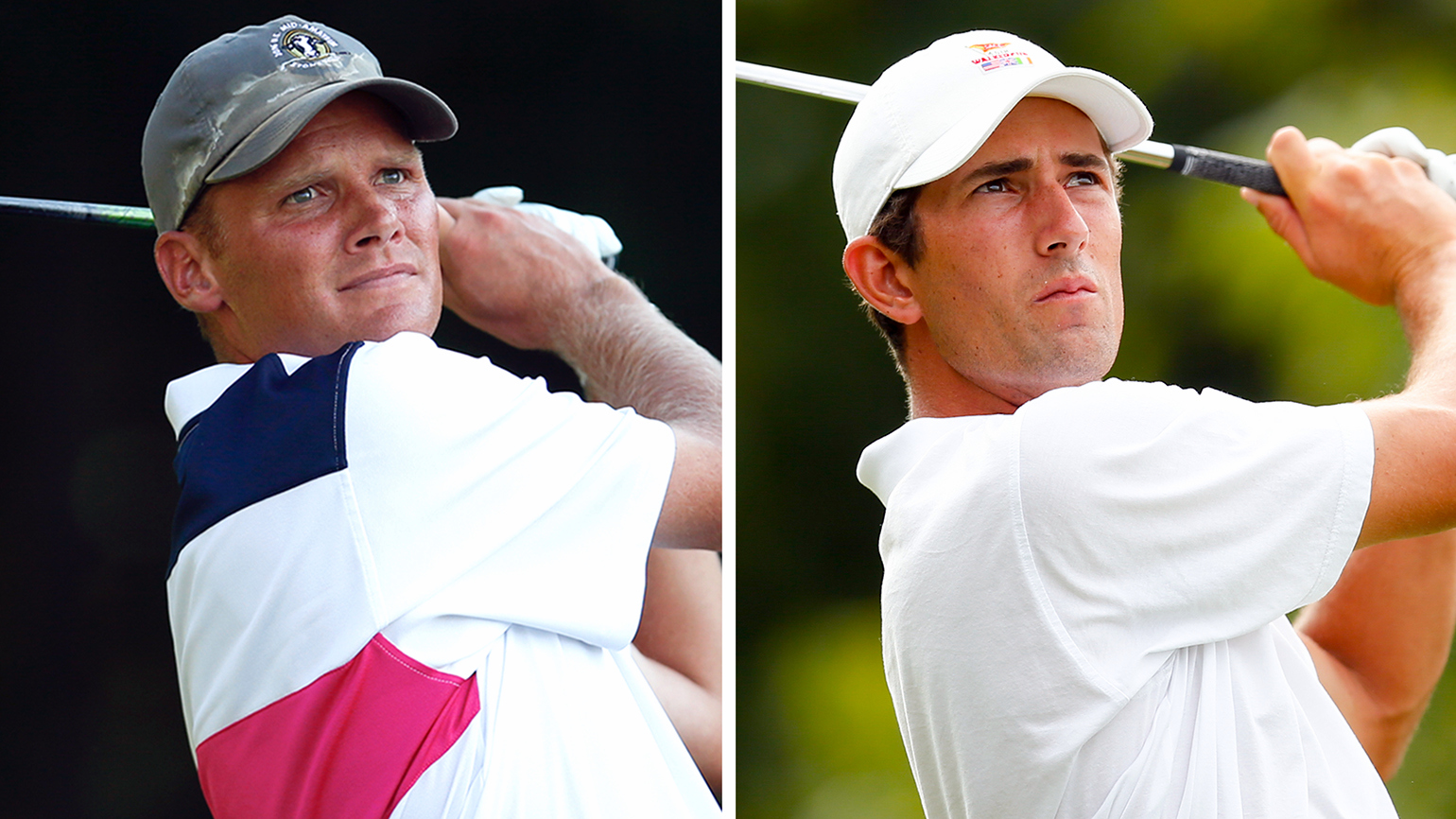
I was watching the final match in the U.S. Mid-Amateur Championship on TV on Thursday. Scott Harvey was leading Stewart Hagestad by four holes with six holes to play. My wife and I had to leave to go out to dinner, so I turned on the DVR. “That guy’s in big trouble,” I told her as we left the house. She asked how far behind he was. “No,” I said. “His problem is that he’s too far ahead.”

Four up is the most dangerous score in match play. When you lead an opponent by one hole, you think only of extending your lead to two, but when you lead by four your focus turns insidiously toward the trophy room. You hadn’t expected the match to be this easy, yet here you are, so far ahead that your cat could finish it for you. Uh-oh—what if you lose?

Scott Harvey and Stewart Hagestad. (Photo by USGA)

Scott Harvey and Stewart Hagestad. (Photo by USGA)

Four up is the narrowest margin that seems too big to squander, and the widest one that seems small enough to throw away. It teeters unnervingly between the certainty of triumph and the possibility of humiliation. Meanwhile, you have to deal with an opponent who no longer has anything to lose.

I once watched my teammate Norm compete in an inter-club match in which his opponent played beautifully for fourteen holes and was 4 up with four holes to play. On the fifteenth tee, both men knew the match was basically over, because Norm would have to win all four remaining holes just to tie. But Norm birdied No. 15, and you could almost hear the gears of panic beginning to grind in his opponent’s brain: If I can lose one hole, why not two? (He then lost No. 16.) And if I can lose two, why not three? (He lost No. 17.) And if I can lose three . . .

Norm won the last hole, halving the match, and he did it without having to putt. In fact, he did it without having to hit an approach shot, because his opponent—who in his mind had returned to the clubhouse two holes earlier to explain to his teammates how he had wasted a lead that couldn’t be wasted—pulled his drive into a grove of trees, failed twice to punch his ball back into play, and conceded the hole right there, too ashamed to go on. As I watched him staggering up the hill, I wondered if he would ever play again.

Whenever I find myself down in a match, I try to channel Norm, whose calm perseverance made an inspiring case for never giving up. In a match many years ago, though, I ended up on the wrong side of that dangerous score, and the player I channeled, unfortunately, was Norm’s opponent. Playing against a better golfer, I somehow made all the putts that mattered for 11 holes and found myself four up with seven to play. Until the moment my putt dropped on No. 11, I had never truly believed I could win. Now, though, my strategy changed from innocently lethal offense to suicidally anxious defense. I counted the remaining holes on my fingers, like a blackjack player in Vegas deciding how much he can afford to lose.

You can guess most of the rest. I lost the match on the first extra hole, to a bogey. The worst of it was hearing the other guy, afterward, boasting about the deficit he had overcome. “Four up with seven to go!” he crowed to one of his teammates as I put my clubs back in my car, wondering if I would ever play again. (I beat him last year, though. This year, too.)

On Thursday, I turned on the DVR when my wife and I got back from dinner, but I had already guessed the result. Harvey lost the 32nd hole, and then the 33rd, and then the 35th, and then the 36th—all to birdies. Then Hagestad birdied the first extra hole, and they were done.

Photo by USGA.

Photo by USGA.

Golf Clubs in a Museum Devoted to Trash

img_1644

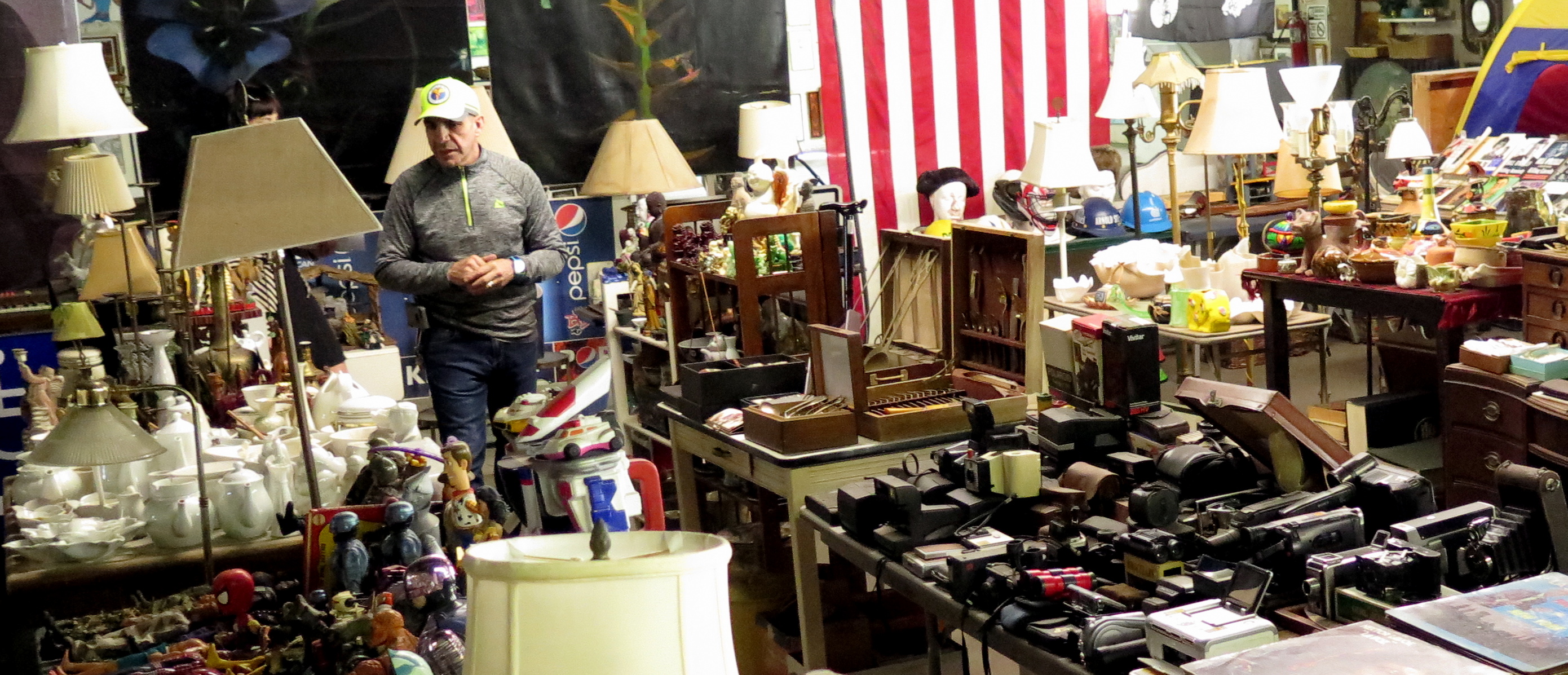
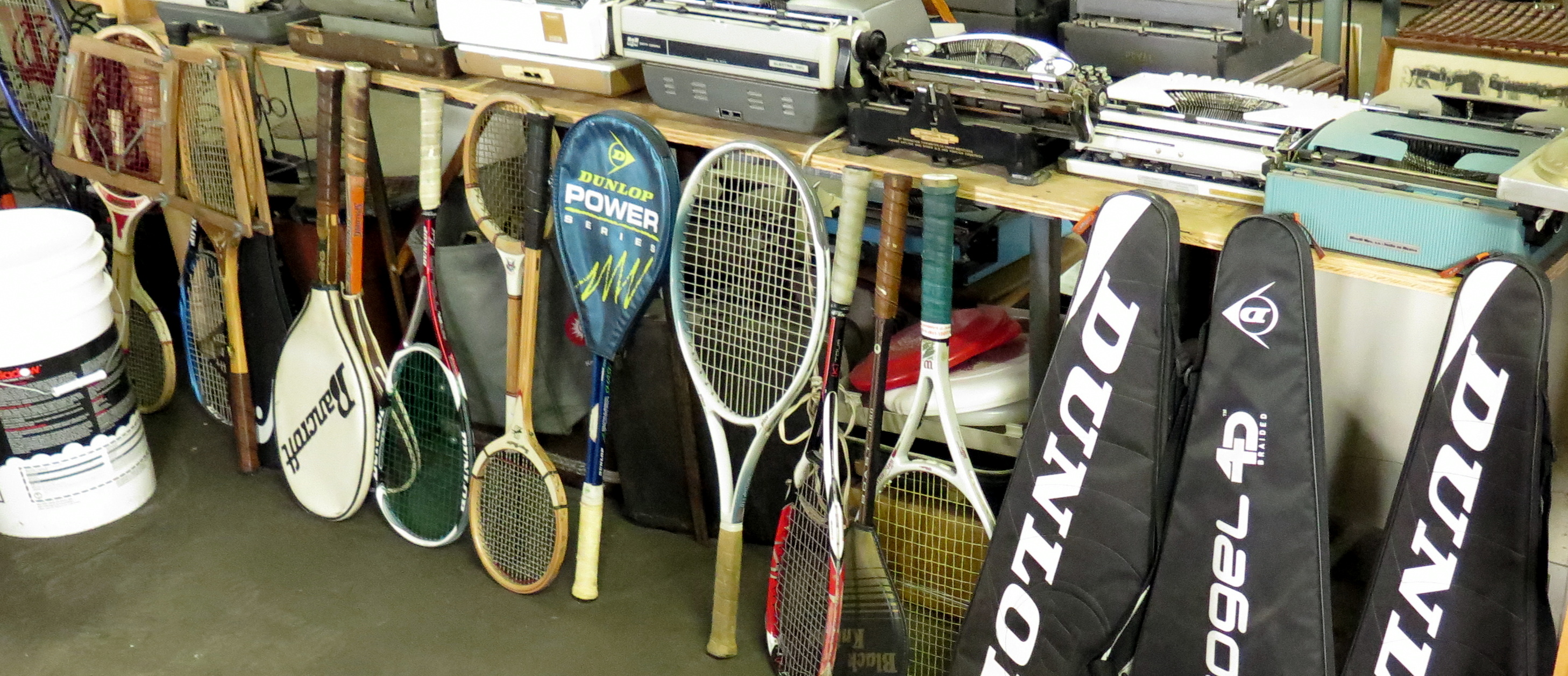
Nelson Molina worked for New York City’s Department of Sanitation for 30 years, driving a route that included the East Harlem neighborhood in which he grew up. When he found something that he felt shouldn’t have been thrown away, he put it in a bin on the side of his garbage truck and took it back to the garage, on East 99th Street. Today, items he recovered fill most of the building’s second floor — maybe a quarter of an acre. He retired last year, but he returns to the garage three days a week to tend the collection, which he calls Treasure in the Trash. I wrote about Molina in an article in a recent New Yorker. His collection looks a little like the housewares department at Sears and a little like the closing scene of “Raiders of the Lost Ark.” The stuff Molina rescued includes a fair amount of sports equipment—including tennis rackets:

img_1693

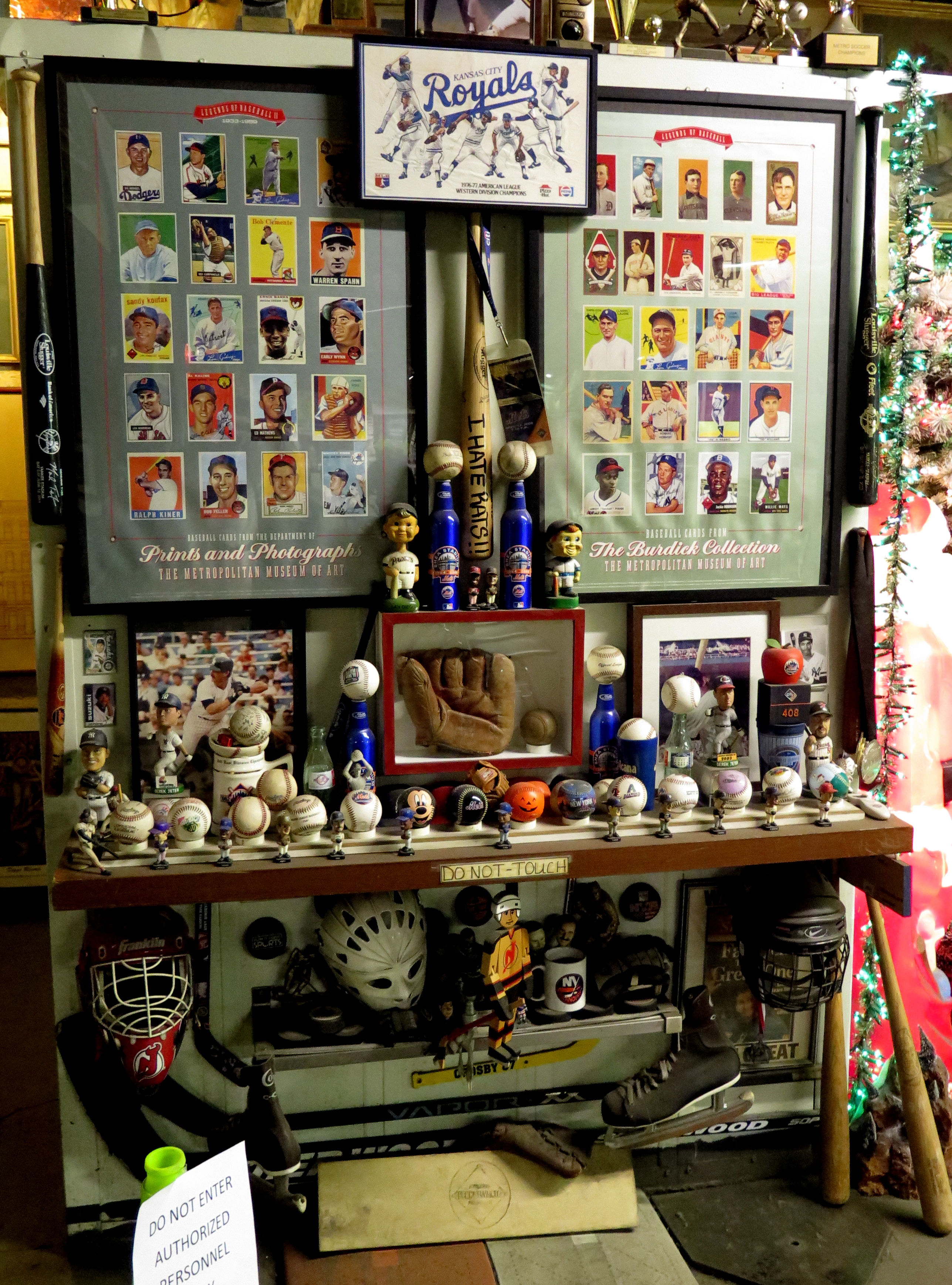
And baseball and hockey memorabilia:

img_1873

And yo-yos:

img_1688

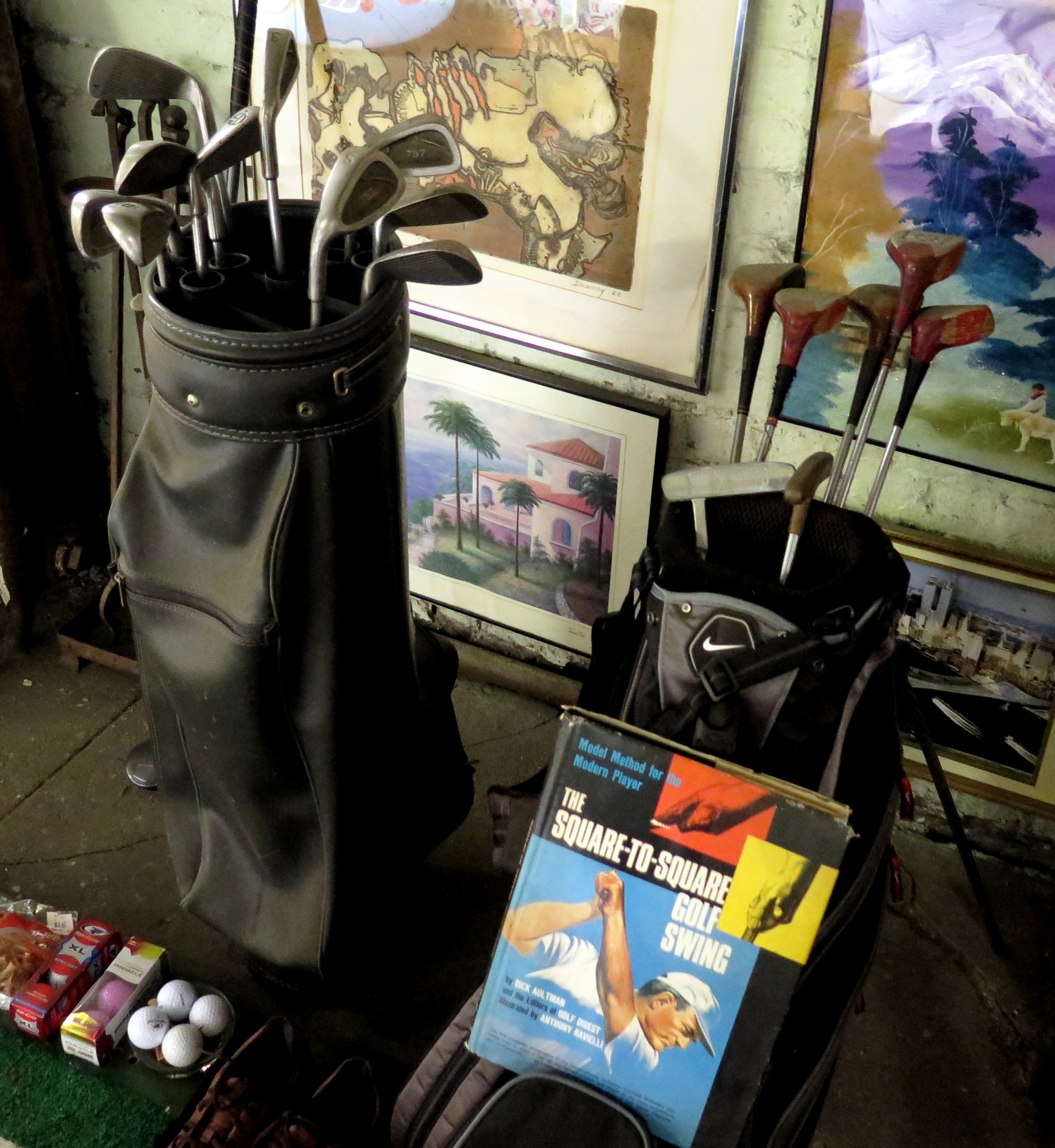
But it doesn’t include all that much golf stuff:

img_1690

The reason can’t be that New Yorkers don’t play golf, because they do. There are 13 municipal courses inside the city limits, and many of them are not only terrific but also crowded a lot of the time. Maybe the answer is that New Yorkers play with the same old crap forever—or that when they become fed up with the game they heave their clubs onto the Belt Parkway rather than lugging them home on the subway and setting them out on the curb. Or maybe the city just has fewer frustrated golfers than frustrated writers:

img_1673

Incidentally, I don’t blame the person who threw away The Square-to-Square Golf Swing, an instruction book written by Dick Aultman, with help from Jim Flick and the staff of Golf Digest, and published in 1970. The square-to-square idea hurt at least as many golfers as it helped. As the legendary British golf instructor John Jacobs told Jaime Diaz in Golf Digest in 2010, “Many theories come and gone. Most of them I’ve disagreed with. Many arise from the originators being focused on fixes that apply to their own games. When the Square-to-Square theory was unveiled in the late ’60s, advocating that the takeaway should be initiated with a counterclockwise curling under of the left hand, I found that both co-authors—my good friends Jim Flick and Dick Aultman—had flattish actions begun by rolling the face open. If I’d been teaching them, I might have advised them to feel as if they were curling under. But that doesn’t mean that fix should have been given to the golfing population at large.”

img_1694

Hating Golf’s Out-of-Bounds Rule Has a Long History

The penalty for losing a ball or hitting it out of bounds is “stroke and distance”: if your first shot vanishes or ends up on the wrong side of the white stakes, you count that stroke (one), add a penalty stroke (two), and hit again from the original spot (three).
lostball

Many average golfers either don’t understand that rule or refuse to observe it. They “drop one” on the course near the spot where they figure their first shot disappeared, add a stroke, and play from there.

Stroke and distance was part of golf’s original list of rules, in 1744, but during subsequent decades and centuries it was repeatedly modified, dropped, resurrected, and modified again. Sometimes you counted only the bad stroke and the do-over; sometimes you added a penalty but got a drop. The most severe version was adopted by the Royal & Ancient Golf Club of St. Andrews in 1842: three strokes and distance, meaning that if you hit a ball out of bounds your next stroke, played from the spot where you struck your first, counted as your fifth. That lasted until 1846.

In 1951, the R & A and the USGA agreed to apply the single-stroke-and-distance penalty universally. But there was still plenty of grumbling, and in 1959 the Southern California Golf Association, with the support of 90 per cent of its members, adopted a local rule eliminating what it described as the “unfair penalty stroke in connection with ball out of bounds, lost ball and unplayable lie.” Thenceforth, in Southern California, if you did something stupid the assessment was “stroke only.” You counted the bad shot and the replay (from the original spot), but nothing in between.

The California revolt had some prominent supporters—among them Gene Sarazen, who told Golf Digest, “Golf is a game of luck. The stroke and distance penalty gives luck extra value. A guy gets into trouble at the wrong time or on the wrong hole and it is the equivalent of two strokes added to his card. The population is growing and taking up more space, so out-of-bounds holes are increasing. The double penalty rule is entirely unnecessary.”

The USGA relented for a year, in 1960, but the stroke-only faction ultimately lost out, and the current rule, with minor tinkering, has been in place all over the world since 1968. But who knows? Maybe the governing bodies will come around to Sarazen’s point of view.

P1140394

How to Pick the Perfect Cigar

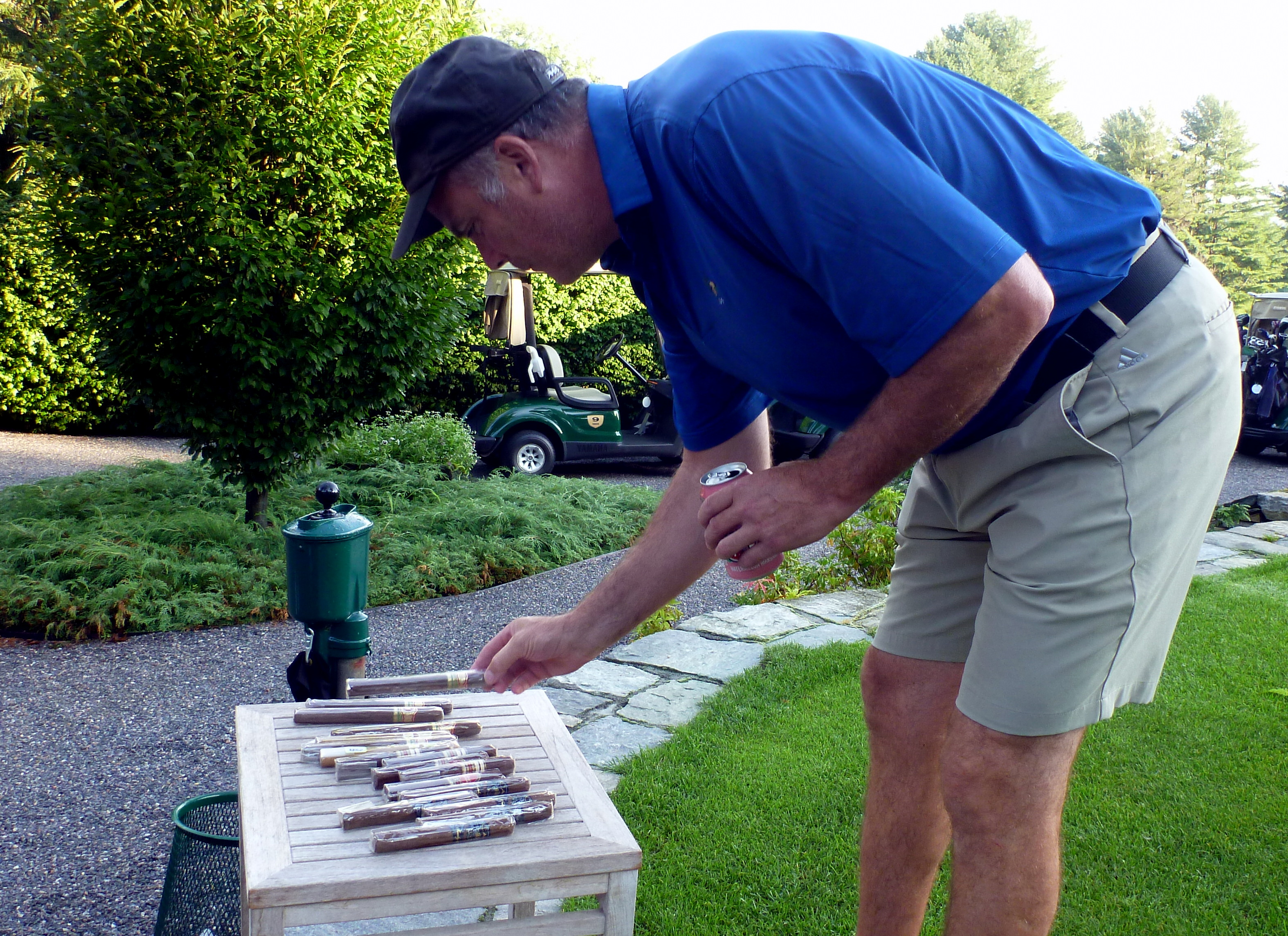
Famous Smoke Shop, official supplier of premium tobacco products to the Sunday Morning Group, has created a web-based utility that enables you to pick the ideal cigar to go with whatever you’re drinking too much of. You select a spirit, then a price range, than an activity (“entertaining clients,” “trying to forget your failures”), and it tells you what to put in your mouth. Not long ago, Famous Smoke sent us a nice big box of samples, and we held our second annual Cigar Day. Here’s Mike A. making a selection before teeing off:

p1190271

And here’s Tim C., using a cigar as a pushcart navigational aid:

p1190336

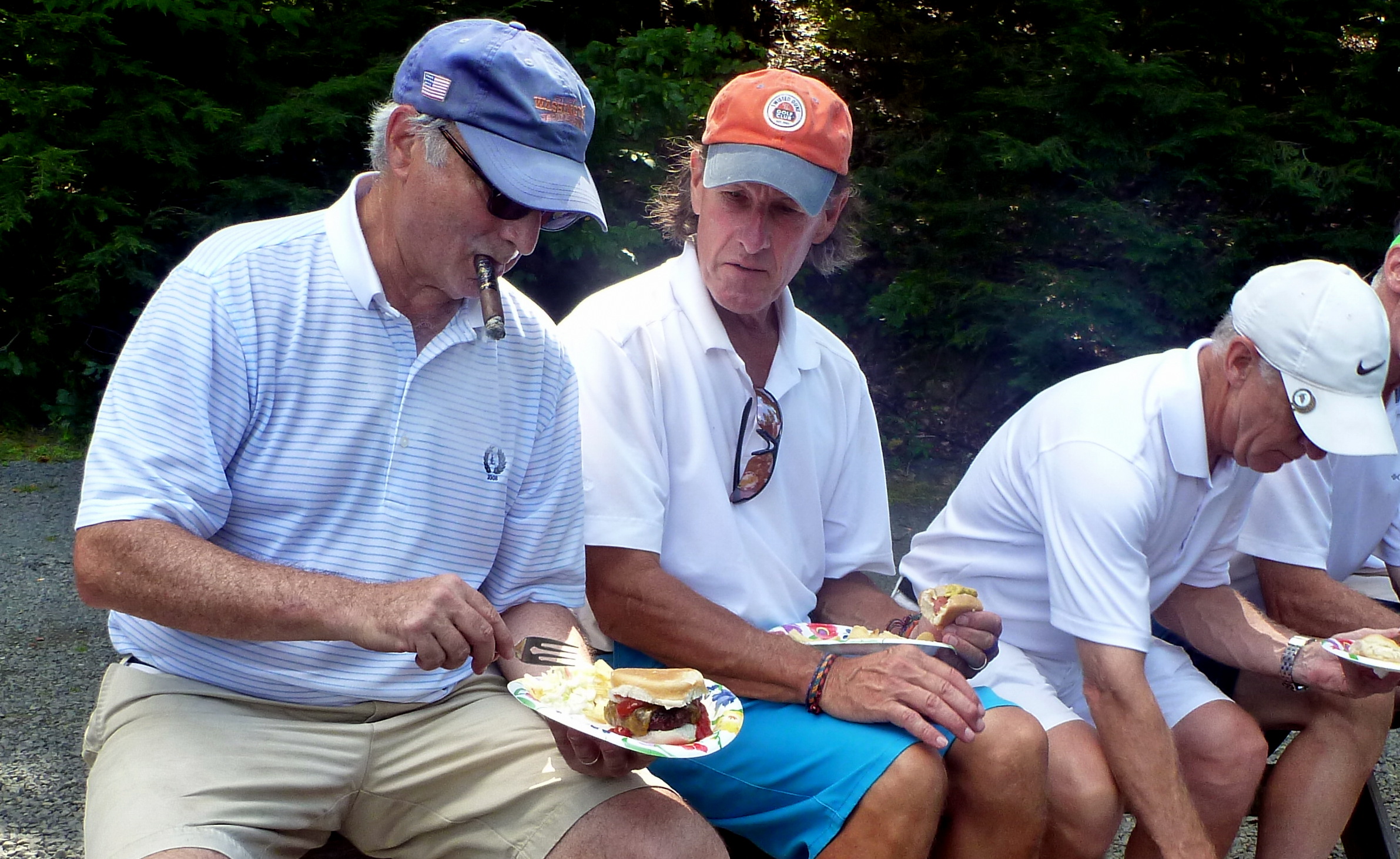
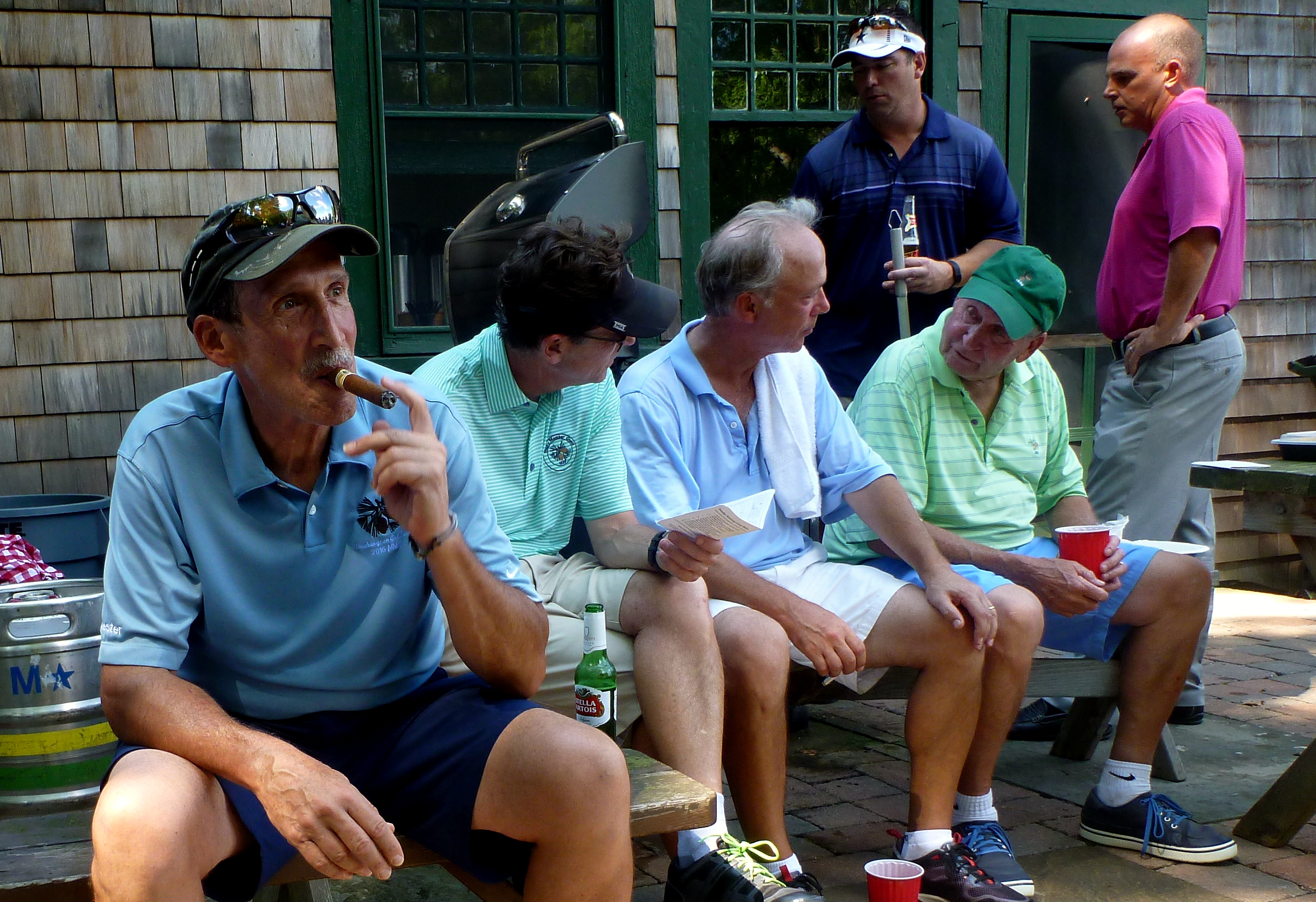
We tested four kinds: Oliva, Arturo Fuente, Macanudo, and CAO. Gene liked his CAO so much that he smoked it right through lunch:

p1190421

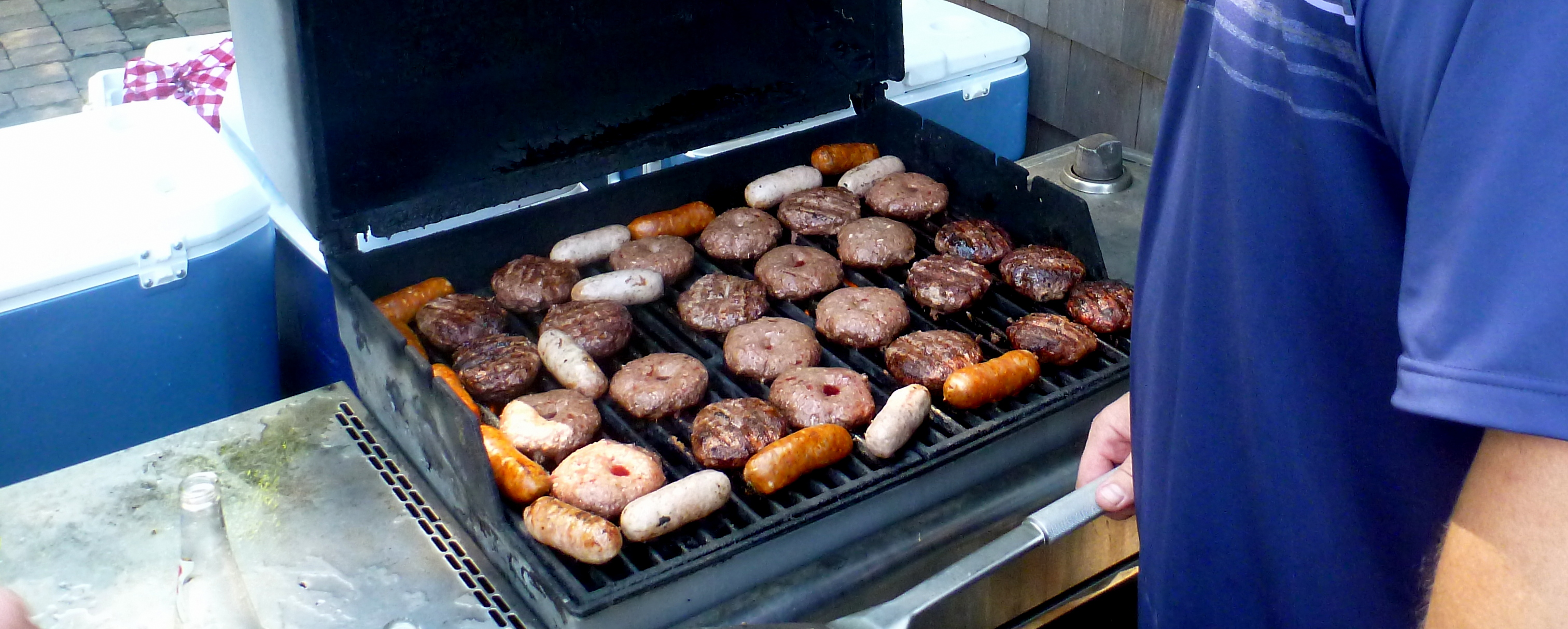
It was Chic’s turn to bring the food—and he did his own shopping and patty-formation:

p1190409We supplemented the burgers, dogs, and chips with some fruit salad we found in the clubhouse fridge—a leftover from the women’s member-guest, which had closed the course for several critical hours the day before. The fruit was quite tasty, even it’s supposed to be sort of good for you:

p1190356

The day was so hot that we ate in the parking lot, next to the men’s room, because it’s shadier than the patio. No one was in a hurry to go home.

p1190392

Five Ways to Accessorize Your Pushcart

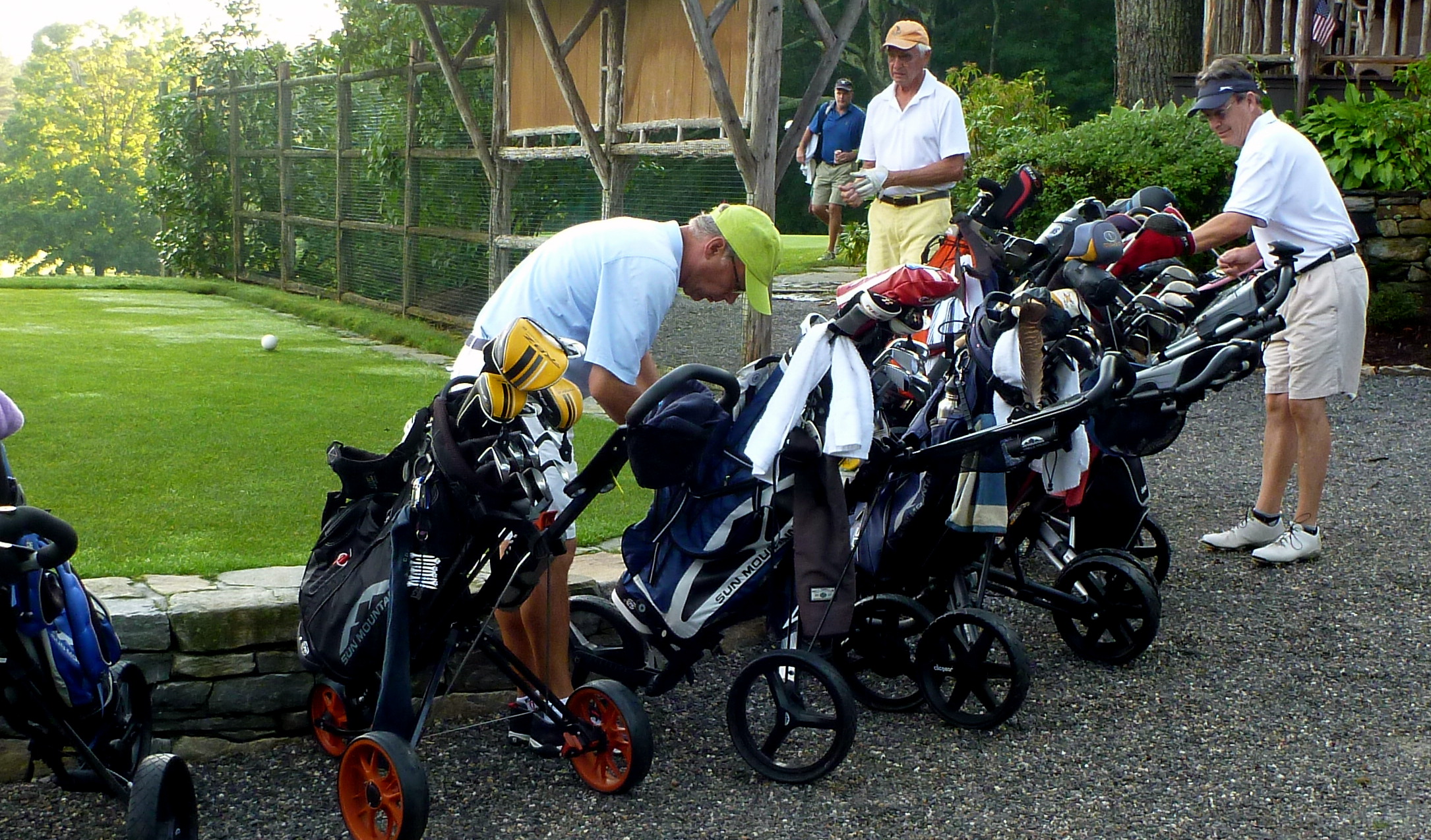
First, duh, you need a pushcart. Most of the guys in the Sunday Morning Group now use them, as you can see from this partial view of the lineup behind the first tee the other weekend:

P1190267

And it’s not just old guys who use them. Addison, who his 25, recently began using an old one of mine, after borrowing his father’s Bag Boy for a state tournament and realizing that rolling his bag instead of carrying it spared his shoulders and his back, allowing him concentrate on golf.

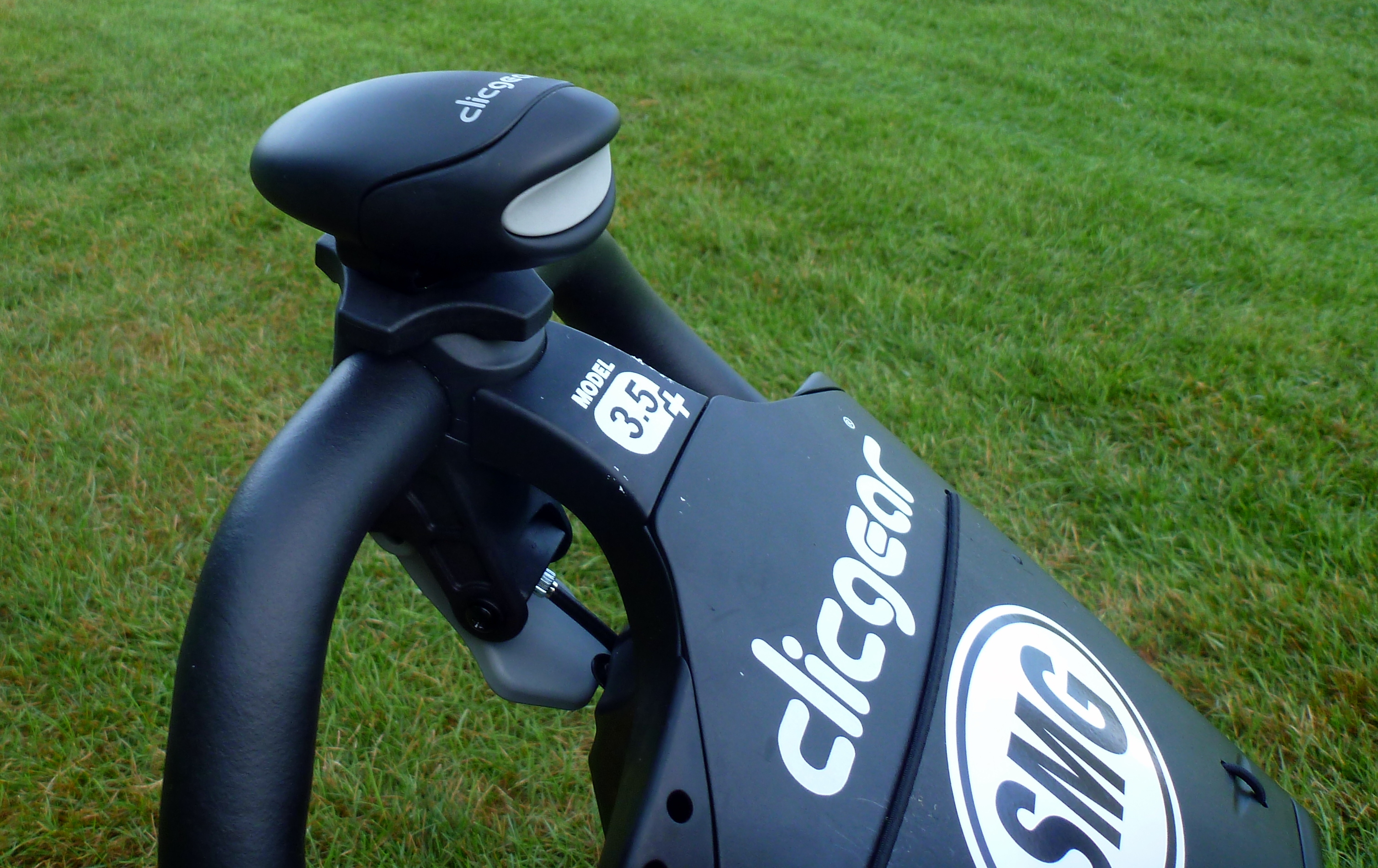
I myself now own and use two: a Big Max Blade, which folds nearly flat and is ideal for travel in a crowded car, and a Clicgear 3.5+, which is my latest acquisition and my current favorite for everyday use. Recently, I added several extremely useful Clicgear accessories, among them a steering knob, which screws into the umbrella socket in the middle of the handle:

p1190323

It doesn’t actually “steer” my cart, but if gives me an alternative, rotating projection to grab onto, and it lets me propel and guide my cart with one hand. It reminds me a little of a necker’s knob, which, back in the days before power steering and seat belts, enabled you to steer your car with one hand while using your other hand to bother your girlfriend, who was sitting right next to you in the front seat. (Truck drivers sometimes still use necker’s knobs, also known as suicide knobs, to make big-rig steering easier.)

I also added a Clicgear cooler bag, which attaches to the struts:

p1190330

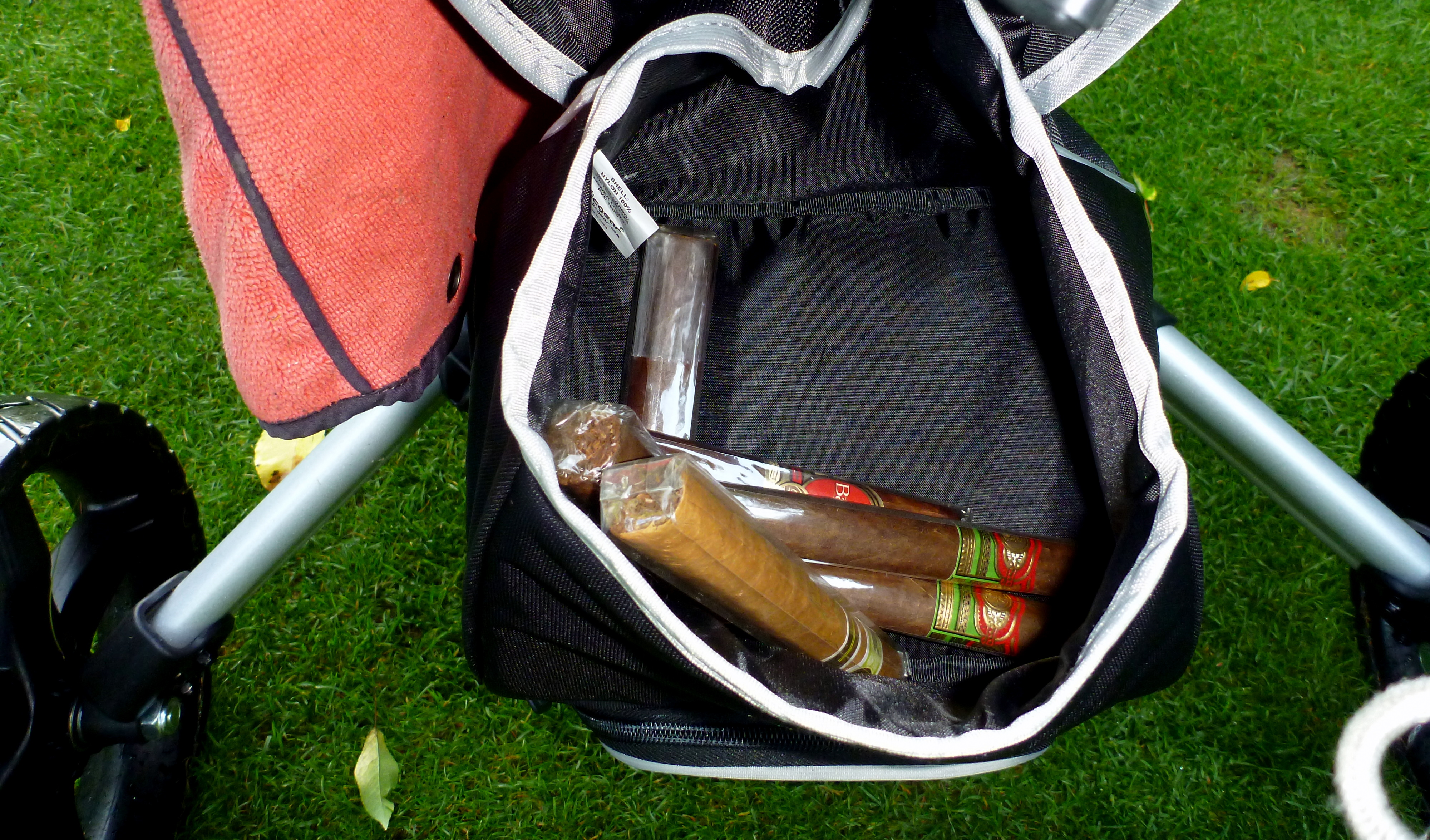
It has an insulated lower compartment, which is large enough to hold a six-pack and lots of ice, and a roomy upper compartment, which can be used as a humidor:

p1190306

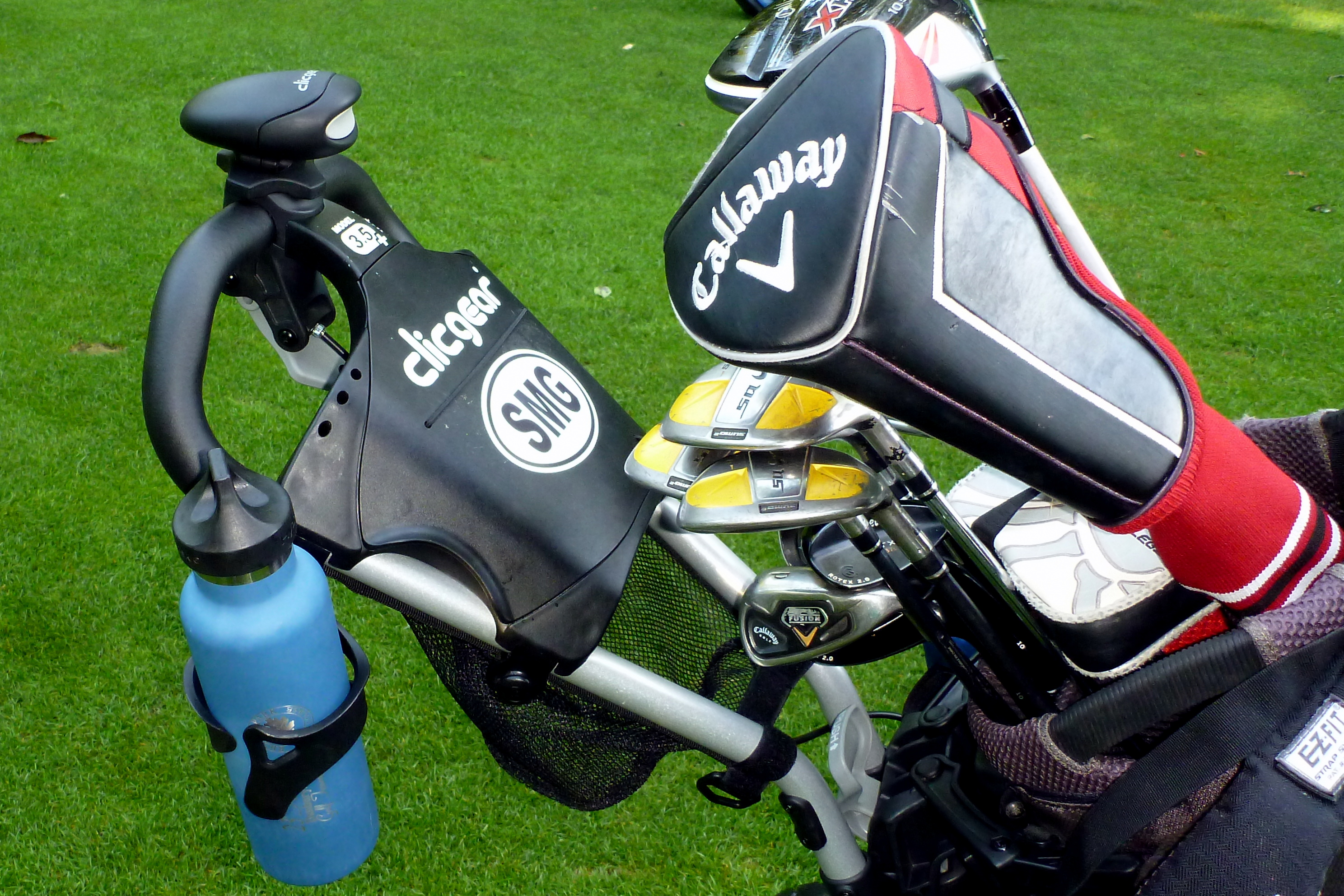
The standard Clicgear beverage holder is big enough for a can of beer but not big enough for most insulated water bottles. So I added a supersized version:

p1190312

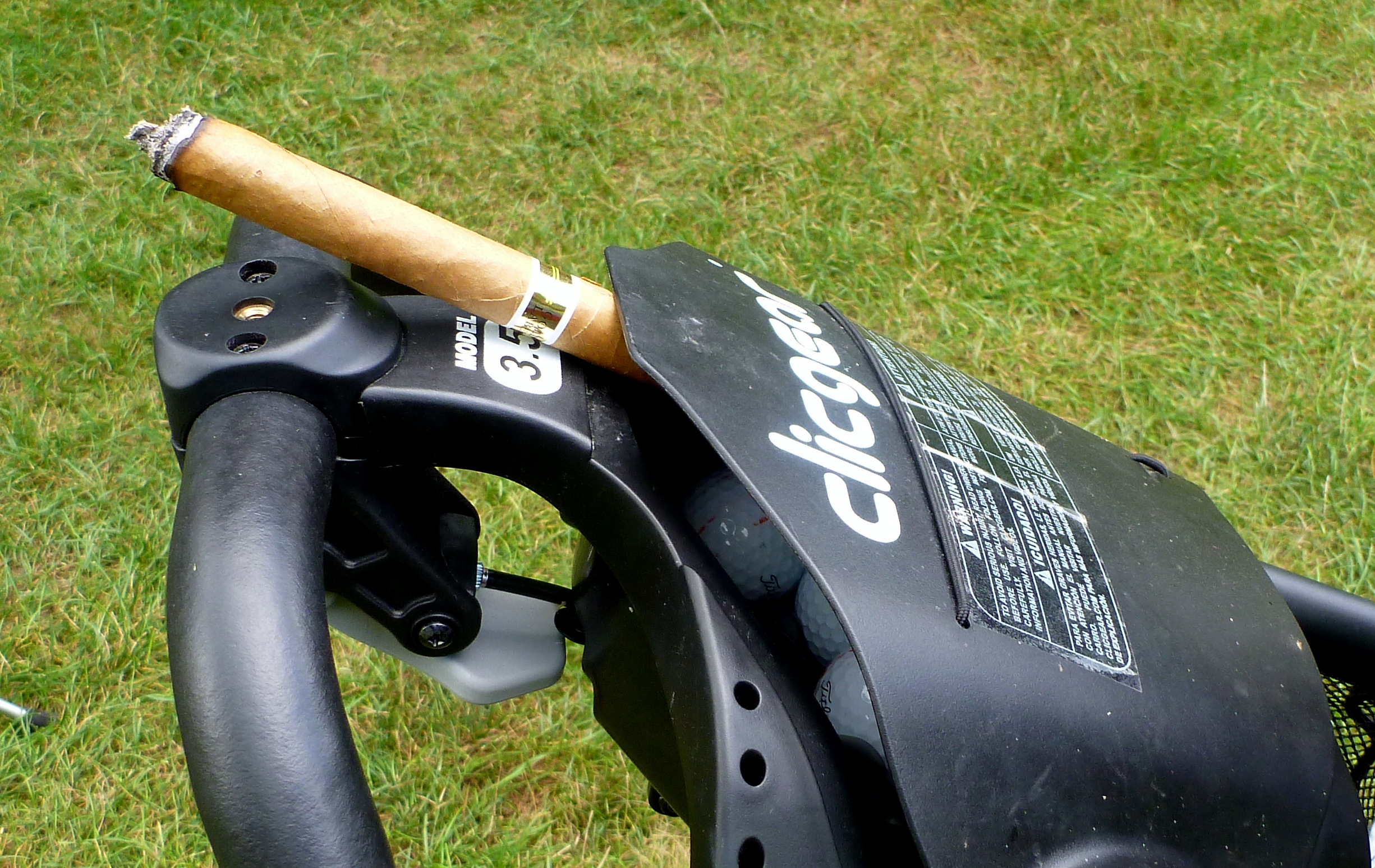
Clicgear sells a couple of cigar holders. If I ever decide to start smoking cigars, though, I’m just going to do what Barney does on his Clicgear, using the top of the storage compartment:

p1190433

Clicgear sells lots of other accessories, too, including a rain cover, an adjustable umbrella-holder, and a little seat, which attaches near one of the wheels. I’m not ready for that one yet. But maybe soon.

P1190447