Golf on the Vernal Equinox

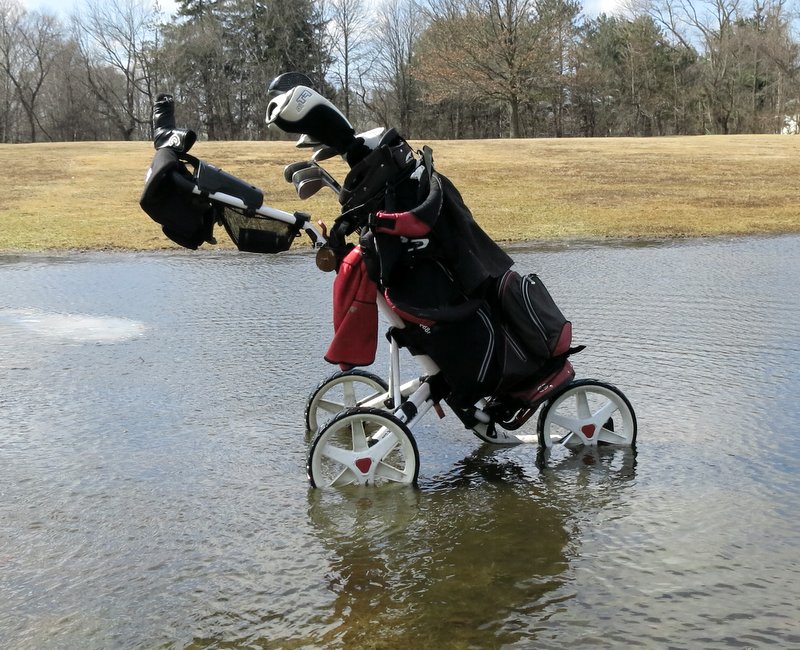
My pushcart at D. Fairchild Wheeler Golf Course, New Year's Eve, 2013.

My pushcart at D. Fairchild Wheeler Golf Course, New Year’s Eve, 2013.

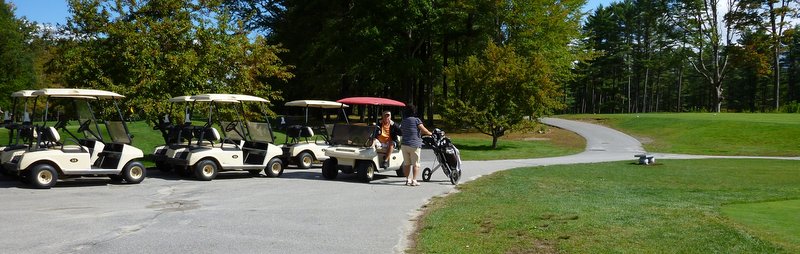
My friends and I celebrated the first day of spring the same way we celebrated the last day of 2013 and the first day of 2014: by playing a round at D. Fairchild Wheeler Golf Course, a muny about an hour from where we live. As you can see by comparing the photo above with the photo below, playing conditions had improved dramatically in just eleven weeks:

My pushcart at D. Fairchild Wheeler Golf Course, March 20, 2014.

My pushcart at D. Fairchild Wheeler Golf Course, March 20, 2014.

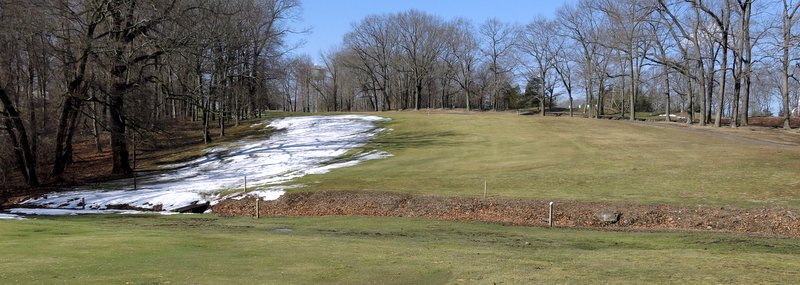
There were still a few lingering signs of winter, including a large patch of non-liquid casual water along the left side of the ninth fairway:

Pro's advice: aim right.

Pro’s advice: aim right.

Overall, though, the course was in decent shape. The gates were closed when we arrived, a little before nine, but the parking lot had begun to fill by time we finished, and the temperature had climbed to the mid-forties.

P1110473

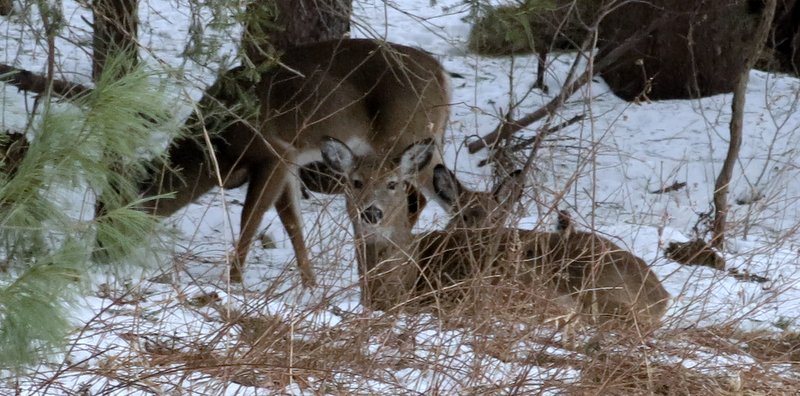
The past few months have been truly horrible around here, golf-wise. It’s been so cold that a small herd of local Lyme-disease vectors began spending the night in my backyard:

IMG_1128

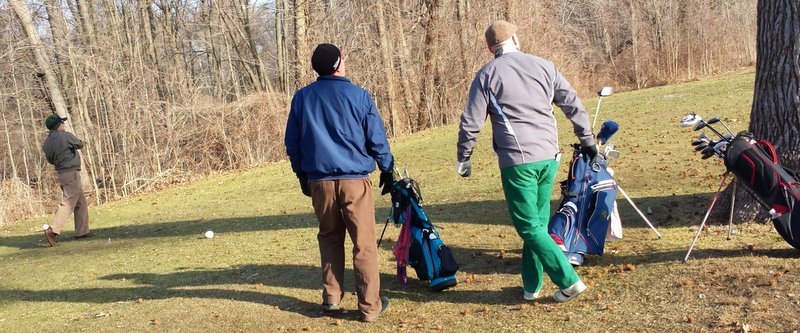
But in the past few days things have finally started to turn. Last Sunday, Hacker (real name), Doug, Mike A., and Tim played at Pelham Bay Golf Course, in the Bronx—the only open course within a hundred miles of where we live:

Hacker Pelham 2

Mike A. attempting a rare steeplechase bunker shot. Degree of difficulty: 10.

Mike A. attempting a rare steeplechase bunker shot. Degree of difficulty: 10.

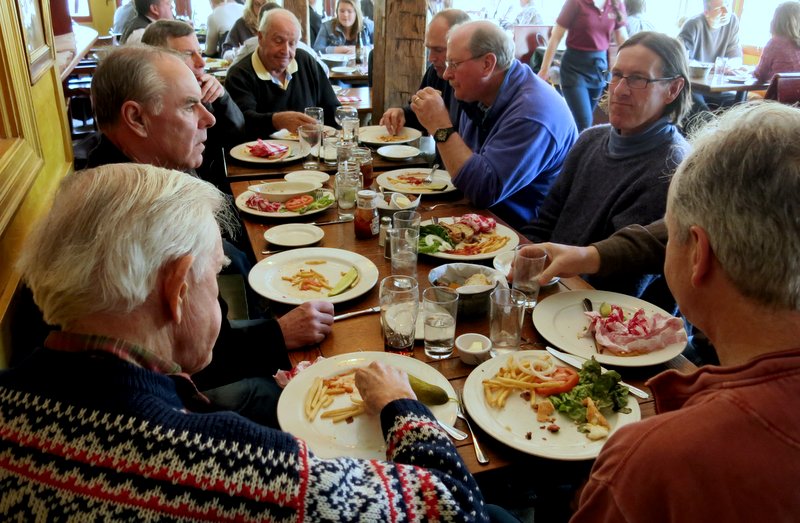
I couldn’t join them, because I had a work deadline I couldn’t put off, but I did take time out for lunch with nine other members of the Sunday Morning Group. There are six artificial knees in the photo below, if you count all three of Frank’s (one of his had to be redone):

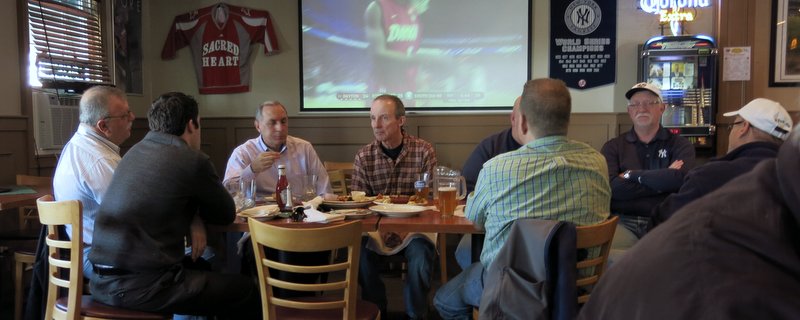
IMG_1162-004On the equinox, we ate at Fairchild Wheeler, of course—along with these guys, who hadn’t played golf but, apparently, were unable to stay away:

IMG_1200

That’s March Madness on the big screen behind them. If we hadn’t needed to get home for our naps, we could have hung around all day.

P1110441

Reader’s Trip Report: Northeastern Scotland

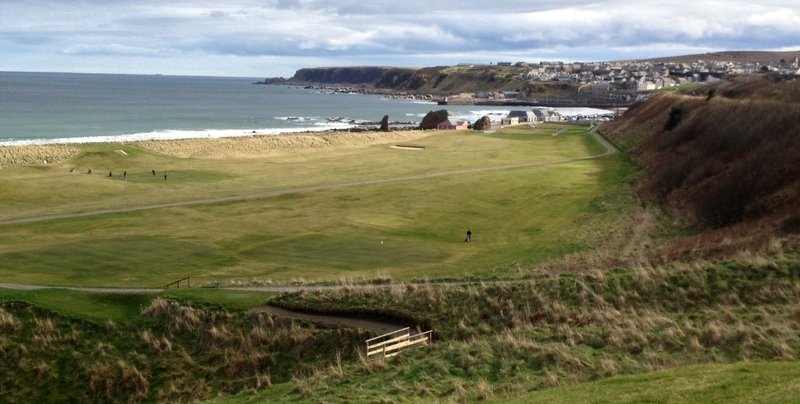
Fraserburgh Golf Club, Scotland, March 13, 2014.

Fraserburgh Golf Club, Scotland, March 13, 2014.

Seth Low, a reader and, not incidentally, a member of the Sunday Morning Group, recently returned from a winter trip to Aberdeen, Scotland. It wasn’t a golf trip, but he hung around for a few extra days and played several courses I like a lot—among them Fraserburgh, shown above. Excerpts from his report:

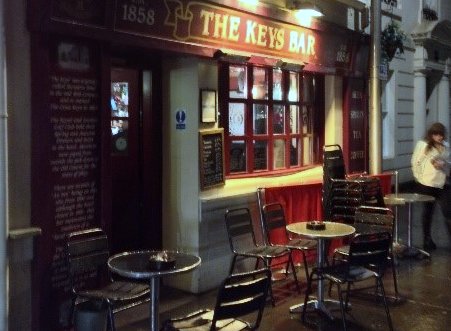
The non-business portion of my trip started in St. Andrews. I did some local scouting at the Keys Bar, where I ran into Dave, an American expat who has lived in St. Andrews, on and off, for twenty-seven years. He caddies during the golf season and, as far as I could tell, hangs out at the Keys in the off season. 

seth low keys bar

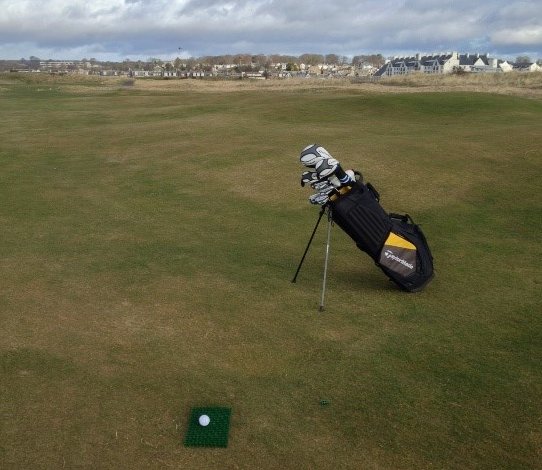
The next day, I took a train to Carnoustie, half an hour to the north. Perhaps because of the time of year, or perhaps because of the weather, I went out solo, no one in front of me or behind me. I muscled an ugly 4-iron into the wind, and then had my first go at hitting from a “winter mat.” Apparently, these are standard in Scotland. I am not a good golfer, but I can generally get the ball headed in the right direction. However, I could not master the mat. My reward for a good drive was inevitably a sculled iron.

seth low winter mat

I found myself hoping I would miss the fairway, to be spared the mat, and when my ball landed close to the rough I kicked it in. It was interesting to find myself in this alternate golf reality, and I spent a good deal of time wondering what it said about me as a golfer (and as a person) that I was more comfortable playing from what most people think of a bad lie.

Fourth green, Carnoustie. The white stuff on the ground (not the ball) is hail.

Fourth green, Carnoustie. The white stuff on the ground (not the ball) is hail.

Next, I headed north, to Fraserburgh, and, once again, went out on my own. I was the beneficiary of a new employee, who told me that mats were unnecessary, despite signs saying otherwise. The course wanders through the shoreline dunes and is truly spectacular.

Fraserburgh Golf Club, thirteenth hole.

Fraserburgh Golf Club, thirteenth hole.

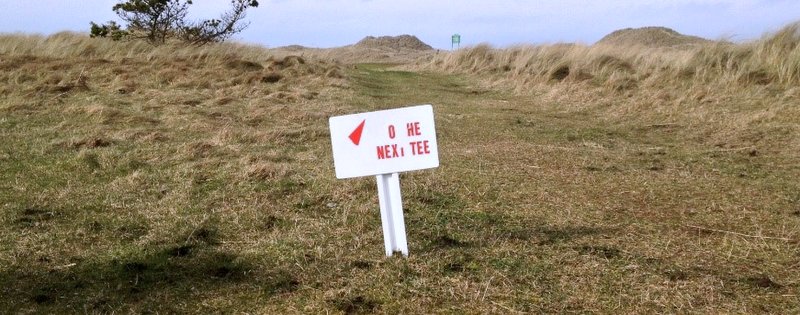
To navigate among the dunes, I had to follow the signs carefully, which wasn’t always easy. If wondered if they were in Doric, a dialect spoken by folks in the area, but it turned out that they had just been beaten up by a long and windy winter.

seth low doric sign

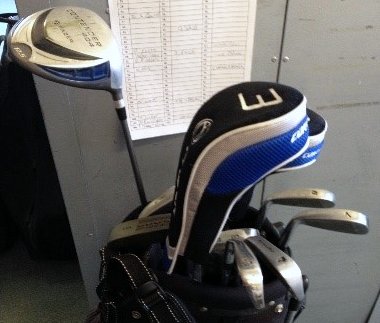
On my last day in Scotland, I headed west from Fraserburgh, at the recommendation of this blog, to play Cullen Golf Club. [Editor’s note: No one who asks me for a Scottish golf recommendation will escape being told about Cullen.] The clubhouse was empty, so I wandered around until a member came in and showed me some clubs I could use. I managed to assemble an almost-full set, consisting of a couple of Wilsons, a couple of irons of an unrecognizable brand, and a Fazer Contender 404 driver:

seth low golf bag

Cullen’s fairways weave across each other, and there is a complex set of bells and “yielding” protocols that the locals know. The course is complicated by a right-of-way that allows walkers to get from the ridge above the course to the beach below. All in all, it was a somewhat hectic scene, and I was happy to be joined by Graeme, a local member, who was out for a Sunday round. Like many in the area, he worked on a fishing boat before getting a job in the oil-and-gas industry. Now he is a cook on an oil rig, where he works two weeks on, two weeks off, four weeks on, four weeks off—leaving plenty of time for golf. I came away with what I hope will be a new addition to my golf lexicon: “hitting into the skink.” I am not sure what it means, but I like the way it sounds.

The first hole, second tee, fifteenth green, sixteenth tee, seventeenth green, and eighteenth hole at Cullen.

The first hole, second tee, fifteenth green, sixteenth tee, seventeenth green, and eighteenth hole at Cullen.

Donald Trump Goes to Ireland

doonbeg-001

In 2006, I traveled to Ireland with three other Golf Digest editors, and among the courses we played was Doonbeg, about an hour and a half down the coast from Lahinch. (A useful rule of thumb, when estimating travel times on older Irish roads, is to think of the kilometers as miles, and multiply by two.) In the magazine I wrote that, after playing the course twice, I wanted to take back nearly every unkind thought I’d ever had about Greg Norman, who designed it. Several of the holes, I said, were permanently memorable, including the teensy but murderous fourteenth, a par 3, which has a green scarcely large enough to contain a foursome (shown above).

doonbeg lodge

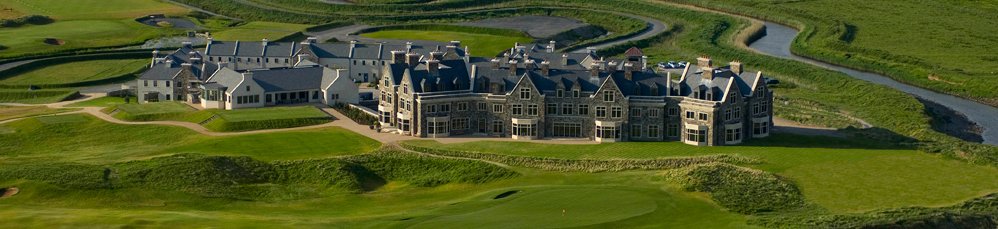
The only part of Doonbeg I didn’t care for was the club itself, which, in contrast to the course, seemed distinctly overdetermined. Doonbeg was created, in 2002, by Kiawah Development Partners, of Kiawah Island, South Carolina, and there was a powerful American-style screw-you quality to many of the amenities, both inside the huge gray-stone clubhouse (where golf balls in 2006 were selling for a hundred dollars a dozen) and on the grounds beyond the course, where the walls bordering the endless private drive had been draped with sod that appeared to have been cut on Savile Row. Well, reality finally caught up with the owners, and the property went into receivership in January. Last month, the whole thing sold, for about twenty million dollars, to my close personal friend Donald Trump, who subsequently sent a letter to Doonbeg’s (mostly non-Irish) members and apartment owners. Here’s the first part of his letter:

Trump letter

A downside with Trump is that he names or renames everything after himself. But the rest of us can continue to call the course Doonbeg, and I think the members and the Irish and golfers in general ought to be pleased, because, as Trump demonstrated at Doral last week, when he buys a struggling golf property he doesn’t fool around. No matter what you think about him, he has been extremely successful—and shrewd!—at cleaning up golf messes made by other people. So good for him.

Some of the en-suite luxuries in my room at Mar-a-Lago, where I spent one night in 2012.

Some of the en-suite luxuries in my room at Mar-a-Lago, where I spent one night in 2012.

Masters Countdown: The Plan to Demolish Augusta National’s Clubhouse

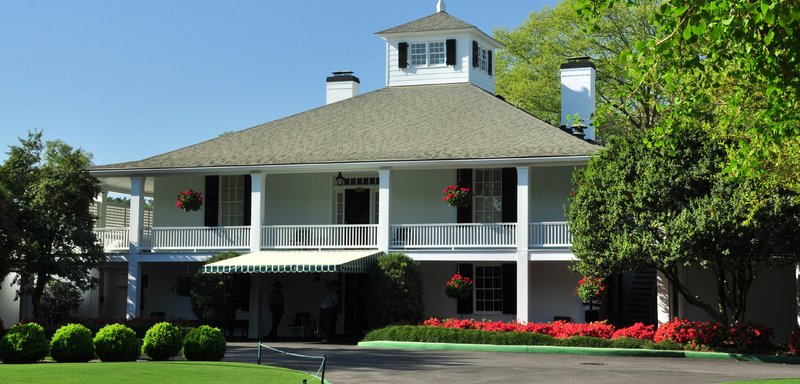
ANGC clubhouseThe original plans for Augusta National Golf Club called for two eighteen-hole golf courses—a Championship Course and a Ladies Course—plus tennis courts, outdoor squash courts, an eighteen-hole pitch-and-putt course, a bridle path, a couple of dozen houses for members, and, possibly, an on-site hotel. In addition, $100,000 was to be spent on a clubhouse—which was needed because the existing manor house, which had been built in 1857 by a horticulturalist and nurseryman named Dennis Redmond, was going to be torn down.

Redmond manor house, 1800s.Redmond was, in addition to a planter, an architectural historian and an editor of an agricultural publication called The Southern Cultivator.  His house had eighteen-inch-thick walls made of concrete, a material that before that time had not been used in residential construction in the south; Redmond called it “artificial rock.”

Redmond’s house, post-Redmond, in the 1800s. Redmond was, in addition to a nurseryman, an architectural historian and an editor of an agricultural publication called The Southern Cultivator. His house had eighteen-inch-thick walls made of concrete, a material that before that time had not been used in residential construction in the south; Redmond called it “artificial rock.”

It seems unimaginable today, but demolishing the old manor house wouldn’t have been a reckless act. Although the building looks imposing in photographs, it’s quite small. Much of its apparent bulk comes from its porches, which are nine-and-a-half feet deep and run all the way around on both floors, and from large wings added later on each side. In 1931, the building had fourteen rooms, but most were cramped and dark, and there was no kitchen, no electricity, and no plumbing. The ground floor had been referred to by the builder as a “basement,” and it looked like one. A consulting engineer, after making an inspection, concluded that most members “would probably be better satisfied in a modern building with all modern conveniences.” Few disagreed.

ANGC clubhouse old-001

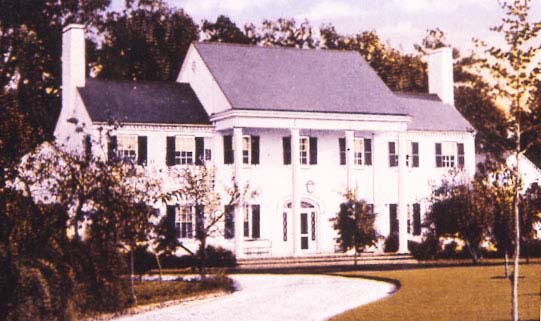
Clifford Roberts and Bobby Jones, the club’s co-founders, hired Willis Irvin, a local architect, to draw plans for a new clubhouse. A detailed rendering of his design appeared in the Augusta Chronicle in 1931:

The clubhouse that was never built, designed by Willis Irvin, a prominent Augusta Architect. I apologize for the appalling quality of the image, which is a scan of a photocopy of a microfilm print of a newspaper photograph of a drawing.

This is the Augusta National clubhouse that was never built. It was designed by Willis Irvin, who died in 1950. I apologize for the appalling quality of the image, which is a scan of a photocopy of a microfilm print of a newspaper reproduction of an architectural drawing.

The building was to have two large wings, an exterior of white-painted brick, a slate roof, several impressive chimneys, and a vast neoclassical portico supported by four tall columns. The most striking feature was to be an enormous men’s locker room containing four hundred lockers, some double and some single. According to the Chronicle, Jones had been involved in the planning, and the locker room was going to incorporate “the best features of the clubs he has visited.” There were to be nooks and corners in which golfers could gather before, after, and between rounds to play cards, drink gin, eat lunch, watch the action on the course through large bay windows, and converse. A separate wing was to contain similar facilities for women.

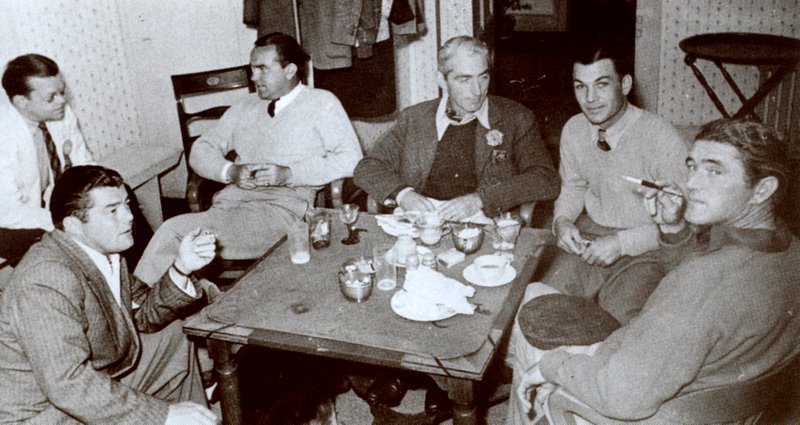
Early Masters competitors did more between-rounds drinking and smoking than they tend to do nowadays. Clockwise from the lower left, these people are: Lawson Little, Charlie Bartlett (the golf editor of the Chicago Tribune, after whom the press lounge in the media building at Augusta National was named), Billy Burke, Tommy Armour, Ben Hogan, and Olin Dutra.

Masters competitors did more between-rounds drinking and smoking in the early years than they do nowadays. This photo is from the second tournament, in 1935, when the clubhouse was still a dank mess. Clockwise from lower left: Lawson Little, Charlie Bartlett (the golf editor of the Chicago Tribune, after whom the press lounge in Augusta National’s media building was later named), Billy Burke, Tommy Armour, Ben Hogan, and Olin Dutra.

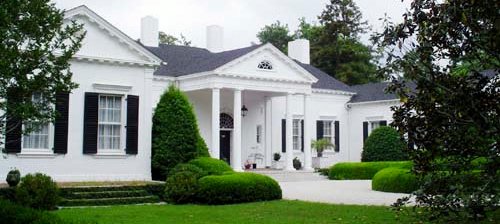
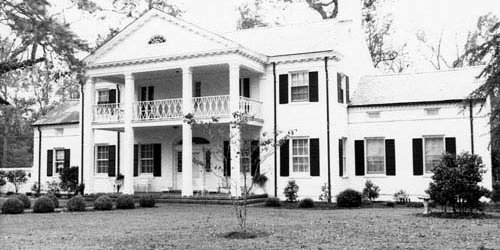
You can’t see much detail in the poorly reproduced newspaper image higher up in this post, but several of the private houses that Willis Irvin designed were similar to what he had in mind for Augusta National. (According to the South Carolina State Historic Preservation Office, he specialized in “elegant rural estates,” often “built for wealthy northern clients” who wanted winter residences in the South.) The Irvin house in the photo below, called White Hall, is in Aiken, South Carolina. It was built in 1928, and in many ways it’s a scaled-down version of what he proposed for Augusta National:

S1081770202302-001

Here’s another similar Irvin house, from Hartsville, South Carolina, built about 1931:

CokerAnd here’s the back of Irvin’s own house, in Aiken, which was built in 1855 but which he enlarged in 1930, by adding the wings. (He liked wings.)

Irvin House

Not everyone was eager to tear down the old manor house. Harry M. Atkinson, of Atlanta, who was part of Augusta National’s tiny group of early members, wrote to Roberts in 1931 to say that he and his wife loved the building and believed it should be renovated rather than razed. “We both were greatly impressed with the avenue of magnolias leading up to the old Berckmans residence and the planting around the house,” he wrote. (Prosper Berckmans, a Belgian horticulturalist and landscape architect, had bought the property from Redmond in 1858 and turned it into Fruitlands Nurseries, which by 1931 had been out of business for a little more than a decade.) “We think that all of that, including the house, ought to be preserved carefully,” Atkinson continued. “It can be made a perfect gem, using the old house for a club house. You could not reproduce what is there for any amount of money.”

ANGC old

Atkinson also said that he felt “a great many golf clubs” had been ruined by the construction of “club houses that are too elaborate and too luxurious”—an observation that may be even more apt today than it was then. In response to Atkinson, Roberts wrote that that the house would be hard to save but that, for financial reasons, nothing was likely to be done in a hurry. Still, early master plans for the Augusta National property included a “Site for Club House”:

plan showing clubhouse site

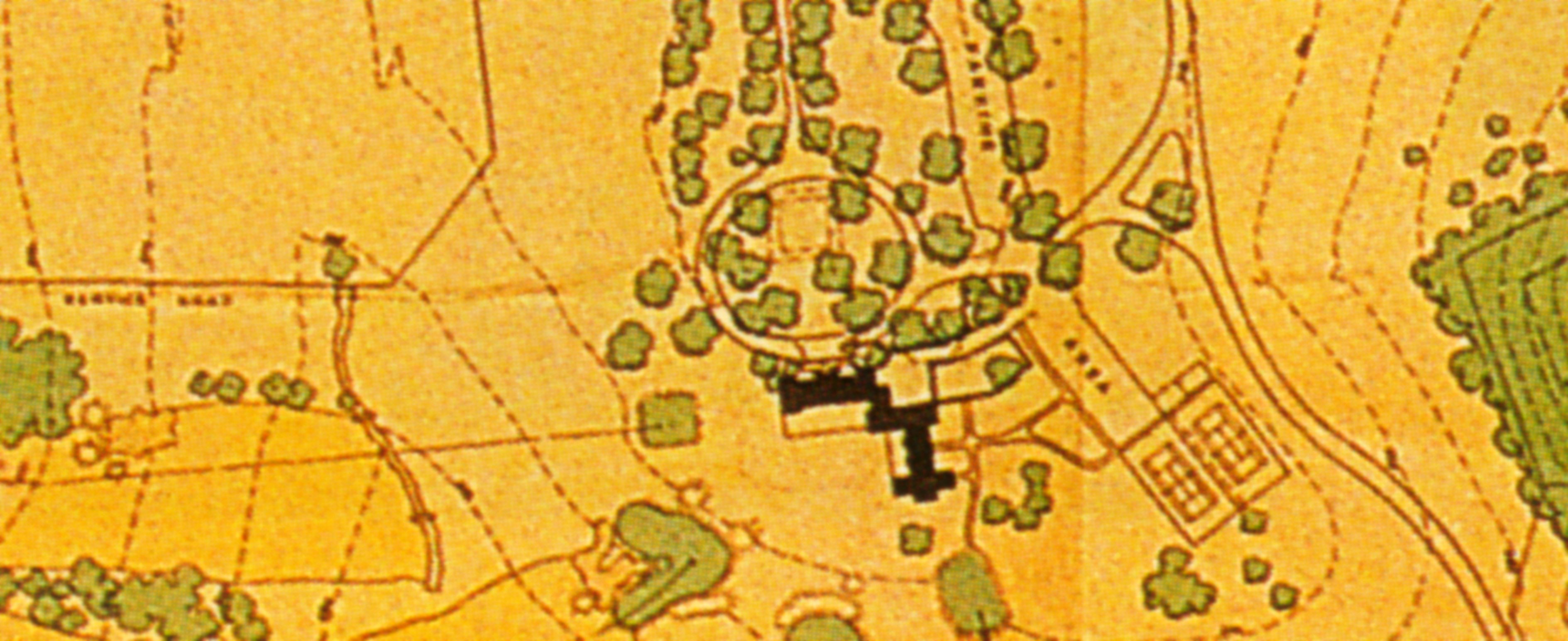
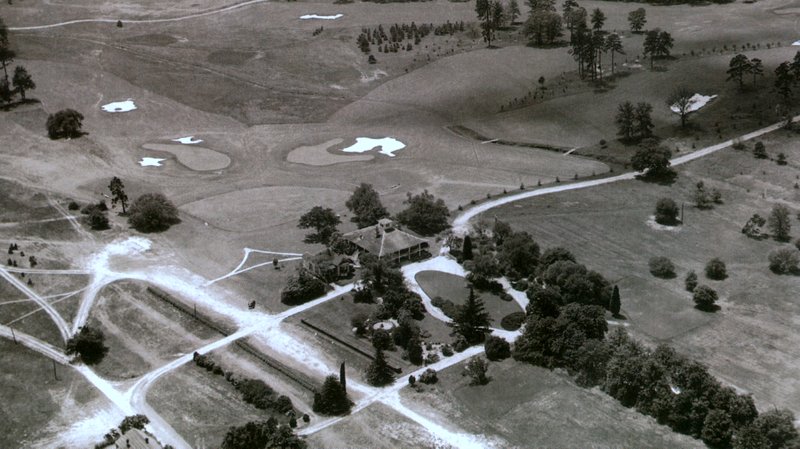
The image above is a detail from a subdivision plan prepared by Olmsted Bros. in 1932. The footprint of Irvin’s proposed clubhouse is shown in black. Just above it is the driveway circle, which still exists, and the near end of Magnolia Lane; to the left is the first tee; at roughly eight o’clock (shaped like upside-down rabbit ears) is the ninth green; directly below the clubhouse is the tenth tee; to the right are the proposed tennis courts. Here’s some of the same area as it actually appeared a couple of years later, in a photograph taken from an airplane:

aerial view ANGC 1934

The demolition plan would have proceeded if the club had had the money to carry it out. But Roberts and Jones were unable to sign up more than a handful of members, and therefore had to make do with their crumbling old manor house (and no tennis). Thank goodness.

Another of Irvin's designs--this one from Hartsville.

Another house designed by Irvin, also in Hartsville. This one was built in 1934, the year of the first Masters.

angc postcard

A Ghost Course in Central Florida, and a Golf Trip to the Twilight Zone

The former Winter Springs Golf Course, Winter Springs, Florida.

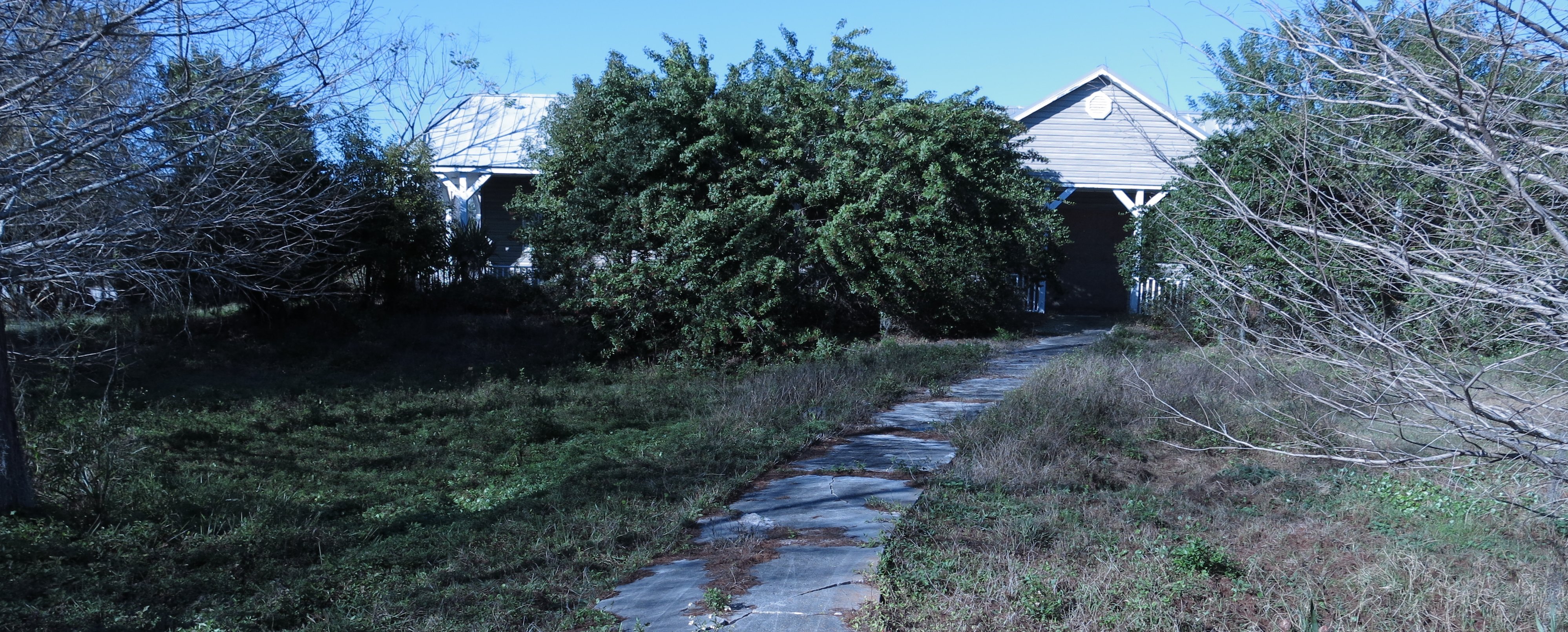
Part of the former Winter Springs Golf Club, Winter Springs, Florida. The cart barn, clubhouse, and parking lot are near the bottom of the image, just right of center.

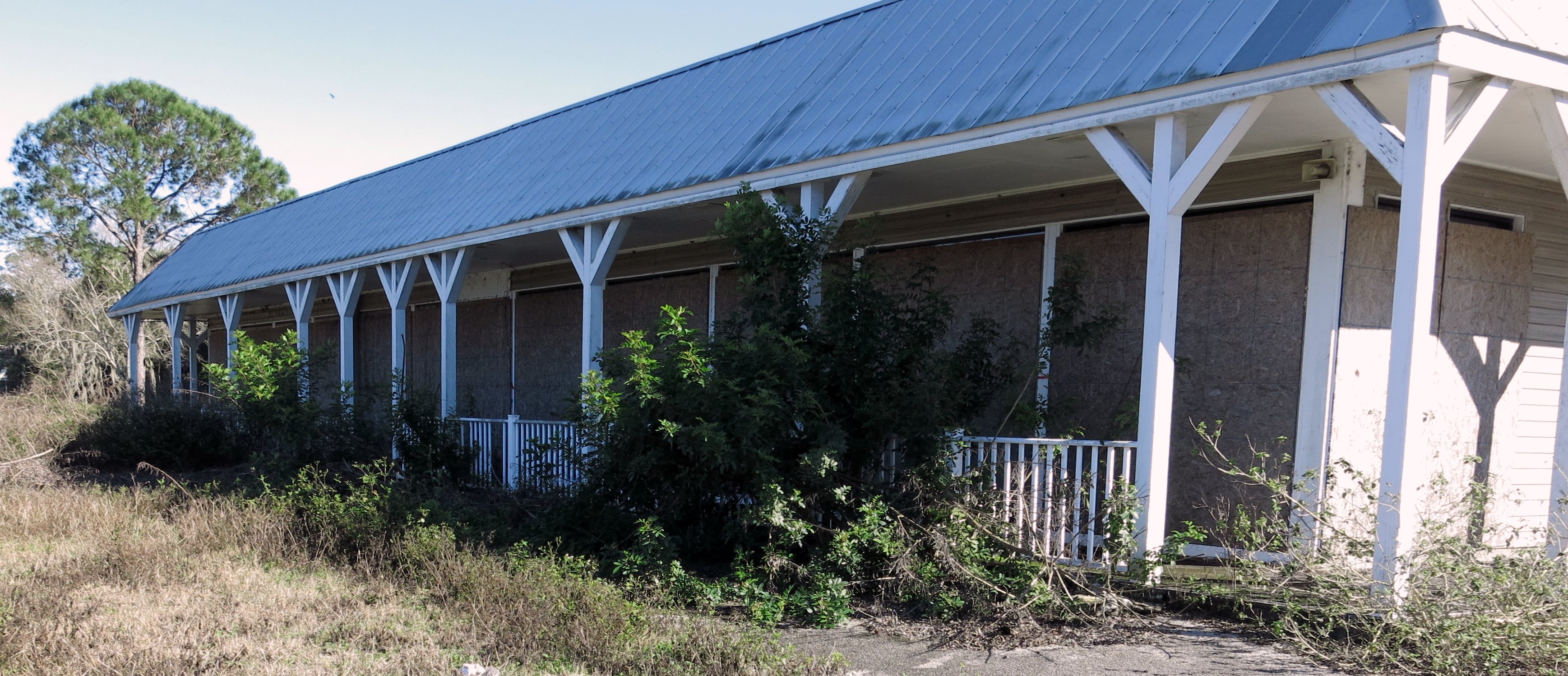
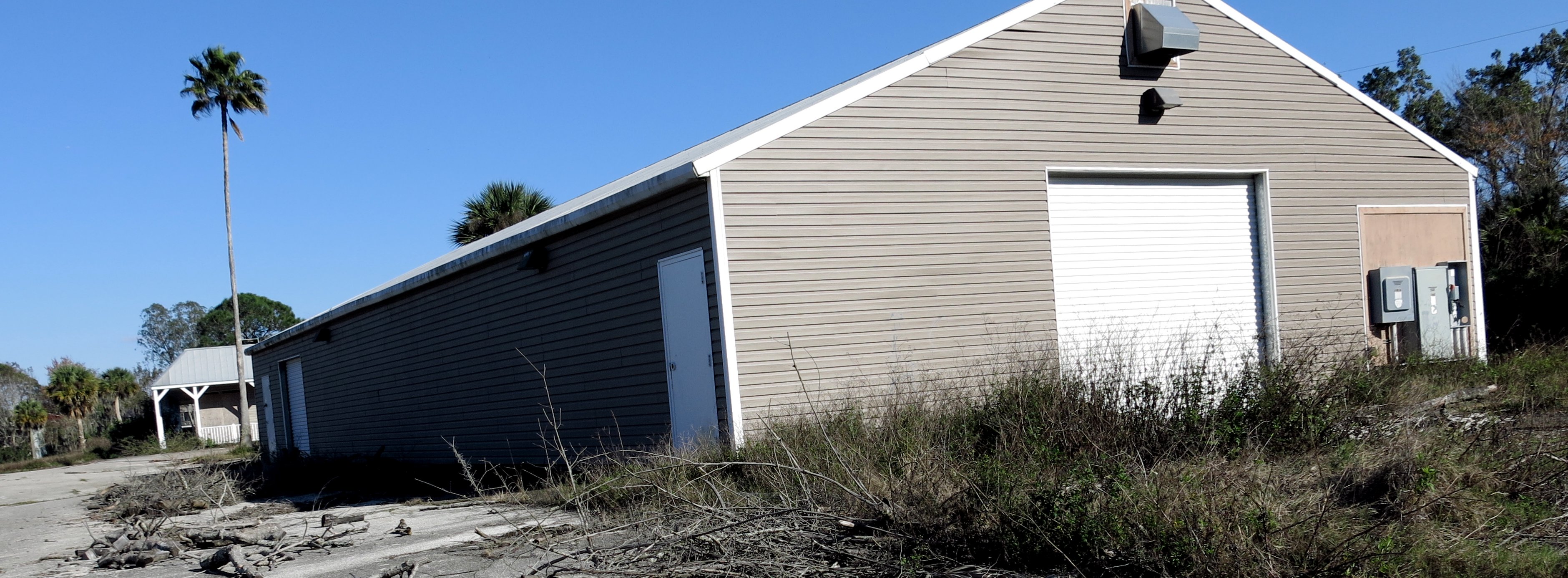
A common experience for Florida golfers in recent years: trying to make a tee time at a golf course they’ve heard good things about, and discovering that the phone has been disconnected and the Web domain is for sale. An example is Winter Springs Golf Club, which went belly-up in 2006. I was in the Orlando area last weekend, on a Golf Digest assignment, and decided to have a look. Here’s the clubhouse, as it appears from the main parking lot:

IMG_0810Apparently, someone bought the course with the idea of building houses on it, and only then discovered that a deed restriction made that impossible. (Due diligence!) Now it sits.

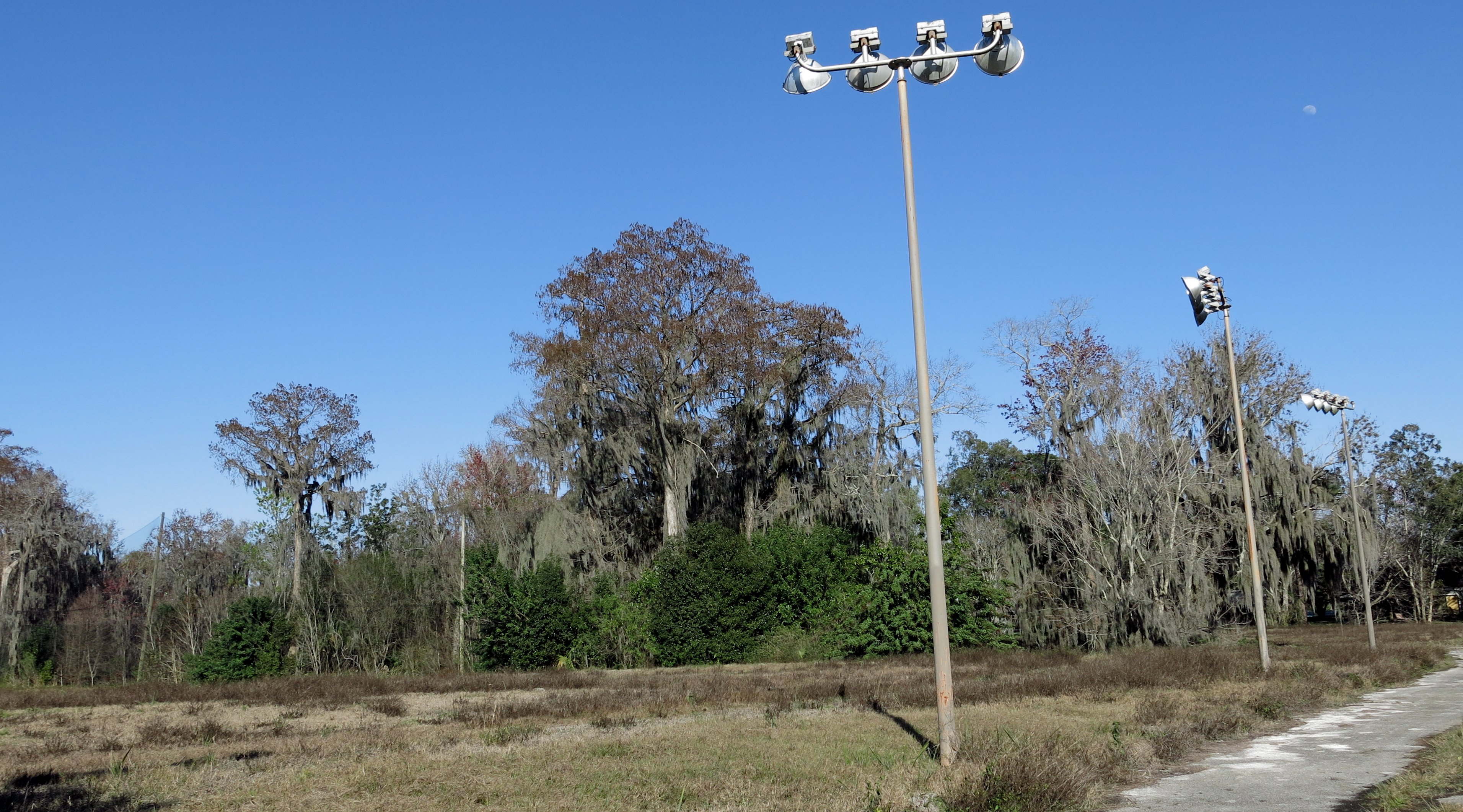
IMG_0817The old club had a lighted driving range. Here’s what it looks like now:

IMG_0837While I was snooping around, a policeman noticed my car and drove in to see what I was doing. He called in my driver’s license number, to make sure I wasn’t wanted for something. Then we chatted about golf for a while, and he asked me whether another ten or fifteen minutes of trespassing would be enough. I thanked him, and he suggested that I stay out of the clubhouse.

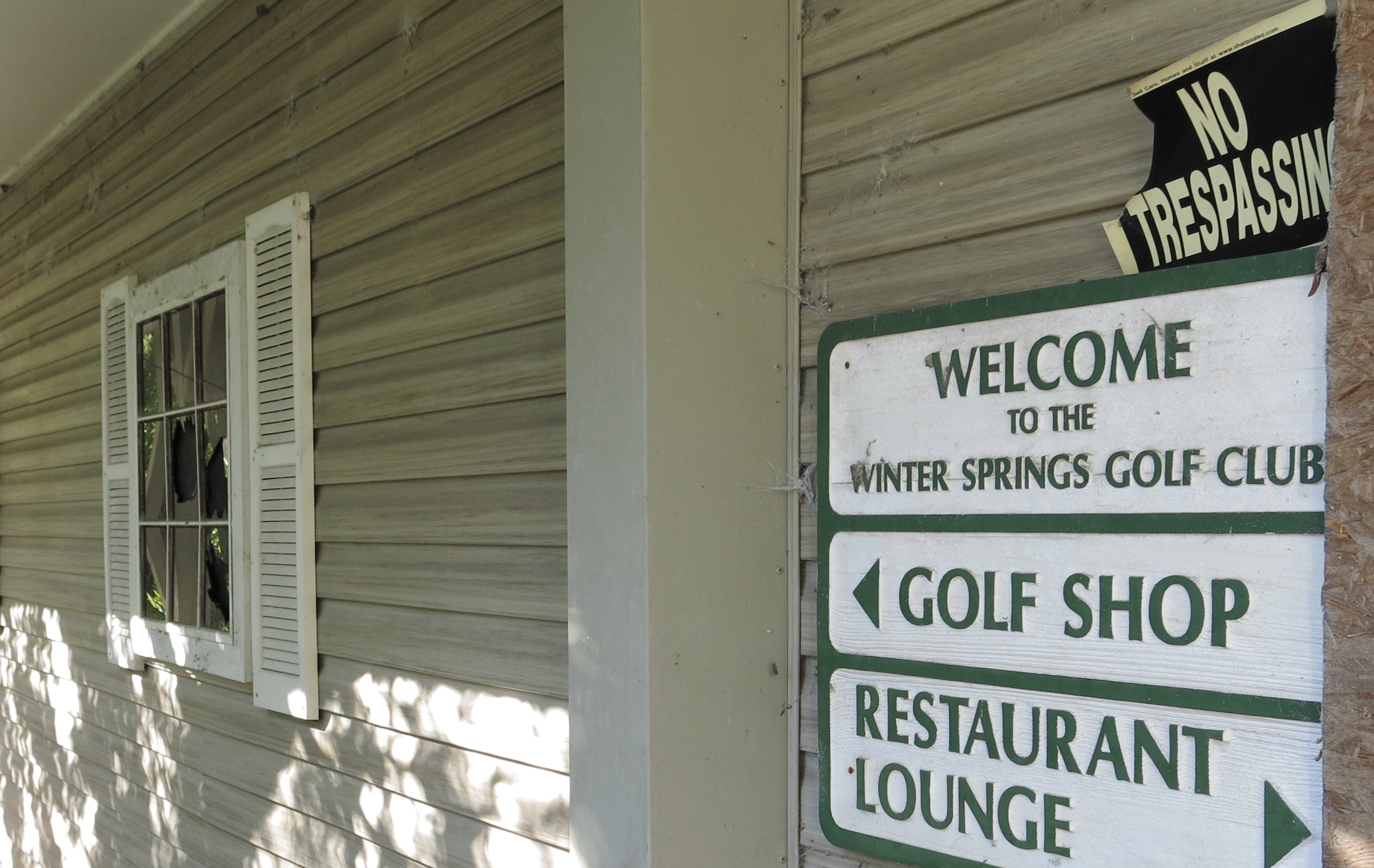
Here's the back of the clubhouse. Those particle-board sheets cover the windows of what used to be the grill room and the golf shop.

Here’s the back of the clubhouse. Those particle-board sheets cover the windows of what used to be the restaurant and the golf shop.

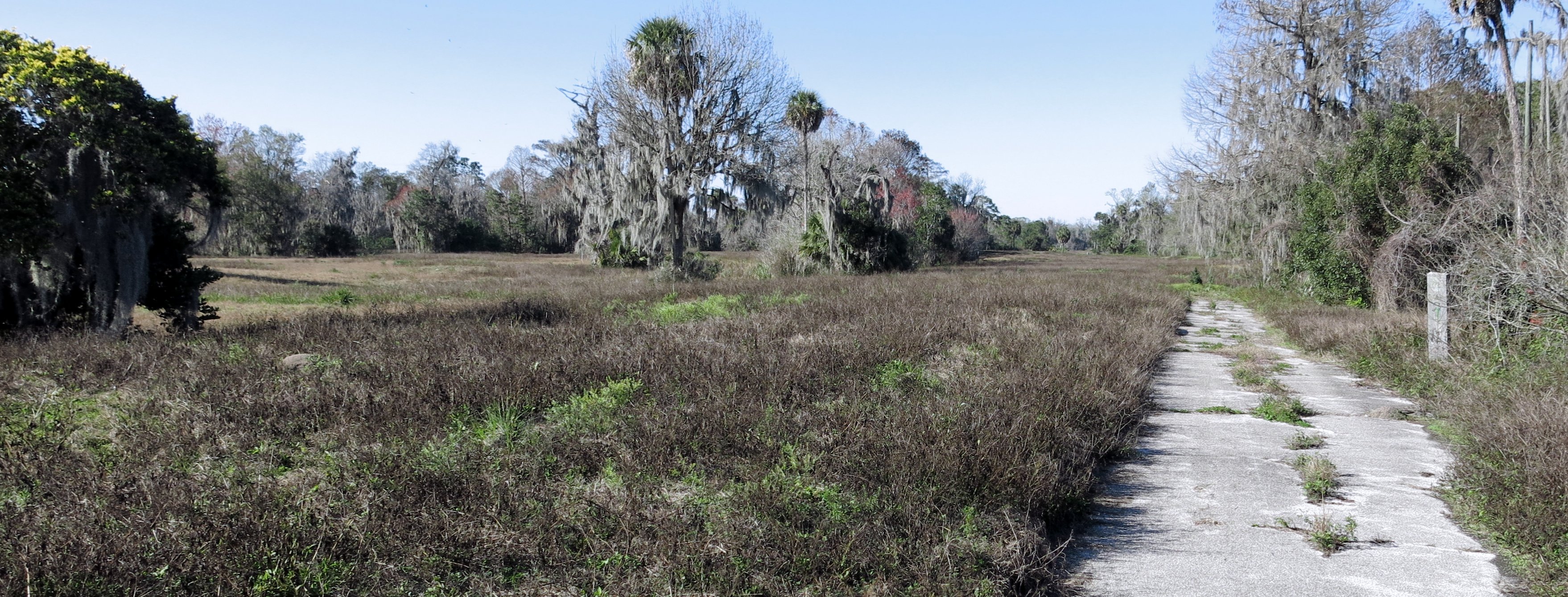
It doesn’t take long for a golf hole to turn into something that isn’t recognizable as a golf hole. Here’s the first tee, the first fairway, and what’s left of the first-hole cart path:IMG_0822 That hole was a straightaway par 5. According to the sign, there were four tee positions:IMG_0827

Florida probably still has too many golf courses. Even so, it’s sad to see the ruins of a place where you know at least a few of the regulars felt more at home than they did at home.

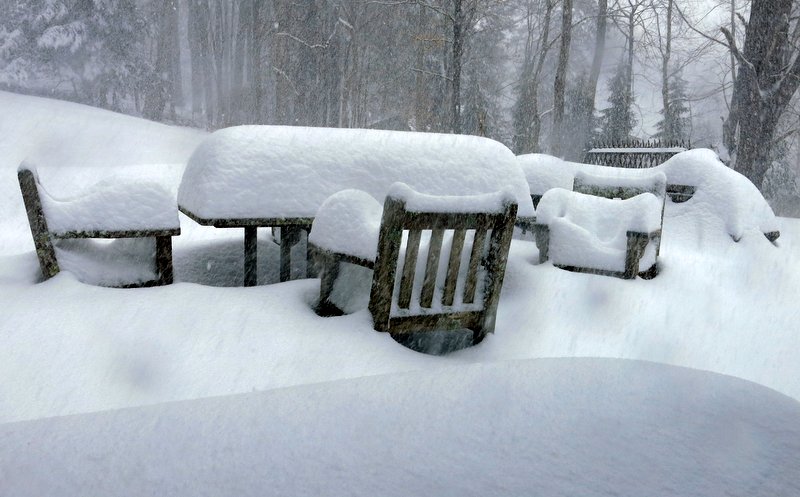
IMG_0843Meanwhile, here in Connecticut, the golf courses might as well be in receivership. This is what my back yard looked like on Thursday afternoon, when the storm was still only getting started:

IMG_0882

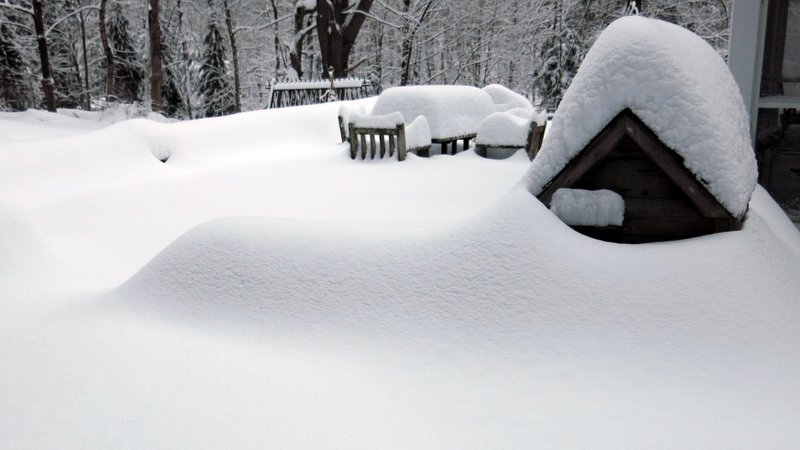
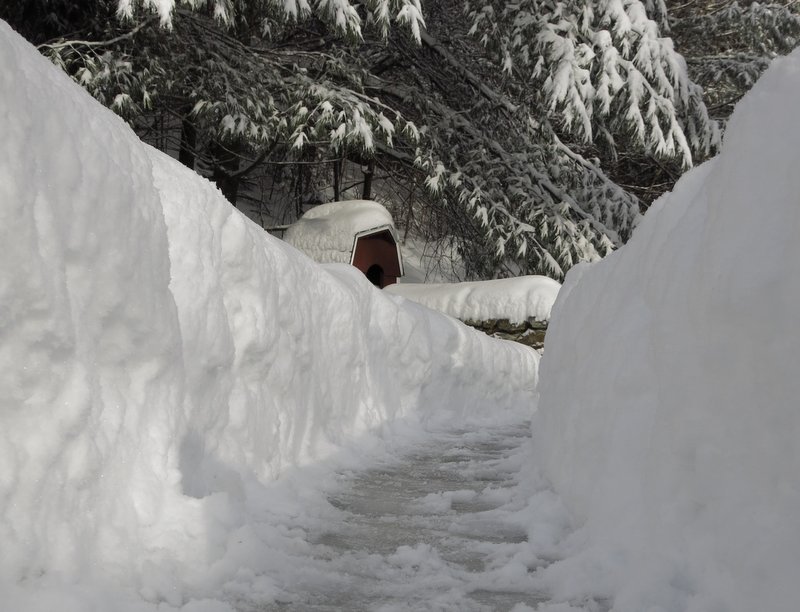
And here’s how things looked on Friday morning. (The doghouse on the right, which is on top of a wall, belonged to one of the three cats that lived in our yard for many years.)

IMG_0901

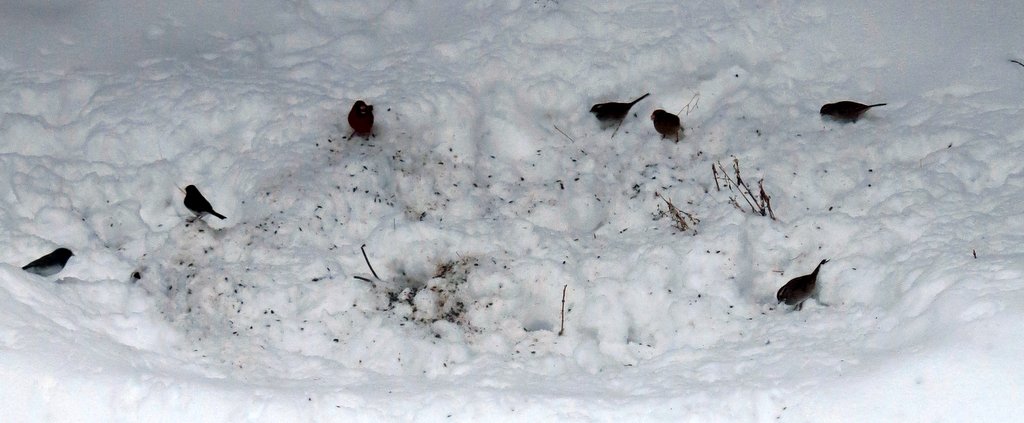
My wife and I have been throwing birdseed into the snow, and attracting mainly juncos and cardinals. When the seed runs low, the birds send an emissary to the back door to complain. When I got up this morning, there were junco footprints on the doormat:

IMG_0891

I tossed out a double load, and a few minutes later the birds were back:

IMG_0906

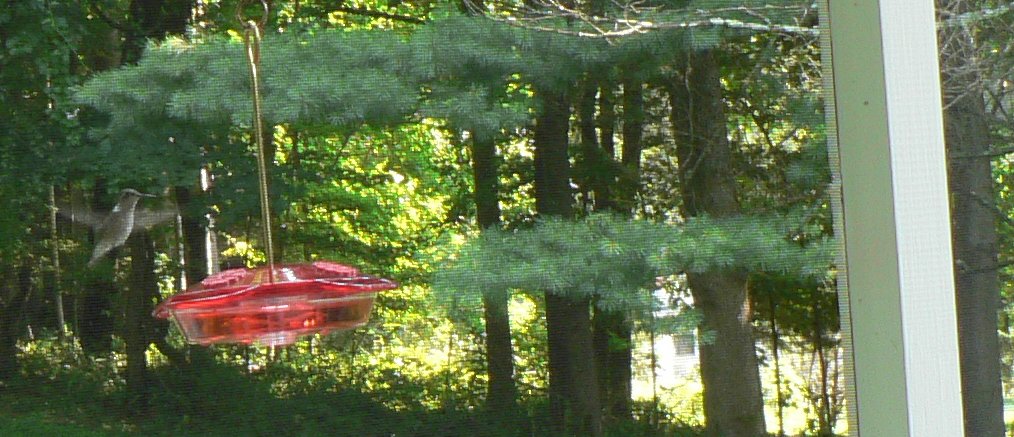
Birds really do this, incidentally. During the summer, when our hummingbird feeder runs out, a hummingbird will fly up to the window closest to the computer in my wife’s office, on the second floor, and hover there until she notices.

Same back yard, with hummingbird, in better times.

Same back yard, with hummingbird, in better times.

The wife of one of my golf buddies told me that when the feeder runs out at her house a hummingbird will fly, in sequence, to windows in the rooms where she can usually be found during the day: kitchen, bedroom, laundry room. After I’d fed the birds, I re-shoveled the path to the back door:

IMG_0912

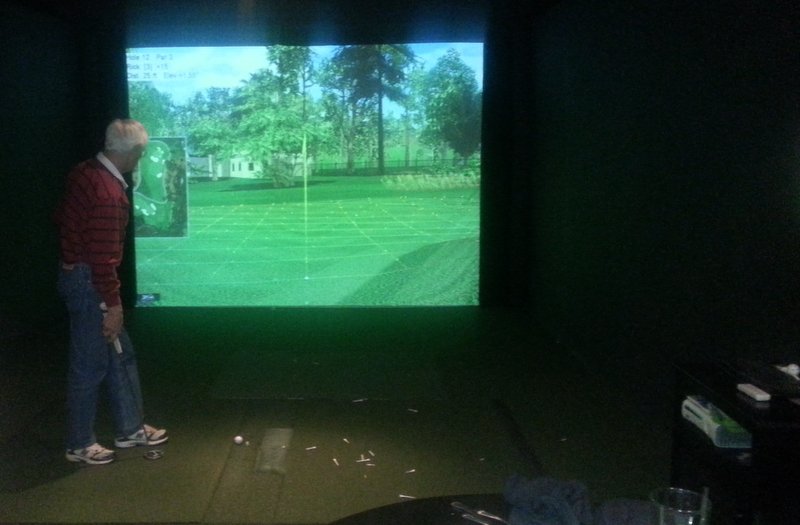
Last week, my friends and I had no choice but to return to the simulators at Maggie McFly’s—which, I’m sorry to report, are showing their age. Our round lasted at least a half-hour longer than it should have, because the sensors had trouble picking up the balls. Still, it was golf. And, because Ferris had never played on a simulator before, we picked Pebble Beach. Here’s Rick, lining up a putt on the twelfth:

20140207_165317-001Spookily, the golf tournament on TV, which we watched between shots, was also at Pebble Beach, and there were quite a few occasions when the hole we were playing was exactly the same hole they were showing on TV—in this case, the thirteenth:

20140207_165321-001It was pretty darned eerie.

The Muny Life: The Beav, in Concord, New Hampshire

P1090355-001My Muny Life column in the January Golf Digest was about Beaver Meadow Golf Course, in Concord, New Hampshire—known to regulars as “the Beav.” The course has an unusual policy of keeping groups well away from the first tee until it’s their turn to play—because, the starter told me, “We find that people hit the ball better if no one is watching.”

P1090382

The Beav’s original nine holes were laid out in 1896 by Willie Campbell, a transplanted Scotsman, who had also laid out some of the early holes at The Country Club, in Brookline, Massachusetts. He was The Country Club’s first head professional, and then he held the same job at Myopia Hunt Club and Franklin Park Golf Course, which opened in 1896 and is the second oldest public golf course in the country. (It’s now known as William J. Devine Golf Course, and was one of the subjects of an earlier Muny Life column.)

Frederick Law Olmsted's 1891 plan for Franklin Park, five years before the creation of the golf course.

Frederick Law Olmsted’s 1891 plan for Franklin Park, five years before the creation of the golf course.

Campbell had heart problems. He died in 1900, at the age of thirty-eight, but he played golf till almost the end. According to his obituary in the Boston Evening Transcript: “Last spring, when unable to drive a ball more than seventy-five or a hundred yards, owing to his weakness, Campbell beat the best ball of two leading amateur players at [Franklin Park] simply by his marvelous accuracy in approaching and putting.” (Willie’s wife, Georgina, took over his job at Franklin when he died, thus becoming the first woman golf pro in the United States.) Campbell is memorialized at the Beav with an annual tournament in his honor:

That (Photoshopped) face isn't Campbell's, but I don't know whose it is.

That (Photoshopped) face isn’t Campbell’s, but I don’t know whose it is.

My principal guide to the Beav was Dave Andrews, a retired television news reporter. Dave swings righty but writes and putts lefty, and he was able to use his ambidexterity to his advantage with this tricky shot, from the collar of a bunker:

P1090394-001

Dave is an avid supporter of women’s golf. Beaver Meadow used to host a Symetra Tour event called the Northeast Delta Dental International, and Andrews served twice as the tournament’s (volunteer) caddie master. He and several of his friends also sometimes serve as volunteer caddies at women’s mini-tour events in Florida, where they go to escape New England winters, and at the LPGA’s Q School. That’s Dave and Hannah Yun below, at the 2011 Q School, where he helped Yun earn her 2012 LPGA rookie card.

andrews yun

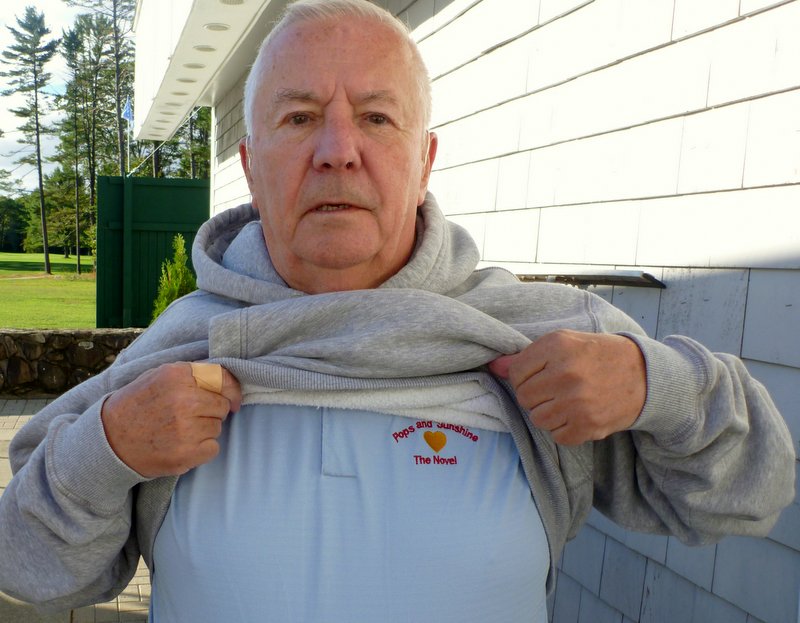
Dave is the author of a novel called Pops and Sunshine, which makes good use of some of his experiences as a caddie and as a regular at Beaver Meadow. The guys who hang around with him have been big supporters not only of women’s golf but also of the book. This is Tinker Foy, who has been a Beav member for more than fifty years:

P1090440-001Tinker’s son, Denny, was Dave’s partner in a tournament that was underway when I arrived. Denny has the rarest and most prized of all golf tans, the sunglasses-stem line:

P1090331Another of Dave’s regular golf buddies is Russ Matthews. Russ sold his company when he was in his forties, and now plays golf a hundred percent of the time, Dave told me. He has been to Scotland a couple of times, and when he isn’t playing golf he’s watching it on TV. He’s part of the group that goes to Florida each winter, but Russ said he wouldn’t want to live there full time, because he likes the change of seasons. “I played hockey when I was a kid,” he said. “When I started, I just had figure skates, and I taped magazines to my legs, as shin guards.” He had a heart attack not long after I visited, but he’s doing fine now. Here he is:

P1090298

Every year, Beaver Meadow plays a two-weekend tournament, called the Beaver Cup, against a club in Phoenix, New York, called Beaver Meadows. There’s a golf club in Virginia that has almost the same name as my golf club, and one of these days the Sunday Morning Group is going to challenge them to something. In the meantime, I hope the guys from the Beav will drop by (after the snow has melted) for a round at our place.

P1090381-001

The Adventure of a Lifetime, and My Golf Buddy Johnny Browne

Royal County Down, Newcastle, Northern Ireland, November 11, 2013.

Royal County Down, Newcastle, Northern Ireland, November 11, 2013.

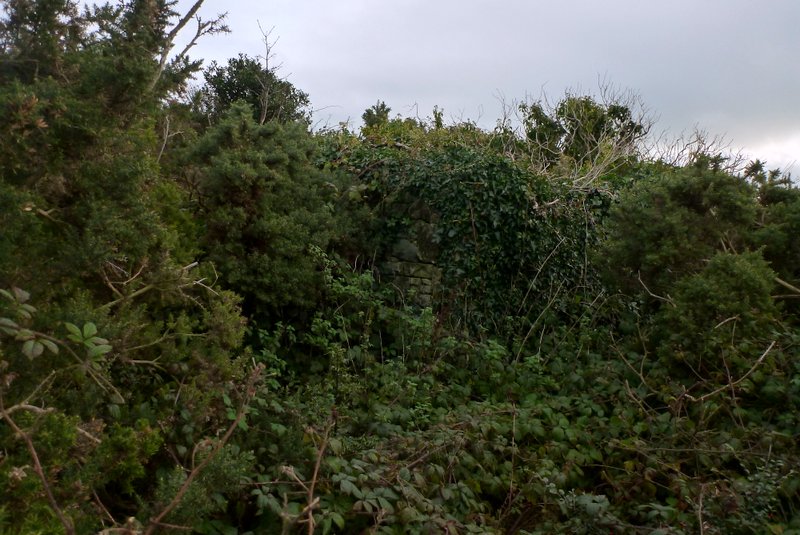
I have an article in the February issue of Golf Digest called The Adventure of a Lifetime, about Royal County Down, in Northern Ireland. In it, I mention that, before teeing off on the eleventh hole one day, my playing partner and I climbed into a jungle of of whins and briars to look for a century-old relic that a caddie had told me about in 2011: the remains of a small stone building, which the maintenance crew had uncovered during an aggressive gorse-removal project. We found it, at some risk to our clothing, although it was so overgrown that we couldn’t see much more than one corner:

P1100735-001

The caddie’s theory was that the structure had been the house of the original greenkeeper, but Harry McCaw—a past captain of both Royal County Down and the Royal & Ancient Golf Club of St. Andrews—told me this past November that he thought it might once have served as the literal “club house”: the place where early players stored their clubs. When he said this, we were standing in the current R.C.D. clubhouse in front of a glass case that contained, among other mementos, the red coat that was McCaw’s official uniform during his captaincy of the R. & A.

A past R. & A. captain (not McCaw), playing the Old Course. That's the R. & A. clubhouse in the background.

A past R. & A. captain (not McCaw), playing the Old Course. That’s the R. & A. clubhouse in the background.

Captains of the R. & A. begin their term by “driving in” from the first tee of the Old Course. That is, they hit a ceremonial tee shot, accompanied by a cannon, in front of a large crowd of club members, townspeople, and miscellaneous onlookers. I asked McCaw whether driving in had made him nervous, and he said that it had and that he’d had plenty of time to brood about it because new captains are tapped roughly nine months before they take office. I don’t have a photograph of McCaw’s driving-in, but here’s a video of the ceremony in 2012:

The playing partner who accompanied me into the jungle to find that old stone building was Johnny Browne, a Belfast physician and a three-time R.C.D. club champion. Johnny played his first round of golf at Ormeau Golf Club, a muny in Belfast, where his father was a regular. He said that, during and after the Second World War, golf balls were so precious that boys at Ormeau would look for them by lying down in the rough and rolling around. Johnny has two brothers, both of whom also play golf. His younger brother, Tim, is a past R.C.D. champion as well, and Johnny said that, of the three, Tim is the most obsessed. “His wife is a Presbyterian minister,” he said. “She gives the same sermon three times every Sunday, and Tim is such a good husband that he sits through all three—although during the second and third he’s probably mentally reviewing golf holes and golf courses.” When Tim and Johnny attend church together, they pass ball markers back and forth. Johnny has a large collection, and Tim has a huge one. (Their older brother, Connor, “has a more balanced view of the game,” Johnny said.) Here’s Johnny during one of our rounds at R.C.D.:

P1100507

Johnny’s earliest memory is of the 1953 Irish Open, which was held at Belvoir Park Golf Club, in a suburb on Belfast’s south side. (“Belvoir” is pronounced “Beaver.”) “What I remember is Dai Rees getting on his knees to talk to me,” Johnny said. “No wonder I’m a golf nut.” Johnny is a member of Belvoir Park, which was designed by Harry S. Colt, and he once jointly held the course record there (66) with a good local amateur and Peter Alliss. He lives in an apartment overlooking the eighteenth hole. He is the honorary secretary of the club, and he runs the youth group at his church, and he is deeply involved in a non-profit organization called Macmillan Cancer Support, which he began working for when his wife, Linda, was dying of ovarian cancer, two years ago. Here’s Johnny talking about Linda and cancer care in a video he made for Macmillan last year:

Which Hacker is the Real Hacker (Real Name)?

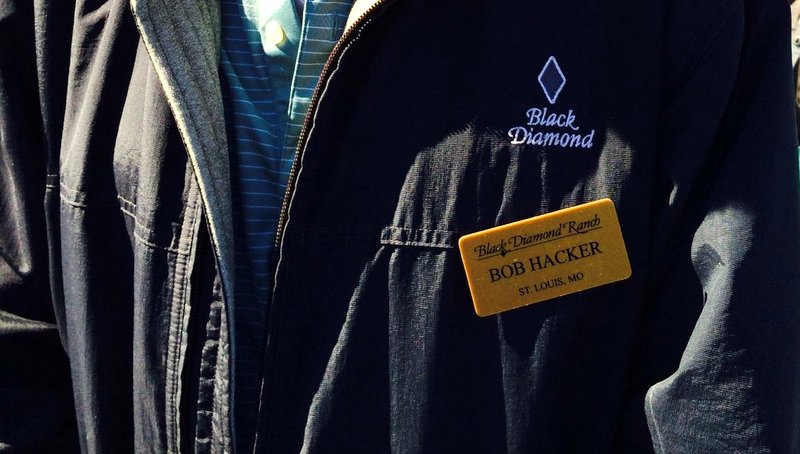
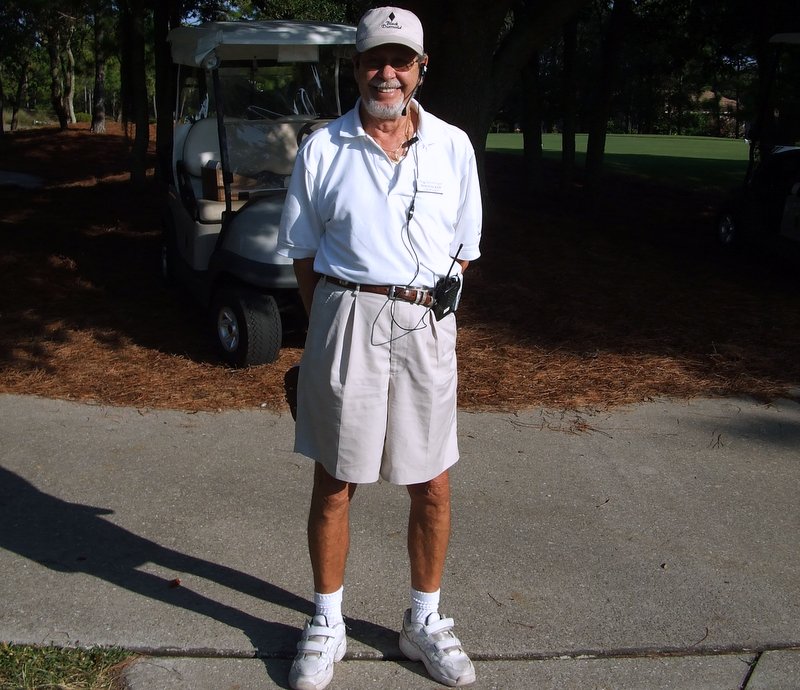
IMG_0398The person I play the most golf with is Bob Hacker, a.k.a. “Hacker (real name),” on the left in the photo above, which was taken last winter at Pelham Bay Golf Course, in the Bronx. (That’s me on the right.) He is also the person primarily responsible for managing the Sunday Morning Group and its finances, and is therefore widely believed to be the chairman of the Committee, the mysterious but all-powerful body that governs everything we do. He is unique—or so I thought until recently, when Tony, who is the person I play the second most golf with and is the co-inventor, with me, of the Hybrid Lifestyle, sent me a photograph of a starter at the Black Diamond Golf Ranch, in Lecanto, Florida, where he had gone to play golf with his Atlanta friends, who are richer, smarter, and better-looking than we are:

IMG950651

That’s just part of him, obviously. Doug Egly, who is Black Diamond’s general manager, sent me this photo of him in his entirety:

2007 Hacker, Bob

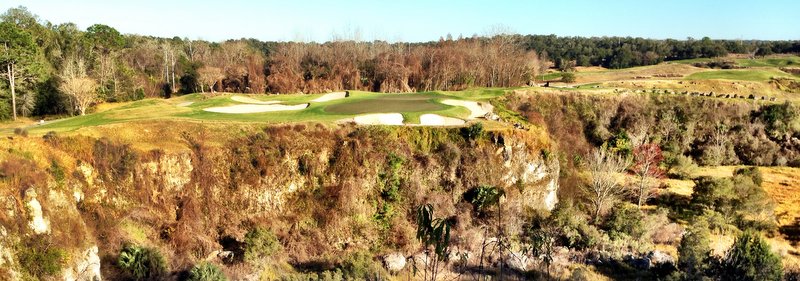
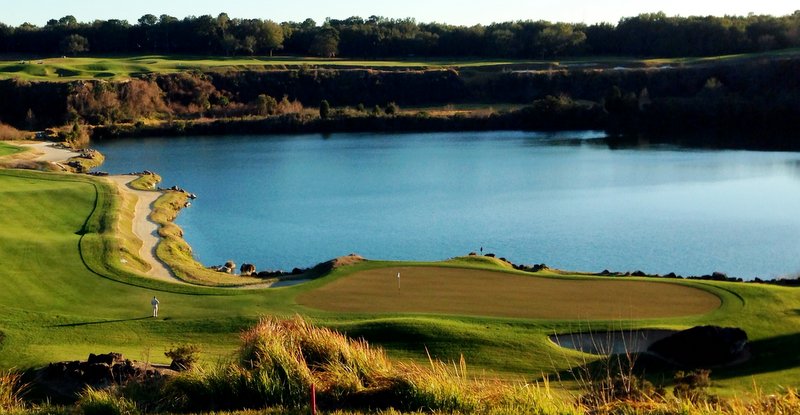
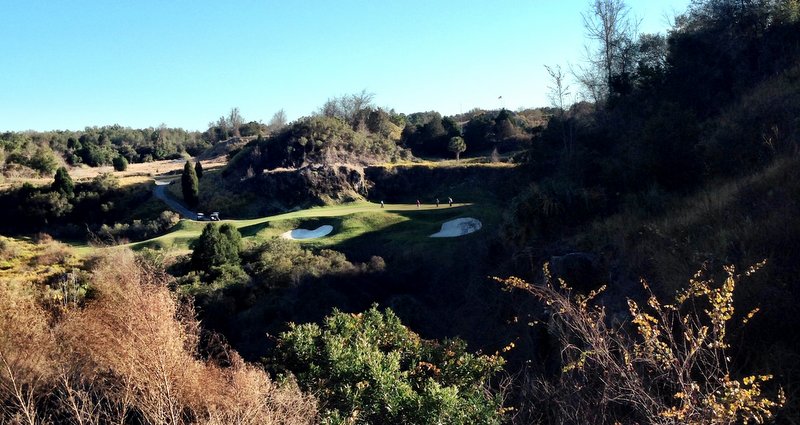
The existence of this second Bob Hacker suggests either that we are living in an episode of the Twilight Zone or that Black Diamond Ranch is a parallel universe of some kind, filled with eerie duplicates of people I know, but with better weather. Photographs of the Quarry Course—one of three on the property, all designed by Tom Fazio—do make it seem otherworldly:

photo 1 photo 3photo 2

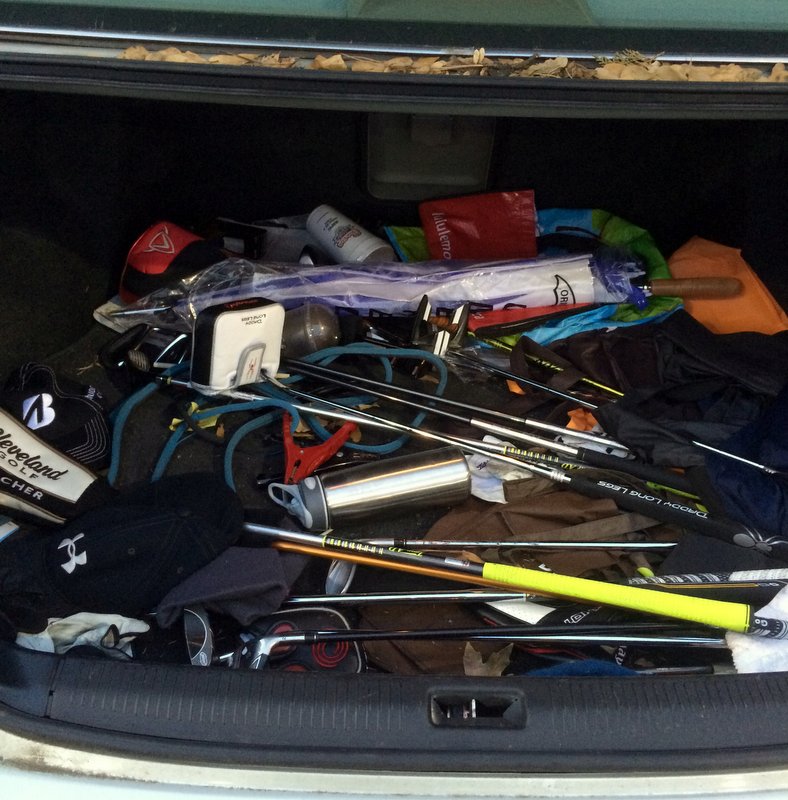
As it happens, the real Hacker and I visited Tony in Atlanta shortly before he went to Florida with those other friends. We played golf at his Atlanta club, about which I’ll probably have something to say at some point, and in the evenings we played the card game setback with Tony’s wife, Teresa, who remained undefeated until we stacked the deck while she was in the kitchen making us something to eat. Anyway, the easiest way to distinguish Tony from his Twilight Zone doppelganger is by checking the trunk of his car, which contains so many golf clubs that he has to keep his golf clubs somewhere else:

photo

World’s Second-Best Golf Club, Part Three: Who’s Who in the Big Dogs

Big Dogs Barney and Riley Tebowing after both birdieing the signature seventh hole on their home course.

Big Dogs Barney and Riley tebowing after both birdieing the signature hole on their home course (No. 7). This is the hole where Jim fell into the lake while trying to chip from the bulkhead.

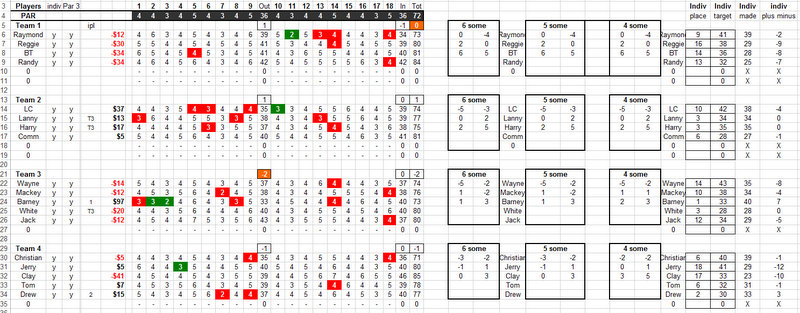
I’ve written a couple of times about the Big Dogs, a regular men’s group at the second-best golf club in the world, in northern Florida. (You can read the previous installments here and here.) The Big Dogs have an attractively complicated regular game, which they call the Dogfight and which they keep track of with both an Excel spreadsheet and a private website. They use their own version of Stableford scoring, and based on it they assign each player what they call a Power Ranking. The player they call the Commandant uses the Power Rankings when making up teams each week. Here’s what one of their spreadsheets looks like:
Fullscreen capture 1232014 91912 AMMike Riley, who introduced me to the Big Dogs, also provided background information on some of the members, along with photos. Here’s Riley:

image

And here are highlights from his report:

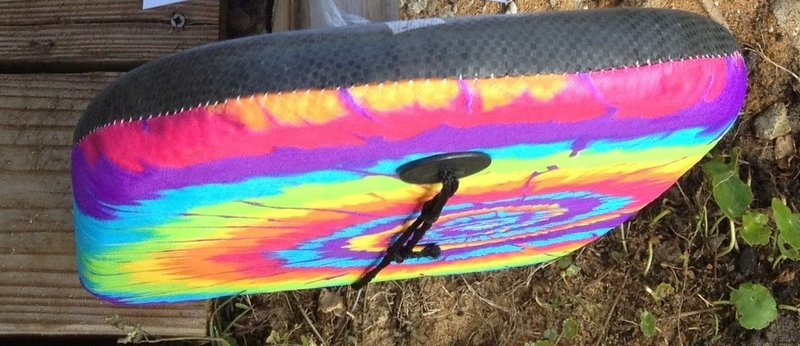
Jim's putterThe putter above belongs to Jim, the player who had to be rescued from the lake. Riley writes: “Jim is an excellent putter. He also has a grill and an ice chest mounted to his cart. He says that when you decide to break a club you should always do it where your other clubs can see it, because that way they’ll be less likely to misbehave. GIT stands for ‘get it there.’ When things are going poorly, Jim says, ‘I don’t know if I’ve had all I can take, but I’ve had all I want.’ He’s a lawyer.” For a couple of weeks after Jim fell into the lake, the Big Dogs hung a life preserver on the bulkhead, in case it happened again:
life preserver

Riley continues: “One of our better players is Brown. During our big invitational one year, he missed short birdie putts on No. 3 and No. 4. After hitting his drive on No. 56, he tied his putter to the back of his cart and let it drag down the cart path for the duration of the hole. We learned that putters do spark when dragged down a concrete cart path. We did not penalize him for changing the characteristics of a club during a round.”
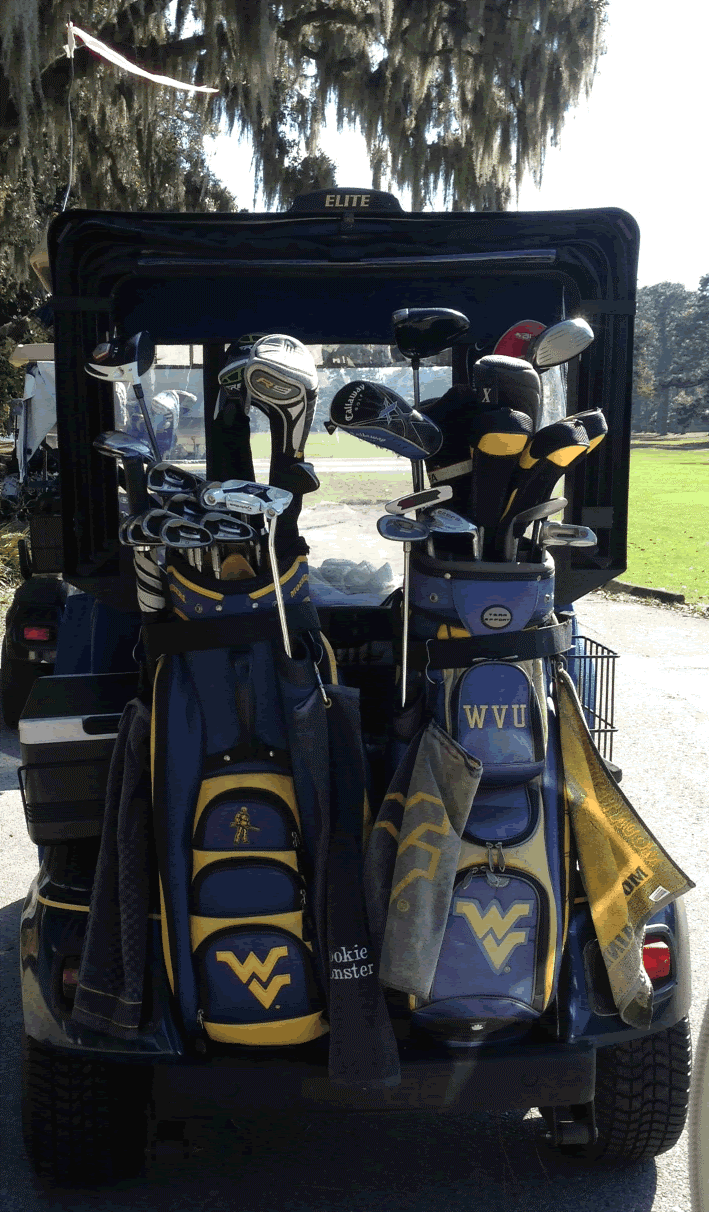
Cart with west virginia bags

The cart in the photo above belongs to the player known as Cookie Monster. The streamer attached to the roof of the golf cart (upper left) is an illegal anemometer. The player known as III (Three) has a much fancier illegal anemometer, attached to his cellphone (see photo below). And that’s Cookie on the right, getting ready to tee off:
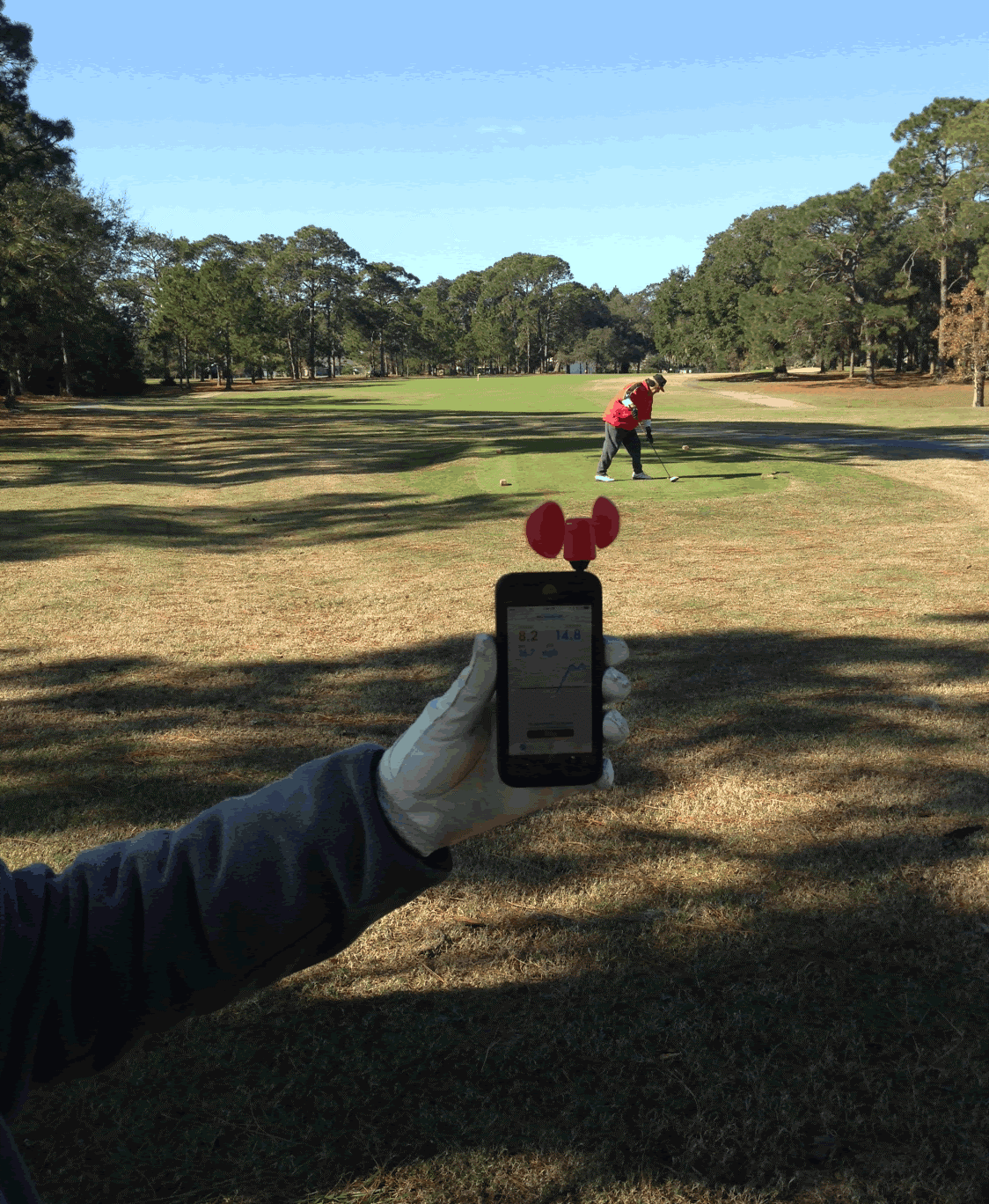
III's wind appRiley adds, “III had personalized golf towels made for ‘everybody who has a nickname.’ [See Cookie’s towel, on his West Virginia golf bag, two photos up.] III also has a tee shirt that he wears into the clubhouse only when he shoots 72 or better.” Here he is, in his tee shirt, with Christian, who was the captain of his team that day:
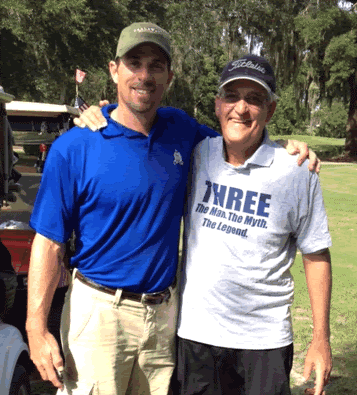
Christian and III

There used to be a subset of the Big Dogs known as the Bottom Feeders. “They were named after fish that feed off the bottom of the Gulf,” Riley writes. “They were the three, four, or five players who fed themselves off the bottom of the Dogfight. This was back when everybody played the blue tees and breaking 80 was a chore. If you broke 80, you were ‘proof,’ which meant that you pushed all your nassaus against anyone else who broke 80, whether you actually beat them or not. If you were a Bottom Feeder, you had to have a sticker on your cart identifying you as such. The Bottom Feeder game no longer exists.”

bottom feeder

At one point, the Big Dogs were embroiled in a fake lawsuit involving Jim and the Bottom Feeders, but it’s too complicated to go into. The case was resolved, more or less, out of court.

Scratching nassaus

The Dogfight is made up partly of two-man nassaus in which everyone plays everyone else. “Players are allowed to scratch matches that they feel aren’t even,” Riley writes. “Some are more liberal than others in their definition of even. You scratch a match by drawing a line through it on the bet sheet.” The players in the photo above are scratching matches before teeing off. From left to right, they are KB, Drew, Mackey, Clay, and Lanny.

Cookie scratching matches on the bet sheet.

Cookie scratching matches on the bet sheet.

Like all golf groups, the Big Dogs have their own lingo. Some examples, with Riley’s explanations:

“I’m playing Friday.” Rob often says this on Tuesday, then never shows on Friday. When anyone says they’re going to do something and you don’t think they have any intention of actually doing it, you say, “O.K., Rob.”

A “cod lock” is any bet where the outcome is almost certain. “Scratch all my Mackey bets” is something that certain players always say because Mackey scratches all bets that aren’t cod locks.”

“Nobody cares if you suck fast.” This is something I told Barney when I joined the Dogfight. It means that if Barney plays fast no one will mind that he sucks at golf. [Similarly, when I took up golf, my friend Jim told me that my terrible shots wouldn’t matter as long as I kept up with everyone else, because “Nobody ever gave a shit about how anybody else played golf.”]

“My long was good but my wide sucked.” Used for a putt with good speed but a bad line. Can also be reversed.

“I got it.” Means “I’m about to hit.” Usually used to indicate that I am about to hit even though it’s not my turn to play. Jerry does this more than anyone else, especially when things are going bad for his team.

“Make a Hoochie knot.” Building a lie by slamming your club into the ground behind your ball, making it easier to deck a driver on a par 5. Brown is the master of this tactic.

James S. Payne, a professor of special education at Ole Miss, where Riley played on the golf team all four years, explains the origin of the Hoochie Knot in this video:

I’d be very interested in learning about local lingo at other golf clubs, either by email or in the comment section, below. I’m also interested, of course, in regular golf groups that routinely have almost as much fun as the Big Dogs and my own Sunday Morning Group.
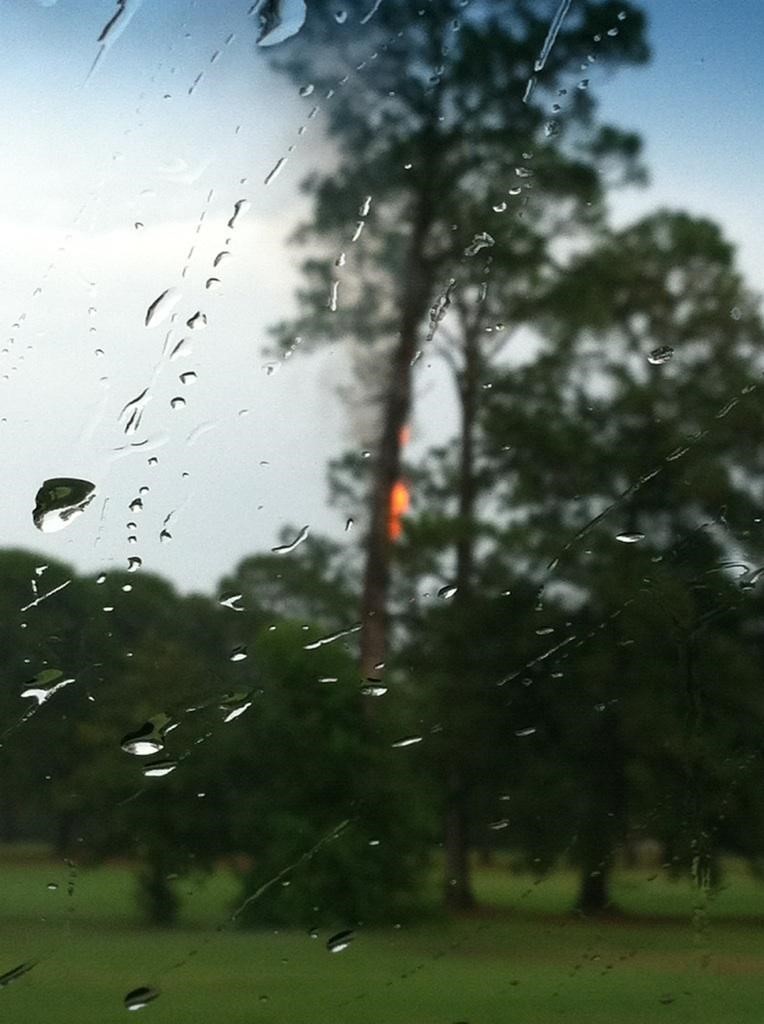
Lightning strike at the world's second-best golf club. All the Big Dogs escaped.
Lightning strike at the world’s second-best golf club. All the Big Dogs escaped.

Reader’s Trip Report: Cruit Island, County Donegal, Ireland
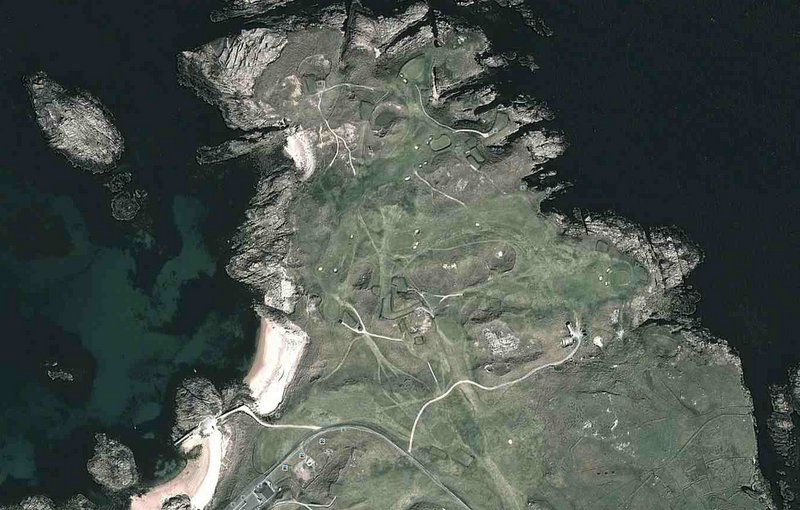
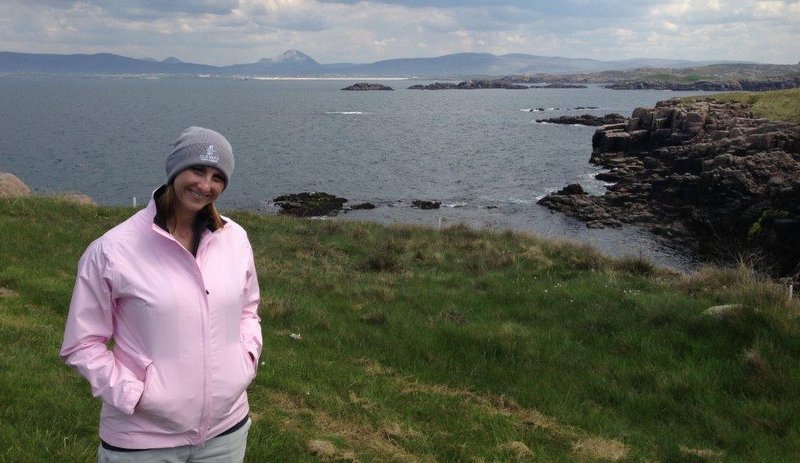
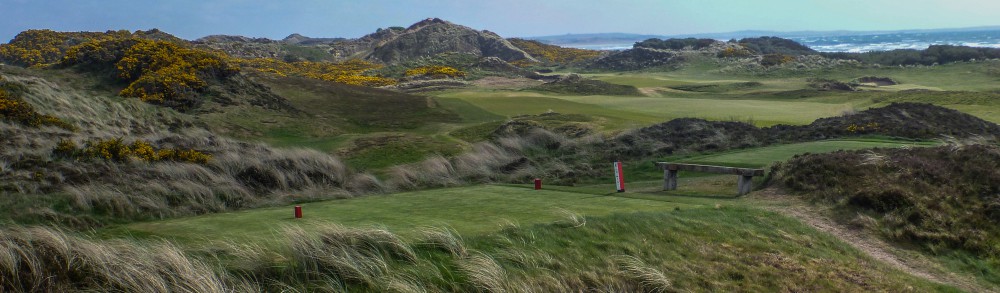
Cruit IslandI’ve taken two golf trips to northwestern Ireland, and I’ve played some of my favorite rounds there, including ones at Carne, Enniscrone, Narin & Portnoo, Portsalon, and Ballyliffin. (You can read about one of those trips here.) Since then, several people have told me I missed a gem: Cruit Island Golf Club, a nine-holer, which lies at the outermost tip of a sparsely populated island that’s connected to the mainland by a causeway. (The drive from Donegal to the golf club is roughly an hour and a half. My rule for estimating driving times on Ireland’s sidewalk-size back roads: think of the kilometers as miles, then multiply by two.)

IMG_2479

Vic Thompson—a reader in southern Illinois and a member of Lake of Egypt Country Club, which I have now moved to No. 1 on my list of the World’s Best-Named Golf Clubs—has played there twice, in 2012 and 2013. Recently, he wrote to urge me to play there, too.

IMG_2490

Excerpts from Thompson’s report:

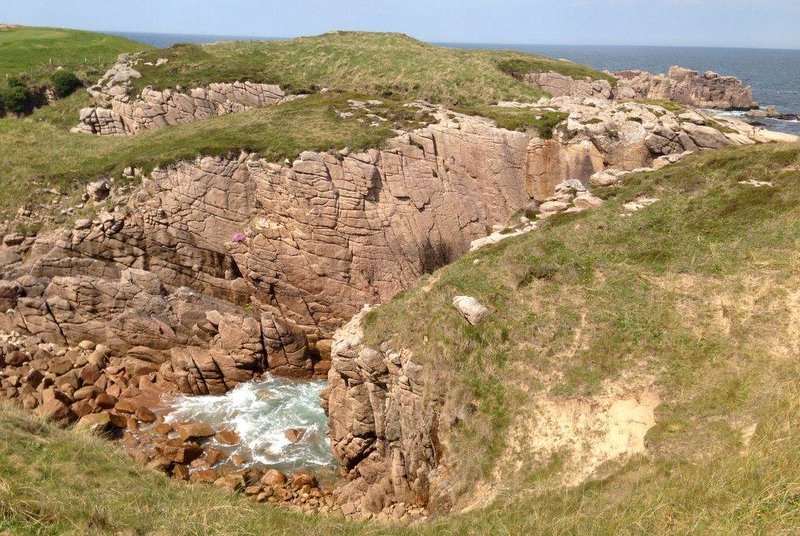
I first traveled to Ireland in 2001 and played the southwestern courses, Lahinch, Ballybunion, Tralee, Waterville, and Old Head. I returned in 2003 (Scotland & Ireland), 2011 (with my wife just to sight-see), 2012, and 2013. Of all the courses I have played in Ireland, Cruit Island—pronounced Critch Island—was the most fun. It has blind tee shots, tee boxes set on top of large high dunes, and great putting greens. The first tee is high atop a dune, giving the golfer a panoramic view of parts of the course as well as the cliffs and ocean. The sixth hole is a 140-yard par 3 that is all carry over a stunning wave-crashing gorge. The scenery is stunning. The azure waters and rocks surrounding the course are breathtaking.

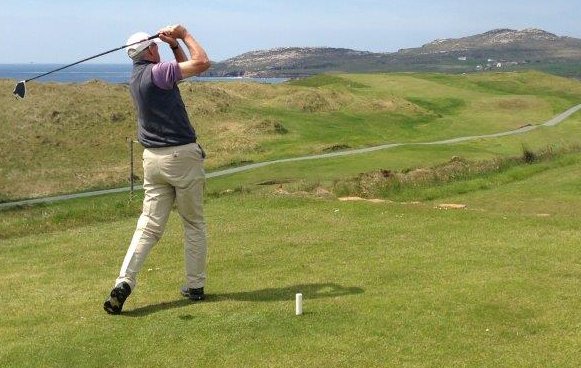
IMG_2488My first visit was in 2012, on a trip with my golf buddy Bob. We were staying at the Lake House Hotel in Portnoo, and one of our hosts recommended that we drive up and see it. We did, and the course manager—who happened to be a relative of another of our hosts at the hotel—invited us to play nine holes and provided us with an electric cart, all at no cost. He was so proud of the course, which opened in 1986, and the more he talked the more excited he became.

IMG_2476I went back with my daughter, Jenny, in 2013. Jimmy said, “We’ll settle up when you finish,” and after our round he said that fifteen euros should take care of it. I thanked  him, and commented that this was the most fun I had ever had on an Irish course. Cruit Island is out of the way, but I recommend putting it on your itinerary. Heck, the drive alone is worth it. 

IMG_2484I’m sold. Let’s go!

DSC00632