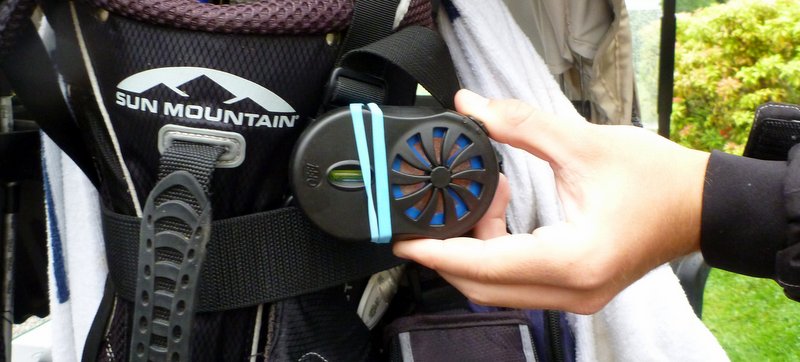
Head-to-Head Match Play Against Mosquitoes and Ticks

clipongolfbag

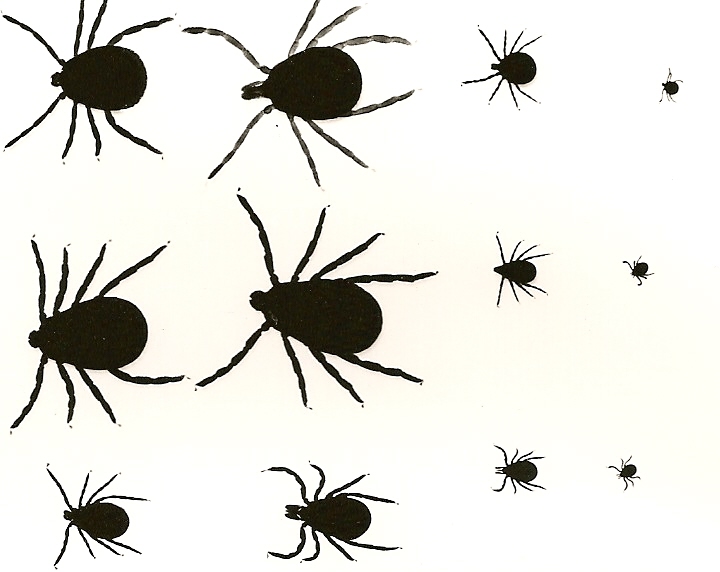
Last month, at the men’s member-guest, I noticed that Michael U. had a cool-looking gadget attached to his golf bag. He told me that it contained a battery-powered fan, which enveloped him and his golf cart with a cloud of mosquito repellent. I was extremely interested, because I don’t like being bitten by mosquitoes, and I’ve been trying extra hard to protect myself against ticks, ever since coming down with Lyme disease for the fifth or sixth time, back in June.
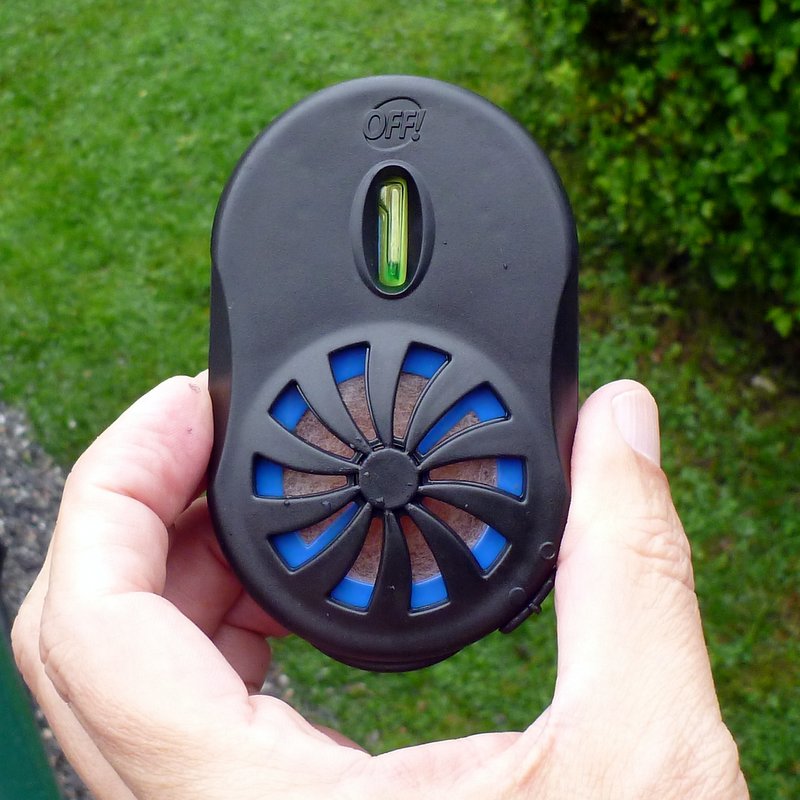
cliponthumbnail

The device is called a Clip-On. The manufacturer—Off!—sent me some to try, along with a couple of other goodies.

I had high hopes for the Clip-On, but it’s actually not well-suited to golf. “If you move,” the instructions say, “allow a few minutes for the unit to rebuild its personal protection.” Any golfer who isn’t moving more often than every few minutes shouldn’t be playing golf. I attached one to the back of my hat, thinking it might keep bugs from circling my head, even while I was walking, but the fan, at that range, was annoyingly loud. And that’s probably just as well, because, according to some virtually invisible fine print on an easy-to-miss part of the packaging, you’re not supposed to inhale the stuff, a chemical called metofluthrin:
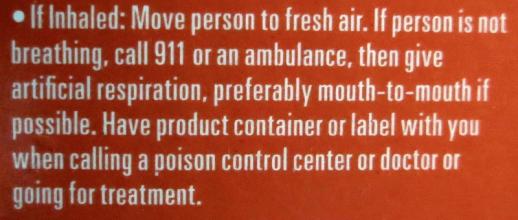
warninglabel

Good luck getting mouth-to-mouth resuscitation from the Sunday Morning Group. And then there’s the cost. A single unit, which is supposed to last “up to” twelve hours, sells for ten bucks on Amazon. Each package includes an envelope labeled “refills”—but it contains just one, and it’s really a “fill,” not a refill, since it’s the only one in the box. Off! does sell actual refills, at roughly $4.25 apiece, but metofluthrin is pricey stuff, since that works out to more than $2,600 an ounce.
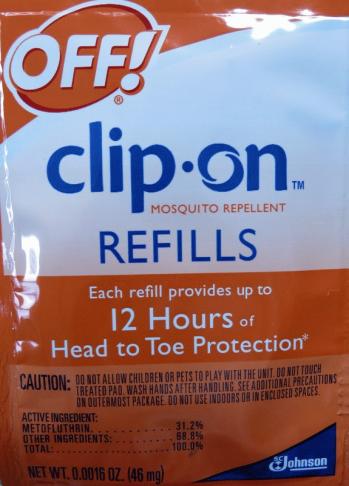
refills

I also tried Off! Explore, a miniature aerosol can of insect repellent in a “crush-resistant” aluminum case. The case has a built-in carabiner, which you can attach to your golf bag:

exploreonbag

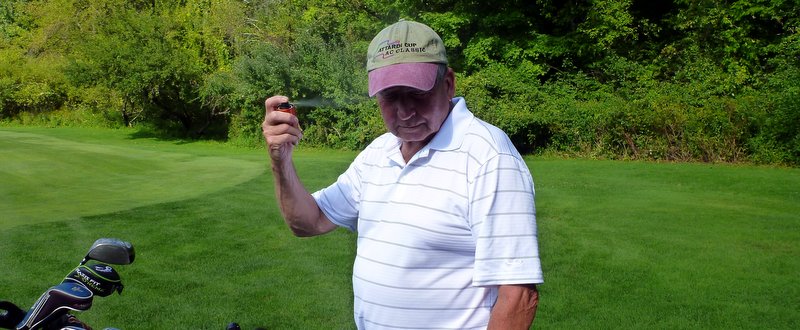
It’s very handy. Here’s Addison loading up his hat — and that’s Hacker (real name) in the background:
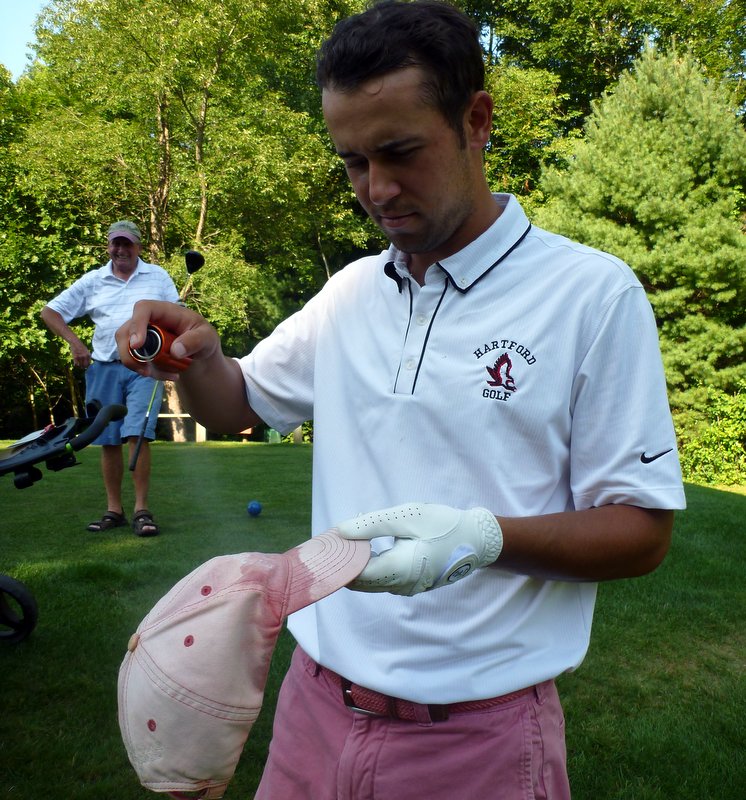
addisonspray

And here’s Hacker himself:

hackerspray

And Explore works great, like all of Off!’s DEET-based insect repellents. But it costs a fortune. A single unit, with case, sells on Amazon for twenty bucks and contains just 1.2 ounces of bug juice. You can buy refills, but they’re expensive, too. So I shopped around and invested instead in some DEET-based repellent sold by Coleman. It doesn’t have a carabiner, but each can has a locking top, so you can keep it in your golf bag without worrying that it’s going to leak. It’s stronger than Off!, and Amazon sells six-ounce cans, in two-packs, for just a bit more than a dollar an ounce:
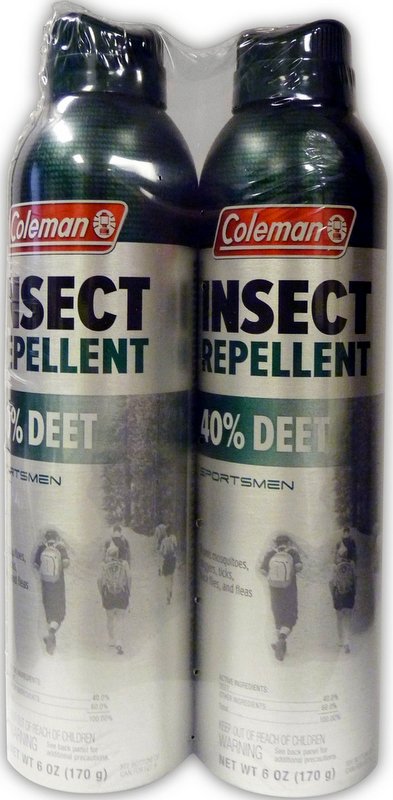
colemantwopack


Golf Problem Solved: Cool Sunglasses for People Who Wear Glasses

Golf_Prebuilt_BannerAt the PGA Golf Merchandise Show a few years ago, I stopped at the booths of several glasses manufacturers and asked about golf sunglasses for guys who have serious trouble finding their glasses if they’re not wearing their glasses, as I do. The responses were depressing. One woman showed me a pair that looked less like the wraparounds you see on tour players than like something you might wear while welding. Here’s my prescription: dlo glasses prescription The stronger a prescription, the harder it is to make it work without distortion in a lens that has a pronounced curve, she said, and her suggested solution was to switch to contacts and wear non-prescription sunglasses over those. I gave up, and bought a pair of distance-only glasses in my regular frames but with gray lenses. When my daughter, who was in her mid-twenties, saw them, she said, “No!”

[I have a picture of this, but I’m not going to show it to you.]

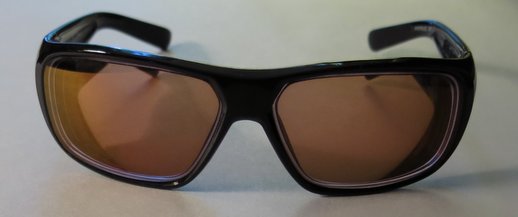
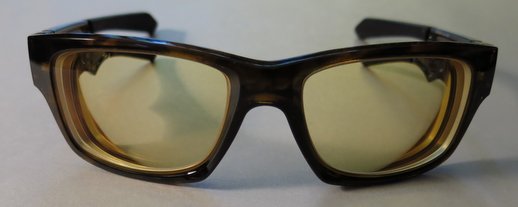
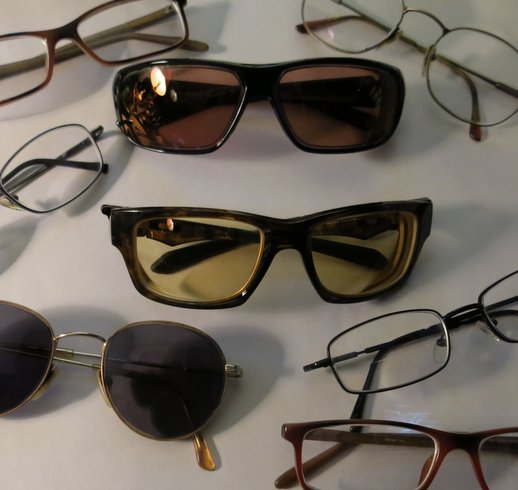
All that was before I talked with Rob Tavakoli, who is a licensed optician and a marketing guy at SportRX, which sells specialized glasses for all kinds of athletic activities. Takavoli is like a golf nut but about glasses; he told me that he’s been obsessed with sunglasses since he was seventeen, or slightly less than half his life, and that when he was twelve he fudged an eye test so that his ophthalmologist would write him a prescription he didn’t need. takivoli Two of Tavakoli’s specialties are sports-specific glasses and sports-specific glasses for people with strong prescriptions, like me. (SportRX employs a technician who specializes in high corrections—a rarity for companies that sell sports glasses, because getting everything right can be complicated and time-consuming.) Thanks to Tavakoli, I now have two pairs, one by Nike and one by Oakley. Both have lenses that are meant for golf—especially for ball-tracking and green-reading—and both are “photochromic,” which means that they lighten and darken in response to changes in ambient sunlight levels. The Nike glasses, whose frames are called Mercurial 6.0, have lenses with a rose copper tint, which becomes quite dark in bright sunlight: nikemercurial The Oakley glasses, whose frames are called Jupiter Squared, have lenses with a lighter, amber-brown tint, and are meant especially for times when sunlight levels are low: early morning, late afternoon, and in the rain—although they darken considerably in bright conditions. (Gray lenses are not good for golf, but they’re good for fishing.)  oakleyjupiter There are other possible frame choices for people like me, and there are many, many additional choices for people whose prescriptions are less daunting. I now consider both my pairs to be part of my golf equipment, and I keep them in my golf bag in hard cases with zippers: zerouv case An unexpected benefit of using both pairs of glasses is that they provide much better protection from the wind than my old sunglasses did, so that on that on blustery days I no longer seem to me crying over my terrible shots. I was grateful for that during my recent buddies trip to Scotland and Ireland, where the wind blows almost all the time, and it’s also a useful feature here at home, where, at the moment, clouds of pollen explode from the pine trees every time someone shanks one into the boughs. And an unexpected benefit of the darker lenses is that match-play opponents have no idea I’m giving them the evil eye while they’re trying to putt. Here I am in my Nike glasses on a sunny day at Machrihanish last month: machrihanishdloIf you have a current prescription, you can order glasses optimized for particular activities directly from the SportRX website, with telephone or online help if you need it. (The website has a helpful “Search by RX” utility, which identifies frames that will work with your prescription—although if your prescription is high enough you will need to call.) One thing you have to do before ordering glasses with corrective lenses is to measure your “pupillary distance,” or the space from eye to eye, but that’s easy to do if you have a ruler, a mirror, and a camera or phone: IMG_1249-001 My personal glasses collection is extensive: progressives, bifocals, reading glasses, computer glasses, backup distance glasses, ancient sunglasses just for driving—plus my two new pairs of golf glasses, which are my favorites and which I would wear all the time if I thought I could get away with it.  collection
What’s In My Bag: Lyme Disease Edition

ticks

At the U.S. Open at Shinnecock in 1995, a rumor went around that a well-known sportswriter had Lyme disease. The sportswriter was famous for covering tournaments without actually setting foot on the course, and someone commented that the only way he could have gotten Lyme disease was if you could get it from limes. 

Now I have it. Lyme is so common where I live that I don’t remember whether this is the fifth time or the sixth. I’ve become pretty good at self-diagnosis, although as I’ve gotten older I’ve noticed that the symptoms of Lyme (including achy joints, fatigue, and tingly arms and legs) can be hard to distinguish from the symptoms of middle age. At any rate, two days after my brother’s member-guest, I developed a fever of 100-plus, in addition to all the other stuff. I’ve been taking doxycycline twice a day since then.

doxy

Doxycycline has an annoying side effect: it makes your skin extraordinarily sensitive to sunlight. I learned that the hard way a dozen years ago, when I got Lyme in October. I forgot all about the sun problem, played golf for two days in southern New Jersey without sunscreen, and wondered why my face and lips were burning—a problem that took days, or possibly weeks, to go away. This time, I’m being careful to wear long pants, long sleeves, rain gloves, and a hat, plus plenty of sunscreen.

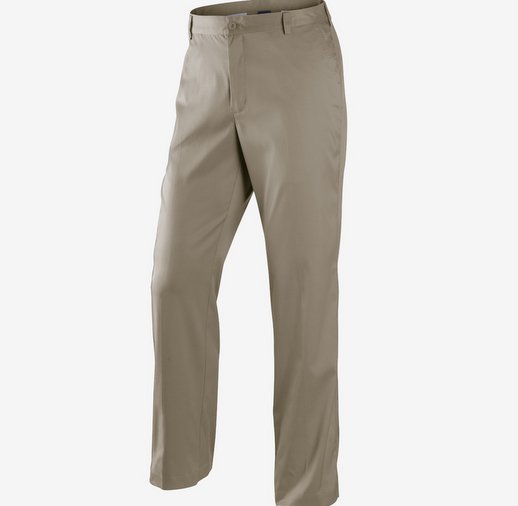
The long pants are good for tick protection, too. I bought two new pairs: some Nike Dri-Fit pants—in a color called “bone”—which I already owned in black:

nike pants

And these “insect-blocker” pants, from Columbia, which are impregnated with the insecticide permethrin. I ordered them from REI. One of the reviewers on the REI website had complained that the pants seemed too lightweight to stand up to rugged hiking, but that’s a good thing for summer golf. (REI members receive rebates on purchases. Memberships last for life, and I joined more than 40 years ago, when I was in high school and my goal was to become a mountain man/poet, but I hadn’t ordered anything since. A customer service representative found my membership number almost immediately, by searching for my parents’ old phone number.)

bug pants

I was worried at first that the other guys at the club would call me “Permethrin Pants” when I showed up without shorts, but so far everybody’s been pretty decent.

Permethrin tag

Surprising Golf Accessory: “Grandpa, is that a cloth Kleenex?”

One of my wife’s nieces visited us for Easter, and I reminded her that when she was 11 she saw her grandfather using a handkerchief and asked, with astonishment, “Is that a cloth Kleenex?” A couple of years ago, I myself became a cloth-Kleenex-user, especially while playing golf, and especially during allergy season—which for me is pretty much every season. As a result, I’ve stopped blowing my nose on my golf towel and wiping it on my rain gloves, among other behavior upgrades

handkerchief

Recently, I found some inexpensive cotton handkerchiefs that I really like. They’re called Umo Lorenzo (of all things), and on Amazon you can buy them for twelve dollars a dozen, including shipping. I try to remember to put at least one in my pocket before I leave for the golf course, and I keep a few more in my golf bag, in case I forget. The other day, I accidentally dropped one near a green, and Tim picked it up, very carefully, by pinching just the tiniest end of one corner, and gave it back to me.

umo

The handkerchiefs in my golf bag I keep in a small food-storage container made by a company called Lock & Lock. I learned about Lock & Lock containers a few years ago from a guy I used to play bridge with, and my wife and I now have two or three dozen, in many sizes. They’re so watertight and airtight that geocachers use them to geocache stuff in. (If anyone ever accuses you of playing a dumb game, tell them about geocaching.) I keep three handkerchiefs in an eleven-ounce one; two range-finder batteries, two camera batteries, and a glasses screwdriver in a six-ounce one; and some Band-Aids, a jar of Advil, a tiny thing of Purell, and a microfiber glasses-cleaning cloth in another 6-ounce one. The containers are heavier than Zip-Lock bags, but not a lot heavier—the smaller ones weigh just 2.3 ounces each, empty—and they last forever.

boxes

Which Hacker is the Real Hacker (Real Name)?

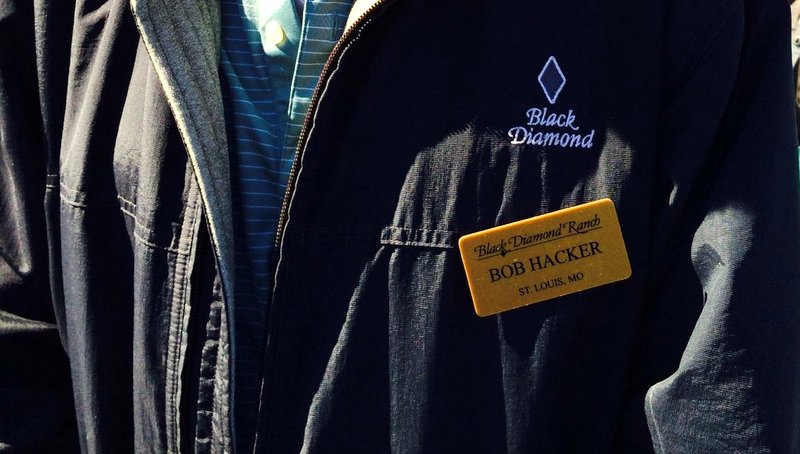
IMG_0398The person I play the most golf with is Bob Hacker, a.k.a. “Hacker (real name),” on the left in the photo above, which was taken last winter at Pelham Bay Golf Course, in the Bronx. (That’s me on the right.) He is also the person primarily responsible for managing the Sunday Morning Group and its finances, and is therefore widely believed to be the chairman of the Committee, the mysterious but all-powerful body that governs everything we do. He is unique—or so I thought until recently, when Tony, who is the person I play the second most golf with and is the co-inventor, with me, of the Hybrid Lifestyle, sent me a photograph of a starter at the Black Diamond Golf Ranch, in Lecanto, Florida, where he had gone to play golf with his Atlanta friends, who are richer, smarter, and better-looking than we are:

IMG950651

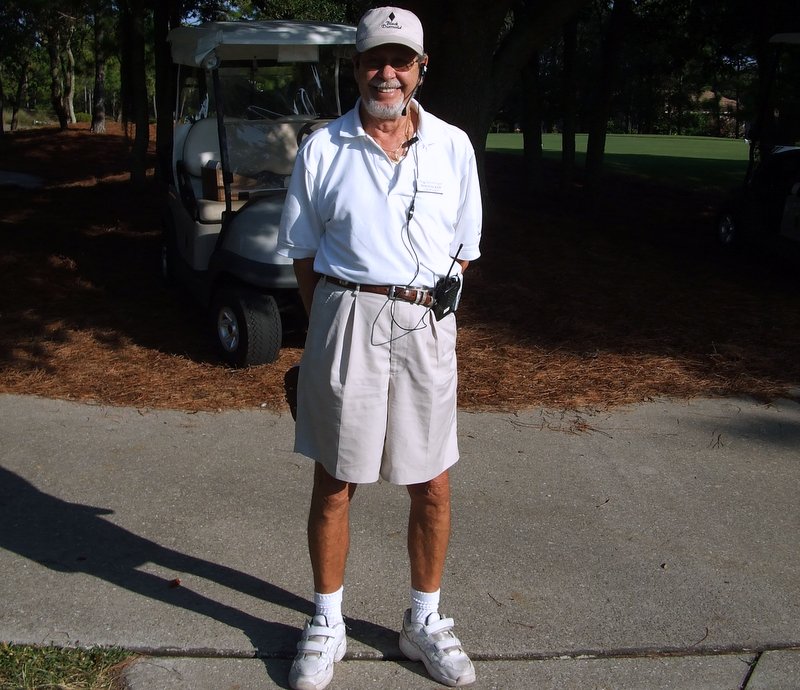
That’s just part of him, obviously. Doug Egly, who is Black Diamond’s general manager, sent me this photo of him in his entirety:

2007 Hacker, Bob

The existence of this second Bob Hacker suggests either that we are living in an episode of the Twilight Zone or that Black Diamond Ranch is a parallel universe of some kind, filled with eerie duplicates of people I know, but with better weather. Photographs of the Quarry Course—one of three on the property, all designed by Tom Fazio—do make it seem otherworldly:

photo 1 photo 3photo 2

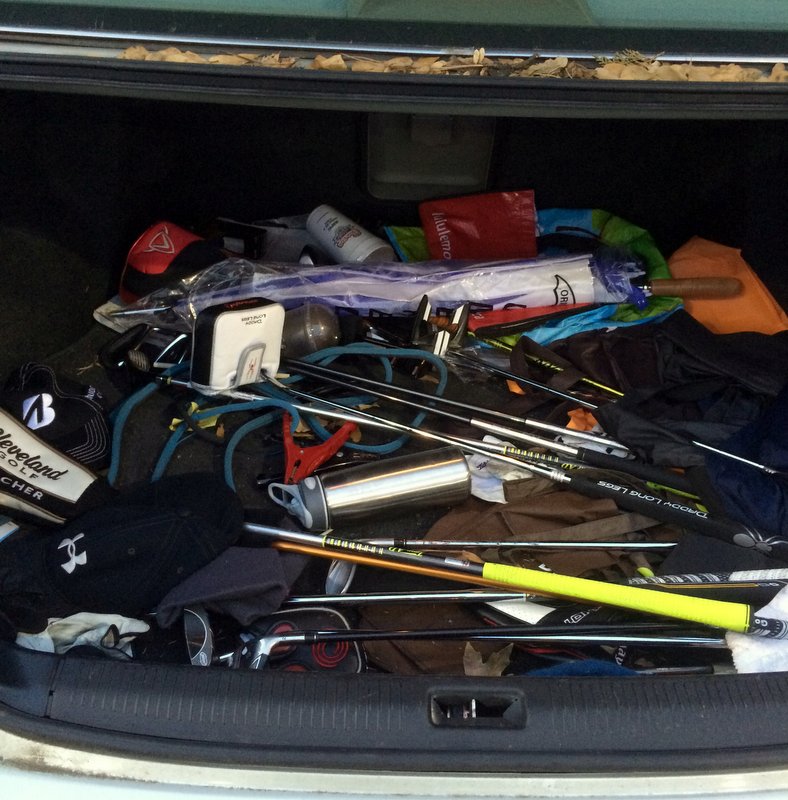
As it happens, the real Hacker and I visited Tony in Atlanta shortly before he went to Florida with those other friends. We played golf at his Atlanta club, about which I’ll probably have something to say at some point, and in the evenings we played the card game setback with Tony’s wife, Teresa, who remained undefeated until we stacked the deck while she was in the kitchen making us something to eat. Anyway, the easiest way to distinguish Tony from his Twilight Zone doppelganger is by checking the trunk of his car, which contains so many golf clubs that he has to keep his golf clubs somewhere else:

photo

What’s In My Bag, Part Five: Awesome New Putter

Daddy LLTony bought a new putter and told me he couldn’t miss anything with it. I tried it and couldn’t miss anything with it, either. Then Tony went on a golf-free trip with his wife. I asked him if I could use his putter while he was gone (and keep it if anything happened to him on the trip). He said I could, and told me where to find the key to his garage—unnecessarily, it turned out:

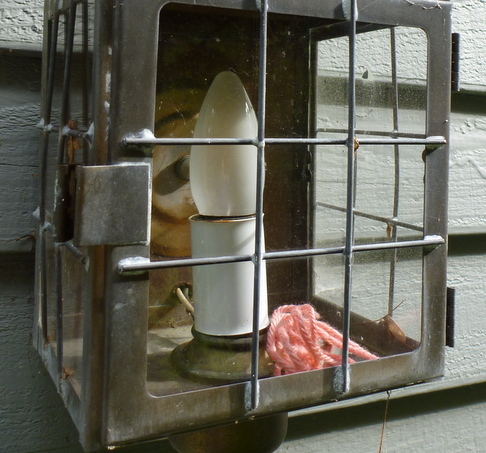
Tony's wife, Teresa, tied pink yarn to the key, to make it easier for burglars to find.

Tony’s wife, Teresa, tied pink yarn to the key, to make it easier for burglars to see. Like them, I spotted it immediately.

New putters always work for a day or two, but Tony’s putter worked for the entire time he was gone, and just before he got back I bought one for myself. Meanwhile, Chic—entirely independently—went to Golfers’ Warehouse, as an alternative to throwing himself off Bad Putters’ Leap, and, after trying every putter in the store, he came home with one, too. That made three of us, and I just learned that Dan now has one as well.

DLL

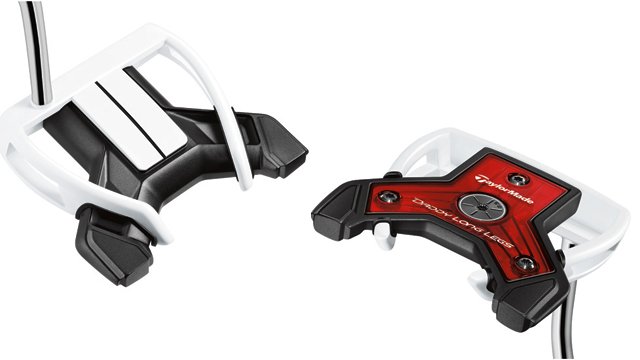
The putter is the Daddy Long Legs, by TaylorMade. The company has scientific-sounding explanations for why it works so well, but, for all I know, they make that stuff up. Whatever the real reasons are, it’s by far the best putter I’ve ever owned. It comes in two sizes—one with a thirty-five-inch shaft, and one with a thirty-eight-inch shaft—and I now own both.

Tony and his Daddy Long Legs, on the way to winning the senior division of a local amateur tournament back in July.

Tony and his Daddy Long Legs, on the way to winning the senior division of the Danbury Amateur, back in July.

There’s an old guy at our club who putts with an Acushnet Bullseye, which he recently re-gripped with electrical tape and what looks like tennis-racket tape. That’s ridiculous! It’s a piece of crap! It’s been obsolete for decades!

bullseye

Back in the early nineteen-nineties, I spent some time with the late Karsten Solheim, the founder of Ping and the inventor of perimeter-weighted putters and irons. Solheim took up golf in the nineteen-fifties, while he was working at General Electric. He putted poorly, but he decided, eventually, that his difficulties were primarily the fault of his equipment. Most putters of that era, including the Bullseye, had heads that were uniform in thickness, so that the weight was evenly distributed from one end to the other. “Hitting a golf ball with one of those putters is like hitting a tennis ball with a Ping-Pong paddle,” he told me. “The weight isn’t in the right places, and it twists in your hands.” In his garage, he took a small rectangular aluminum bar and attached a lead weight to either end. He then attached a shaft near the center of the aluminum bar. With this crude club, he went to the practice green, and found he didn’t have to hit a ball in exactly the right place in order to make it go straight.

Patent drawing for Karsten Solheim's original heel-and-toe-weighted putter,

Patent drawing for Karsten Solheim’s original heel-and-toe-weighted putter, 1962.

Solheim made various refinements, and hawked his putters at tour events. His big break came in 1967, when Julius Boros won the Phoenix Open with a model called the Anser.  (The name had been suggested by Karsten’s wife, Louise, with the idea that the putter would provide an “answer” to Arnold Palmer, who had been unmoved by one of her husband’s demonstrations. Solheim had to leave out the w to fit the name on the back of the putter head.) All modern putters embody his ideas about weighting, in one form or another. And the Daddy Long Legs takes those ideas to a new level.

Karsten and Louise Solheim.

Karsten and Louise Solheim and their wares, early nineteen-sixties.

Or so I assume. At any rate, I love my new putter and, no, you can’t borrow it. You can’t steal it, either, because unlike Tony I don’t keep it in my garage.

(Read Part OnePart Two, Part Three, and Part Four.)

What's In My Bag?

What’s In My Bag?

This is the Best Golf Towel, and I’m Not Kidding

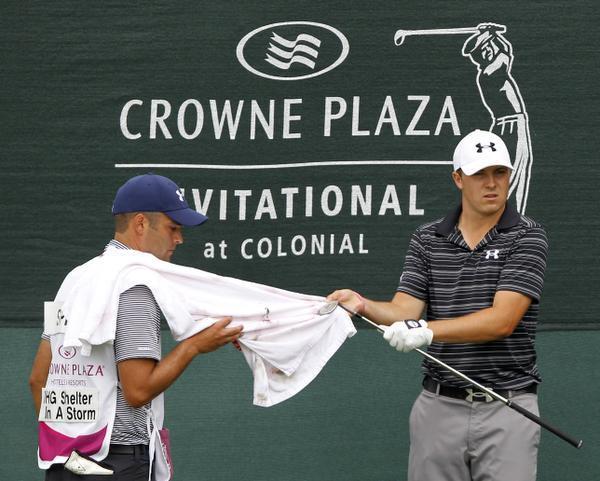
Caddie, towel, J.J. Henry, May, 2013.

Caddie, towel, Jordan Spieth, May, 2013.

Ten or fifteen years ago, I noticed that good golfers (or their caddies) often carry a bath-size white towel, which they drape over the top of their bag (or their neck), and carry onto the green with their putter. Conversely, bad golfers often carry a small, neatly folded, souvenir-type golf towel tucked into their belt. I didn’t want to look like a bad golfer, so I snuck a white bath towel out of our linen closet and draped it over the top of my bag. Every three or four holes, someone in another group would holler, “Hey, did one of you drop a towel?” After a couple of rounds, I gave up, and went back to using a normal, souvenir-type golf towel, although I clipped it to my bag rather than tucking it into my belt.

Addison, 2013 Connecticut Open, Torrington Country Club.

Addison, 2013 Connecticut Open, Torrington Country Club.

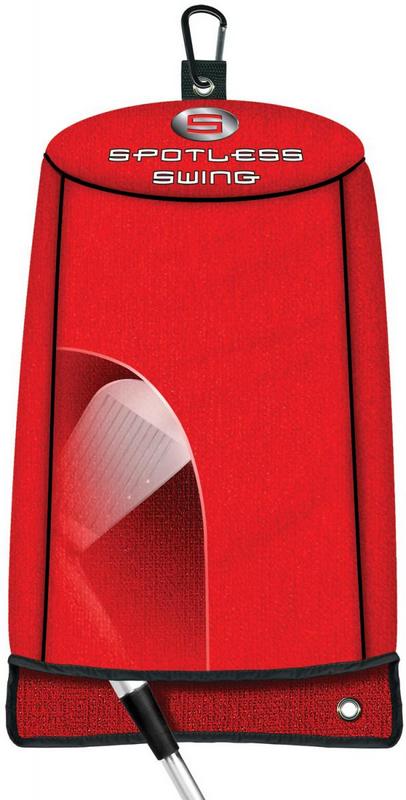
At the P.G.A. Golf Merchandise Show a couple of years ago, I met some guys from Colorado who sell a golf towel called Spotless Swing. I talked them into giving me one, and I like it so much that, recently, I talked them into giving me another. Both of them are now attached to my bag, one red and one black, and because I have two I don’t have to waste a lot groping around when I feel like cleaning my clubs—which, to be perfectly honest, isn’t as often as it should be.

SS_HP ad 8_5X11 R10

A Spotless Swing towel has two features I like a lot. The first is that it’s constructed sort of like a fez. You stuck a clubhead inside it to clean it or dry it, and that protects your hand from whatever you’re trying to remove. The second is that part of the inside is made of a coarse plastic material, which is almost as good as a wire brush at getting crud out of your grooves.
Spotless Swing golf towel

Don’t tuck it into your belt, though. It comes with a little carabiner, which you can use to clip it to your bag.

Reese and Vi (Addison's parents, with supplemental towels), Denise, Hacker (real name) in Addison's gallery at the 2013 Connecticut Open.

Reese and Vi (Addison’s parents, with supplemental towels), Denise, Hacker (real name), in Addison’s gallery at the 2013 Connecticut Open.


What’s In My Bag: Bruno Corbeil

No Baby Driver here. In fact, no driver at all.

No Baby Driver here. In fact, no driver at all.

Bruno Corbeil, a reader in Montreal, writes:

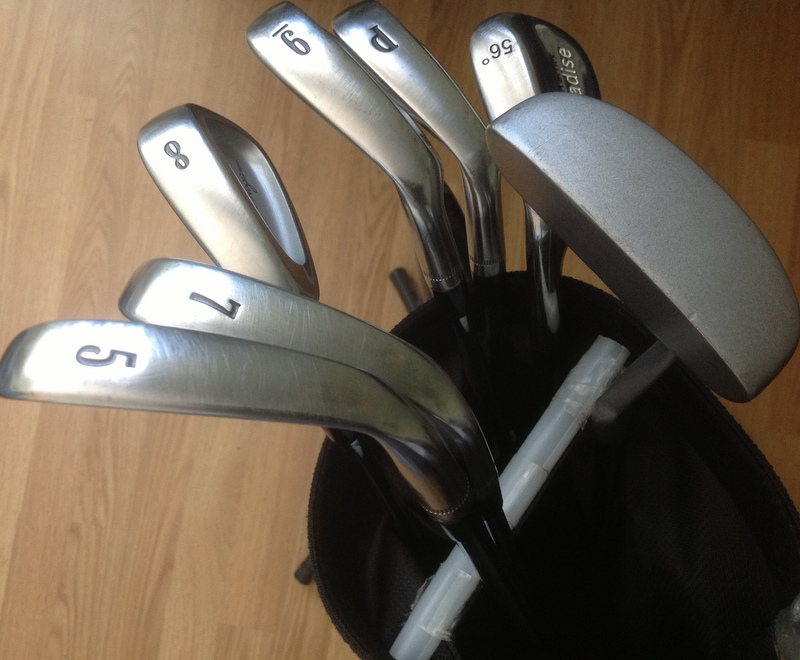
As I play mostly par-3 courses, with my kids, I carry a light Sunday bag with about seven clubs in it. I do it mostly because I don’t need a whole set, and also because I have grown to like carrying my bag.  I also hate playing the same course over and over again, so I have built a schedule that lets me play about six different ones in rotation, over the course of a season. This means that, depending on which course I’m playing, I need to decide which clubs I’ll bench for the week. I do have a whole set of irons (Ben Hogan BH-5), from pitching wedge through 3-iron. The sand wedge and my putter are both from Paradise. However, when I’m playing a small par-3 course, my usual set is S-5 and putter. Depending on the length of some holes and the weather, I’ll swap the 5-iron for a 4-iron or a 6-iron.  If I’m playing a course without bunkers, I might bench the sand wedge. I have tried some hybrid clubs but being more of an iron player than a wood player. My workhorse on regular-length courses has always been the 3-iron. Maybe a hybrid with a steel shaft might be a more pleasurable experience.

ATTDMLI2

Seven is a very reasonable number of clubs. My friend Tony once won our club championship with exactly that many, and Francis Ouimet won the 1913 U.S. Open, at The Country Club, in Brookline, Massachusetts, with just three more—and all of Ouimet’s had hickory shafts. In 1913, there was no rule limiting the number of clubs a player could carry, so Ouimet could have used twenty or thirty, as some players in those days did. Maybe he lightened his bag out of consideration for his caddie, Eddie Lowery, who was just ten years old.

Francis Ouimet (with horseshoe) and Eddie Lowery (with towel and seven-club golf bag), The Country Club, September 20, 1913.

Francis Ouimet (to the left of the horseshoe) and Eddie Lowery (with towel and seven-club golf bag), The Country Club, September 20, 1913.

Corbeil continues:

This summer, we went on a car tour of western Canada, and I took the opportunity to play golf in all the western provinces (Manitoba, Saskatchewan, Alberta and British Columbia).  Par-3 seemed the right choice as it didn’t not require much time to play, and would allow me to play with the kids and play after driving some 400 miles and still have somewhat of a game. That little Sunday bag—or those little Sunday bags, as the whole family has them—didn’t take up too much space in the car, and allowed us, if we chose wisely, to have our essential clubs to play the Par 3 golf courses.

Here’s a picture of Corbeil and his family on a par-3 course in Calgary:

100_1529

On a November weekend quite a few years ago, the Sunday Morning Group imposed a five-club limit on the day’s competition, as a novelty. I chose my putter, sand wedge, 8-iron, 6-iron, and 3-wood—a fairly typical line-up, it turned out. (This was before I’d become an almost total convert to hybrids.) Surprisingly, I shot about what I usually shoot, and so did everyone else. In fact, the score of the winning team that morning was two shots better than the score of the winning team the week before, when we had observed no limit on hand luggage more stringent than the U.S.G.A.’s. Still more unsettling, our course superintendent played along for a few holes with just an antique adjustable club, which he had set to 6-iron, and he would have won two skins if we hadn’t ungraciously disqualified him after the fact.

The day’s results lent a meditative air to the beer-swilling after the round. “Maybe we ought to play with five clubs all the time,” someone said—and the comment, unlike most post-round comments, was considered thoughtfully. Someone else pointed out that the scores during our club’s annual two-club tournament, which had been held a few weeks before, had been indistinguishable from regular scores—except for guy who had managed to post a new personal best.

Maybe the number of clubs we carry is less important than the selection. Five clubs may truly be all I need—as long as none of the five is the elusive Unhittable Club of the Day (U.C.D.), which moves unpredictably around my golf bag and was recently, for no known reason, my brand-new 60-degree wedge.

What’s In My Bag: I Bought New Wedges!

Now retired: the 52- and 60-degree wedges I bought in 2005.

Now retired: the 52- and 60-degree wedges I bought in 2005. The grass and dirt you see in the grooves on the 52 were an integral part of the clubface.

Last week, as several friends and I approached the midpoint of a thirty-six-hole day, Kevin looked in my golf bag and said, “You really ought to get new wedges.” Because I do anything that people in their twenties tell me to do, I went into the golf shop between rounds and came out with two Cleveland 588-RTXs, their heads and grips still wrapped in plastic. I liked them so much that, two days later, I bought a third, and made room for it in my bag by moving my 3-hybrid into the trunk of my car. And Corey, our pro, said I really ought to replace my wedges every couple of years, so I’ve now added “BUY BUY BUY” to July 1 in my calendar in every odd-numbered year between now and the end of time.

I’m still getting used to my new clubs. The ball checks up more than it did with the old ones, even from light rough, so I’ve had to make some adjustments—although worrying about excessive backspin, for a golfer like me, is like worrying about having too many interesting things to say to Jennifer Anniston. Most of the time, I don’t even bother to clean my grooves, never mind using them to terrorize my opponents.

My new wedges. I bought the 52, 56, and 60.

My new wedges. I bought the 52, 56, and 60.

The pros sometimes cause trouble for themselves by spinning their shots too much, but it’s hard for an average player to think of that as a problem. If every approach I hit came zipping back into a bunker, I’d feel as proud as if I’d taught myself to breathe underwater. Anybody can accidentally hit the ball close to the hole; the awesome thing is to look like you’ve got an inside line on the laws of physics. I myself manage it occasionally—usually from a bunker, or on a day when the greens are soft, or when I’ve swayed so far forward during my downswing that I’ve unexpectedly hit my ball before hitting the ground—and it’s always a thrill.

Even in its truly malignant forms, ball rotation can be exciting. I once played a round with a guy who had a two-fairway slice. His wife was riding in the cart with him, and she’d never seen him play before, and when he hit an unusually spectacular banana she gasped, “How do you make the ball curve like that?” A slice is just backspin lying on its side, so we should treat it the way the guy’s wife did: with respect.

I can think of only one thing that would make me happier than routinely making balls shift into reverse. Some winter, I want the Sunday Morning Group to hire a couple of high-school kids to meet with us every weekend, in the club hall, and teach us double dutch jump rope. We’ll work and work and practice and practice, and then, at the big cocktail party in the spring, we’ll suddenly break into our routine—a dozen overweight middle-aged men doing snappers and caterpillars and buck splits and scissor jumps. We’ll blow everybody away. Here’s what we’ll look like (age-adjusted):

What’s In My Bag: Dana McQueen

This is an aerial view of Tony's and my match this afternoon. We're somewhere there near the center of the map.

This is an aerial view of Tony’s and my match today. We’re somewhere near the center of that big green-and-orange thing.

Tony and I happily played anotherA statewide tournament that I was supposed to play in tomorrow has been postponed because the rain that was falling when Tony and I played is expected to continue through the night. I was actually looking forward to slogging around all morning, then loading my soaking-wet golf bag into my travel case, racing a hundred miles to Newark Liberty International Airport without a shower, and taking a night flight to Kansas City to play golf on a Golf Digest assignment and visit my mother. In fact, my only chance to finish the tournament above the middle of the field was probably to go off in a downpour, since I actually like playing when the people I’m competing with don’t.

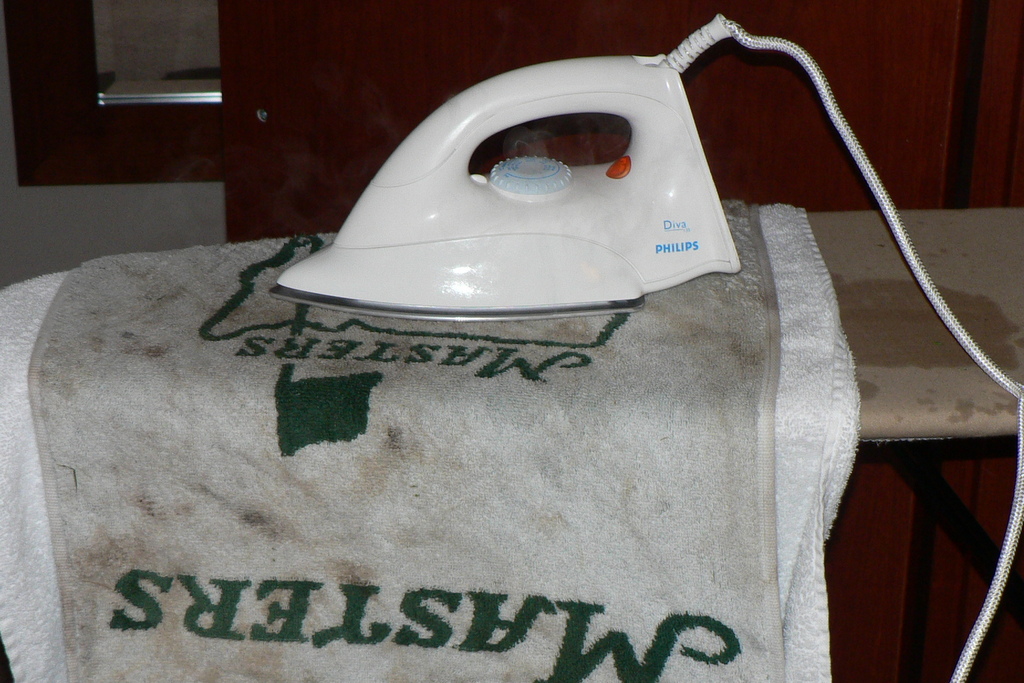
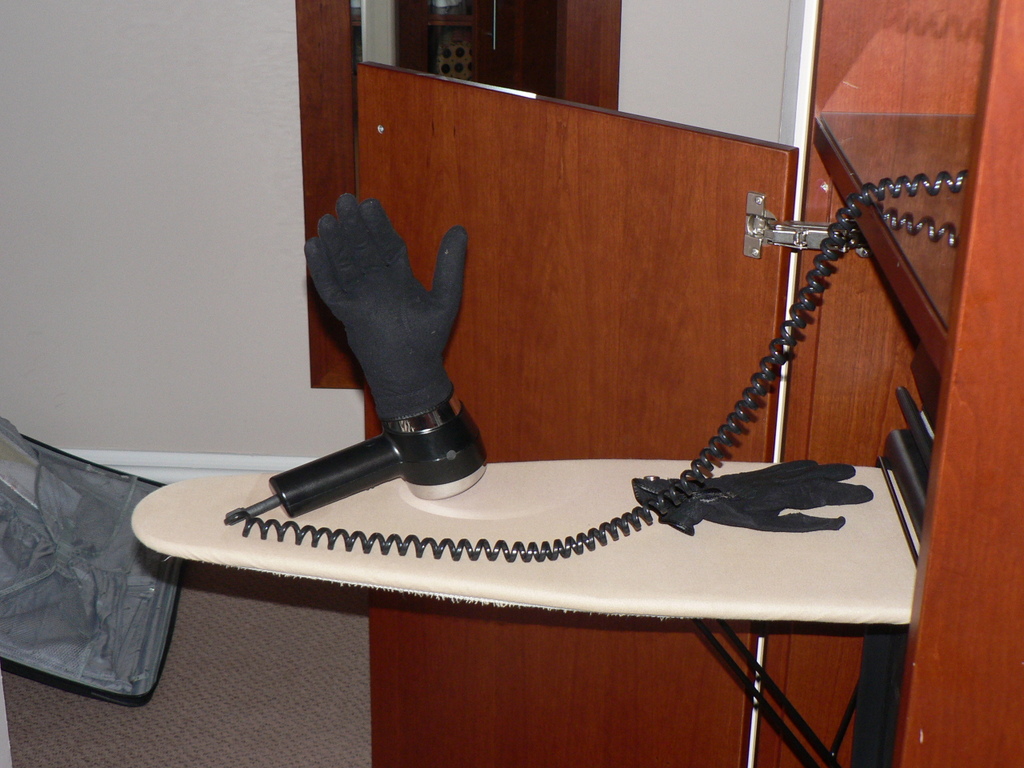
In 2006, I took back-to-back golf trips to Dubai and Ireland. During the Ireland portion of that two-climate packing adventure, I learned how to dry wet golf stuff with a hotel-room iron and hairdryer (after first blotting up the worst of the water by rolling up everything in bath towels and stomping):

Doing this produced tremendous clouds of steam. Getting the towel half dry took forever.

Doing this produced tremendous clouds of steam. Getting the towel half dry took forever.

Before using the hairdryer, I tried drying my rain pants in my room's heated trouser press, but that didn't work.

Before using the hairdryer, I tried drying my rain pants in my room’s heated trouser press. That didn’t work.

Rain gloves don't really need to be dry, but if you have the equipment why not?

Rain gloves don’t need to be dry, but if you have the equipment why not?

The hotel was in Killarney, and the golf course where I got so wet was Tralee—which is seldom ranked among the very best courses in Ireland but is plenty nice enough and is almost certainly the best course that Arnold Palmer ever designed. (It opened in 1985.) As we approached the middle of the (terrific) second nine, the wind reached the velocity necessary to propel liquid water through the fabric of my previously reliable Sunderland of Scotland rainsuit, and I stopped trying to clean my glasses between shots. It wasn’t just the worst weather I’d ever played golf in; it was the worst weather I’d ever been outside in. Nevertheless, my three companions and I all enjoyed ourselves immensely, and we played far better than you might think—perhaps because over-swinging and over-thinking are impossible when remaining upright requires most of your concentration. (I don’t know what our caddies thought.)

Recently, I heard from a reader who has also been to Tralee: Dana McQueen, who lives in Purcellville, Virginia, and is exactly the same age I am (fifty-eight). Here he is at Tralee last summer:

Dana McQueen and some other guy, Tralee, Ireland, July, 2012.

Dana McQueen and some other guy, Tralee, Ireland, July, 2012.

And here’s McQueen’s golf bag:

The first thing I notice about McQueen's golf clubs is that he keeps them a hell of a lot cleaner than I keep mine.

The first thing I notice about McQueen’s golf clubs is that he keeps them much cleaner than I keep mine.

Here’s what he’s got in there:

Cleveland Classic XL driver, 10.5 deg, stiff graphite
Cleveland FL fairway, 17 deg, stiff graphite
Cleveland Mashie hybrid, 18 deg, stiff graphite
Cleveland 588TT irons, 4 thru PW, stiff steel
Titleist Vokey 50 deg wedge
Titleist Vokey 57 deg wedge
Taylor Made ATV 60 deg wedge
Ping Redwood ZB putter

“Pretty standard stuff, overall,” he told me in an email. “Sometimes the 60-degree wedge comes out of the lineup, especially on courses with thick rough around the greens. I really haven’t gotten comfortable with the ATV bounce concept yet.” McQueen is a retired C.I.A. officer. He now works as a systems engineer for Stratos Solutions, and he also works for Britannia Golf, which puts together custom golf tours, mostly to Scotland and Ireland. He took up golf as a teenager.

“I started playing,” he wrote, “when I realized that my baseball career was going to come to a screeching halt, at about the same time that I got my driver’s license—trouble with the curve was reality, not a future movie title. I had a great mentor, and within three or four months I was shooting in the low eighties. As you might expect, dreams of grandeur invaded my thoughts. These lasted until I discovered that there were other golf courses on the planet, and that most of them were much more difficult than the little muny up in northern Ohio where I began my golf journey. Since that time, golf has been a series of peaks (nearly qualifying for the U.S. Amateur in the late nineteen-eighties) and valleys (being soundly trounced by an eighth grader in the club championship semifinals). Now I look forward to the weekly game with the Saturday morning group and the occasional trip to Scotland or Ireland. My favorite course (so far) is Royal Dornoch. Unfortunately, a sliver of beach on the North Sea is not exactly what my wife has in mind as a retirement spot.”

McQueen plays most of his golf at Stoneleigh Golf & Country Club, in Round Hill, Virginia. The course was designed by Lisa Maki, one of the very few women course architects in the history of the game. Anybody know if she’s still around?

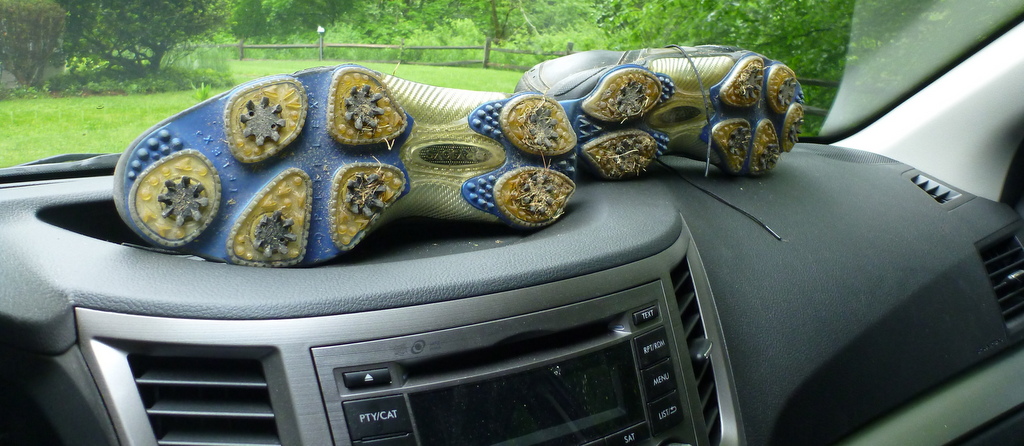
I have received a number of What’s In My Bag contributions. I’ll run them all eventually. In the meantime, send me yours. And here’s a bonus photo, showing how to dry wet golf shoes with the defroster of a rental car:

P1060642