Member-Guest News (Part Three): Six Proven Ways to Change the Weather

P1140008

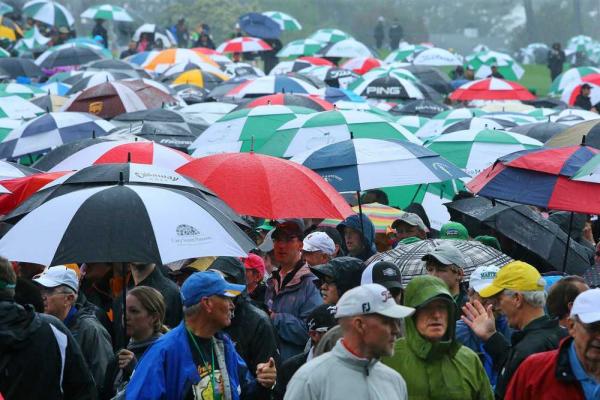
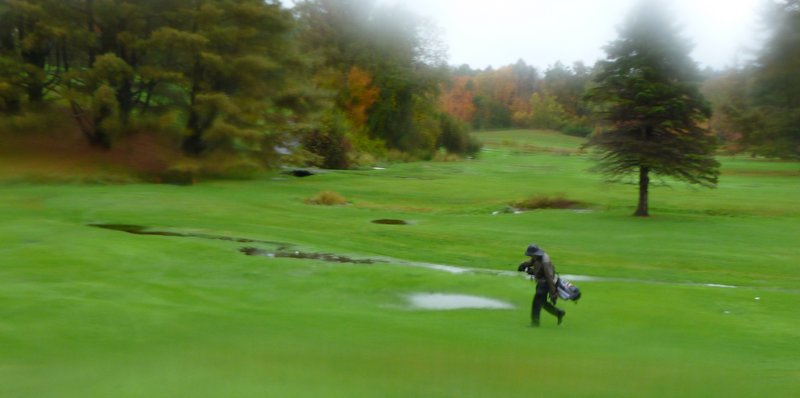
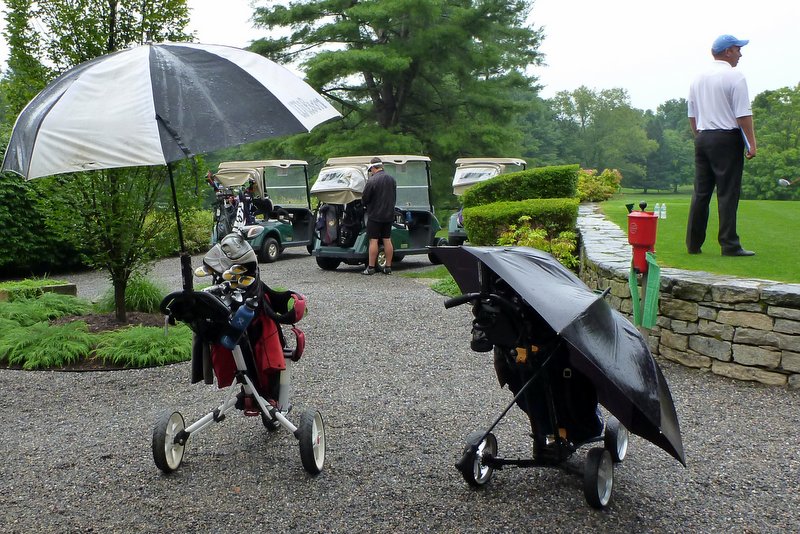
There was heavy rain in the forecast all weekend during my club’s member-guest, but hardly any rain actually fell. My brother and I used our umbrellas to protect our golf bags before we teed off on Saturday morning, but that was pretty much it for the bad weather. Most of the rain that did fall fell on Friday night, making things much easier for Gary (our terrific superintendent) and his crew. 

For the most part, the rain went either north or south of us. I take partial credit, because I’ve developed a number of effective techniques for warding off golf-threatening storms. Probably my greatest success was on a summer weekend almost twenty years ago. I had a big golf game planned for the following day. The forecast was lousy, so all afternoon I kept my TV tuned to the Weather Channel. Every time the radar map came on, I dropped what I was doing and stared. It is sometimes possible to create a localized high-pressure system by exerting fierce mental and optical energy on particular parts of the screen. On rare occasions, I have succeeded in diverting full-blown tropical depressions.
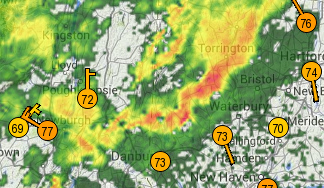
radar
The following morning, I read only the sports section of the newspaper and never turned on the TV or consulted Weather Underground. Checking the forecast on the day of a golf game greatly increases the likelihood of rain, because rain clouds, like wild animals, can smell fear. As I left the house for the course, at eleven, my wife asked if I would be home for dinner. “I’ll probably be back before lunch,” I said. “It’s supposed to rain hard all afternoon — why don’t we plan on taking the kids to a movie?”
That was a desperate move on my part. The sky looked so dark at that moment that I had felt compelled to invoke the Law of Maximum Irritation. The law states that the likelihood of completing a given round of golf increases in direct proportion to the amount of trouble the golfer will get into when it is over. By virtually promising my wife that I would be available for a wholesome family outing in the afternoon, I came close to guaranteeing that the storm would hold off at least until Titanic was sold out.
As I drove to the course, the morning’s sprinkles became real rain, but I never turned the wipers above intermittent speed. Running the wipers at full force encourages a storm and may promote lightning. I also opened my window a few inches and put on both my sunglasses and my golf glove.
Alas, those bold measures didn’t work. In fact, the rain became more intense as I pulled into the parking lot. So, in a final heroic attempt to appease the golf gods, I threw a maiden into the volcano: I sacrificed the back nine. “Just give me nine holes!” I cried, while smiting the dashboard with my (gloved) left fist. “Rain all you want! Just hold the thunder until two-thirty!”
And that, finally, was enough. The clouds began to break up just before we teed off, and the rain stopped altogether before we made the turn. Of course, I was in big trouble when I finally got home, after several beers, at seven o’clock. But I didn’t care. To tell you the truth, I almost always get in trouble when I play golf.
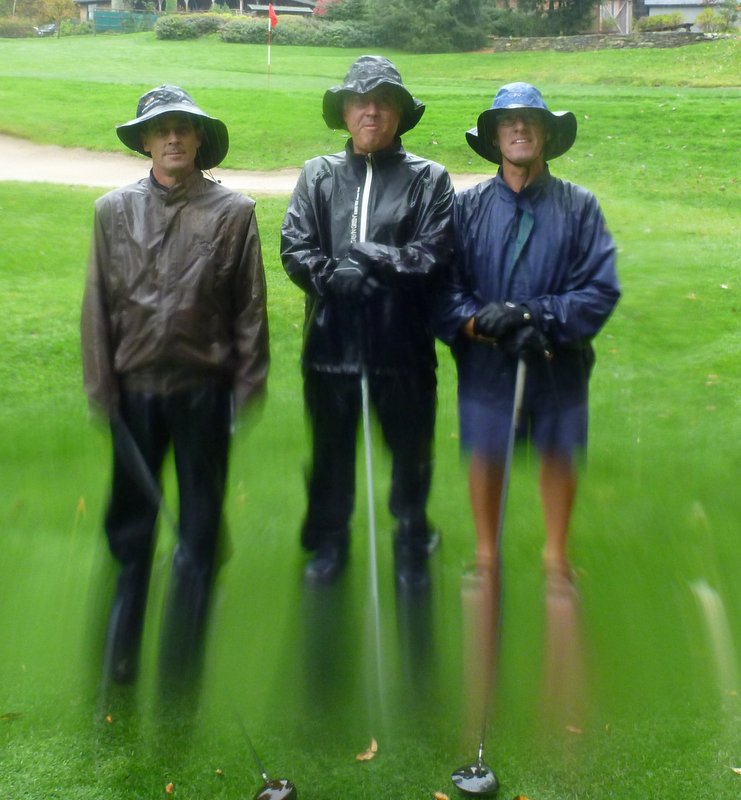
 

P1090771

Golf Problem Solved: Cool Sunglasses for People Who Wear Glasses

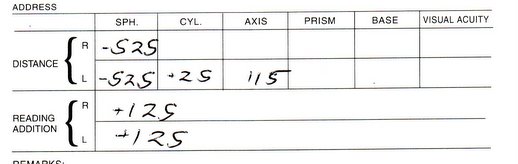
Golf_Prebuilt_BannerAt the PGA Golf Merchandise Show a few years ago, I stopped at the booths of several glasses manufacturers and asked about golf sunglasses for guys who have serious trouble finding their glasses if they’re not wearing their glasses, as I do. The responses were depressing. One woman showed me a pair that looked less like the wraparounds you see on tour players than like something you might wear while welding. Here’s my prescription: dlo glasses prescription The stronger a prescription, the harder it is to make it work without distortion in a lens that has a pronounced curve, she said, and her suggested solution was to switch to contacts and wear non-prescription sunglasses over those. I gave up, and bought a pair of distance-only glasses in my regular frames but with gray lenses. When my daughter, who was in her mid-twenties, saw them, she said, “No!”

[I have a picture of this, but I’m not going to show it to you.]

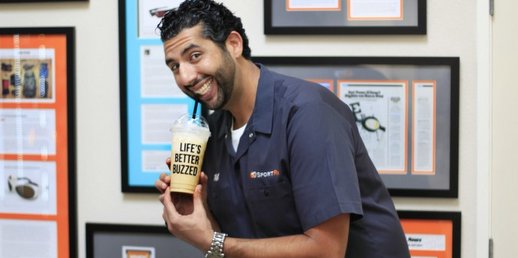
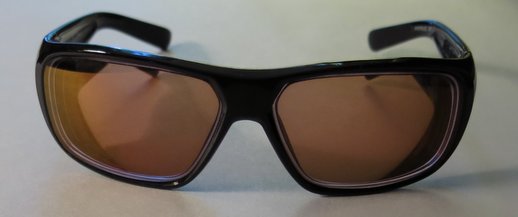
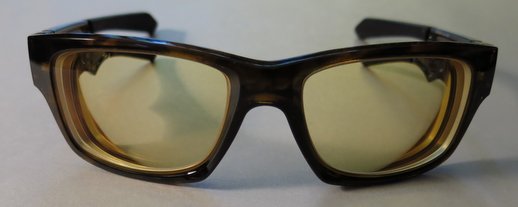
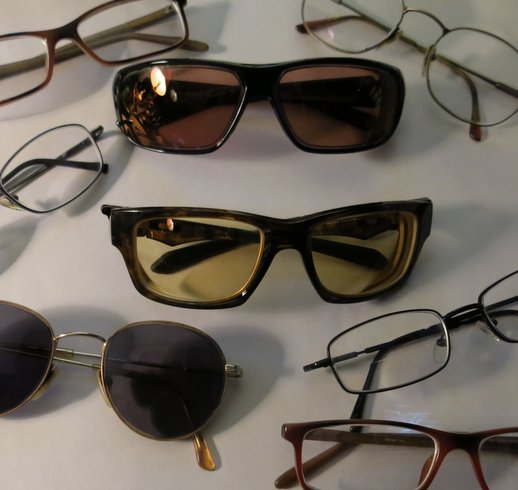
All that was before I talked with Rob Tavakoli, who is a licensed optician and a marketing guy at SportRX, which sells specialized glasses for all kinds of athletic activities. Takavoli is like a golf nut but about glasses; he told me that he’s been obsessed with sunglasses since he was seventeen, or slightly less than half his life, and that when he was twelve he fudged an eye test so that his ophthalmologist would write him a prescription he didn’t need. takivoli Two of Tavakoli’s specialties are sports-specific glasses and sports-specific glasses for people with strong prescriptions, like me. (SportRX employs a technician who specializes in high corrections—a rarity for companies that sell sports glasses, because getting everything right can be complicated and time-consuming.) Thanks to Tavakoli, I now have two pairs, one by Nike and one by Oakley. Both have lenses that are meant for golf—especially for ball-tracking and green-reading—and both are “photochromic,” which means that they lighten and darken in response to changes in ambient sunlight levels. The Nike glasses, whose frames are called Mercurial 6.0, have lenses with a rose copper tint, which becomes quite dark in bright sunlight: nikemercurial The Oakley glasses, whose frames are called Jupiter Squared, have lenses with a lighter, amber-brown tint, and are meant especially for times when sunlight levels are low: early morning, late afternoon, and in the rain—although they darken considerably in bright conditions. (Gray lenses are not good for golf, but they’re good for fishing.)  oakleyjupiter There are other possible frame choices for people like me, and there are many, many additional choices for people whose prescriptions are less daunting. I now consider both my pairs to be part of my golf equipment, and I keep them in my golf bag in hard cases with zippers: zerouv case An unexpected benefit of using both pairs of glasses is that they provide much better protection from the wind than my old sunglasses did, so that on that on blustery days I no longer seem to me crying over my terrible shots. I was grateful for that during my recent buddies trip to Scotland and Ireland, where the wind blows almost all the time, and it’s also a useful feature here at home, where, at the moment, clouds of pollen explode from the pine trees every time someone shanks one into the boughs. And an unexpected benefit of the darker lenses is that match-play opponents have no idea I’m giving them the evil eye while they’re trying to putt. Here I am in my Nike glasses on a sunny day at Machrihanish last month: machrihanishdloIf you have a current prescription, you can order glasses optimized for particular activities directly from the SportRX website, with telephone or online help if you need it. (The website has a helpful “Search by RX” utility, which identifies frames that will work with your prescription—although if your prescription is high enough you will need to call.) One thing you have to do before ordering glasses with corrective lenses is to measure your “pupillary distance,” or the space from eye to eye, but that’s easy to do if you have a ruler, a mirror, and a camera or phone: IMG_1249-001 My personal glasses collection is extensive: progressives, bifocals, reading glasses, computer glasses, backup distance glasses, ancient sunglasses just for driving—plus my two new pairs of golf glasses, which are my favorites and which I would wear all the time if I thought I could get away with it.  collection

Surprising Golf Accessory: “Grandpa, is that a cloth Kleenex?”

One of my wife’s nieces visited us for Easter, and I reminded her that when she was 11 she saw her grandfather using a handkerchief and asked, with astonishment, “Is that a cloth Kleenex?” A couple of years ago, I myself became a cloth-Kleenex-user, especially while playing golf, and especially during allergy season—which for me is pretty much every season. As a result, I’ve stopped blowing my nose on my golf towel and wiping it on my rain gloves, among other behavior upgrades

handkerchief

Recently, I found some inexpensive cotton handkerchiefs that I really like. They’re called Umo Lorenzo (of all things), and on Amazon you can buy them for twelve dollars a dozen, including shipping. I try to remember to put at least one in my pocket before I leave for the golf course, and I keep a few more in my golf bag, in case I forget. The other day, I accidentally dropped one near a green, and Tim picked it up, very carefully, by pinching just the tiniest end of one corner, and gave it back to me.

umo

The handkerchiefs in my golf bag I keep in a small food-storage container made by a company called Lock & Lock. I learned about Lock & Lock containers a few years ago from a guy I used to play bridge with, and my wife and I now have two or three dozen, in many sizes. They’re so watertight and airtight that geocachers use them to geocache stuff in. (If anyone ever accuses you of playing a dumb game, tell them about geocaching.) I keep three handkerchiefs in an eleven-ounce one; two range-finder batteries, two camera batteries, and a glasses screwdriver in a six-ounce one; and some Band-Aids, a jar of Advil, a tiny thing of Purell, and a microfiber glasses-cleaning cloth in another 6-ounce one. The containers are heavier than Zip-Lock bags, but not a lot heavier—the smaller ones weigh just 2.3 ounces each, empty—and they last forever.

boxes

Mean Weather and the Value of a Shank-in-One

This is what the ninth green looked like on the morning of April 16. Unfair!

This is what the ninth green looked like on the morning of April 16. Unfair!

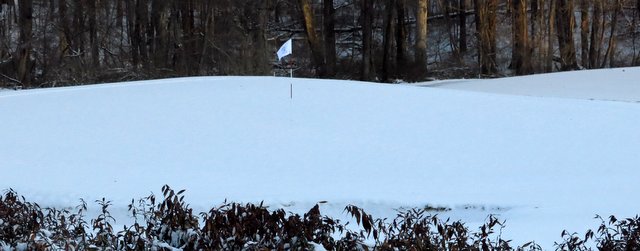
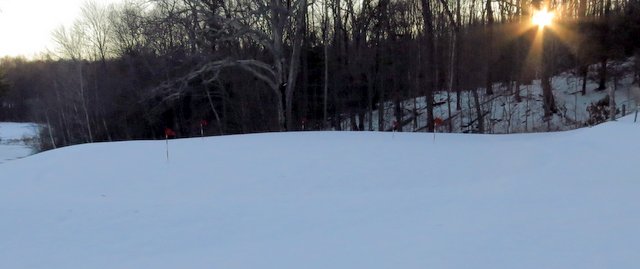
On the day after Income Tax Day, the weather in the Northeast turned vindictive, and my golf course—which had been back in operation for less than a week—disappeared under two inches of snow and ice. I had to travel that day, so I couldn’t have played anyway, but I still felt bullied. 

IMG_1272

The weather is going to have to win my trust back one day at a time, beginning this afternoon (assuming I can finish a couple of things I’m supposed to be working on). Still, I have less reason to be upset than Mike Reilly, a reader and a member of the World’s Second-Best Golf Club, whose first trip to the Masters, on practice-round Monday, was rained out after two hours. “Their rain-out policy is ‘better luck next year,” he wrote from a motel room in Augusta (the club offered refunds). “I understand why it is that way, but that was a long way to drive to watch eight guys tee off No. 1.”

Masters practice round rain

While the weather was misbehaving, several of my friends conducted an email debate about the Sunday Morning Group’s hole-in-one policy, which Hacker (real name) implemented a couple of years ago. We collect fifteen dollars a man on Sundays, and three of those dollars go into the S.M.G. Slush Fund, with which we pay for things like community service, international relief efforts, and bottle openers. The Slush Fund also underwrites the S.M.G. hole-in-one prize, which is five hundred dollars if the hole-in-one occurs during our regular Sunday game, and two hundred and fifty dollars if it occurs during a sanctioned S.M.G. event on a different day or time. (A sanctioned event is any round of golf that the whole group knows about in advance, including the Monday, Tuesday, Wednesday, Thursday, Friday, and Saturday versions of our regular Sunday game.)

20121118_130803-001

No one has ever won the $500 prize, and only Reese has won the two-hundred-and-fifty-dollar prize (which he spent on drinks for everyone—see photo above). That means that, by now, the hole-in-one prize is probably over-endowed, at least in theory. David W. asked whether a hole-in-one on our ninth hole (a short par 4, which long hitters occasionally reach from the tee) would count. The answer to that one was yes, of course. Then Fritz asked about holing out on No. 2 (a par 4) with your tee shot on No. 7 (a par 3). The second green is slightly closer to the seventh tee than the seventh green is, although the shot is probably tougher, because there are pine trees in the way. Addison said he thought the shot ought to count as long as it was a genuine shank. In other words, you can’t just aim for it. Further study.

P1070560

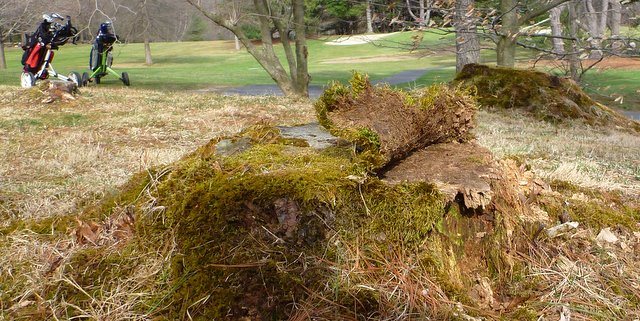
Meanwhile, the wind on Monday was so strong that it peeled the moss right off a stump:

P1120052

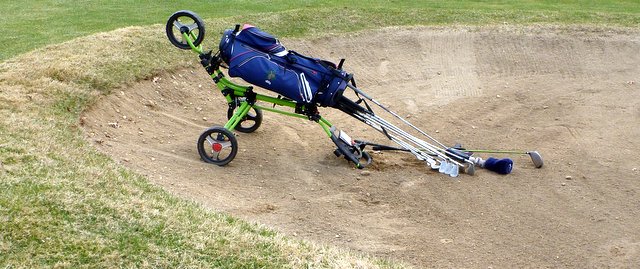
It also sent Hacker’s pushcart rolling into a bunker and tipped it over. (Maybe there should be a prize for that, too.)

P1120058

Some Shots You Won’t See This Week at the Masters

Kevin, Tunxis Plantation, Sunday, April 6, 2014. That's Hacker (real name) in the red jacket, studying our receipts. You'll hear more about the foursome in the background on the left in a little while.

Kevin, Tunxis Plantation, Sunday, April 6, 2014. That’s Hacker (real name) in the red jacket, on the right, studying our receipts. In a little while, you’ll hear more about the foursome in the background on the left.

We had nine guys at Tunxis Plantation Country Club on Sunday, and we played a game that we invented eight or nine years ago, called Sons, Fathers, and Grandfathers. Nobody was actually related to anybody else (except Barney and Stanley, sort of). We just went by age: the three youngest guys versus the three guys in the middle versus the three oldest guys. We originally got the idea because Nick (who’s in his mid-seventies) often tells waitresses and beer-cart girls that Gene (who’s about eighty) is his father.

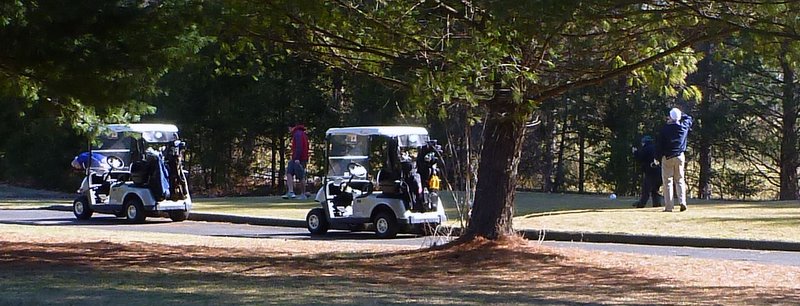
I’m four months older than Tim, so I ended up on the Fathers, with Hacker and Barney, and Tim ended up on the Sons, with Kevin and Doug. We must have been goofing around, or something, because the starter let the four guys on the left in the photo at the top of this post sneak out ahead of us. They were the kind of guys who walk fifty yards from their cart to have a look at their ball, then walk back to their cart to get a club, then hit a shank. We ended up doing a lot of waiting:

P1120006-001

Two of the guys in the slow foursome were especially slow: the one on the far left and the one on the far right in the photo below:

The guys on the right seem to be looking far into the distance, but this tee shot actually traveled about a hundred feet.

The guys on the right seem to be looking far into the distance, but this tee shot was actually very short–too short to be measured in yards.

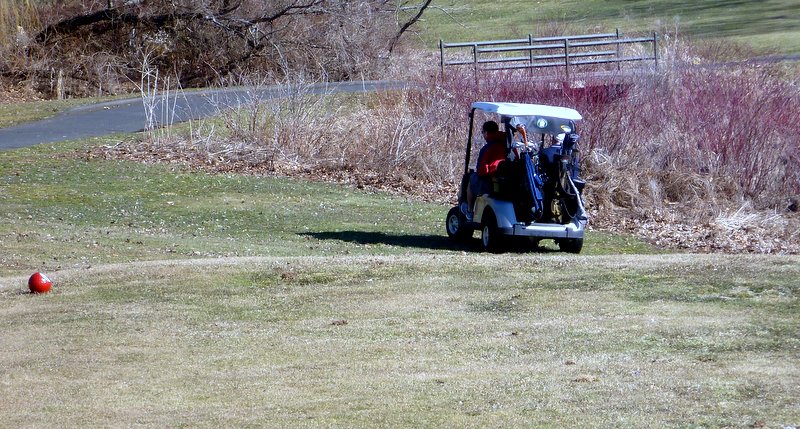
On one hole, the drive of the guy in the red jacket and shorts stopped safely in front of a water hazard, which was thirty or forty yards in front of the tee. He drove up to check it out:

P1110976

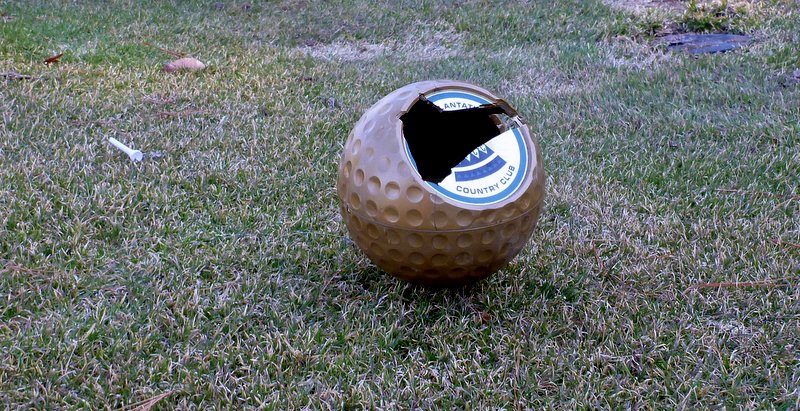
A little later, the same guy hit the shot of the day. You kind of had to be there, but the guys on the right in the photo below are laughing hysterically because the guy in the shorts and the red jacket has just hit his tee shot maybe eight yards, into one of the gold tee markers. The guy on the far left, who is partly hidden by the first cart, is bending over to examine pieces of the shattered marker:

P1110981If the guy in the red jacket and shorts was actually trying to hit the marker, his aim was above average. I don’t know whether that’s his tee. Could be. If so: again, well done.

P1110985We finished eventually, and the winners, as usual, were the Grandfathers, who had complained so much on the first tee that we let them play from the senior tees and have handicap strokes on par 3s. Never again. But everything sort of worked out, because the two oldest Grandfathers either forgot to come to lunch or got lost on the way, so they couldn’t win any skins. Anyway, the good news is that our own course is going to open on Friday, and that means that on Sunday morning we’ll be drinking beer on our very own patio and making lunch on our very own grill.

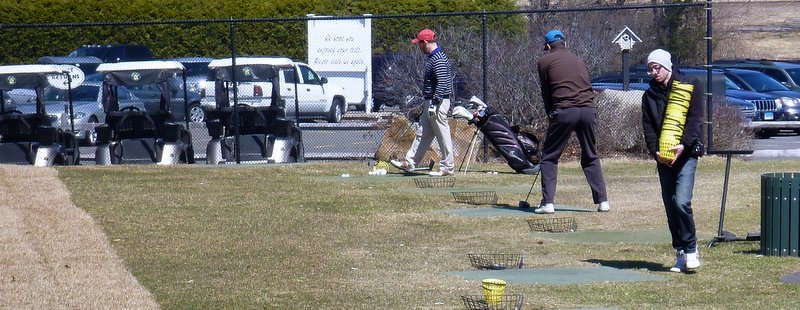
The driving range at Tunxis. You should never watch strangers hit practice balls, especially when there are still little piles of snow on the ground.

The driving range at Tunxis. You should never watch strangers hit practice balls, especially in early spring.

Why You Should Wash Your Rainsuit, and Maybe Even Iron It

Barney and his raingear, on the day we played anyway. October 6, 2013.

Barney and his raingear, on the day we played anyway. October 6, 2013.

I have an article about high-tech golf clothing in the April Golf Digest. While I was working on it, I spent most of two days at the Natick Soldier System Center, in suburban Boston, where the Army creates and tests just about all the gear that’s used by members of all branches of the armed forces. The head of the base’s public relations department told me, “If soldiers wear it, eat it, sleep under it, or have it dropped on them, it’s researched and developed here.”

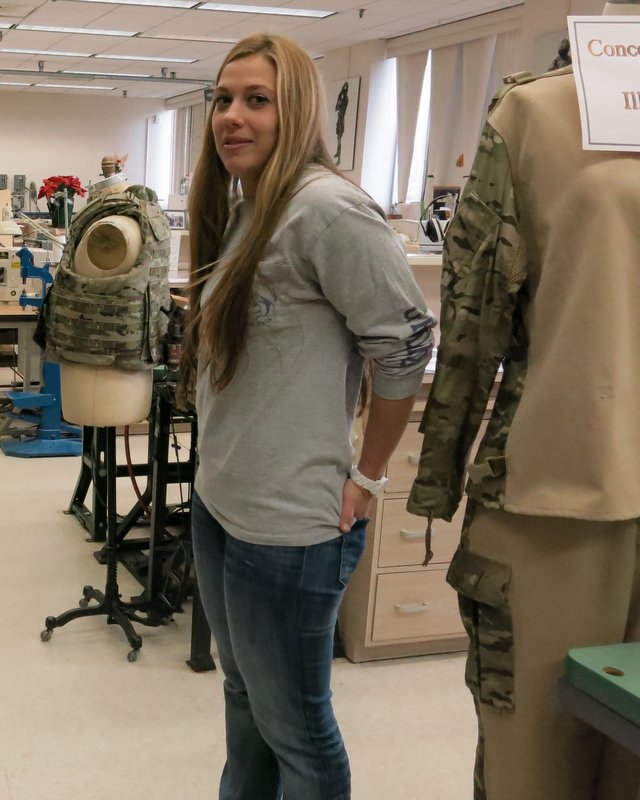
Annette LaFleur, the team leader of Natick's Design, Pattern and Prototype Team, next to a prototype sniper uniform (which the Army ended up not using).

Annette LaFleur, the team leader of Natick’s Design, Pattern and Prototype Team. That’s some body armor on the left and a prototype sniper uniform on the right.

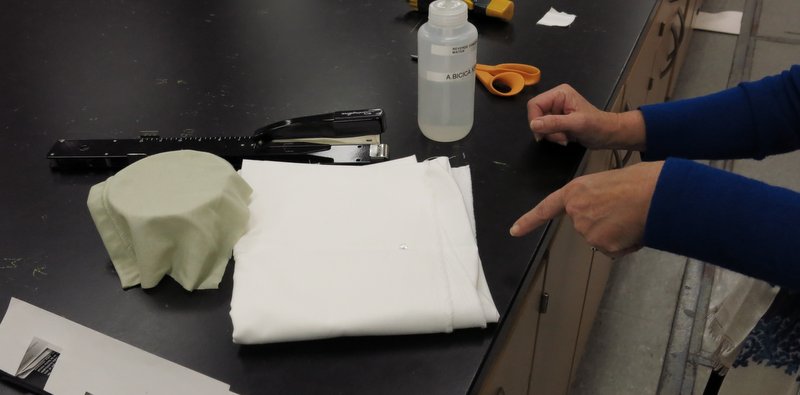
Among the most useful things I learned at Natick is that you should never, ever use fabric softener or dryer sheets on any synthetic sports clothing, including your rainsuit, and that you should wash your rainsuit periodically, and probably also run it through the dryer at low heat or iron it with a warm iron. The reason is that almost all rainsuits have an outer layer that’s treated at the factory with what’s known as a durable water-repellent (D.W.R.) finish. This isn’t what makes your rain jacket waterproof—that’s the function of an inner membrane, made of Gore-Tex or some comparable material—but the D.W.R. finish contributes to the jacket’s breathability and overall comfort, by causing water on the outer surface to immediately bead up and slide off. Gentle washing makes the D.W.R. finish work better, and gentle heat (whether from the dryer or a warm iron) can revive a finish that’s wearing out.

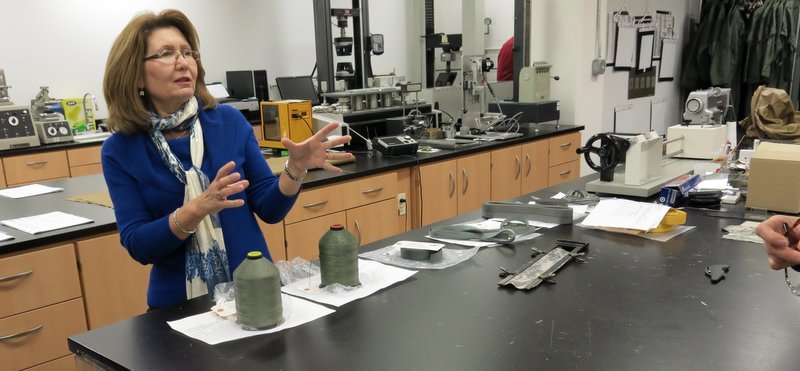
Luisa DeMorais, the leader of the Army's textile materials evaluation team and a D.W.R. expert.

Luisa DeMorais, the leader of the Army’s textile materials evaluation team and a D.W.R. expert.

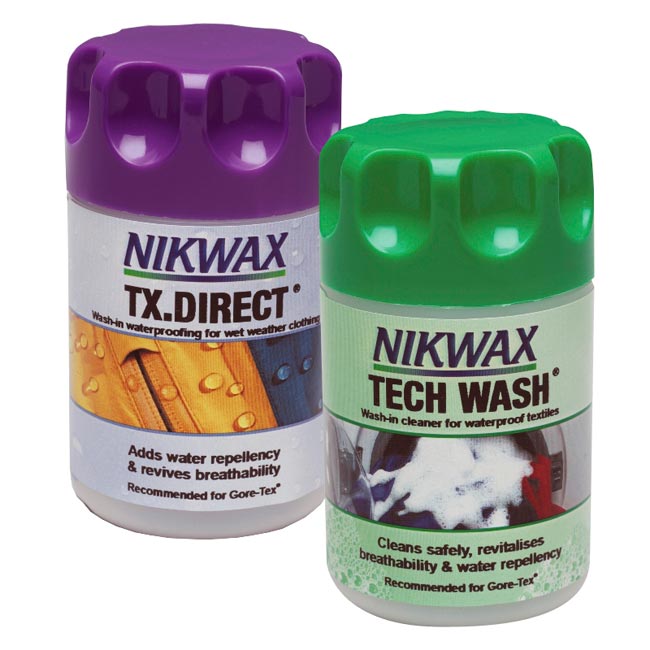
As soon as I got home from Natick, I washed all my rain gear with Nikwax Tech Wash, which is formulated for waterproof, breathable fabrics, and then I beefed up their D.W.R. finishes with Nikwax TX.Direct, which is a D.W.R. finish that you apply in your washing machine. You can order both (and lots of other stuff) from R.E.I., among other places.

nikwax

At Natick, I also learned that you should never, ever use fabric softener or dryer sheets on a rainsuit or any other synthetic sports apparel. Fabric softeners can smother fabric treatments, such as the ones that promote wicking, and they can ruin raingear, which can also be harmed by detergent residue (a reason to use modest amounts or a product like Tech Wash, and to follow the instructions on the care label).

IMG_3431At some point, I’ll have more to say about my visit to Natick—which was the coolest field trip ever. Right now, though, I’ve got to run off to Denmark for a few days.

P1090781

Masters Countdown: Bobby Jones’s Father, the Great Flood, and the Eleventh Hole

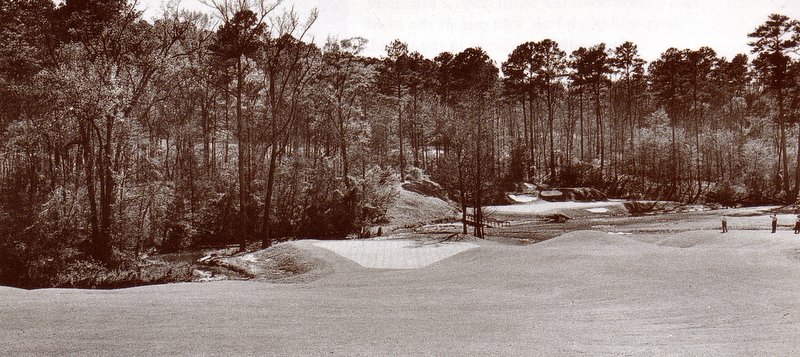
Eleventh green, twelfth tee, twelfth green, Augusta National, early 1930s.

Eleventh green, twelfth tee, twelfth green, Augusta National, early 1930s.

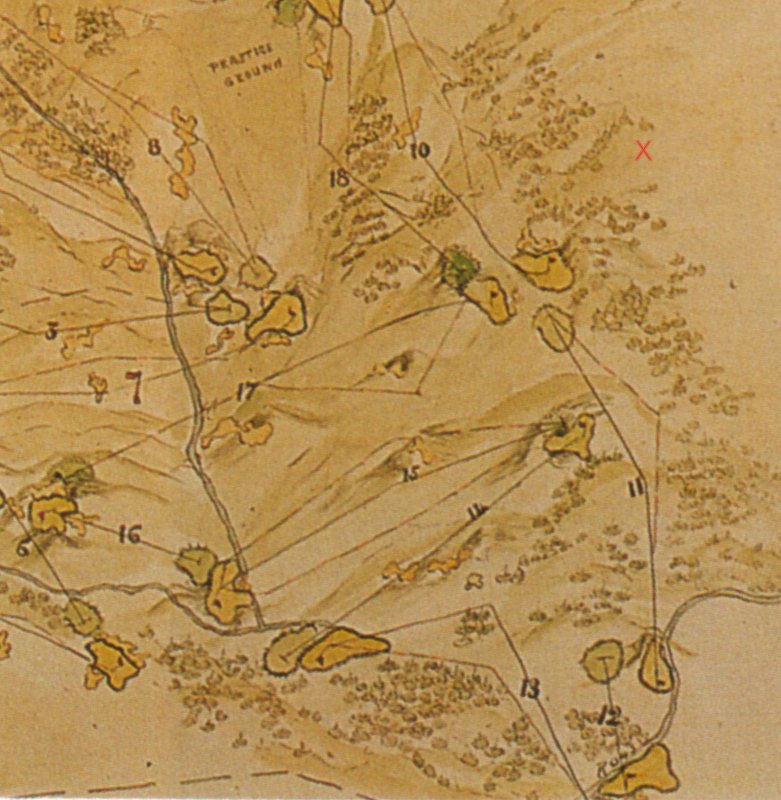
The Masters tee on the eleventh hole was originally positioned above and to the right of the tenth green, not far from the seventeenth green. The hole ran downhill and played considerably shorter than its measured distance, which was a little over four hundred yards. In fact, until about a decade ago the green was at least theoretically drivable from the members’ tee, which was on the old line, although the shot was blind and called for a powerful fade.

Alister MacKenzie's original routing, showing the location of the eleventh tee, between the seventeenth green and the old tenth green. The modern tee is somewhere back near the red X in the upper right hand corner of the image.

Alister MacKenzie’s original routing, showing the location of the eleventh tee, between the seventeenth green and the old tenth green. The modern tee is somewhere back near the red X in the upper right hand corner of the image.

The hole was first changed in 1950, when the club built a new tournament tee, below and to the left of the tenth green. The change was suggested by Clifford Roberts, the club’s chairman and co-founder, and endorsed by Bobby Jones. The change was made both to lengthen the hole and to eliminate a gallery bottleneck between the tenth green and the eleventh tee. “Under the new arrangement,” Jones wrote at the time, “the spectators will have ample room on the high ground to the right of the fairway to observe play, all the way from tee to green, without going on to the fairway at all. It will be substantially the same arrangement as is provided at number 13, where everyone can get a clear view of all shots played without following the contestants down the fairway.” The Masters tee is even farther back today, and the fairway has been reshaped. The hole measures a little more that five hundred yards for the tournament, and when you stand on the tee it looks like a thousand.

Eleventh green, 1930s.

Eleventh green, 1930s. No pond yet.

The eleventh hole’s most conspicuous feature is the pond to the left of the green. Roberts, in his book about the club, which was published in 1976, wrote that the pond had been his idea; Byron Nelson told me in 1998 that it had been his own. “There was already water behind the green,” he said, “because Rae’s Creek ran back there. But not many people went over the green. So I told Cliff that I thought he ought to dam up the creek and let the water make a pond to the left of the green.” (Nelson’s memory that the creek passed only behind the green wasn’t not quite correct. The water also looped near the front left, almost as close to the green as the pond is today—as you can see in the photos above.) The dam was built in 1951.

There's that pond. Look out.

There’s that pond. Look out.

In mid-October 1990, Augusta got more than a foot of rain in just thirty-six hours. Rae’s Creek flooded, and took the eleventh green and much of the rest of Amen Corner with it:

amen corner flood 1990Hord Hardin, the club’s chairman at the time, said they were lucky the flood hadn’t occurred right before the Masters. “We probably would have had to play four sixteen-hole rounds,” he said. The green was rebuilt using data from a 1982 survey, and the bunker and the pond were recreated from photographs. The hole was back in play not just for the Masters but for the Thanksgiving member party, six weeks later.

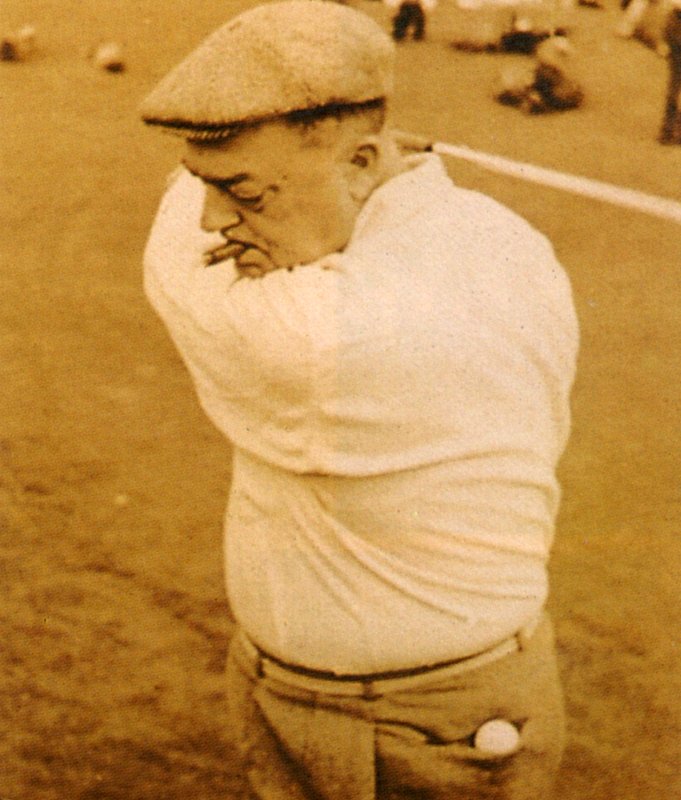
The Colonel, Bobby Jones's father.

The Colonel, Bobby Jones’s father.

In the early years, there was a small pot bunker in the center of the fairway at roughly the distance of a reasonable drive, invisible from the tee. The bunker was Jones’s idea. He wanted the course to have a hazard that could be avoided only with good luck or local knowledge—the sort of seemingly arbitrary booby trap that is plentiful on the Old Course at St. Andrews. Jones’s father, Colonel Bob Jones (photo above), drove into it during his first round on the course, in 1932, and when he found his ball in the sand he shouted, “What goddamned fool put a goddamned bunker right in the goddamned center of the goddamned fairway?” or words to that effect. His son, who was playing with him (along with Roberts), had to answer, “I did.” The bunker was eventually filled in, though not till many years later.

Golf on the Vernal Equinox

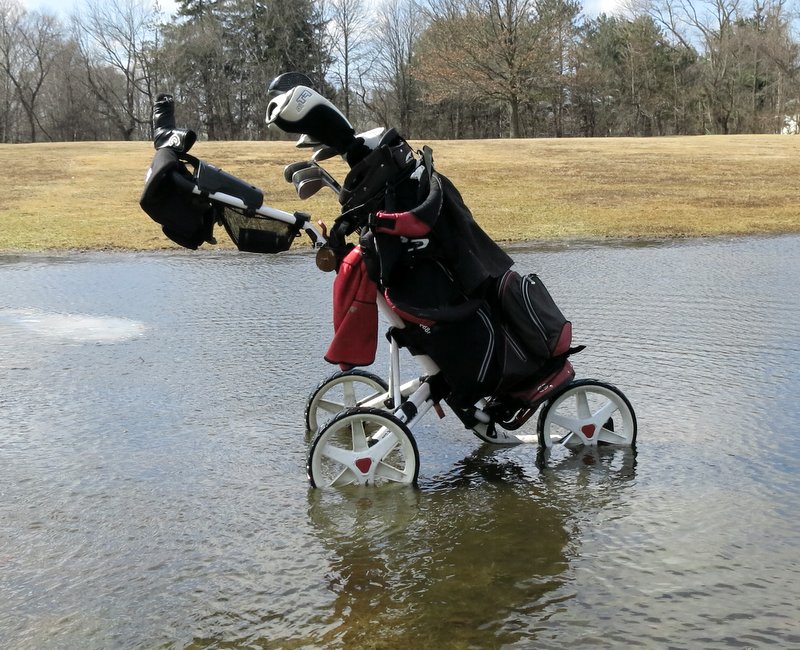
My pushcart at D. Fairchild Wheeler Golf Course, New Year's Eve, 2013.

My pushcart at D. Fairchild Wheeler Golf Course, New Year’s Eve, 2013.

My friends and I celebrated the first day of spring the same way we celebrated the last day of 2013 and the first day of 2014: by playing a round at D. Fairchild Wheeler Golf Course, a muny about an hour from where we live. As you can see by comparing the photo above with the photo below, playing conditions had improved dramatically in just eleven weeks:

My pushcart at D. Fairchild Wheeler Golf Course, March 20, 2014.

My pushcart at D. Fairchild Wheeler Golf Course, March 20, 2014.

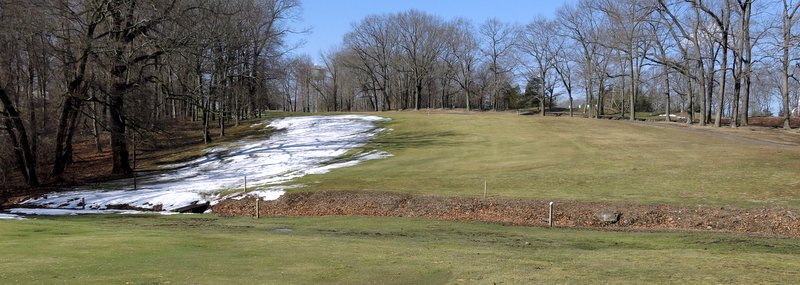
There were still a few lingering signs of winter, including a large patch of non-liquid casual water along the left side of the ninth fairway:

Pro's advice: aim right.

Pro’s advice: aim right.

Overall, though, the course was in decent shape. The gates were closed when we arrived, a little before nine, but the parking lot had begun to fill by time we finished, and the temperature had climbed to the mid-forties.

P1110473

The past few months have been truly horrible around here, golf-wise. It’s been so cold that a small herd of local Lyme-disease vectors began spending the night in my backyard:

IMG_1128

But in the past few days things have finally started to turn. Last Sunday, Hacker (real name), Doug, Mike A., and Tim played at Pelham Bay Golf Course, in the Bronx—the only open course within a hundred miles of where we live:

Hacker Pelham 2

Mike A. attempting a rare steeplechase bunker shot. Degree of difficulty: 10.

Mike A. attempting a rare steeplechase bunker shot. Degree of difficulty: 10.

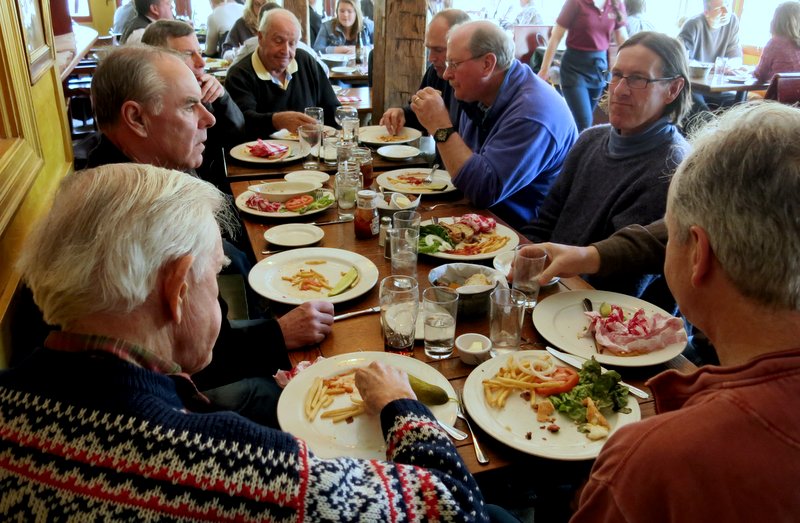
I couldn’t join them, because I had a work deadline I couldn’t put off, but I did take time out for lunch with nine other members of the Sunday Morning Group. There are six artificial knees in the photo below, if you count all three of Frank’s (one of his had to be redone):

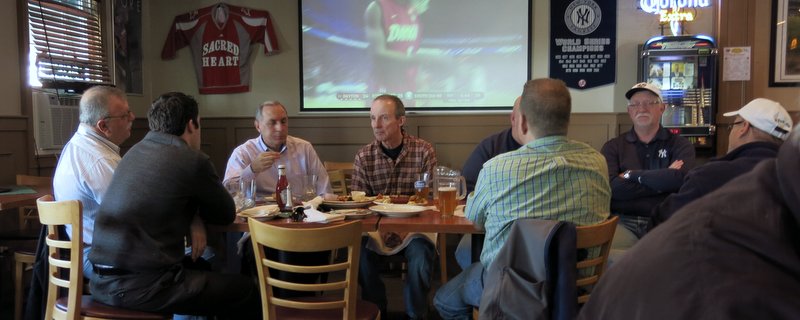
IMG_1162-004On the equinox, we ate at Fairchild Wheeler, of course—along with these guys, who hadn’t played golf but, apparently, were unable to stay away:

IMG_1200

That’s March Madness on the big screen behind them. If we hadn’t needed to get home for our naps, we could have hung around all day.

P1110441

Reader’s Trip Report: Northeastern Scotland

Fraserburgh Golf Club, Scotland, March 13, 2014.

Fraserburgh Golf Club, Scotland, March 13, 2014.

Seth Low, a reader and, not incidentally, a member of the Sunday Morning Group, recently returned from a winter trip to Aberdeen, Scotland. It wasn’t a golf trip, but he hung around for a few extra days and played several courses I like a lot—among them Fraserburgh, shown above. Excerpts from his report:

The non-business portion of my trip started in St. Andrews. I did some local scouting at the Keys Bar, where I ran into Dave, an American expat who has lived in St. Andrews, on and off, for twenty-seven years. He caddies during the golf season and, as far as I could tell, hangs out at the Keys in the off season. 

seth low keys bar

The next day, I took a train to Carnoustie, half an hour to the north. Perhaps because of the time of year, or perhaps because of the weather, I went out solo, no one in front of me or behind me. I muscled an ugly 4-iron into the wind, and then had my first go at hitting from a “winter mat.” Apparently, these are standard in Scotland. I am not a good golfer, but I can generally get the ball headed in the right direction. However, I could not master the mat. My reward for a good drive was inevitably a sculled iron.

seth low winter mat

I found myself hoping I would miss the fairway, to be spared the mat, and when my ball landed close to the rough I kicked it in. It was interesting to find myself in this alternate golf reality, and I spent a good deal of time wondering what it said about me as a golfer (and as a person) that I was more comfortable playing from what most people think of a bad lie.

Fourth green, Carnoustie. The white stuff on the ground (not the ball) is hail.

Fourth green, Carnoustie. The white stuff on the ground (not the ball) is hail.

Next, I headed north, to Fraserburgh, and, once again, went out on my own. I was the beneficiary of a new employee, who told me that mats were unnecessary, despite signs saying otherwise. The course wanders through the shoreline dunes and is truly spectacular.

Fraserburgh Golf Club, thirteenth hole.

Fraserburgh Golf Club, thirteenth hole.

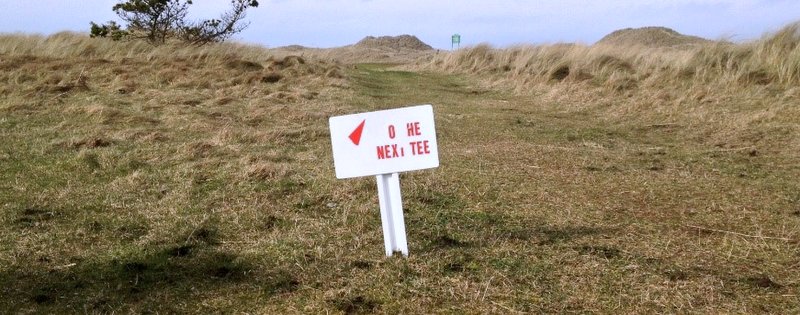
To navigate among the dunes, I had to follow the signs carefully, which wasn’t always easy. If wondered if they were in Doric, a dialect spoken by folks in the area, but it turned out that they had just been beaten up by a long and windy winter.

seth low doric sign

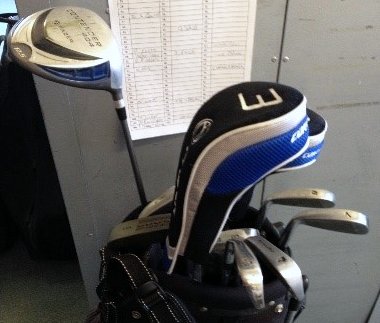
On my last day in Scotland, I headed west from Fraserburgh, at the recommendation of this blog, to play Cullen Golf Club. [Editor’s note: No one who asks me for a Scottish golf recommendation will escape being told about Cullen.] The clubhouse was empty, so I wandered around until a member came in and showed me some clubs I could use. I managed to assemble an almost-full set, consisting of a couple of Wilsons, a couple of irons of an unrecognizable brand, and a Fazer Contender 404 driver:

seth low golf bag

Cullen’s fairways weave across each other, and there is a complex set of bells and “yielding” protocols that the locals know. The course is complicated by a right-of-way that allows walkers to get from the ridge above the course to the beach below. All in all, it was a somewhat hectic scene, and I was happy to be joined by Graeme, a local member, who was out for a Sunday round. Like many in the area, he worked on a fishing boat before getting a job in the oil-and-gas industry. Now he is a cook on an oil rig, where he works two weeks on, two weeks off, four weeks on, four weeks off—leaving plenty of time for golf. I came away with what I hope will be a new addition to my golf lexicon: “hitting into the skink.” I am not sure what it means, but I like the way it sounds.

The first hole, second tee, fifteenth green, sixteenth tee, seventeenth green, and eighteenth hole at Cullen.

The first hole, second tee, fifteenth green, sixteenth tee, seventeenth green, and eighteenth hole at Cullen.

A Ghost Course in Central Florida, and a Golf Trip to the Twilight Zone

The former Winter Springs Golf Course, Winter Springs, Florida.

Part of the former Winter Springs Golf Club, Winter Springs, Florida. The cart barn, clubhouse, and parking lot are near the bottom of the image, just right of center.

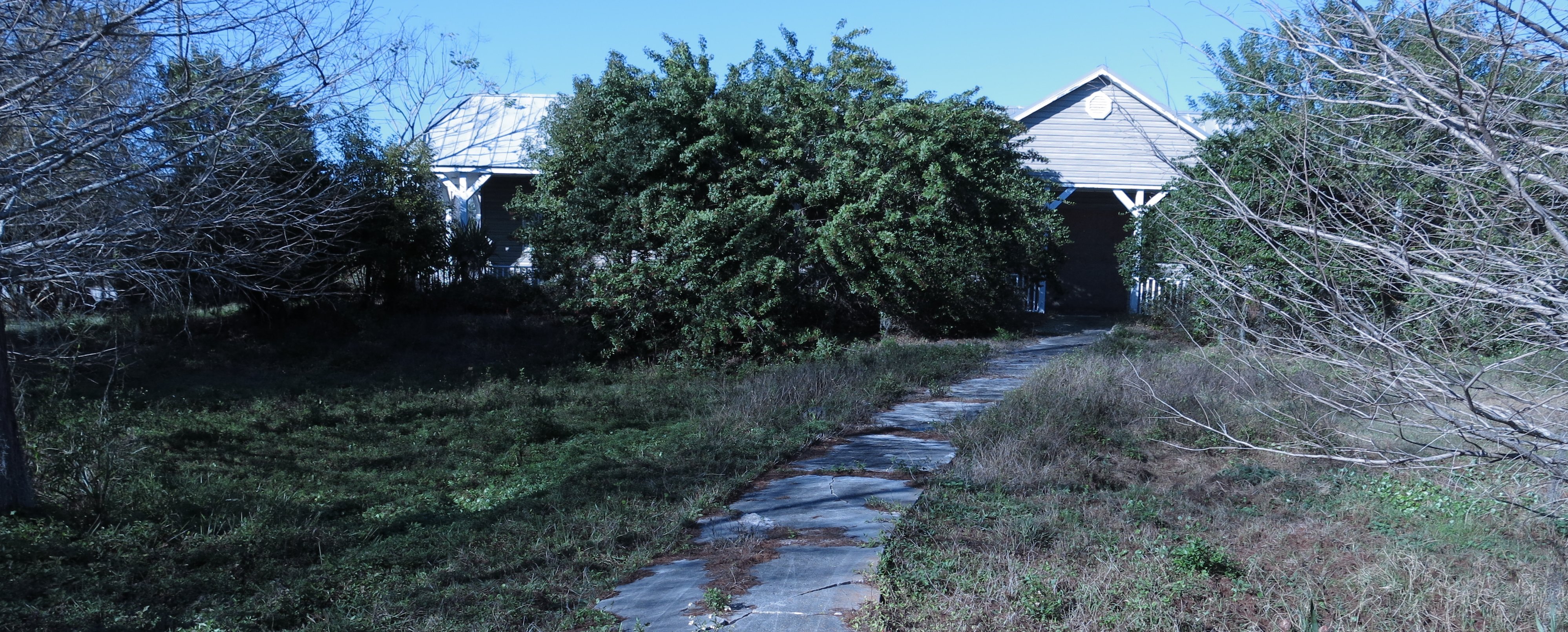
A common experience for Florida golfers in recent years: trying to make a tee time at a golf course they’ve heard good things about, and discovering that the phone has been disconnected and the Web domain is for sale. An example is Winter Springs Golf Club, which went belly-up in 2006. I was in the Orlando area last weekend, on a Golf Digest assignment, and decided to have a look. Here’s the clubhouse, as it appears from the main parking lot:

IMG_0810Apparently, someone bought the course with the idea of building houses on it, and only then discovered that a deed restriction made that impossible. (Due diligence!) Now it sits.

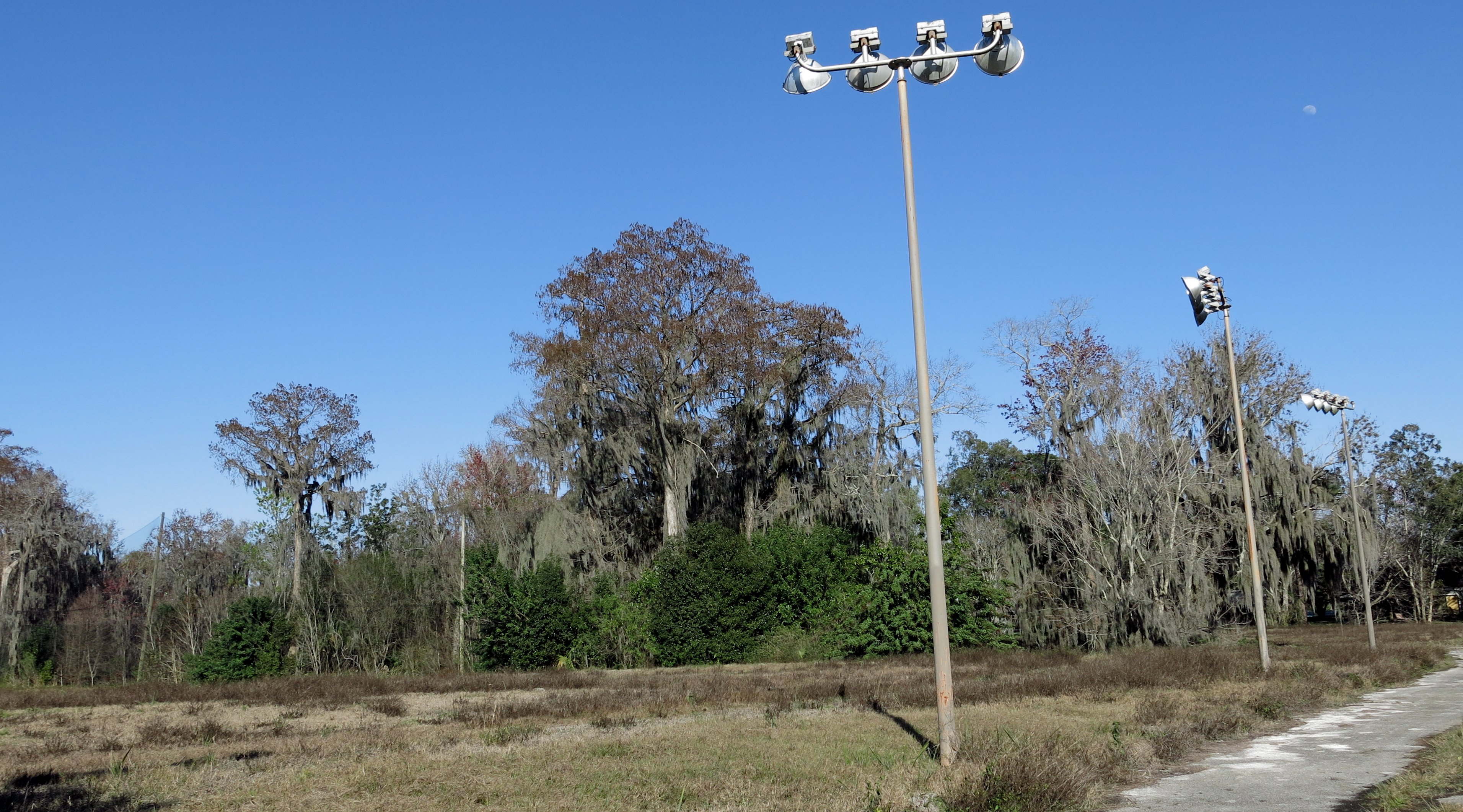
IMG_0817The old club had a lighted driving range. Here’s what it looks like now:

IMG_0837While I was snooping around, a policeman noticed my car and drove in to see what I was doing. He called in my driver’s license number, to make sure I wasn’t wanted for something. Then we chatted about golf for a while, and he asked me whether another ten or fifteen minutes of trespassing would be enough. I thanked him, and he suggested that I stay out of the clubhouse.

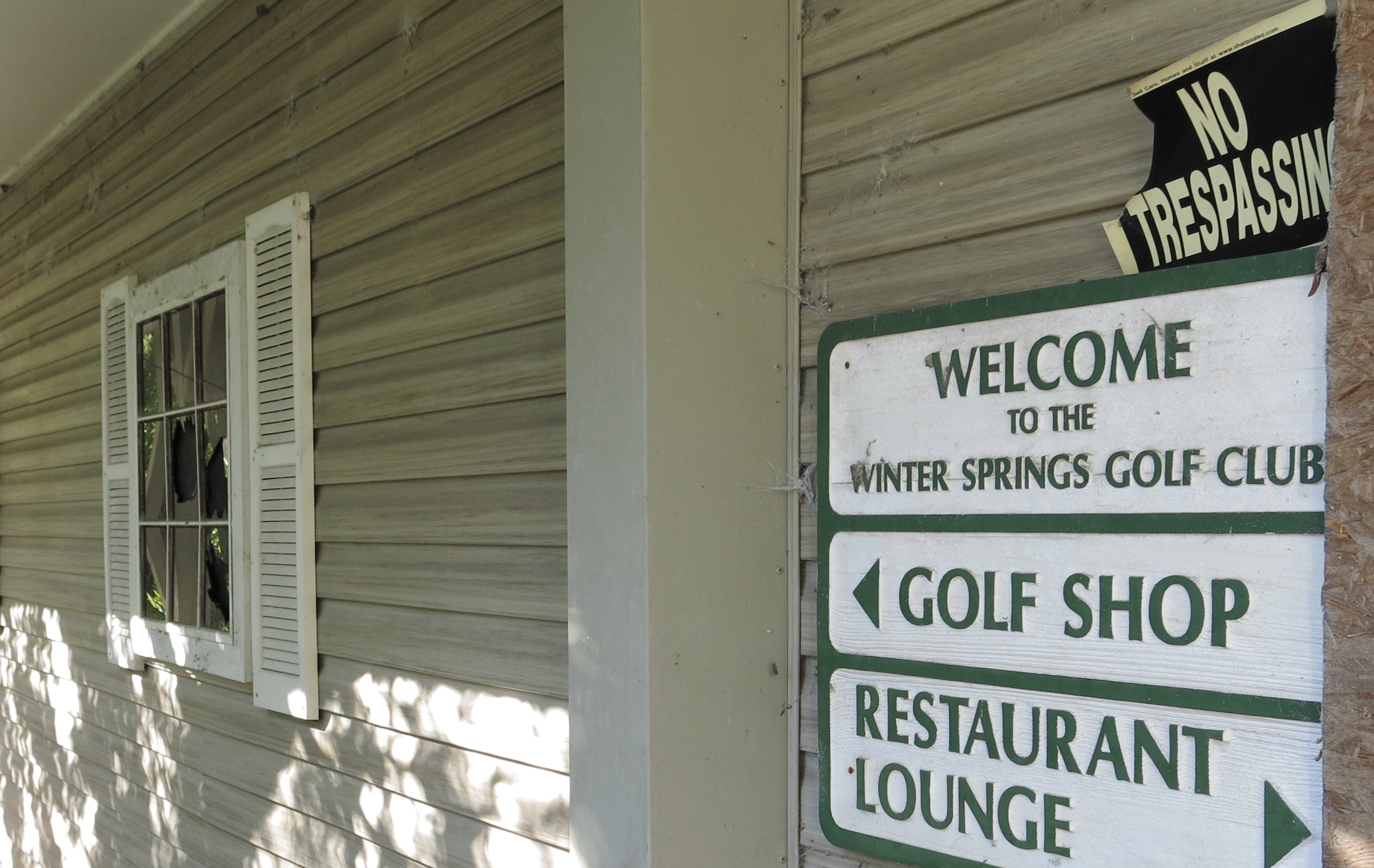
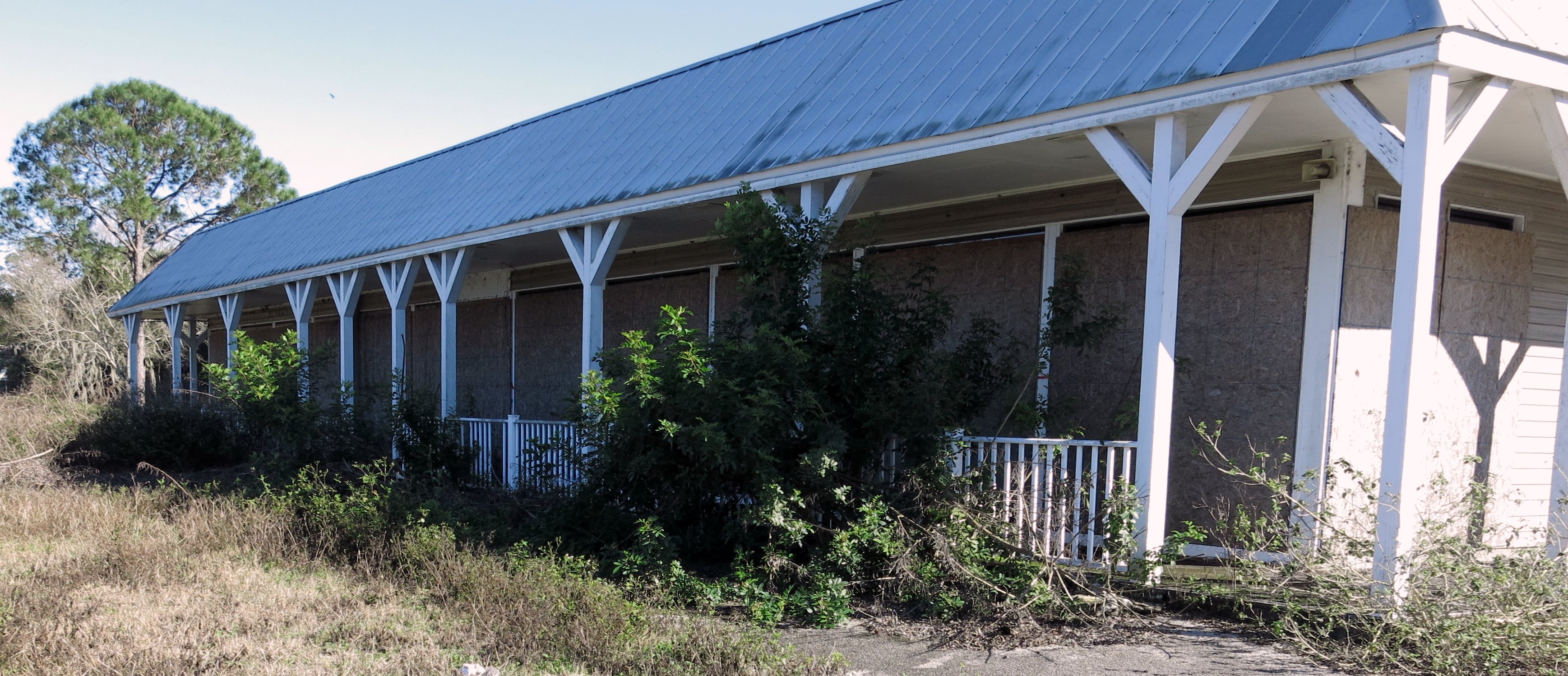
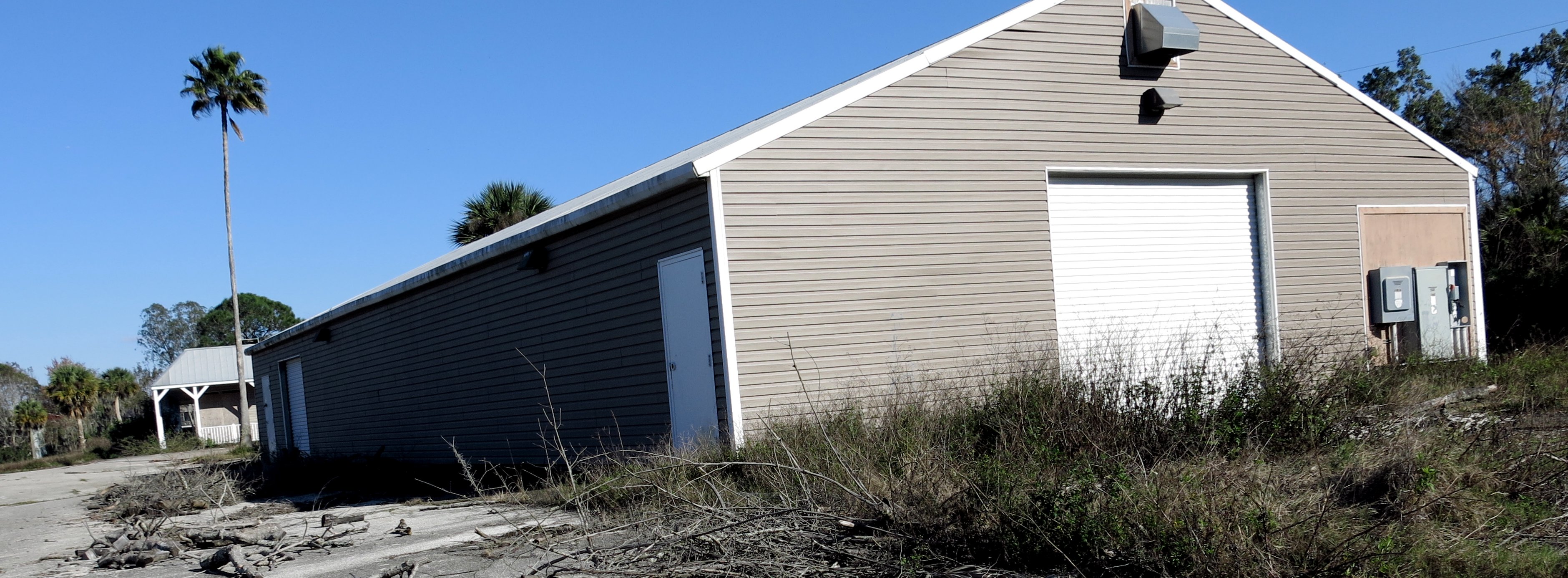
Here's the back of the clubhouse. Those particle-board sheets cover the windows of what used to be the grill room and the golf shop.

Here’s the back of the clubhouse. Those particle-board sheets cover the windows of what used to be the restaurant and the golf shop.

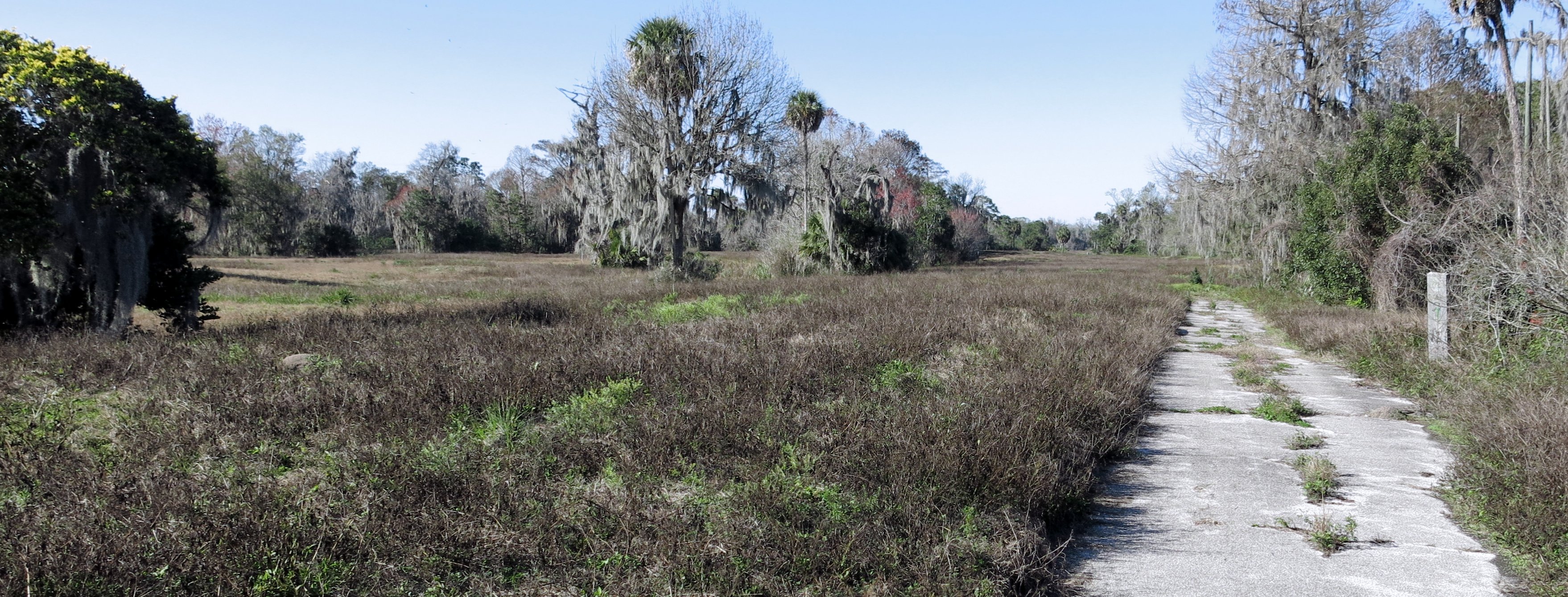
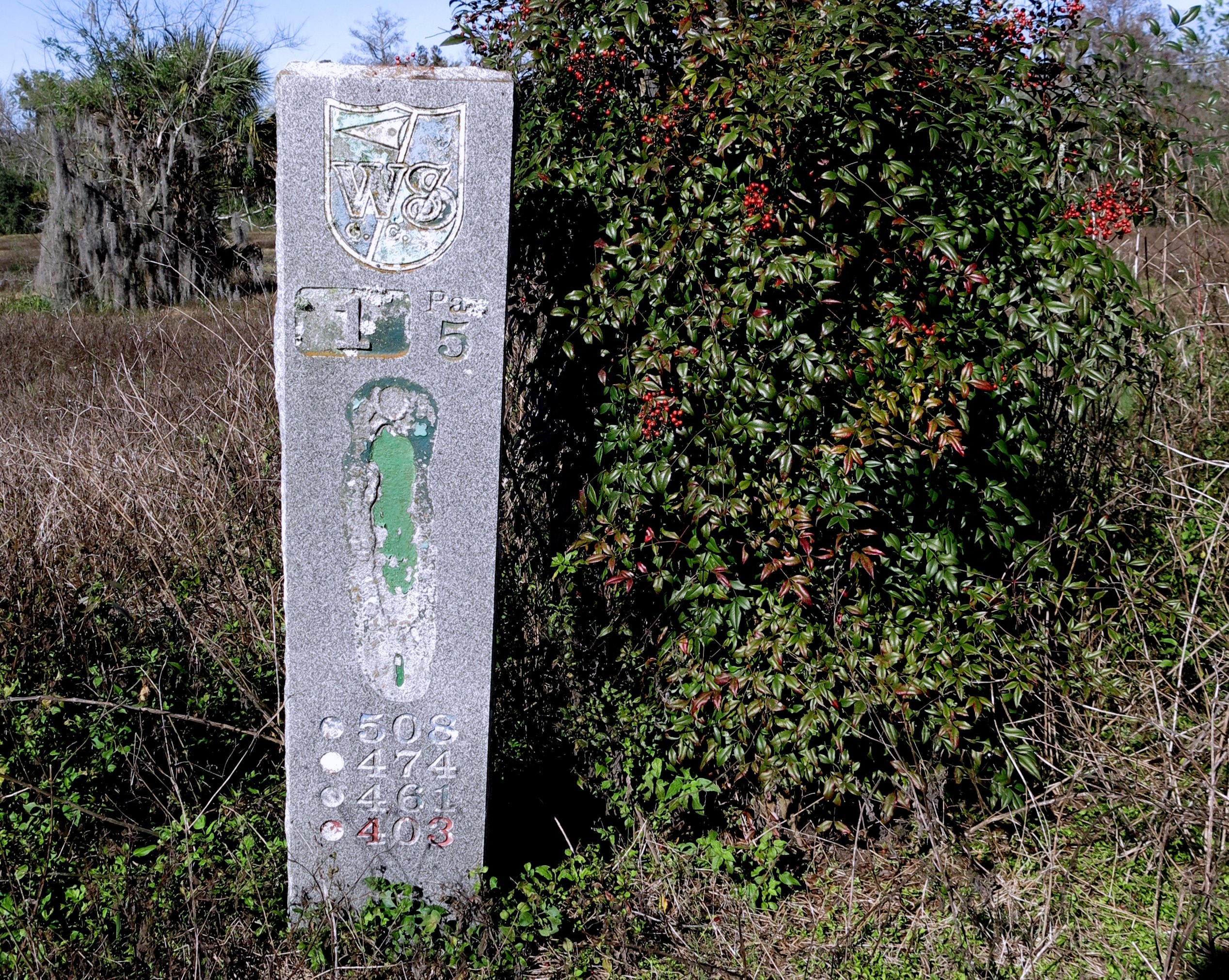
It doesn’t take long for a golf hole to turn into something that isn’t recognizable as a golf hole. Here’s the first tee, the first fairway, and what’s left of the first-hole cart path:IMG_0822 That hole was a straightaway par 5. According to the sign, there were four tee positions:IMG_0827

Florida probably still has too many golf courses. Even so, it’s sad to see the ruins of a place where you know at least a few of the regulars felt more at home than they did at home.

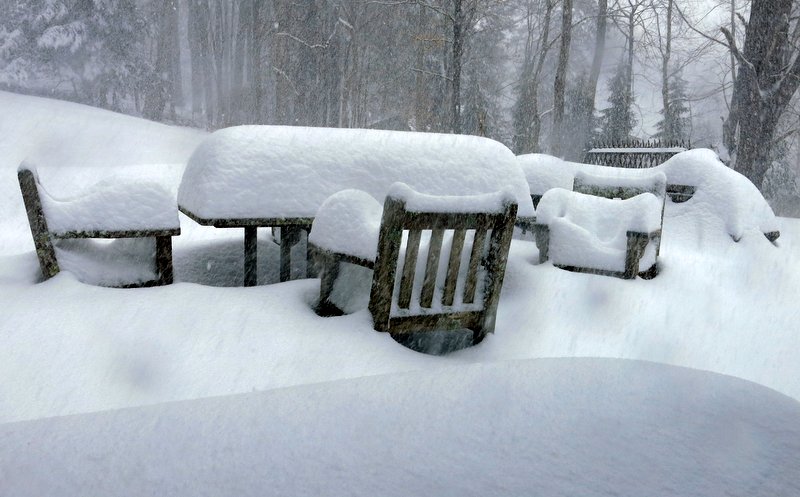
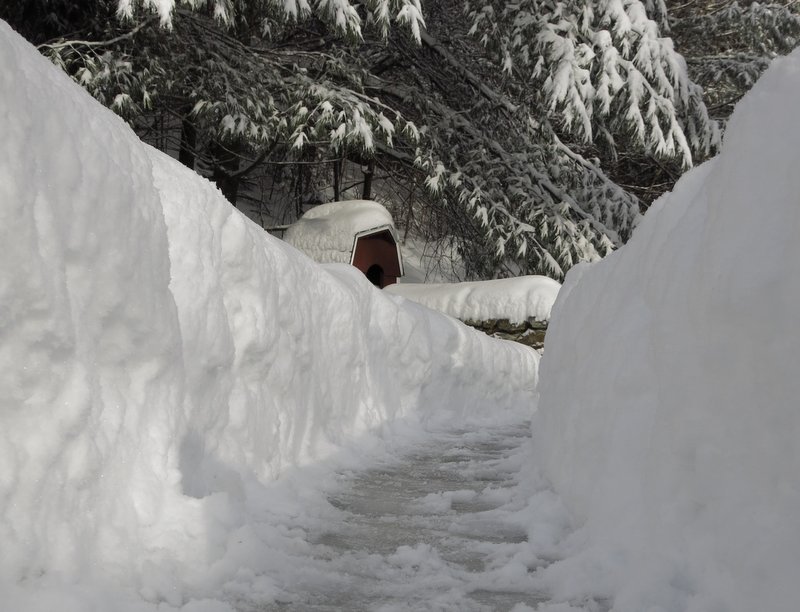
IMG_0843Meanwhile, here in Connecticut, the golf courses might as well be in receivership. This is what my back yard looked like on Thursday afternoon, when the storm was still only getting started:

IMG_0882

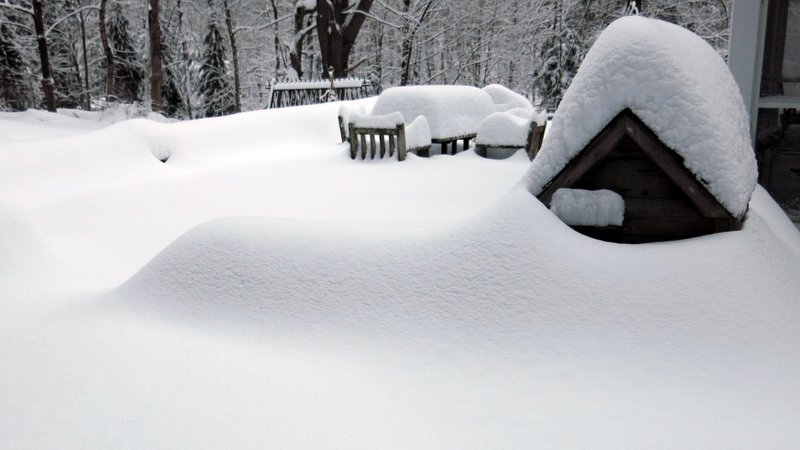
And here’s how things looked on Friday morning. (The doghouse on the right, which is on top of a wall, belonged to one of the three cats that lived in our yard for many years.)

IMG_0901

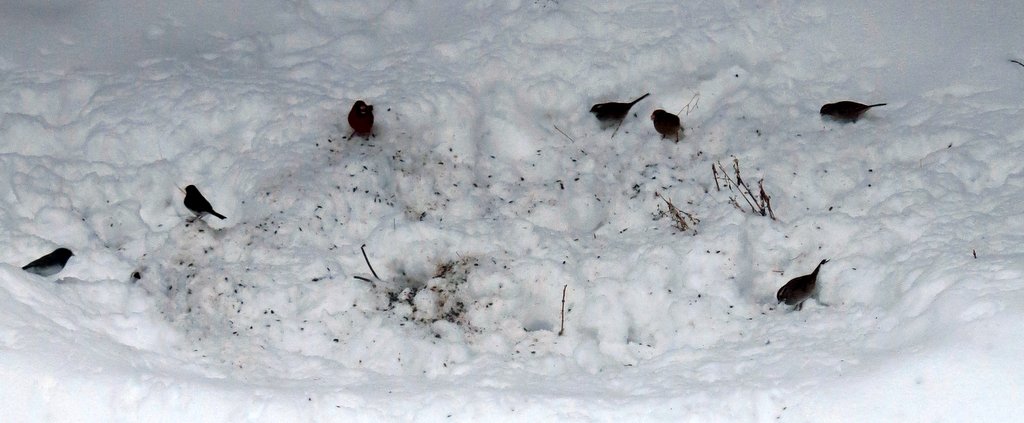
My wife and I have been throwing birdseed into the snow, and attracting mainly juncos and cardinals. When the seed runs low, the birds send an emissary to the back door to complain. When I got up this morning, there were junco footprints on the doormat:

IMG_0891

I tossed out a double load, and a few minutes later the birds were back:

IMG_0906

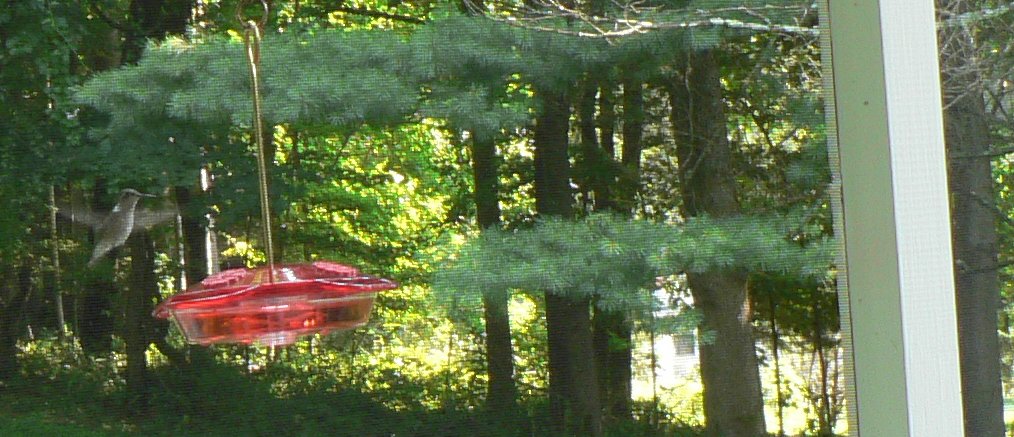
Birds really do this, incidentally. During the summer, when our hummingbird feeder runs out, a hummingbird will fly up to the window closest to the computer in my wife’s office, on the second floor, and hover there until she notices.

Same back yard, with hummingbird, in better times.

Same back yard, with hummingbird, in better times.

The wife of one of my golf buddies told me that when the feeder runs out at her house a hummingbird will fly, in sequence, to windows in the rooms where she can usually be found during the day: kitchen, bedroom, laundry room. After I’d fed the birds, I re-shoveled the path to the back door:

IMG_0912

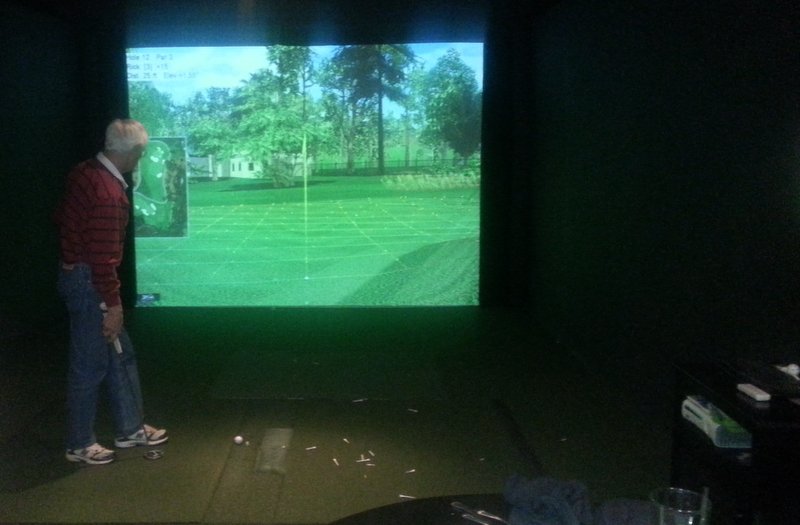
Last week, my friends and I had no choice but to return to the simulators at Maggie McFly’s—which, I’m sorry to report, are showing their age. Our round lasted at least a half-hour longer than it should have, because the sensors had trouble picking up the balls. Still, it was golf. And, because Ferris had never played on a simulator before, we picked Pebble Beach. Here’s Rick, lining up a putt on the twelfth:
20140207_165317-001Spookily, the golf tournament on TV, which we watched between shots, was also at Pebble Beach, and there were quite a few occasions when the hole we were playing was exactly the same hole they were showing on TV—in this case, the thirteenth:

20140207_165321-001It was pretty darned eerie.