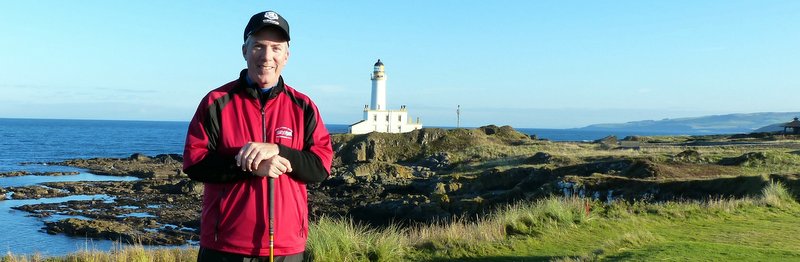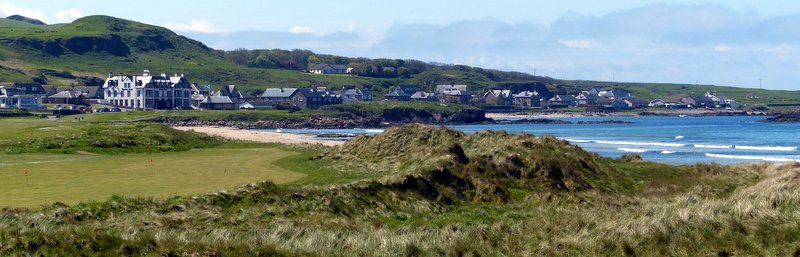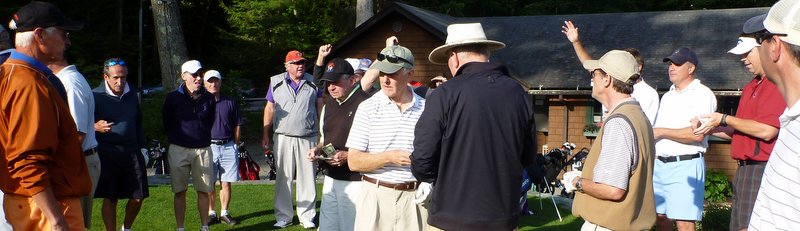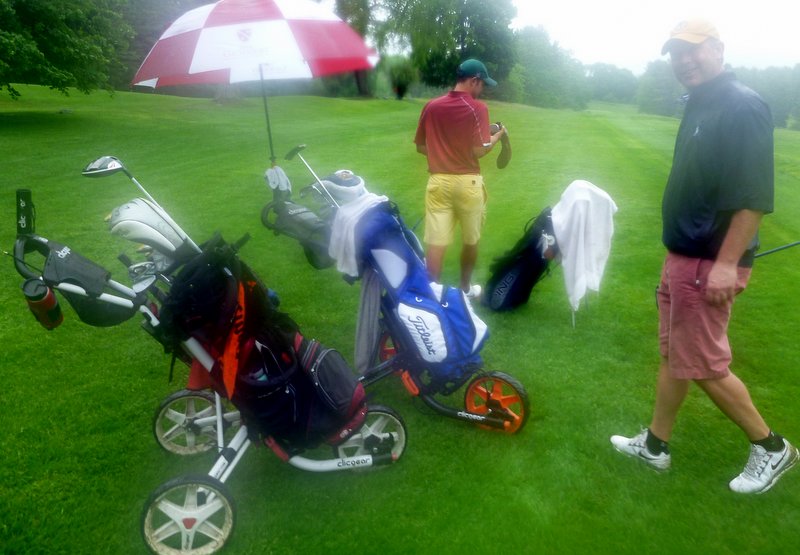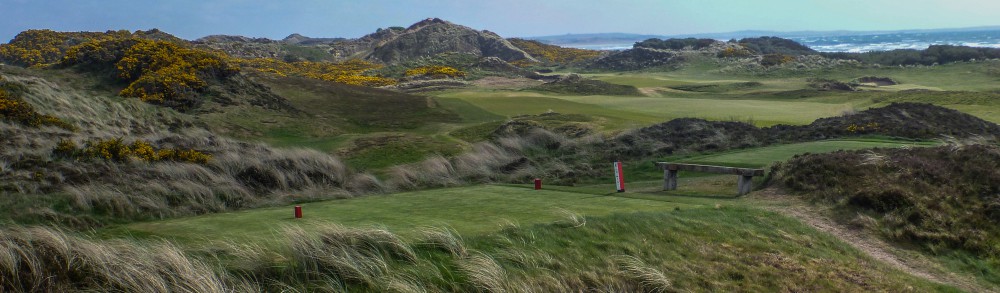
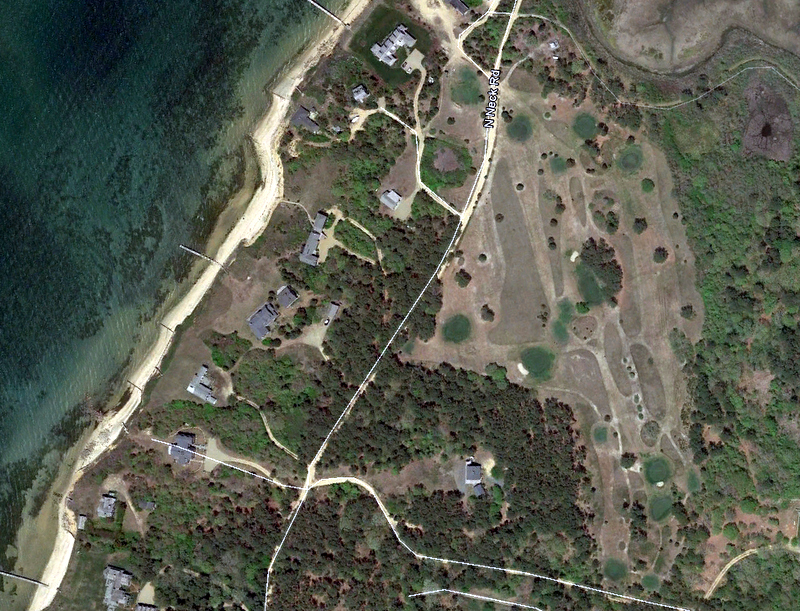
The Other Royal & Ancient Golf Club — This One in the United States

chappyscreenshot

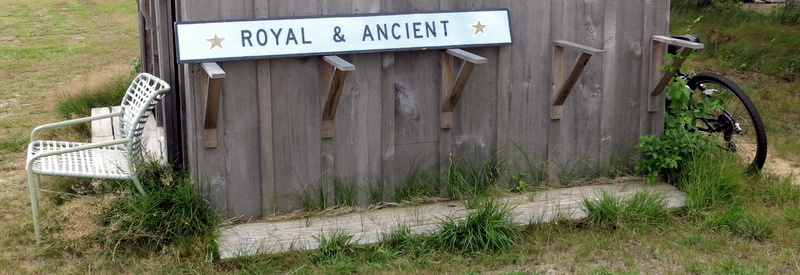
My family and I spend time on Martha’s Vineyard every summer, and, like the President, I usually manage to sneak away a couple of times to play golf. This year, I played a course I’d never heard of, despite the fact that it’s been around, in one form or another, for almost a hundred and thirty years. It’s called the Royal & Ancient Chappaquiddick Links.
chappylogosquare

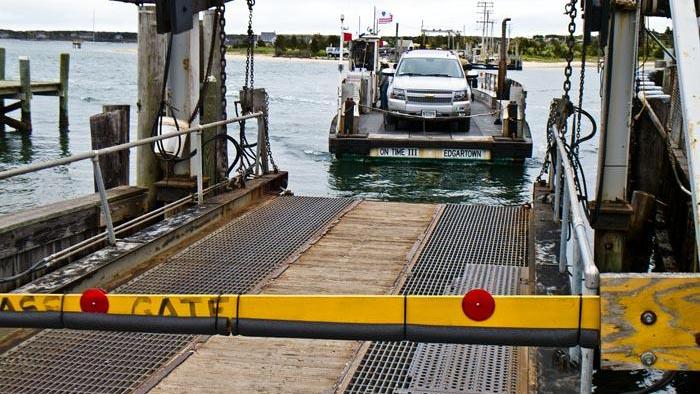
To get to it, you first have to take the tiny car ferry from Edgartown to Chappaquiddick Island:
chappyferry

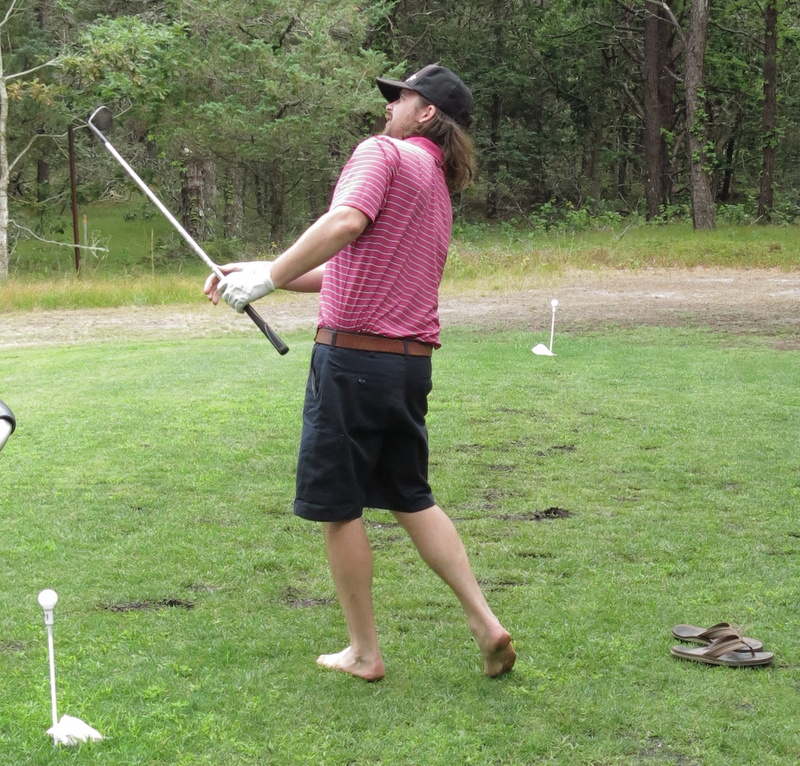
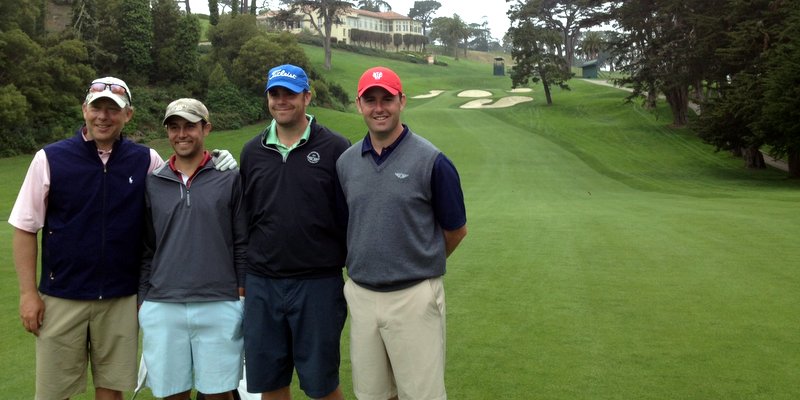
Then, for ten minutes or so, you have to do whatever your GPS tells you to do. I made the trip with my friends Luke Morgan and David Peek. Our fourth was Brad Woodger, the manager and superintendent, whose great-grandfather Frank Marshall created (and named) the course in 1887. Marshall got the idea while hiking on Scottish and Irish linksland during a backpacking trip to Europe. Here’s Woodger during our round:
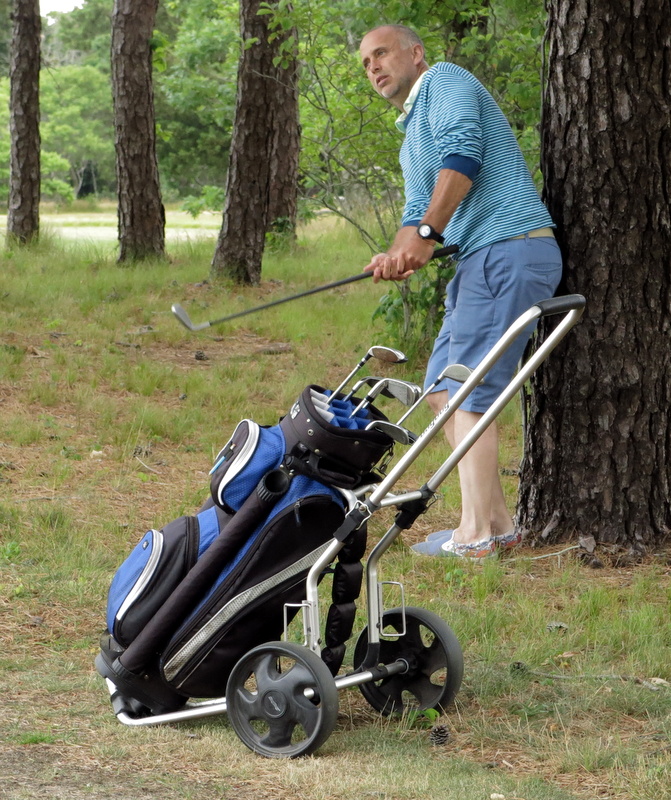
bradwoodger

He told me:

My great-grandfather eventually became a dentist for the Boston Opera, but before settling into his career he visited Chappy every summer to fish and sail and muck about. He and friends and family laid out 24 holes on the island’s North Neck, and by 1905 the course was functional and frequented by a large cast of Boston area characters.
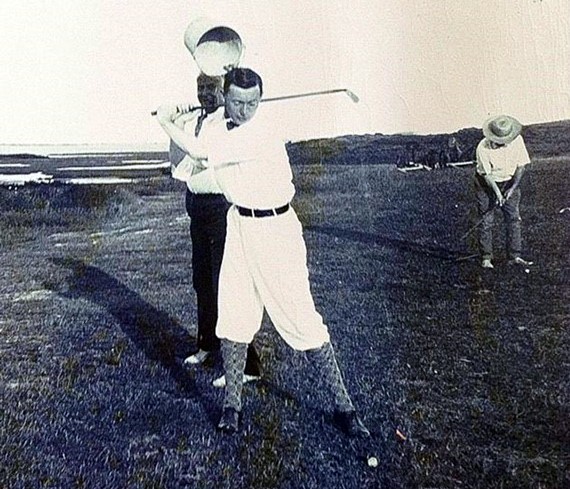
ChappyOldSwing

Sheep grazed everywhere, and the Links required little maintenance until the sheep decided to graze the greens, too. For a brief period, Frank changed the putting surfaces to sand, but the sand turned out to be harder to maintain than native fescue. Here’s an old concrete green roller from the early years:
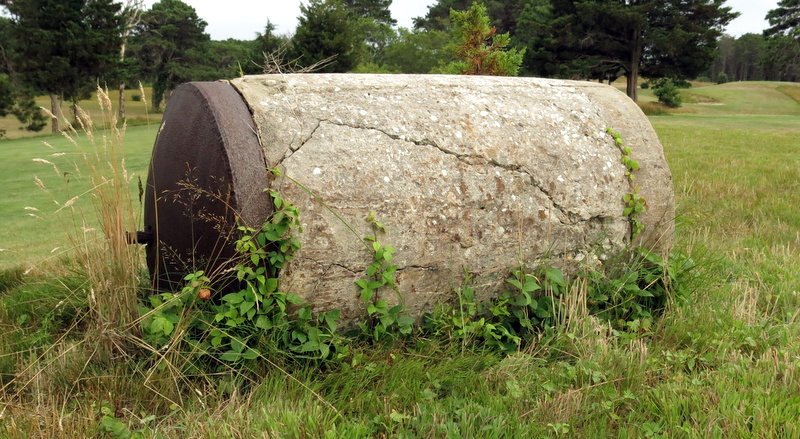
greenroller

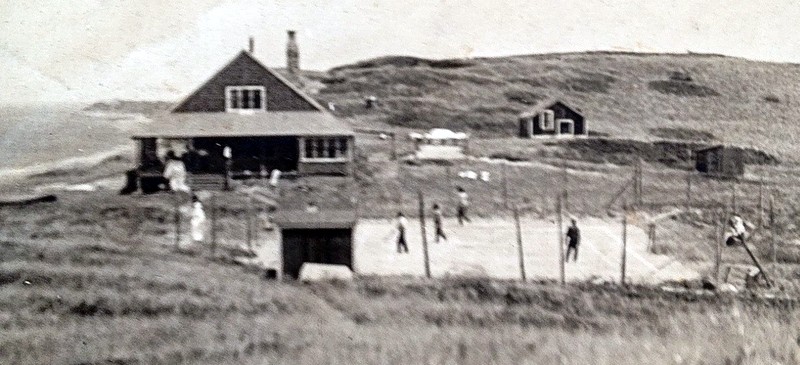
“In 1910, Frank added a tennis court, a clubhouse, and a Tea Barn. The Tea Barn was eventually expanded to serve as a year-round home for Frank’s daughter Mary. The clubhouse became storage for my clothes. Here’s the original clubhouse:
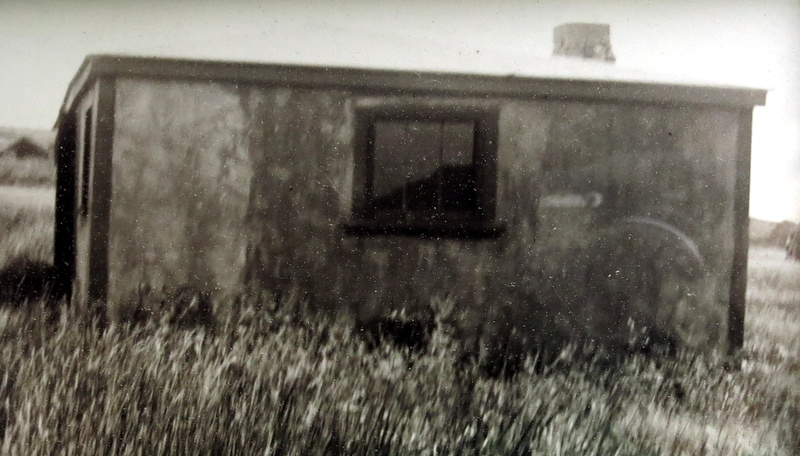
oldchappyclubhouse

“And here’s the tennis court:

ChappyOld

“The Links went dormant during the Depression and the Second World War, and they became overgrown with Chappy’s newest residents: scrub oak and pitch pine. Frank’s son and his wife reclaimed seven holes in the mid-1950s. In 1986, the least likely or qualified (but most available) candidate, me, took over. In 2008, along with the financial support of George Bennett, and the partnership of Kim Bennett and her father Bob (no relation to George), we renovated and expanded the course to nine holes.”

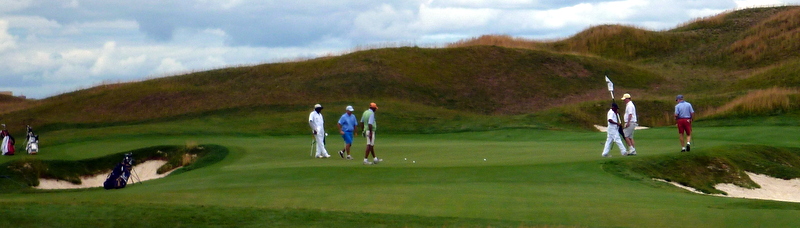
The course is just 1,325 yards long, but don’t let that fool you, because it’s a gas to play. Here’s what it looks like on the ground:
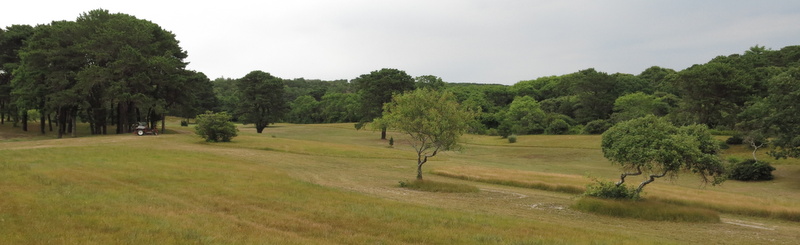
chappyranda

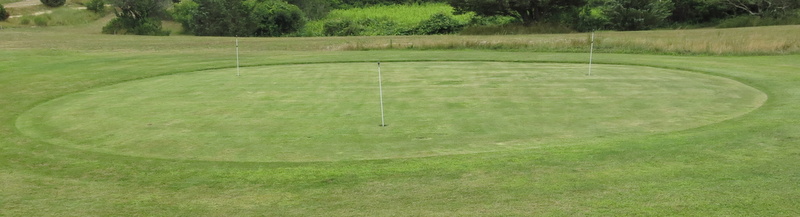
And here’s the practice green:

chappyRAgreen

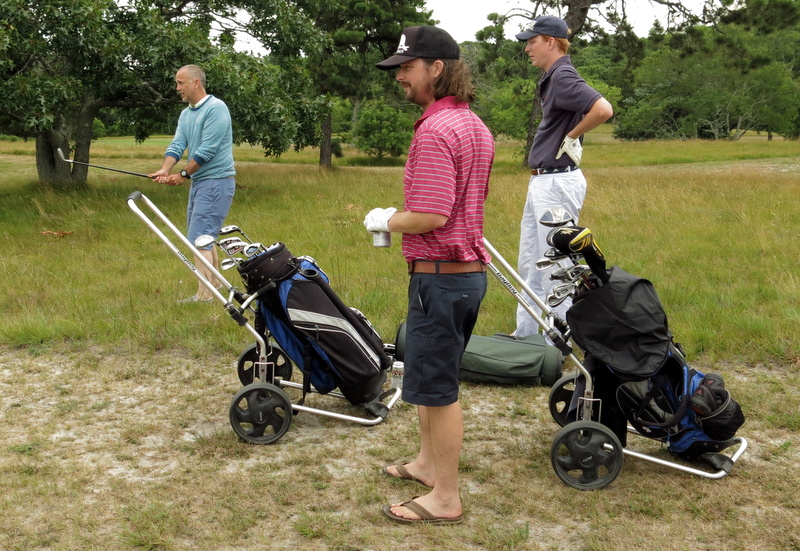
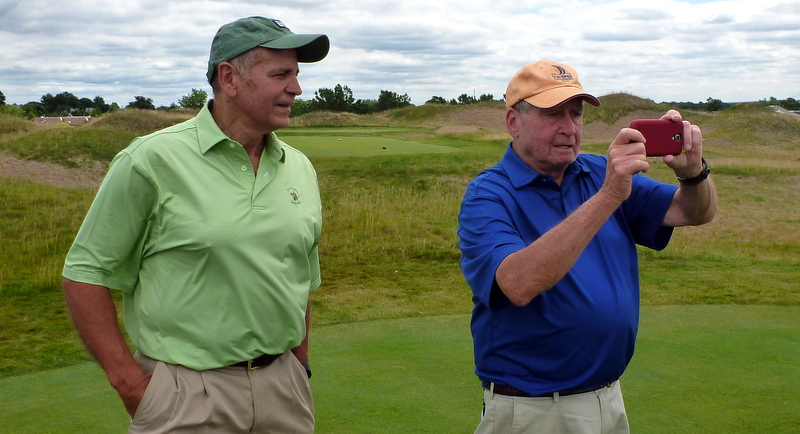
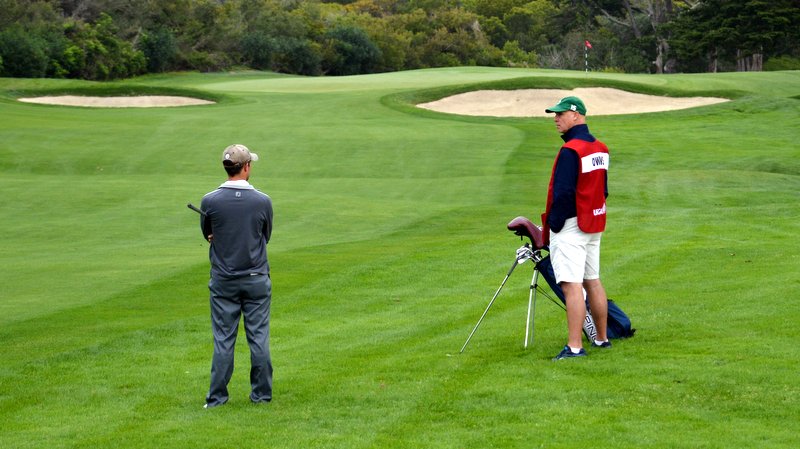
The most famous people ever to have played the R & A, Woodger told us, are probably the father and son of the musician John Cougar Mellencamp. They weren’t there on the day we visited, but these people were:
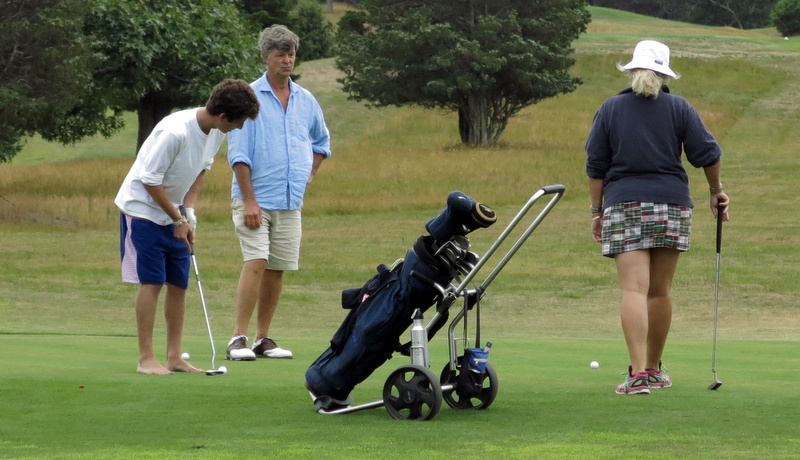
otherplayers

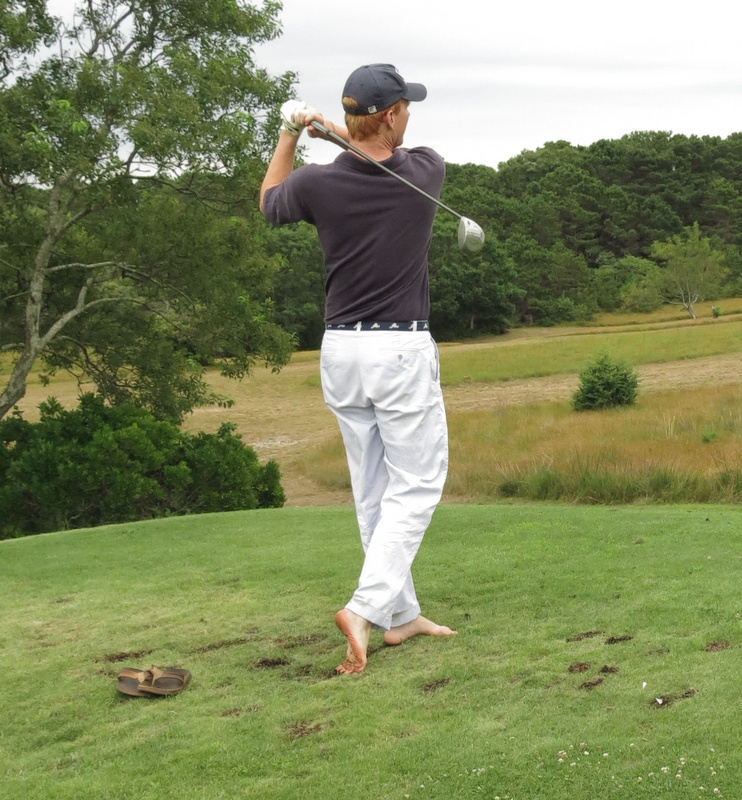
They had roughly the same idea about appropriate footwear that we did:
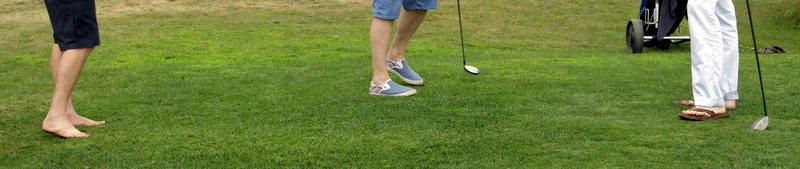
golfshoeselection

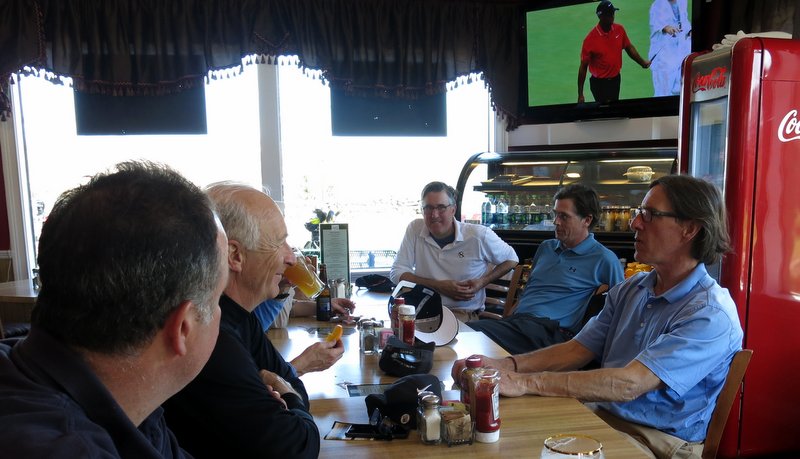
After our round, we had a beer and a Diet Coke on the back porch of the current clubhouse. If Luke and David seem eerily familiar to you, it could be because you are one of the vanishingly small number of people who, in 2013, watched the the short-lived ABC Family reality-TV show The Vineyard, in which they appeared as extras. That’s Luke on the left and David in the middle:
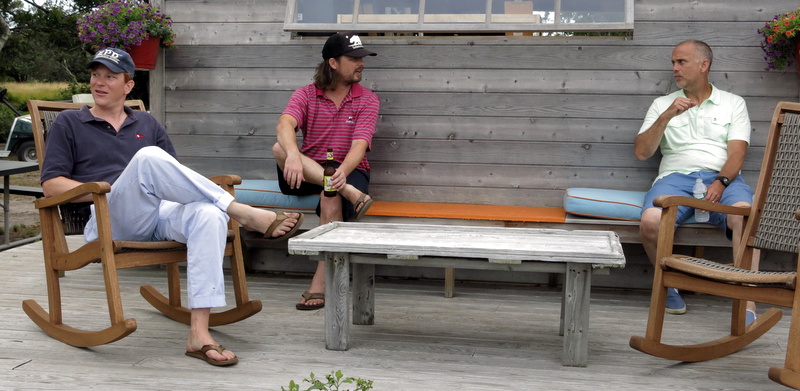
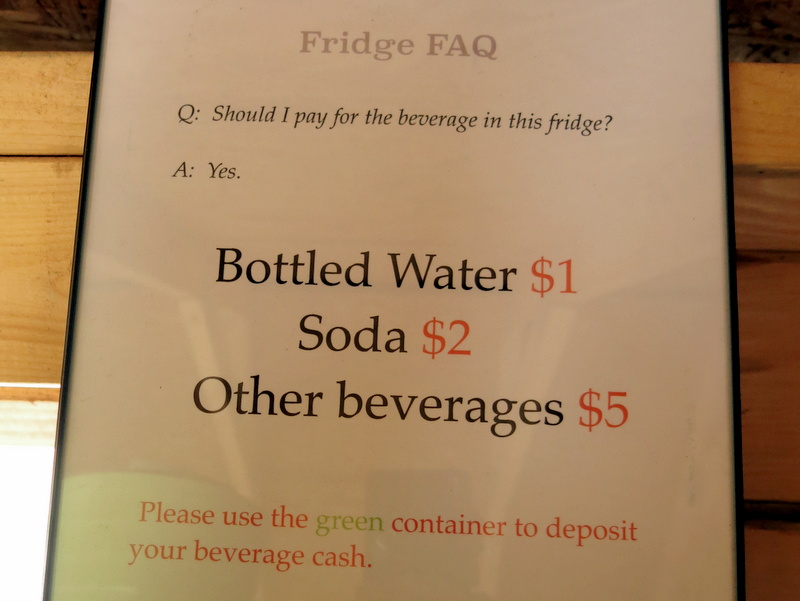
beerclubhouseThe beer and Diet Coke, along with a few snacks, were kept in a small refrigerator inside the clubhouse. Hanging above the refrigerator was a list of frequently asked questions about it:
beerfaq

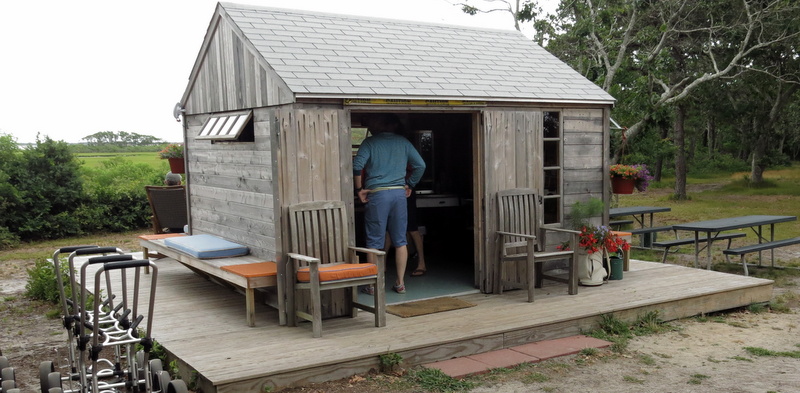
A memorable day. Here’s the front of the clubhouse. Only so many people can stand inside it at one time. If you have sharp eyes and aren’t reading this on your phone, you may be able to make out the fridge, through the door. It’s over on the right:
clubhousefront

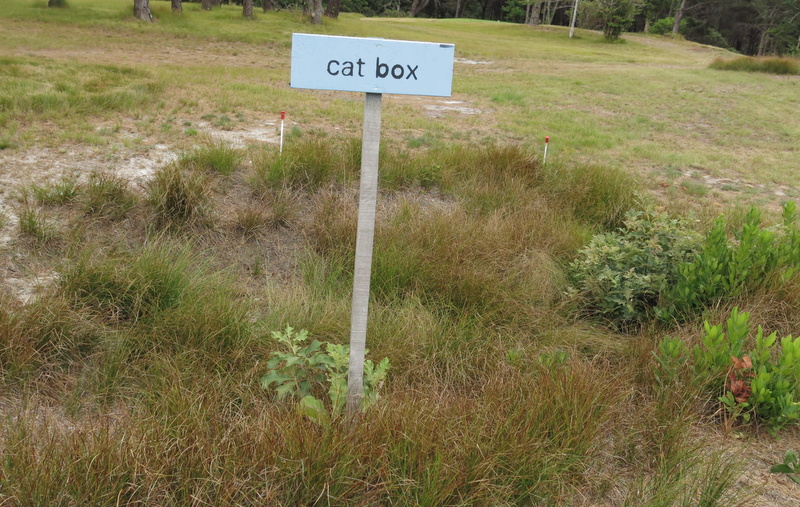
And here are some other photos:

ontheteechappy

catboxbhappy

Those little poles on the tee box in the photo above are lights for night golf.
lukemorgan

davidpeek

randasign

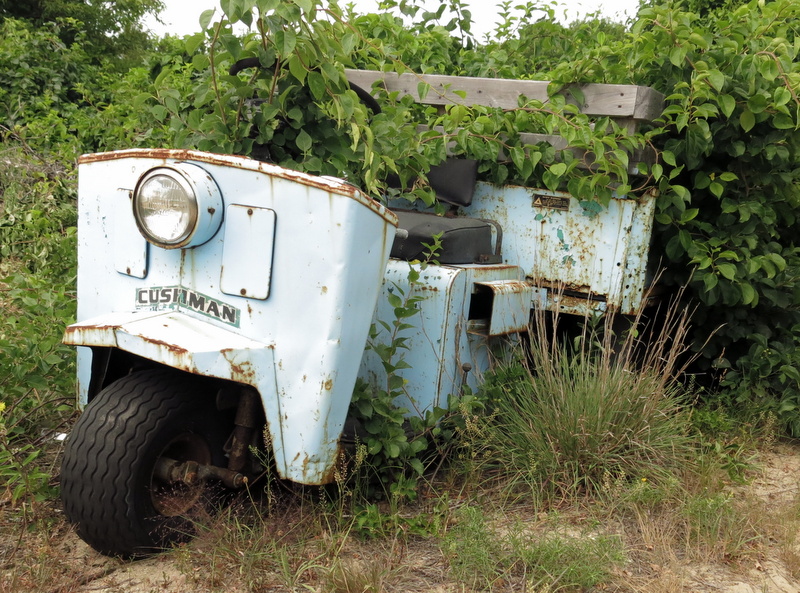
I’m not sure what this is, or was:
abandonedthing

Do You Get Free Relief From a Sinkhole?

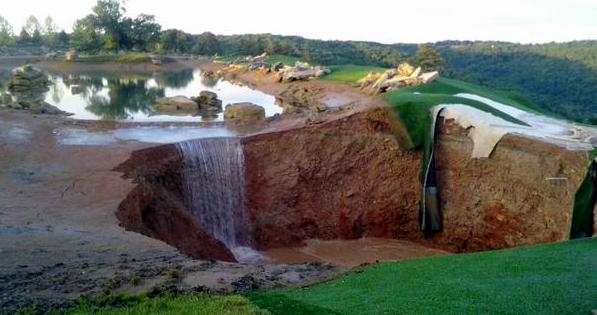
Last year, a Champions Tour event made history by becoming the first PGA Tour-sanctioned tournament to be held partly on a par-3 course. his April, the same tournament returned to the same course, called Top of the Rock, and if the timing had been slightly different it might have made history again. Just a month after the tournament (the Bass Pro Legends of Golf at Big Cedar Lodge, won by Billy Andrade and Joe Durant), four sinkholes opened up near the driving range. Nobody was hurt, but the sinkholes were big enough to have held the full field, with plenty of room left for just about the entire Golf Writers Association of America. Sheets of fake white bunker sand and closely-mown artificial turf drooped over the edges of the main opening, like fondant icing on a wedding cake. The drop to the deepest part was forty feet.

toprocksinkhole
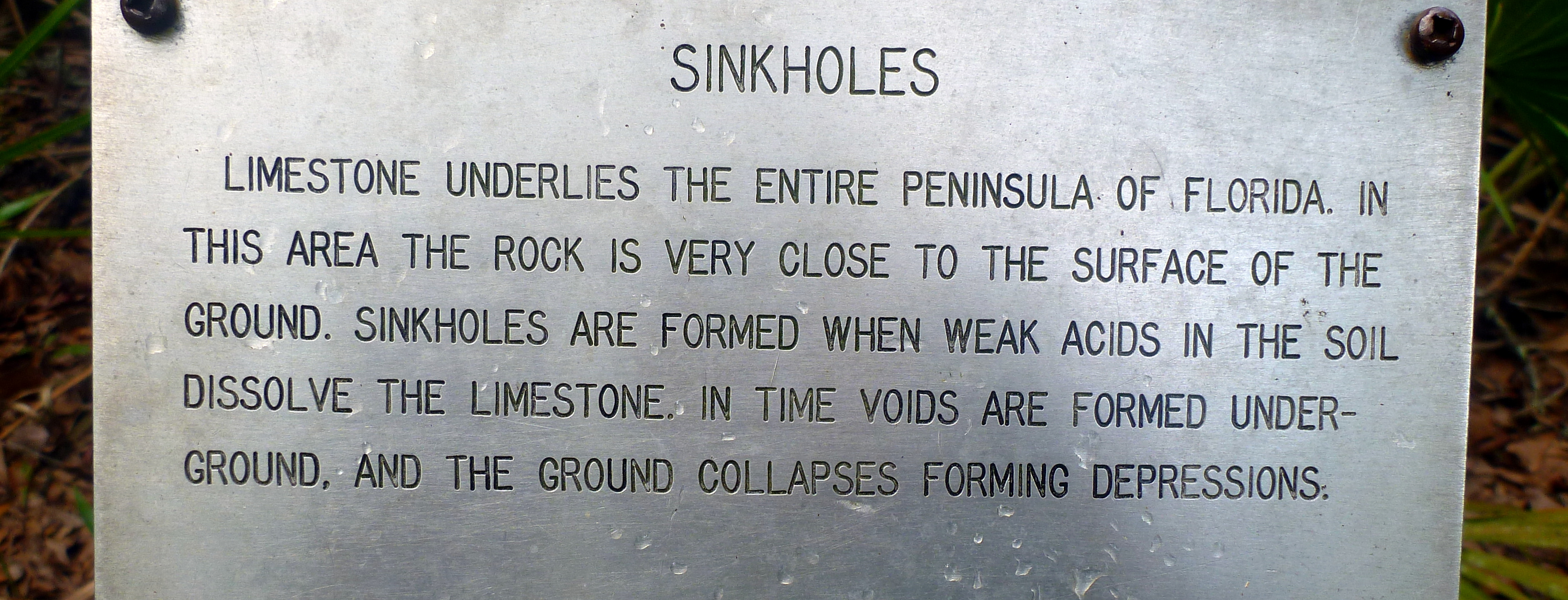
Top of the Rock was designed by Jack Nicklaus. It’s in southwestern Missouri, in a gently mountainous region called the Ozarks, and it’s virtually next door to the town of Branson, which is sort of what Disney World would be if you replaced Epcot Center with Dolly Parton. The bedrock underlying the area is mostly limestone, which consists of the solidified, calcium-rich remains of many millions of years’ worth of dead sea creatures. Rainwater becomes mildly acidic as it picks up carbon dioxide from the atmosphere. When it lands on terrain like that, it seeps through the soil and into fractures in the rock, then gradually enlarges the fractures into fissures and conduits and caves and subterranean streams, creating a Swiss cheese-like landscape of a type known as karst. If the voids become large enough, the ground above them can collapse. In 1981, a sinkhole in Winter Park, Florida, near the center of another golf-and-karst region, swallowed five Porsches, a three-bedroom house, and the deep end of a public swimming pool.
P1000554
Randall Orndorff is a geologist for the United States Geological Survey. Between 1995 and 2005, he spent a lot of his professional time in southern Missouri looking into sinkholes, crawling through caves, and mapping the geology of a formation called the Salem Plateau, which is the rock that’s next to the rock that Top of the Rock is on top of. I spoke with him recently, and he said that a neighbor who saw him using a garden hose to wash cave mud off his clothes once told him, “Thank god my husband’s a lawyer.” He also said that, although natural sinkholes are common in karst areas, human activity can accelerate their development.”
P1000474
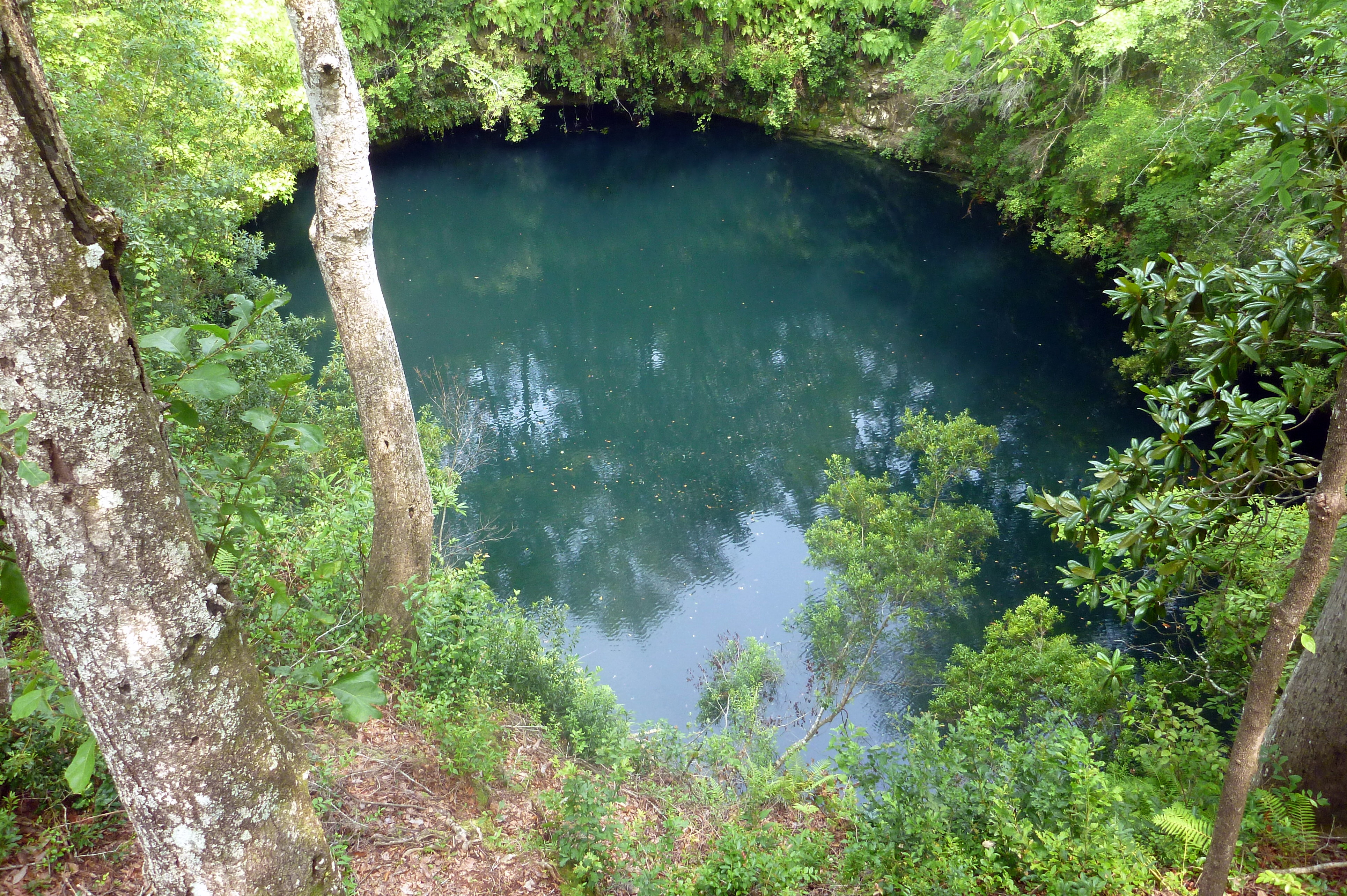
The photo above is of a sinkhole in Florida called Big Dismal. I visited it a couple of years ago while researching an article about sinkholes for The New Yorker—which you can read here. I also spent some time with a group of divers whose hobby is exploring sinkholes and underground streams.
P1000495
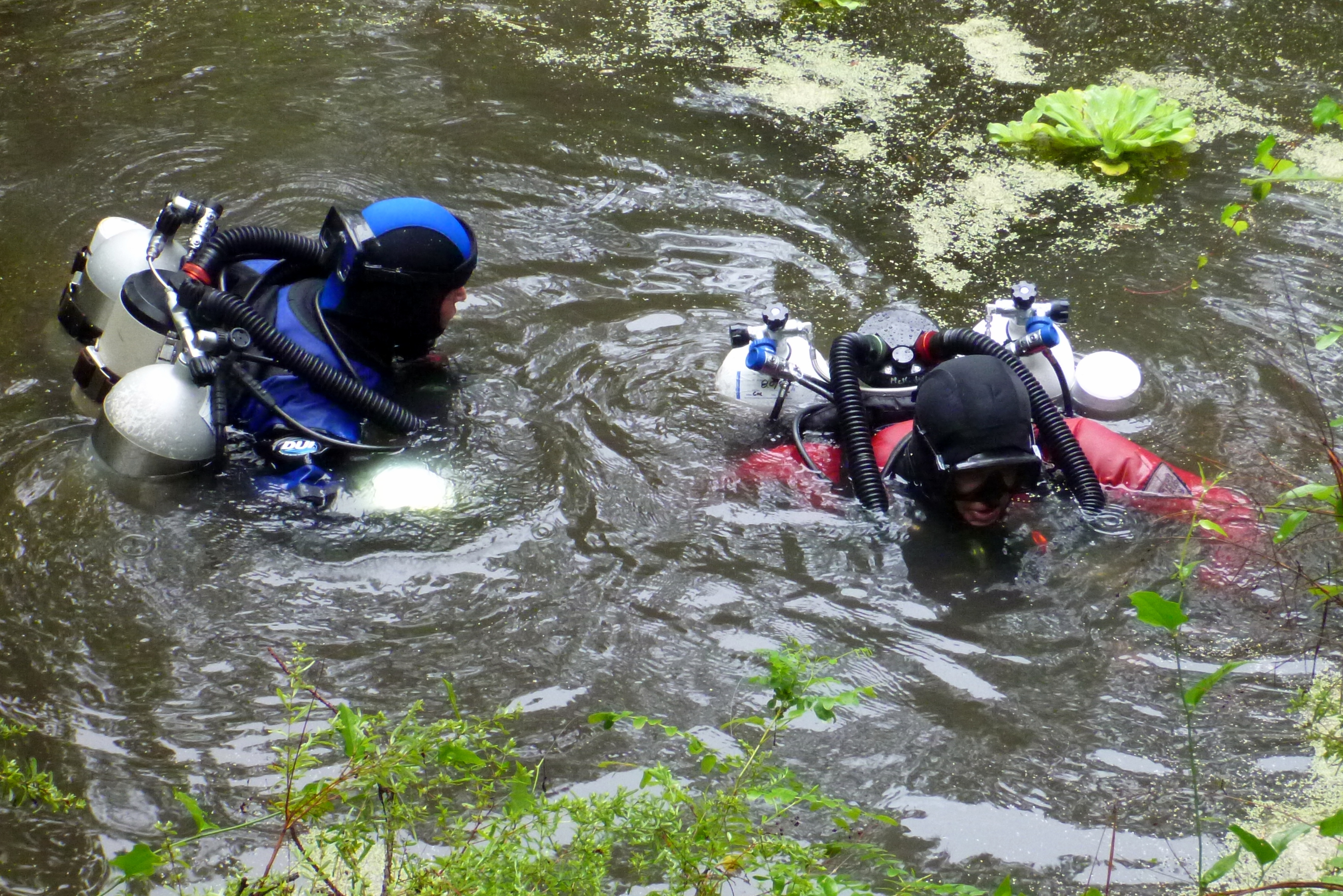
In 2007, two of them set a world record by making a seven-mile traverse through Florida’s Swiss cheese, from an opening called Turner Sink to Wakulla Springs, a state park about fifteen miles south of downtown Tallahassee. The average depth of the traverse was close to 300 feet—about the same as the wreck of the Lusitania—and the total submerged time was 21 hours. Here two of them are getting ready to make another dive in Turner Sink:
P1000522

Where do golf-course sinkholes come from? “There are a lot of factors,” Orndorff told me. “When you’re on a slope, you have more groundwater draining, and draining more rapidly—almost like flushing a toilet. The pond you see in those pictures of Top of the Rock is man-made, so now you’re changing the hydrodynamics of the area, and collecting water that used to percolate into the ground; you’re also adding weight to the surface. Something we see in suburban development is collapses near the outlets of retention ponds, where erosion is the greatest.”

P1000468

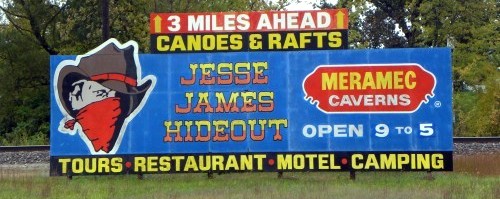
I grew up in Kansas City, about two hundred and twenty miles north of Top of the Rock, and when I was a kid my family visited the Ozarks fairly often. During one trip, I got into trouble for standing behind my father and pulling his hat down over his eyes while he was driving. (This was the era when dads wore fedoras and nobody wore seat belts.) My sister and I would beg him to stop whenever we passed a billboard advertising a cave, as we seemed to do every couple of miles. He always refused, saying the caves were just holes in the ground and could give way at any time. Now, half a century later, I guess I can see his point—although I still think we should have stopped.

meramec-caverns-sign

“Some people are asking why they didn’t close the golf course,” Orndorff said. “But that whole area is prone to sinkholes, and the next one could be miles away.” He also said that, as far as my father’s speluncaphobia was concerned, “You don’t hear of too many caves collapsing and killing tourists. In fact, I don’t know of any.”

P1000520

Let’s Check In With President Trump

trumpowen

I missed the first episode of Donald Trump’s awesome new reality-TV show, on Thursday night, because I was playing bridge with my old-lady friends. I thought I was recording it but when I played it back the next morning I discovered that what I’d actually recorded was a cheap knock-off show starring Rick Perry and Carly Fiorina. Oh, well. I’ve got a pretty good idea what it was like, because Trump and I talked on the phone in June. He was just No. 2 in the polls then, and when I asked him if there was any presidential-type announcement he wanted to make he said, “Yeah, I’ll give it to you.”

trumpsquare

Then we went back to talking about golf. I had called him because three friends and I had just played Trump Golf Links at Ferry Point, in the Bronx—a brand-new golf course, which is owned by New York City but managed by Trump on a 20-year-lease. I was pissed because golf carts are allowed but pushcarts aren’t. That’s the only bad thing I have to say about the course, though. (You can read more about all that in my column in the September issue of Golf Digest.)

P1160159

I assume that one of the first acts of the Donald Trump/Rosie O’Donnell administration will be to nationalize the U.S.G.A. and the P.G.A. of America, and schedule all future American major championships on courses that Trump owns or operates. Maybe the U.S. Open will be held at Trump’s club in West Palm Beach, which is just across the Intracoastal Waterway from Palm Beach, which Trump described to me once as “the richest place anywhere on the planet, in terms of, you know, wealth.” Whether or not that happens, Ferry Point is worth a field trip. And if you have a late flight out of LaGuardia, perhaps while fleeing the country following Trump’s election, you can stop on your way to the airport.

P1160142

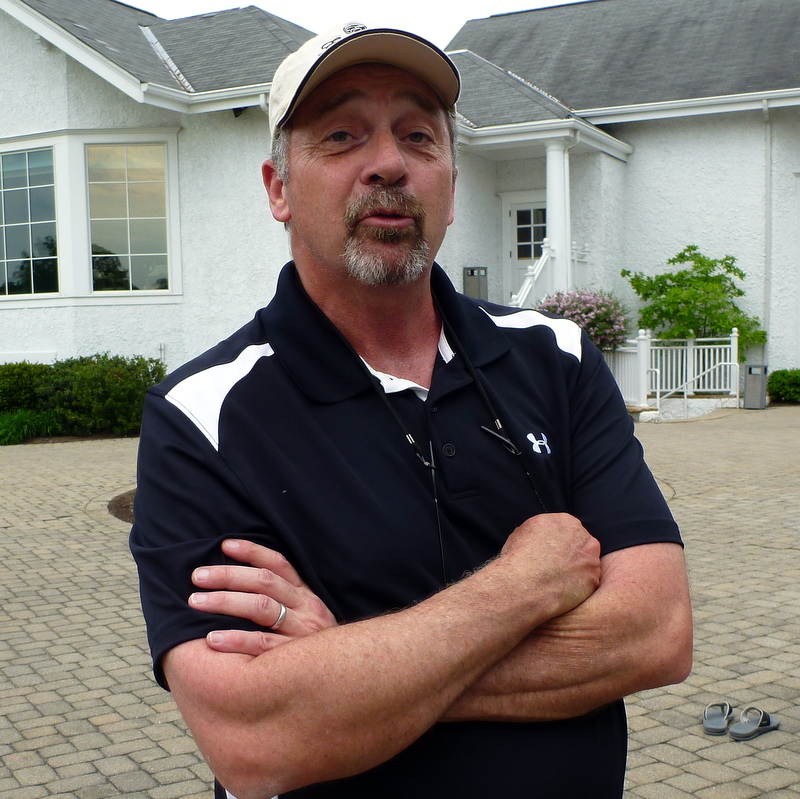
I played with Tony, Hacker (real name), and Gary, our terrific superintendent, and the four of us walked and carried, after dumping a lot of extra stuff in our cars. The photo above is of the guys who were playing just ahead of us. Four guys playing with two caddies are even slower than four guys riding in two golf carts, so I had plenty of time to take pictures. The course is a worthy tribute to Scottish and Irish links golf, and although it’s expensive it’s not overpriced for what it is. Here’s Tony in the native Bronx fescue:

P1160099

And here are Gary and Hacker:

P1160093

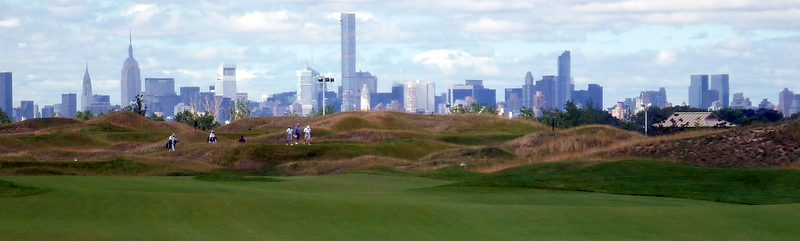
The views alone are worth the green fees. Here’s the Brooklyn-Manhattan skyline:

P1150949

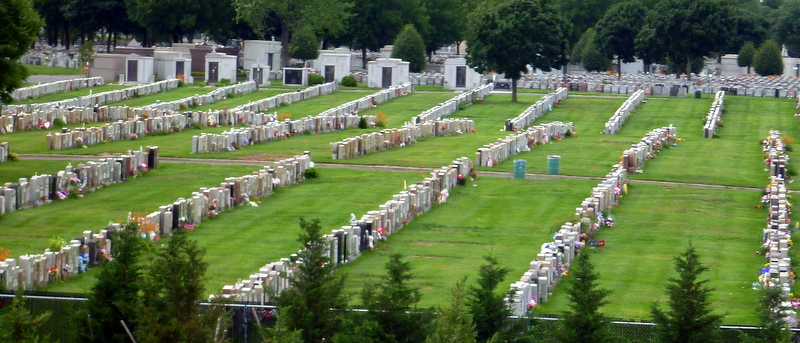
And the cemetery where Charles Lindbergh dropped off ransom money for his kidnapped kid, to no avail:

P1160007

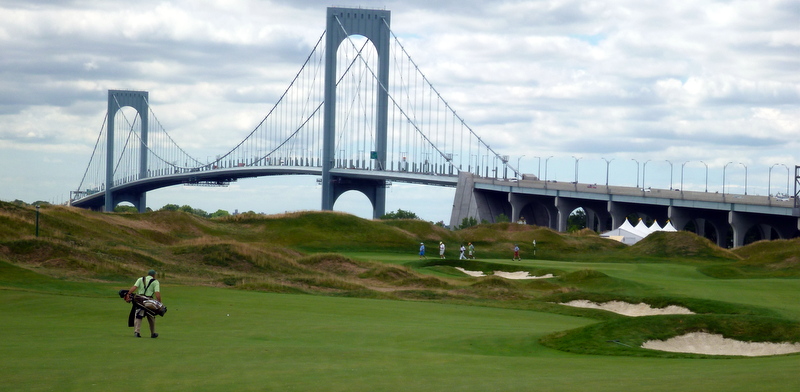
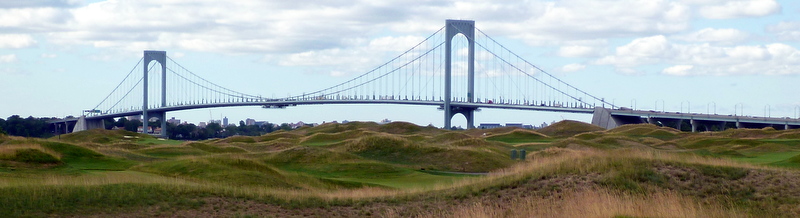
And the Bronx-Whitestone Bridge, which looks like it connects Queens to the eighteenth fairway:

P1160044

We’re going back, just as soon as we’ve slipped enough hundred-dollar bills out of our wives’ purses.P1150951

How To Play Golf With a Broken Neck

P1060071.JPG
My column in the August issue of Golf Digest is about my friend Thomas Tami, an ear-nose-and-throat doctor in Cincinnati, who broke his neck when he was in college, forty years ago, and took up golf a decade later even though he can’t turn his head without turning his torso.”When I take the club back,” he told me, “I completely lose the ball, and I never pick it up on the way down.” He’s a player, though. His best score for 18 holes is 76 at his home course, Hyde Park Golf & Country Club, which was designed mostly by Donald Ross. Here’s a video of Tami hitting a shot at Hyde Park two years ago:
Try that yourself sometime (on the range) if you think it looks easy.
P1060076

Golfer Discovers His Wife is a Fairy Princess

DanMillerTurnberry

A friend once told me he woke up every morning hoping his wife would turn to him and say, “Darling, I’ve watched you carefully all these years, and I am now convinced that you really do love me for myself, and I am happy to tell you that I have a $250 million trust fund that I’ve never mentioned before.” Well, she never did (and they’re now divorced). But not everyone is as unlucky in marriage as my friend.

Dan Miller, a reader—that’s him in the photo above, taken on the Ailsa Course, at Turnberry—wrote recently to say that his wife’s employer (which sells software to hotels) had transferred her abroad for at least three years, and that they had just completed their company-financed move to . . . Scotland. He writes:

A nine-week trial run last fall sealed the deal. As I asked my wife when we returned to Los Angeles, last Thanksgiving, “How can we be home and yet homesick?” Between yard sales, Craigslist, and eBay, we sold off or gave away much of what we owned States-side, and began bidding online at auctions in Scotland to furnish our new home, in the market town of Kelso.

Kelso is in southeastern Scotland, right on the border with England. It’s less than 50 miles from North Berwick Golf Club, which is one of my all-time favorites. Here’s Kelso:

Kelso

Miller continues:
Will we land on our feet in the home of golf? So far so good. Establish local bank account? Check. Buy used right-drive car? Check. Join local golf club (specifically Goswick, a James Braid links course just across the border with England)? Check. A few bumps in the road? Yep. But absolutely no regrets. Six weeks into our adventure, Scotland still feels like home.
OldCourse18
Miller himself had no trouble switching continents, because he’s a writer. And, although writers are notoriously lazy, wife-mooching bums, he is at least pretending to pull his weight during this adventure, because he has written and self-published a novel called Machrihanish, which happens to be the name of another of my (and his) favorite golf courses. Here’s a photo he took at Machrihanish, looking back toward the clubhouse:
Machrihanishtowardclubhouse
And here’s the jacket of his book:

Machrihanishsquare

Why don’t you buy a few copies and take them on your next golf trip to Scotland? Maybe some of his good luck will rub off.

Is This the World’s Greatest Golf Course?

P1130274

On Memorial Day weekend, I played Friday afternoon (lost five dollars), Saturday morning (came in third in a two-man scramble, playing with Tim), Saturday afternoon (advanced to the final in the member-member, also playing with Tim), Sunday morning (won six dollars), Monday morning (won low gross in the nine-hole Memorial Day mixed shamble, playing with Madeline—my golf wife—and an actually married couple), and Monday afternoon (lost five dollars). Then I played again on Friday (lost five dollars) and Saturday morning (won the member-member, one-up, playing with Tim.) That was a pretty good eight-day run, so I wasn’t totally bummed when we had thunder, lightning, and heavy rain just before 7:00 the following morning.

wundermapam
I sent an email to the Sunday Morning Group saying I’d bring a couple of decks of playing cards, and Hacker (real name) suggested that we eat our cheeseburgers and hot dogs (supplied by Barney) for breakfast, instead of lunch. But the lightning had stopped by 7:30, so we played golf instead of setback. One very good thing about rain is that it scares away slackers: twenty regulars showed up, and we had the course to ourselves.

P1150667

Getting soaked was better than inhaling pine pollen—something we’ve done a lot of this spring:

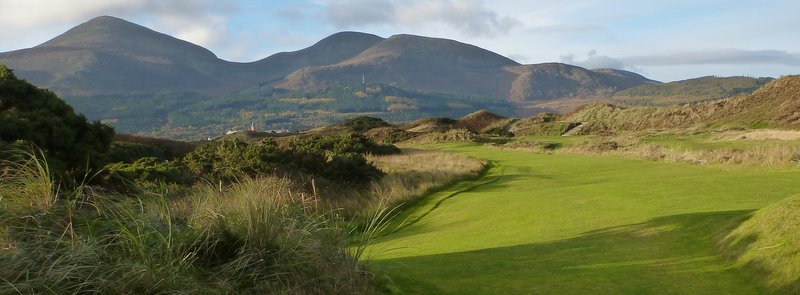
P1150687Because I was up early on both Saturday and Sunday, before I left for the club I watched some of the Irish Open — by which, of course, I mean the Dubai Duty Free Irish Open Hosted by the Rory Foundation. The D.D.F.I.O.H.R.F. was held this year on a course that many golfers would pick as the best in the world: Royal County Down, in Newcastle, Northern Ireland.
P1100527

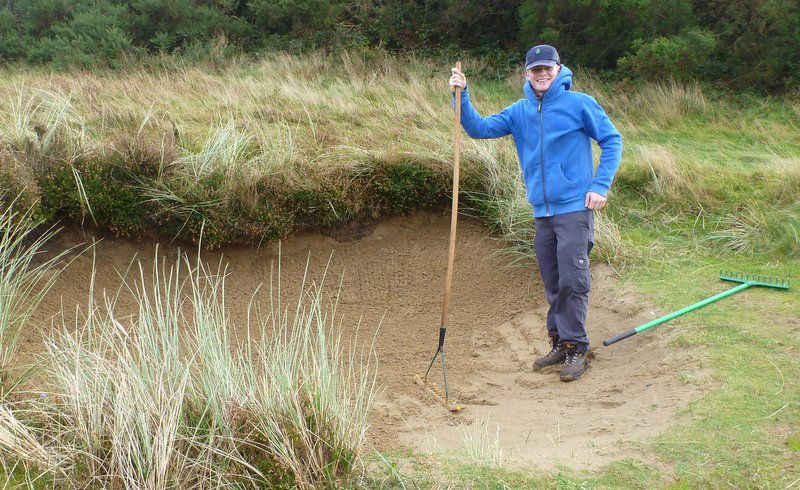
Among its many memorable features are its bunkers, which are maintained by vengeful demons:

P1100739

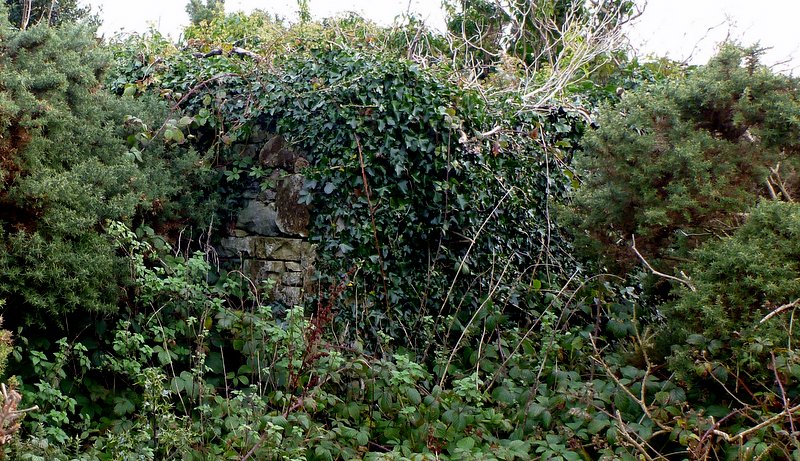
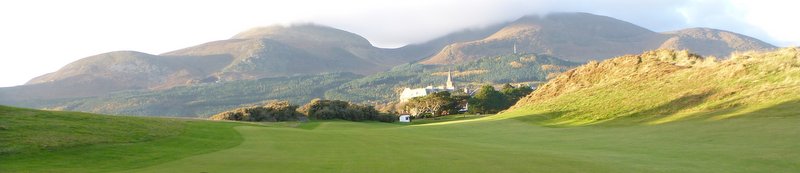
During a round at Royal County Down in 2013, my playing partner and I waded into a jungle of whins and briers near the eleventh tee to look for a century-old relic that a caddie had told me about two years before: the remains of a small stone building, which the maintenance crew had uncovered during an aggressive gorse-removal project. We found it, at some risk to our clothing, although it was so overgrown that we couldn’t see much more than one corner.

P1100734

Later that day, Harry McCaw—a past captain of both Royal County Down and the Royal and Ancient Golf Club of St. Andrews—told me that he thought the structure might once have served as the literal “club house”: the place where early players stored their clubs.

P1100513

I had driven to Newcastle from Dublin, a hundred miles to the south, and during part of the trip I followed Mourne Coastal Route, a scenic highway. Irish roads are narrow under any circumstances; they become narrower if your eyes are repeatedly drawn to the hills and out to sea—a danger that day, because the sky was so clear that I could see the Isle of Man, halfway to the English mainland.

P1100797

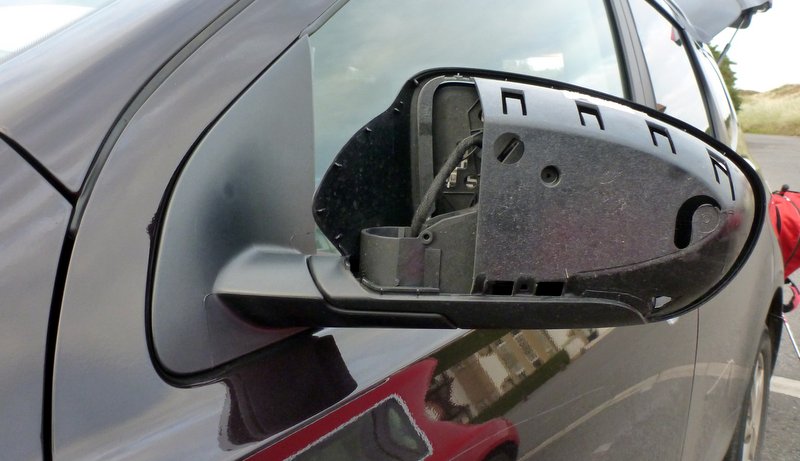
My parents once visited Ireland with another couple, and on an especially harrowing stretch of road my mother, who was sitting in the back seat with the other wife, yelled at my father to stop steering so close to the edge. He innocently raised both hands, to remind her that, in Ireland and the U.K., the driver sits on the right, not the left. During my own trip, I knocked the cowling off the passenger-side mirror of my rental car. I told the clerk at Avis when I returned the car, but she said it happened all the time, and not to worry about it.

P1100843

Will the Open Championship ever be held at Royal County Down? Fingers crossed.

Golf in Morocco: A Better Way to Haggle

I visited Morocco on a golf junket in 2000, and although my companions and I spent a lot of our time playing golf we did other stuff, too.

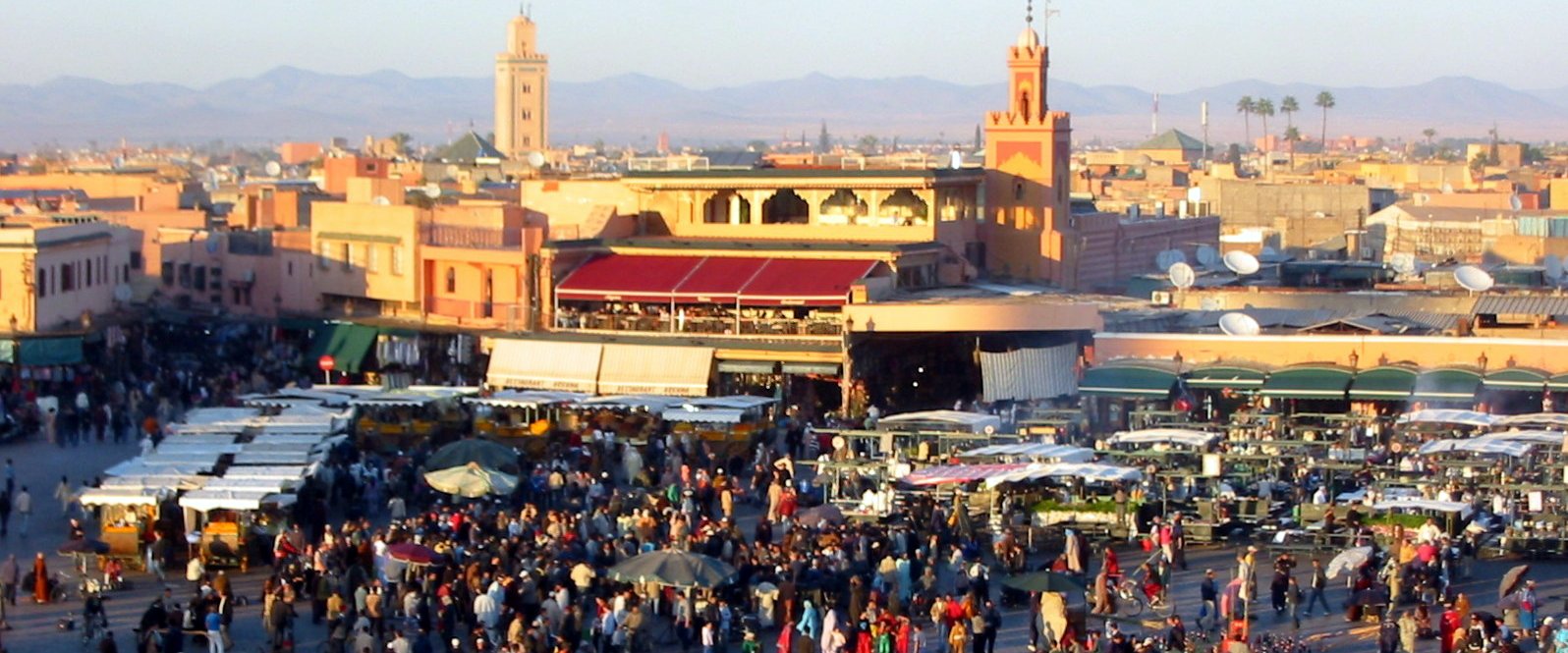
moroccogolfdlo.jpgWe did a fair amount of nosing around in the Jamaa el Fnaa, Marrakech’s huge central square and outdoor marketplace, just outside the front door of our hotel. (You can see both the square and the hotel in Alfred Hitchcock’s “The Man Who Knew Too Much.”)
djemaelfnaa

In the square, for a few pennies, you could have your photograph taken with a large snake draped over your shoulders, and then, for a few dollars, have the snake (now slowly wrapping itself around your neck) removed.

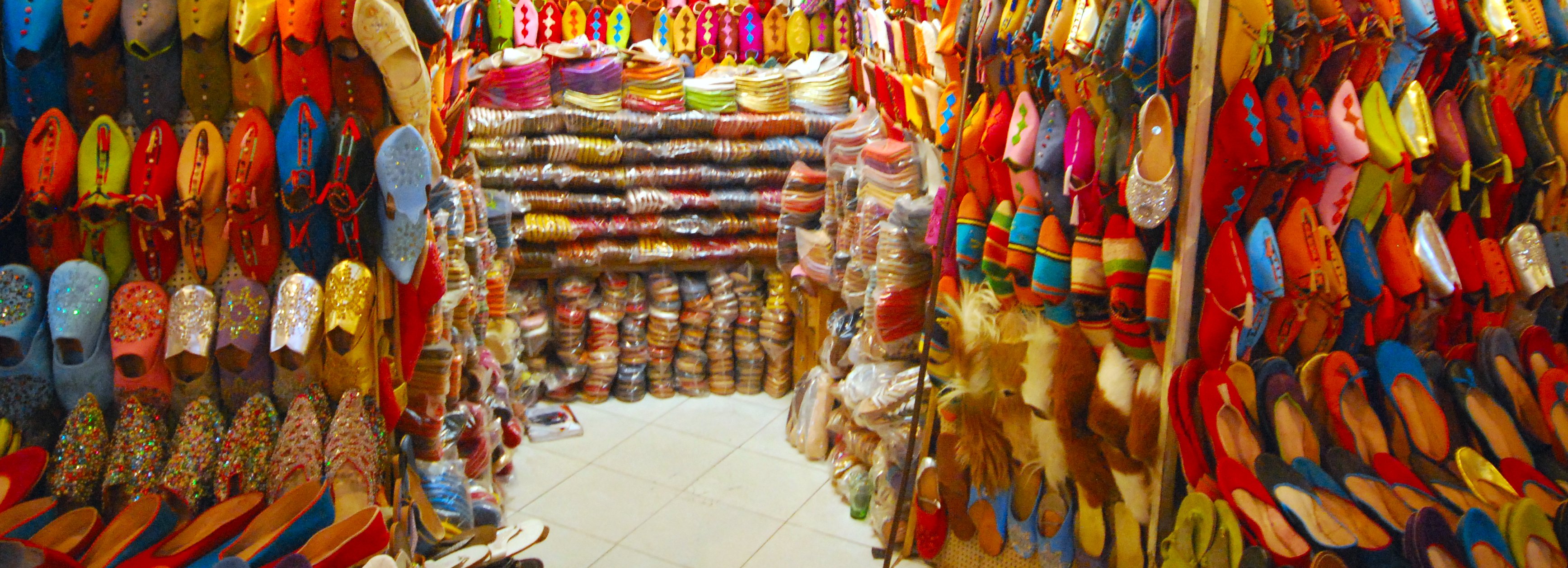
snakeguyfnaa Most guidebooks say that the prices in Moroccan markets are highly negotiable, and that tourists should haggle aggressively. I dutifully bargained a little at one vendor’s stall—and bought my son a key chain attached to a chunk of plastic in which a scorpion had been embedded—but I hated feeling that I was going to the mat over a trivial sum with a man who clearly needed every dirham he could lay his hands on.

marrakechsouk

Then, suddenly, I had a conceptual breakthrough: instead of bargaining down, why not bargain up? I tried my idea first in a taxi, which I was sharing with two other sportswriters. When the driver told us that the fare was eighty dirhams (about eight dollars), I said, “No! A hundred!” He did a perfect cartoon double-take, then looked at me with deep suspicion. I said, in halting schoolboy French, “You are an excellent driver. Eighty is not enough. A hundred and ten!” He then not only laughed but also drove us all the way across a busy intersection, which he had previously seemed inclined to abandon us in the middle of.

dlomarrakech

A little later, in a maze-like souk, I reverse-haggled over the price of a leather purse, for my daughter—“The work is so beautiful!” I said. “Your price is too low!”—and ended up with both a free second purse and an invitation to spend Ramadan with the family of the shopkeeper (I think).
To be continued.

Report (Including Lunch) From the Olympic Club

DSC2039

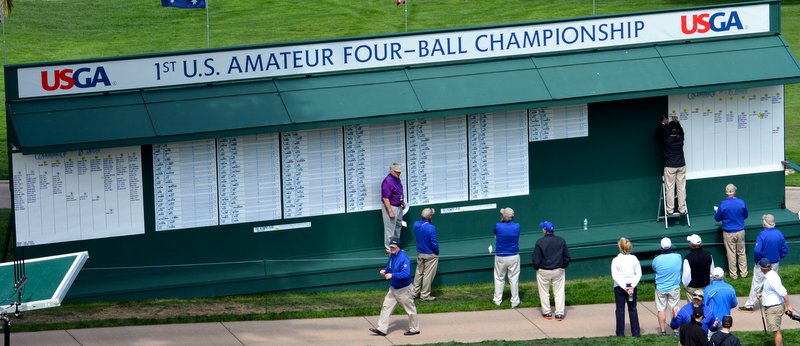
Our golf course has just nine holes, and from the tips it’s only a few inches longer than 5,500 yards, and if you want lunch you have to make it yourself. Nevertheless, the Sunday Morning Group managed to send two golfers—Addison and Todd—to the first United States Amateur Four-Ball Championship, which was held at the Olympic Club, in San Francisco, earlier this month.

DSC1829

They qualified by shooting 65 at our state’s qualifier, at Mill River Country Club, back in September. As a matter of fact, we really sent three golfers to Olympic, because the other team that qualified in our state (by shooting 66) was Ben D.—an honorary SMG member by virtue of his having come on one of our annual golf trips to Atlantic City—and his brother, Daniel. Addison, Todd, Ben, and Daniel played their practice rounds together. In the photo below, which was taken on Olympic’s Lake Course, Ben is the one who didn’t listen when the photographer told them not to look at the camera; the others, from left to right, are Todd, Addison, and Daniel.

lakepractice

Addison and Todd didn’t make it to match play, and Ben and Daniel lost their first match, but they all had a great time. Addison’s mother, Vi, took lots of pictures. Here’s Todd and his daughter Amanda, who caddied for him:

DSC1934

Addison’s caddie was his Uncle Lance, who plays in our member-guest with Addison’s father, Reese, and is therefore an honorary SMG member, too:

DSC1991

Here’s Addison’s report:

We were treated like pros by the USGA and the Olympic Club. They shuttled us back and forth between the hotel and the course, and we were able to use every imaginable amenity in the clubhouse: pool, steam room, hot tub, you name it. Everything was complementary except alcohol. We had our own lockers, and our shoes were always polished. The practice facilities were open from 7 to 7 each day, and the range balls were Pro V1xes. I should have just packed my sleeping bag and stayed in the locker room.

DSC1890

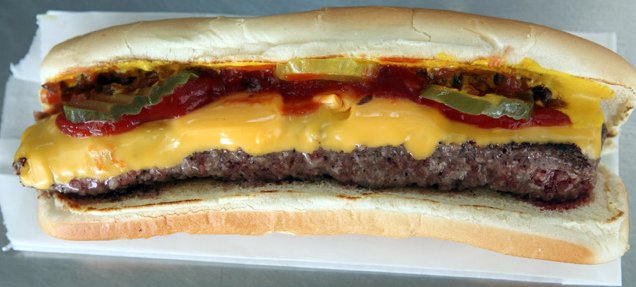
The trip gave everyone multiple opportunities to sample an Olympic specialty: the burger dog. It’s a hamburger that’s shaped like a hot dog and served on a hot-dog bun, and it was invented in 1950 by a man named Bill Parrish. It’s served in a little bag, so you can eat it with one hand and not drip mustard on your shirt.

Olympic burger dog

Todd says he’s going to try to reproduce burger dogs the next time it’s his turn to bring lunch for the Sunday Morning Group. Maybe add bacon?

burgerdogwitheverything-001

Cart-only Rules Should be Against the Rules

richtercarts

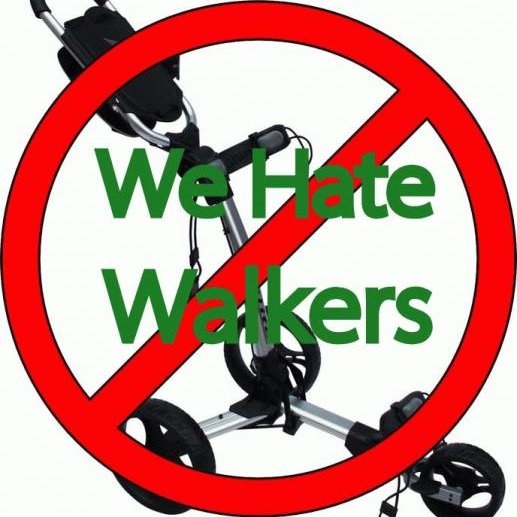
My home course isn’t open yet, but spring is finally truly here, and last weekend 16 of us played at Richter Park, one of the best munis in the United States: great course, stirring scenery, terrific pro, committed regulars, you name it. There’s just one problem: Richter doesn’t allow walking on weekend mornings, even if you pay the cart fee. The thinking, presumably, is that carts are good for pace of play. But, as anyone who walks regularly knows, four golfers on foot will almost always play faster than four golfers in two carts, because four golfers in two carts will almost always spend most of their time either doing nothing (because they’re waiting for someone else to do something) or aimlessly driving around. (The U.S.G.A., which is studying pace of play, should test this. And why not? They spend money on stuff that’s way dumber.)

wehatewalkers

We actually ended up walking almost as far as we would have if we’d walked, because on Sunday Richter was cart-paths-only. The starter had told us that weekend rounds usually take about five hours, and I expected the cart-path requirement to make things worse. But even the slowpokes ahead of us beat five hours, and by a wide margin. I’ve thought about that since then, and I believe the reason, paradoxically, is that having to keep carts on cart paths forces riders to think more like walkers. They plan ahead, to some extent, and that speeds them up. Still, I’ll be happy to be back on my home course, where even three and a half hours is considered dawdling—like these guys, who were sunning themselves in the lateral hazard to the left of the fairway on Richter’s sixteenth, a claustrophobia-inducing par 5:

richterturtle

Burgers, beer, and the Masters afterward, of course.

richtergrill

Golf in Morocco: The King and Billy Casper

hassanfiver

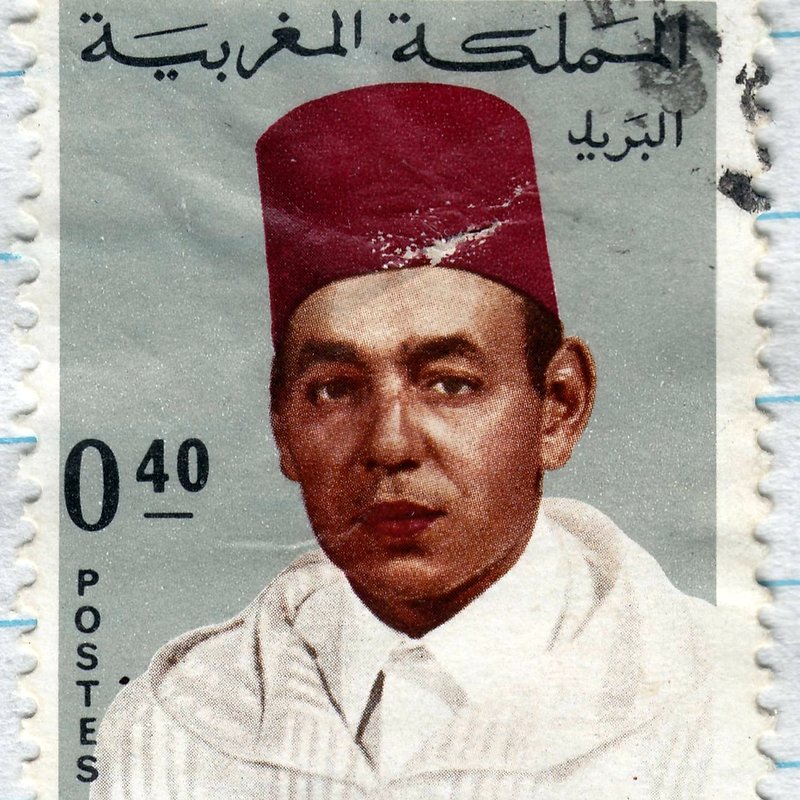
The Hassan II Trophy, held last week in Morocco, was named for the man who ruled that country from 1961 until his death, in 1999—as I wrote in my previous post. Shortly after Hassan died, a journalist described his legacy as “economic backwardness, rising demographic pressures, widespread corruption, vast and open disparities of income, urban overpopulation, rural decay, illiteracy, inadequate public services, underutilization of resources and environmental destruction.”  But he loved golf! To help him learn the game and keep him company while he played, he imported a number of American pros, among them Claude Harmon (who was his teacher), Butch Harmon (who served as the head pro at Dar es Salaam Golf Club, in Rabat), and Billy Casper (who came to like the King and the country so much that he described himself to me as “half-Moroccan.”) That’s Casper on the left in the photo below, and King Hassan in the middle:

CasperHassan

During my first trip to Morocco, in 2000, I got to visit the royal stables, in Bouznika, with two other journalists—something tourists ordinarily aren’t allowed to do. Bouznika is linked to Rabat by one of the best highways in Morocco, a four-lane expressway that could almost pass for an American Interstate, but our driver was unable to find it, so we traveled instead on back roads, stopping every few miles to ask unlikely people for directions.
The landscape along our route appeared to have been constructed from rubble with a thin layer of litter spread unevenly on top. We saw children tending small flocks of ill-looking sheep on the shoulders of the road; greasy shops that appeared to specialize in the sale of bald tires; old men defecating in the middle of otherwise infertile-looking farm plots; and abandoned buildings that were distinguishable from their occupied neighbors mainly by their lack of satellite-television antennas.
At one point, our driver asked for directions from a grimy man and two small grimy boys, who were cooking sardine-size fish in the ashes of a smoky fire within a few feet of the roadway. The boys would languidly throw a couple of fish into the fire, then languidly pull them out and pop them, whole, into their mouths. They didn’t seem to know where we were going, either—but eventually we found the stables and were able to admire king’s extensive collection of Arabian horses, which live in stalls furnished almost like hotel rooms and are closely attended by workers whose main job is to clean up after them as they amble over carpet-like turf. We also got a distant look at one of the King’s private golf courses. It was part of the same complex, and at that moment (as at virtually all moments) it was being played by no one. That’s me in the photo below; the golf course is in the background:

DLOmoroccokingscourse2000

Casper was the architect. He said the King had asked him to design a course for the site, and that he made drawings and sent them to the palace but ever heard anything back. “Then someone told me the course had been built—and from my drawings,” Casper said. It turned out that the King’s construction crew had simply superimposed Casper’s layout on the existing fields, and had done none of the indicated contouring. As a result, the fairways all run as the fields used to run, and the greens are all flat (and huge). Casper told me he had never played it—something he could have done only at the invitation of the King. Another journalist explained: “Morocco is a real kingdom, not a constitutional monarchy, and the King thinks like a king.” In other words, inviting the architect to give his own course a try is something that wouldn’t occur to him. We did get to sit on the roof of the King’s personal clubhouse, though—and that’s where I am in the photo above.

hassanstampsq