Field Test: True Linkswear Elements and Pants-in-a-Jar

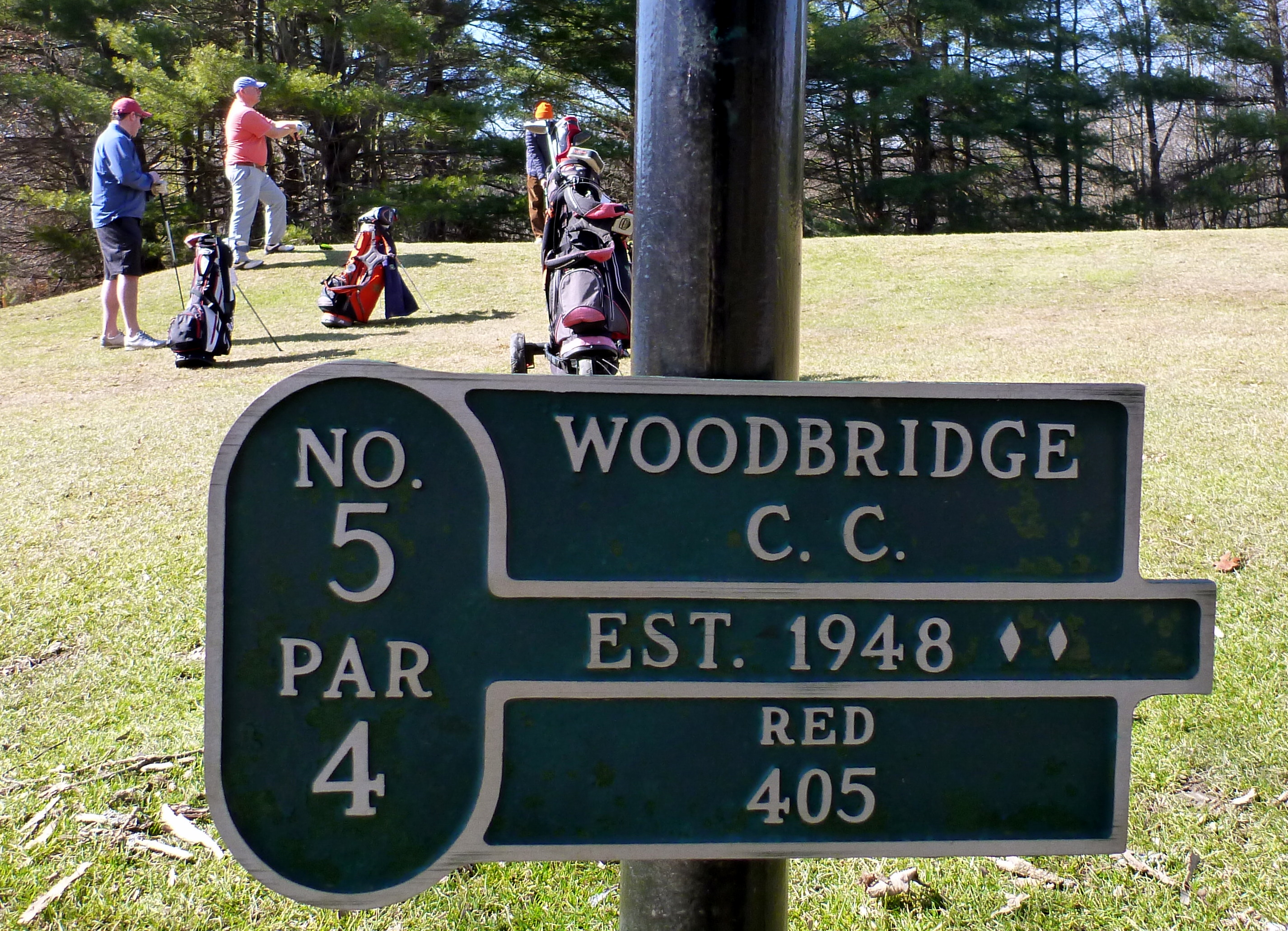
We had a huge rainstorm the other day—a good thing, for two reasons. First, the storm gave me an opportunity to pursue what I now realize would be my No. 1 choice of occupation if for some reason I could no longer work as a writer: vacuuming up water. (Our basement was flooded, and I spent a fulfilling evening emptying it with my wet/dry Shop-Vac, my portable sump pump, and a hundred feet of garden hose.) Second, the storm washed away all the remaining snow in this part of the country, making several area golf courses fully playable again. On Sunday, my friends and I traveled to the Woodbridge Country Club, which we first visited in early December:

Ice-free pond at Woodbridge Country Club, Woodbridge, Connecticut.

Ice-free pond at Woodbridge Country Club, Woodbridge, Connecticut.

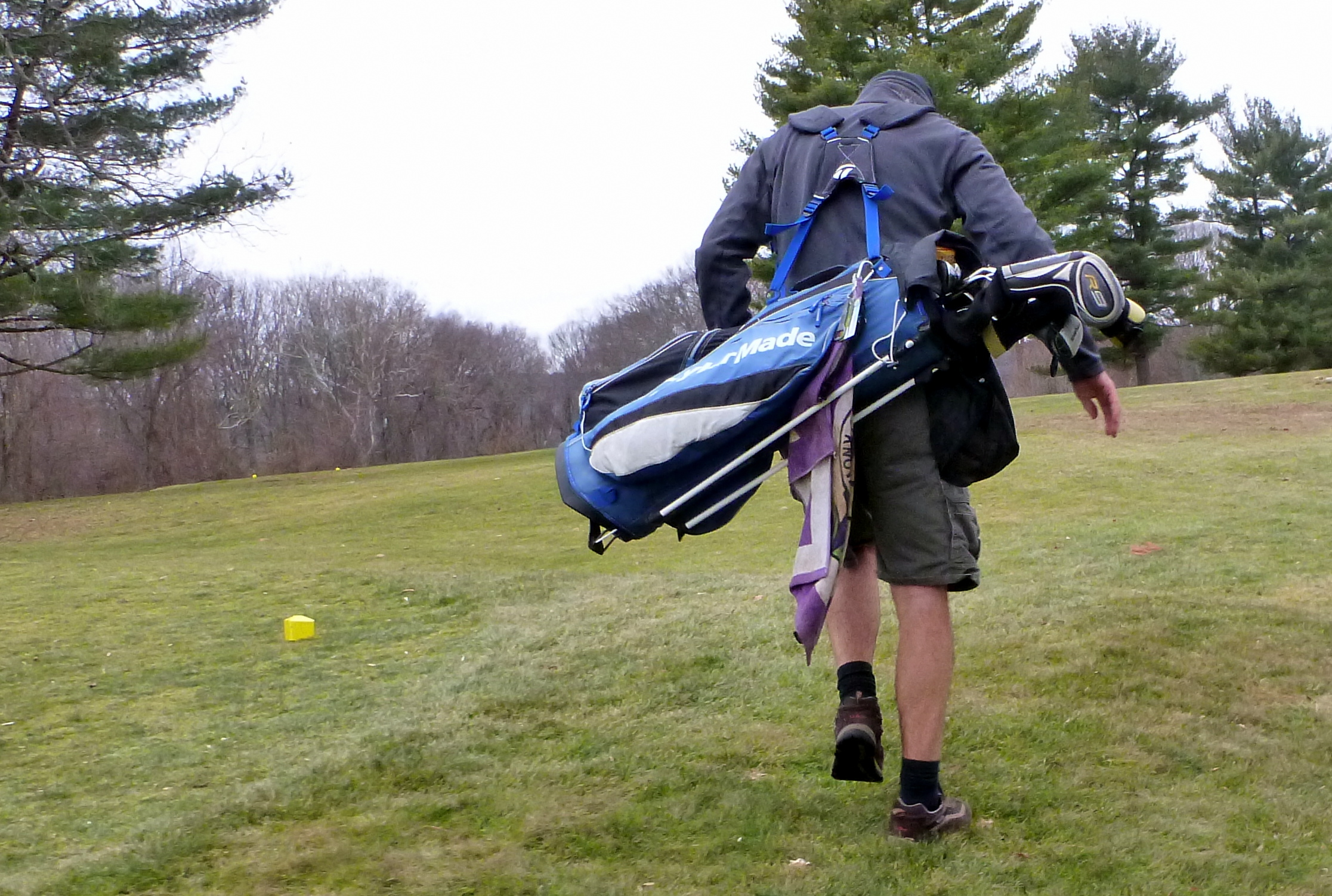
The course was wet and muddy in lots of places, and I was able to test my latest golf-related purchase: a pair of True Linkswear Elements golf shoes. I’ve been an enthusiastic unpaid shill for True Linkswear for several years, but we had a falling out a few months ago over an earlier model, called True Motion, which apparently are not supposed to be worn outdoors. (Mine fell apart.) The company assured me that it was on the case, and that Elements (which are new this year) would address all my issues. I wore mine around town for several days, then subjected them to Woodbridge.
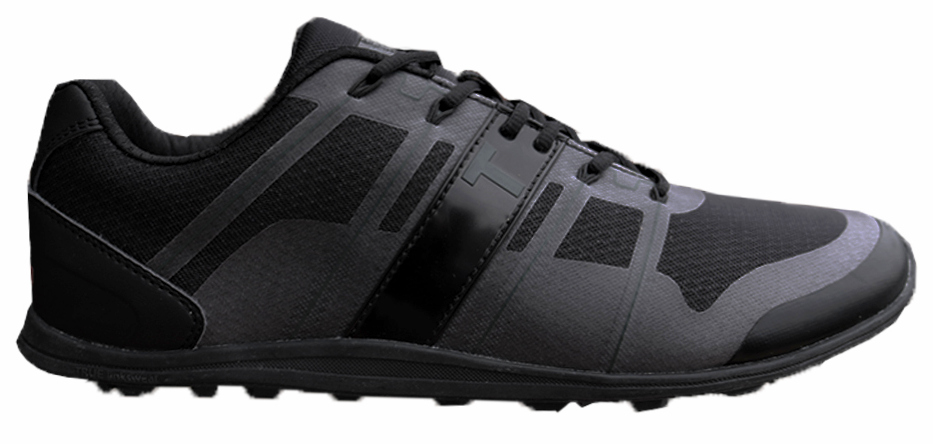
true elements

As far as I can tell, they fully live up to their billing. They’re insanely comfortable, like all my dozen other pairs of True golf shoes, and, even though I purposely stood in puddles, they never leaked. I’m going to order a second pair and take both to Ireland in early May. (You can find them online for a hundred bucks.) My only wish is that True would make a high-top version. Their shoes are so low-slung that your socks, which probably aren’t waterproof, are vulnerable in tall grass. Rickie Fowler has made the world safe for high-top golf shoes. Let’s go!

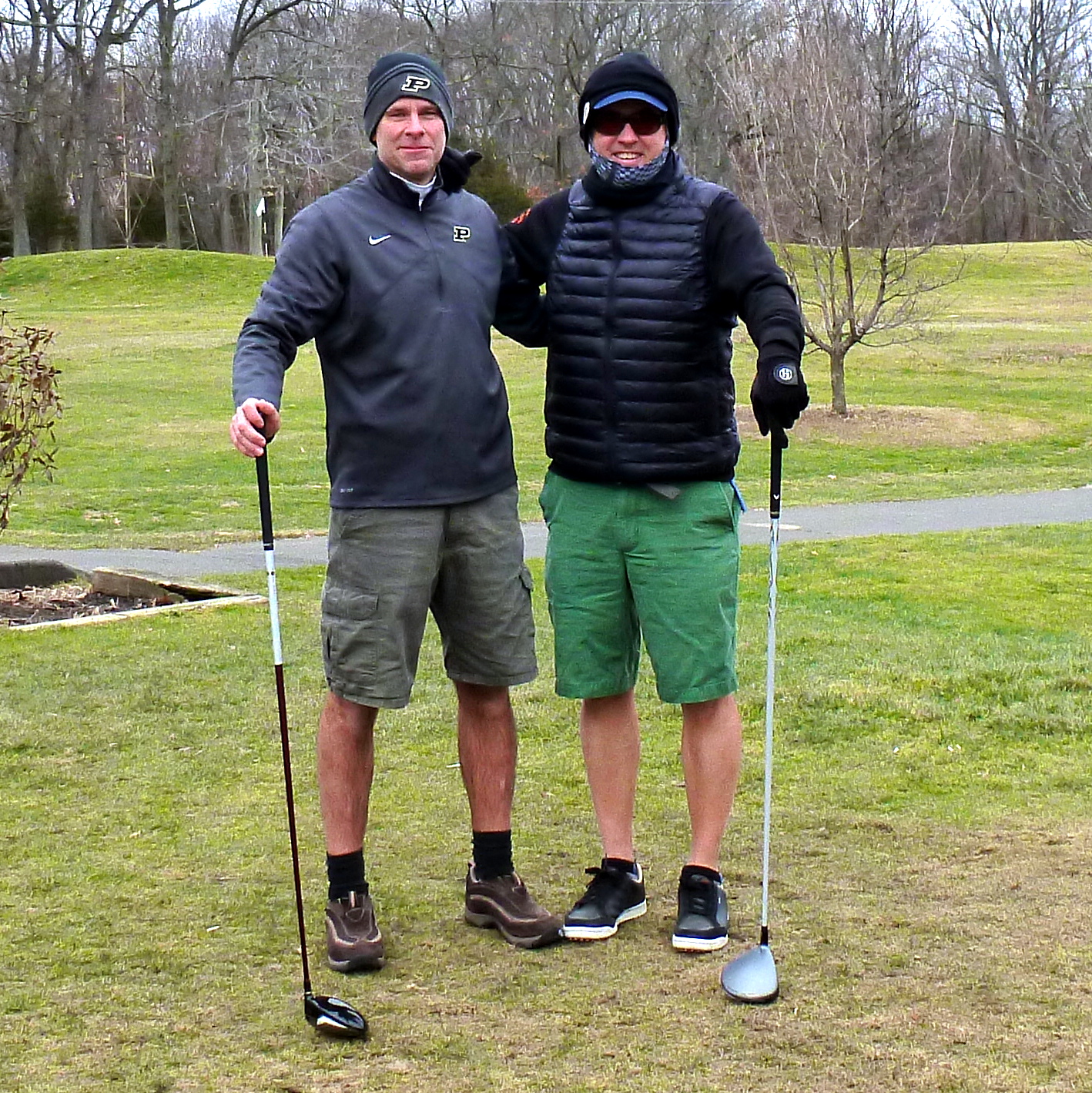
Doug and Keith.

Doug and Keith.

The group on Sunday included Keith, a new member. Doug, who’s a teacher, asked him if he and his wife have kids; he said they don’t yet, but that they have “pulled the goalie.” Keith looked like a veteran, because he had dressed to take advantage of our winter shorts rule (two extra handicap strokes for shorts after December 1). I wore shorts, too, and I supplemented them with a concoction that I’m thinking of marketing, as Pants-in-a-Jar. It’s a mixture of Warm Skin (“a soothing balm that moisturizes and insulates against weather extremes”) and capsaicin creme (an arthritis ointment that generates heat). Warm Skin is what many NFL players use to protect themselves when they play in Green Bay in December. I rubbed a ton on my bare legs before we teed off, and I never felt cold.

IMG_1277

I’m hoping that I won’t need to use Pants-in-a-Jar many more times this winter. Three of us ran into our club’s greens committee at a local breakfast place on Saturday, and although we couldn’t overhear what they were talking about we decided that maybe they were discussing an opening date. Fingers crossed.
P1170621

Reader’s Trip Report: Are Canadian Golfers Lousy Tippers?

Photo by Eric Levin

Photo by Eric Levin

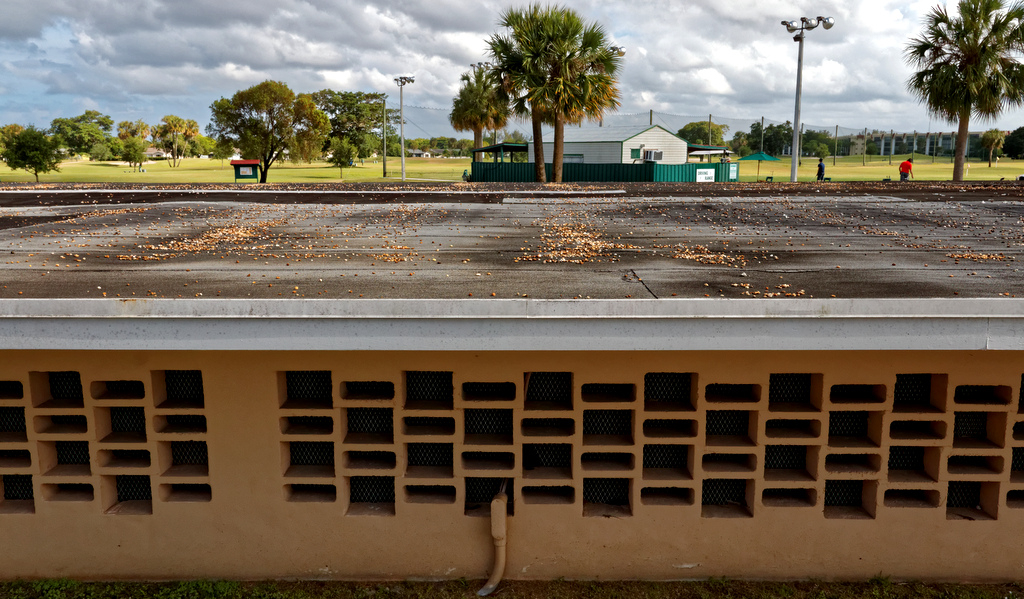
Late last year, Eric Levin, the deputy editor of New Jersey Monthly, wrote an article, for Colorado Avid Golfer, about playing in and around Palm Beach without going broke. He found several reasonably-priced courses that he liked a lot, among them two that are owned and operated by Palm Beach County.

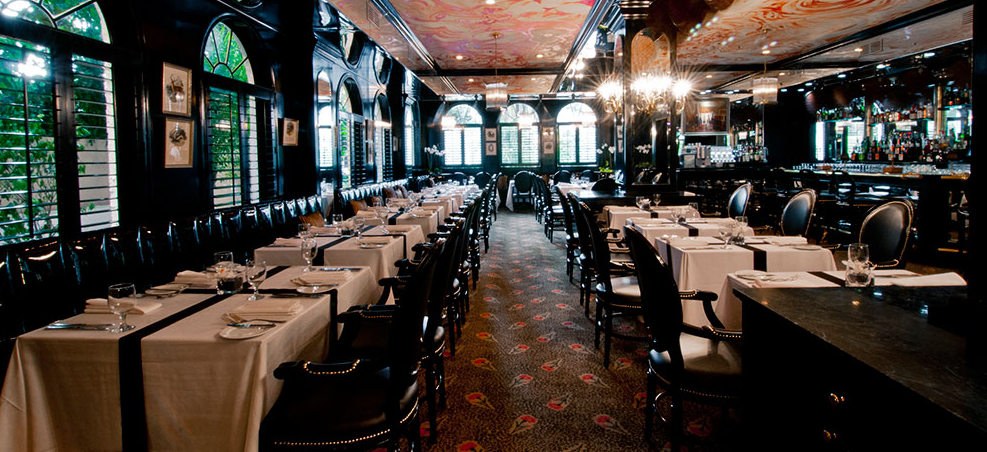
Between rounds, he and his wife had a meal at the Leopard Lounge, a legendary Palm Beach restaurant. They got into a conversation with “a slim, silver-haired man with a manicured mustache and a German accent,” who said that in the 1980s he had paid $25,000, at an auction, for a hat that Elvis Presley wore in the Army. “Presley’s Army hat, he reckoned, is worth many times what he paid for it,” Levin wrote. Too valuable to wear while playing golf? I can’t say.

leopardlounge

In addition to the courses he wrote about, Levin visited one that he didn’t end up playing, even though he shares my conviction that there is no such thing as a bad golf course.

Photo by Eric Levin

Photo by Eric Levin

Levin’s report:

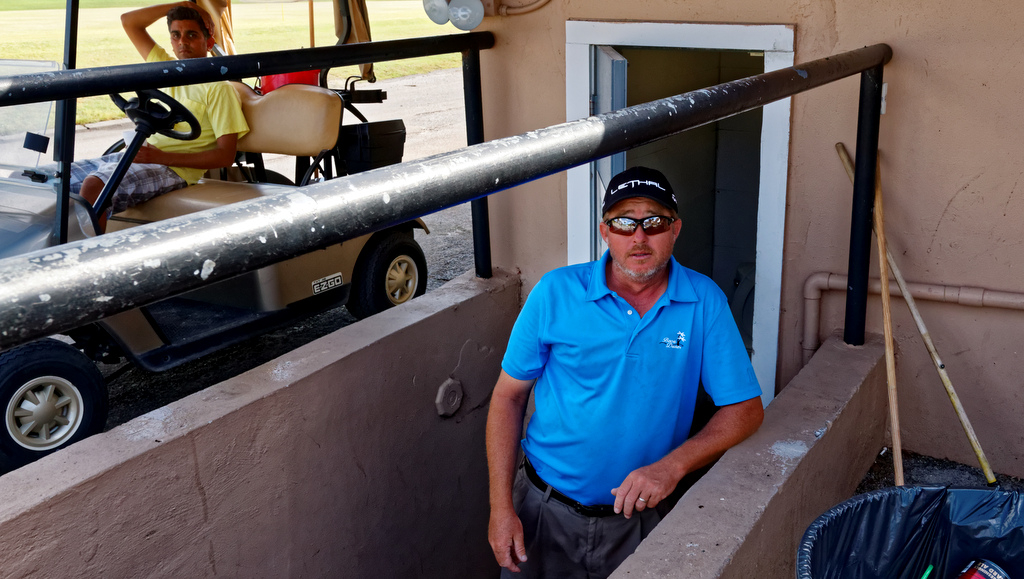
“I’ll call it Glory Glades. The clubhouse, behind an imposing facade complete with portico and curving driveway, turned out to be an enormous catering facility. The pro shop was a dreary, dimly-lit shoe box. But I did find one thing to love — or, rather, one person. I’ll call him Kenny. I ran into him outside the cart shed. He was a well-built, middle-aged guy in reflector shades, and he was wearing a Glory Glades logo shirt. He described his job as ‘bagger-slash-starter.’ He said, “I love everything about golf, from playing it, to talking about it, to helping people, to just being outdoors.'”

Photo by Eric Levin

Photo by Eric Levin

Kenny had only one golf-related beef, Levin told me: French Canadians, who, in his experience, are lousy tippers. Is this a known trait of our separatism-inclined golf brothers to the North? I myself have noticed that German golfers seem somewhat ruder than the international average, whether they’re wearing Elvis Presley’s Army hat or not, and that Korean golfers are slower—but that’s about as far as my ignorant stereotyping of non-Americans goes.

Photo by Eric Levin

Photo by Eric Levin

Back to Levin:

“Kenny told me he makes $7 an hour, plus tips, and lives about a mile from the course, with his wife and their two young children. He and his family moved from Broward County, where he worked 80 hours a week managing a grocery store, because the schools in Palm Beach County are better. His need for tips was obvious. He said that, on a good day in the high season (roughly Thanksgiving to Easter), he can make $200, but that very little of that comes from French Canadians. ‘Now here’s the crazy part,’ Kenny told me. ‘When they need something, they can speak English. But when it’s time for a tip or that kind of thing, suddenly they’re speaking French.'”

I assume that President Trump (who owns a golf course nearby) will put an end to all that, maybe with a Game of Thrones-style wall of ice along the Canadian border. Meanwhile, here are two more of Levin’s photographs of Glory Glades (which looks plenty good enough to me):

Photo by Eric Levin

Photo by Eric Levin

Photo by Eric Levin

Photo by Eric Levin

Reader’s Fashion Tip: Insulated Shorts for Winter Golf

IMG_4214

The golf courses within driving distance of my hometown have been closed for so much of this winter that I haven’t had many opportunities to take advantage of Sunday Morning Group’s shorts rule: one extra handicap stroke if you wear shorts after November 1, two extra strokes after December 1. If we do get to play again, I’m going to try some shorts I learned about from Tim Kresse, a reader in Oxford, Ohio. They’re called Alpha Shorts, and they’re filled with Polartec insulation. They’re made by a company called Qor, which is practically giving them away.

Qor Alpha Shorts

The company’s website describes them like this:

“They’re super stretchy, don’t look insulated, and are styled like trousers: structured waist with front zip/button fly closure, slash hand pockets on the side, two back pockets (one with a zipper), and belt loops.”

Kresse himself says:

“I’m an administrator at Miami University, the alma mater of Ben Roethlisberger and the place Robert Frost called ‘the most beautiful campus that ever there was.’ I have to agree that it is quite a pretty campus and a good school. The Qor catalog just showed up, but I have to say that the insulated shorts seemed the perfect thing for the winter golf game. I do wonder, though, would that be cheating or does the open air nature of the leg sufficiently offset any insulation value?”

Tim-Kresse-Memorial-2015

The rules, so far, allow insulated shorts. What they don’t allow is tall socks. Back to Kresse:

“The picture above is of me during a practice round at the Memorial Tournament last year. I bought my daughter (no, really) a tournament flag and got some autographs. Once I realized I had the autograph of the winner of the Memorial, the Masters, the US Open, the (British) Open, and PGA championship, I decided it could stay in my office for a while. She’ll get it one day. I play golf at Hueston Woods State Park Golf Course, just north of town, and Indian Ridge Golf Club, just south of town. Here’s a summer moon over Hueston Woods:”

Summer-Moon-Over-Hueston-Woods

“During the winter, though, golf is mostly in hibernation, with the occasional trip to the driving range or a trip south. I last played at Great Dunes on Jekyll Island, Georgia, just before Thanksgiving. Here’s a picture of the fifth green and sixth tee, which overlook the Atlantic. It’s a nice nine-hole course, perfect for walking:”

Jekyll-Island-5-green-6-tee

“To keep ourselves busy in the winter, we move to indoor sports, including broomball, and I have found that winter golf gloves are great for for broomball. They are just enough to keep hands warm on ice, improve the grip on the broomball stick, and work great as a goalie gloves (the position I usually play).”

I’d never heard of broomball before, but here’s what it looks like. That’s not Kresse in the net. At least, I don’t think it is. (I found the photo online.)

Broomball4

Broomball players don’t wear skates, but they do get to buy broomball shoes, among other things. You can read all about the game here. Back to Kresse:

“I first played broomball at Ohio University (another very attractive campus) in the early 1990s. Games were almost always late at night, when the ice was free, and we played with a deflated volleyball, our own tennis shoes, and cut-down brooms (both ends) for ‘sticks’. Now games are still often played late at night, but there are specific broomballs, sticks, and shoes, which make it easier to get around the ice (I call them clown shoes). I’ve also bought hockey shin guards to protect from sticks and falls. And, thankfully, we play half-ice (half-rink) and not full-ice games.”

Golf in New Zealand: Cape Kidnappers

P1020477

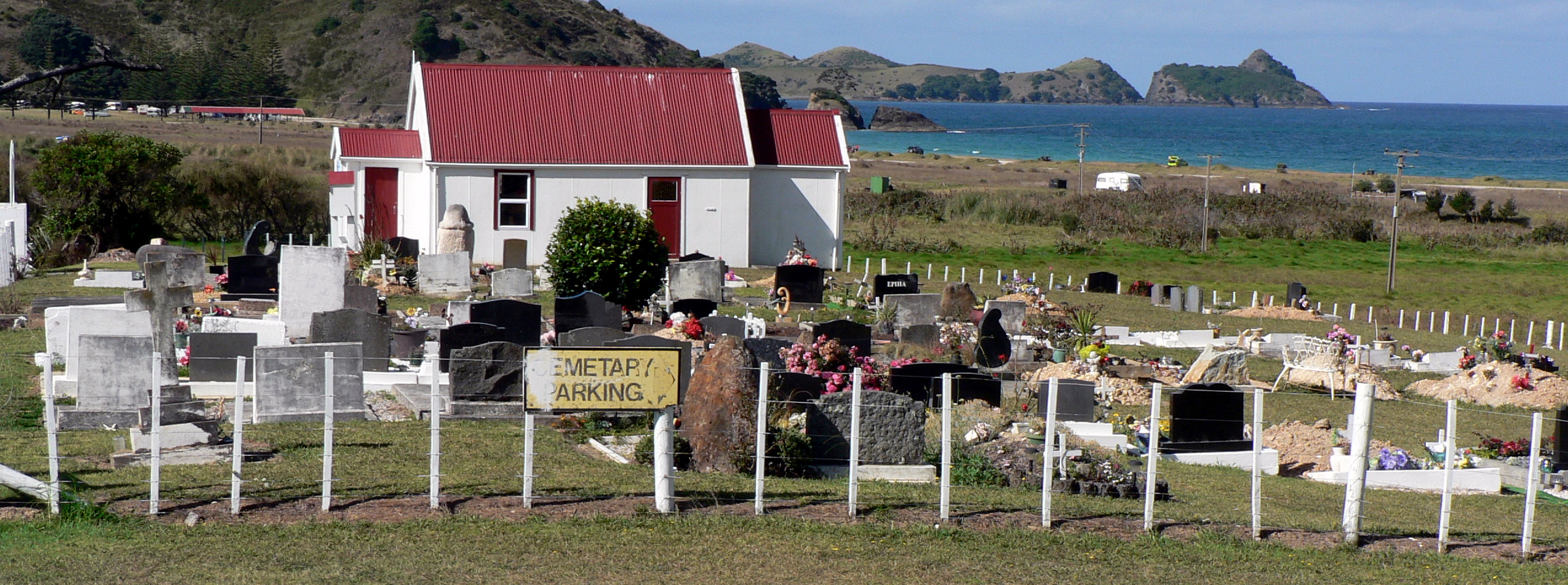
I visited New Zealand on a reporting assignment in 2007. I was the guest of the hedge-fund billionaire Julian Robertson and his wife, Josie, who has since died. We spent most of our time at Kauri Cliffs, a huge property Robertson owns at the northern end of the North Island. (You can read about that part of my trip here and here.) On Sunday, the Robertsons attended the early service at the tiny Anglican church in Kerikeri. “If you believe in a deity, you owe that deity an hour a week,” Robertson told me.

This is the church. They spell some things differently in New Zealand, apparently.

This is the church. They spell some things differently in New Zealand, apparently.

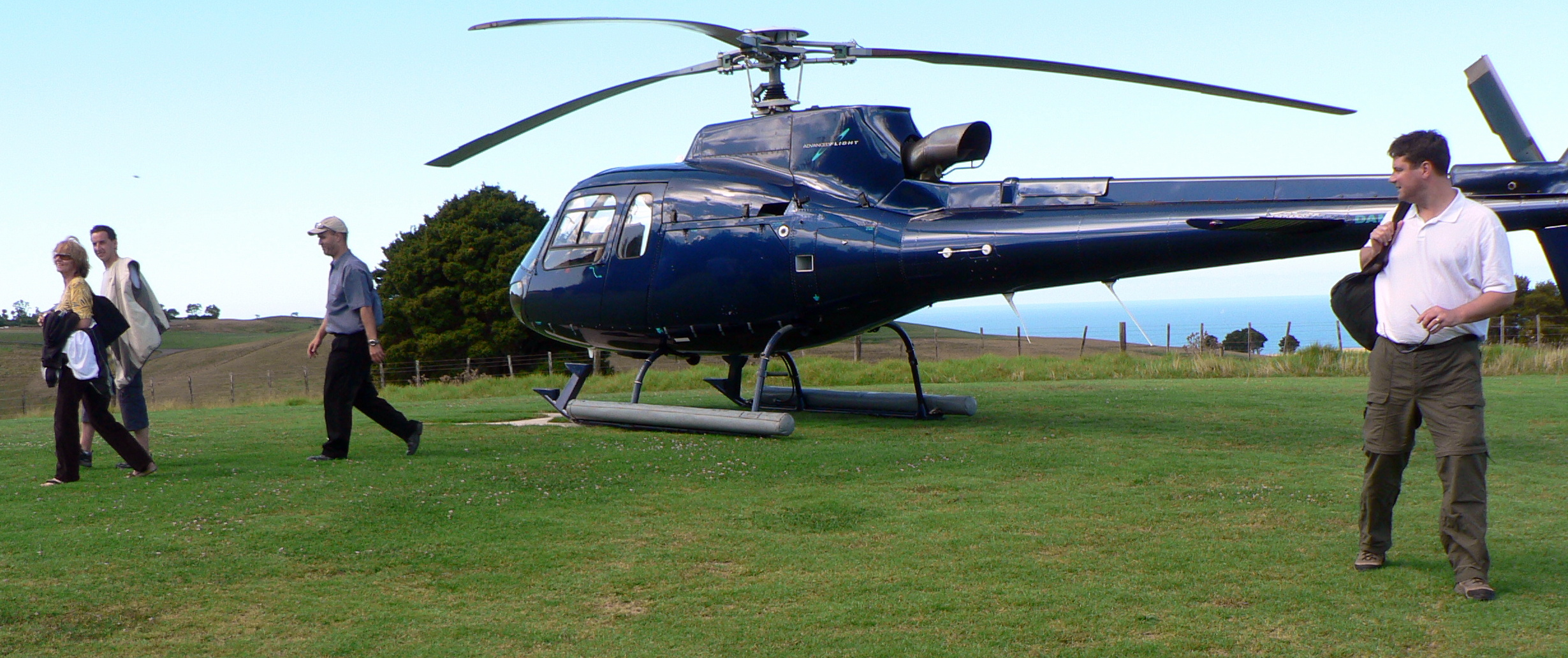
Then we headed south, to Cape Kidnappers, Robertson’s other big real-estate holding on the North Island. (He also owns 11,000 acres on the South Island.) The trip takes about ten hours if you go by car, but it’s quicker if you travel as we did: by helicopter to Auckland and then by Gulfstream to Hawkes Bay.

P1020445

The Gulfstream part of our journey was so short that the plane never really flew level: we went up, then we went down. In fact, the most grueling leg was probably the final one, the drive from the front gate at Cape Kidnappers to the clubhouse, a five-mile trip that, if you observe the posted speed limit and brake for wandering cattle, can take a half an hour.

P1020522-001

We made that drive in a rental car, which we had picked up at the little airport in Hawkes Bay. I went into the terminal with Diana McCarty, Robertson’s director of New Zealand operations, to make the arrangements. As we crossed the tarmac, she commented that people inside the terminal would probably be wondering who I was, since I had just emerged from a $40-million aircraft accompanied by a blond who was young enough to be my third wife. A useful rule of thumb, when evaluating any remark made to you by an attractive woman much younger than yourself, is that if you aren’t sure whether the remark was an insult, it was an insult. Nevertheless, I sucked in my gut and walked a little taller.

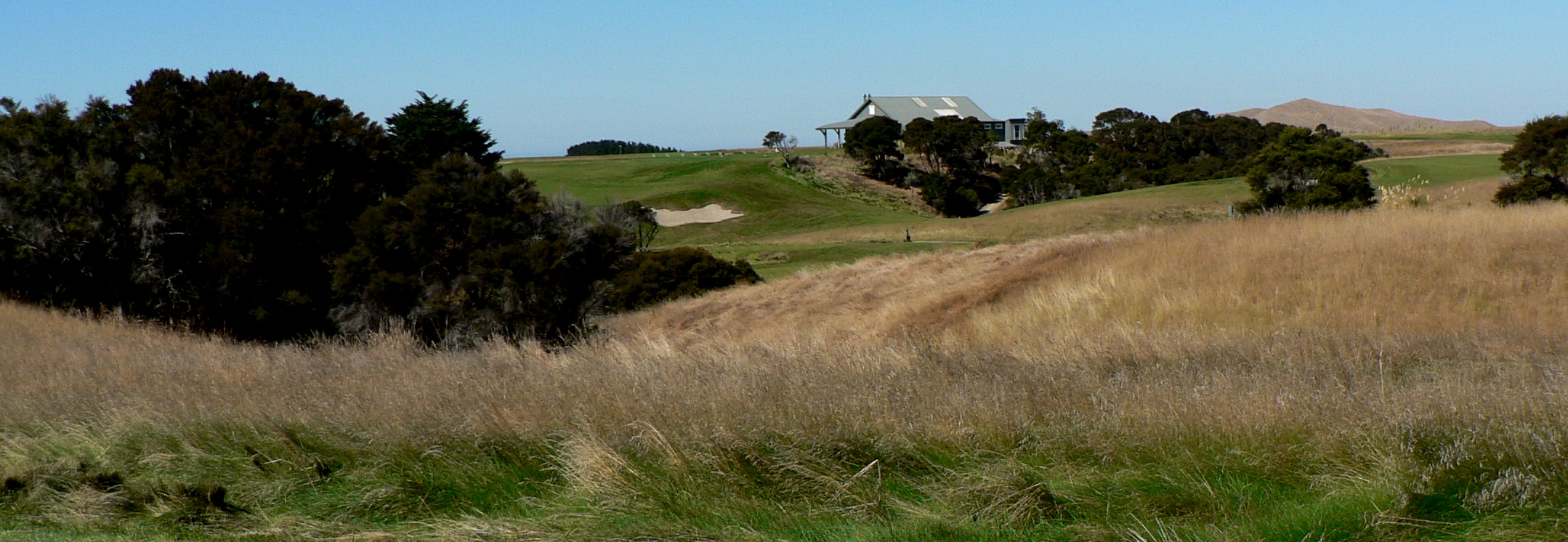
That little building in the distance is the clubhouse.

That little building in the distance is the Cape Kidnappers clubhouse.

The golf course at Cape Kidnappers was designed by Tom Doak, but it wouldn’t have been if Robertson, back in 2001, hadn’t received what he initially believed to be shabby treatment at Bandon Dunes, which had opened two years before. He was visiting with his sons and had expected to play the already legendary Bandon Dunes course twice. Sorry, he was told; you’ll have to play our new course, Pacific Dunes, first. Robertson was furious—he has a temper, which he has worked for years to control—but his anger vanished after a few holes, and he hired Doak to design a course for him, too.

P1020494

Doak creates magical golf holes by seemingly doing little more than identifying them in the existing terrain, rather than by dynamiting them out of bedrock. He views a bulldozer as a construction tool of last resort, and he likes brown grass and doesn’t like chemicals. “Cape Kidnappers cost half as much to build as Kauri Cliffs,” Robertson told me, “and it costs half as much to maintain.”

P1020514

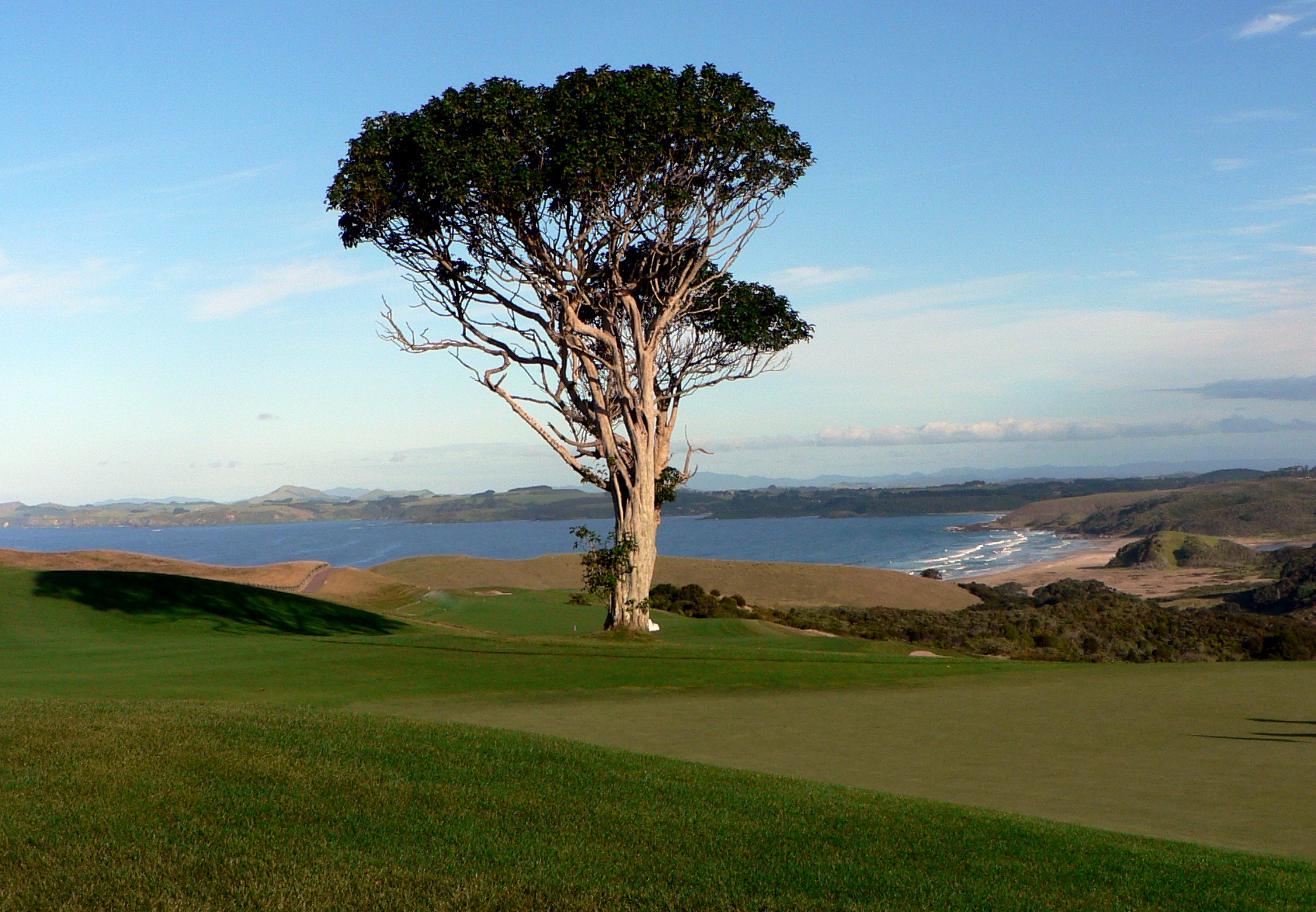
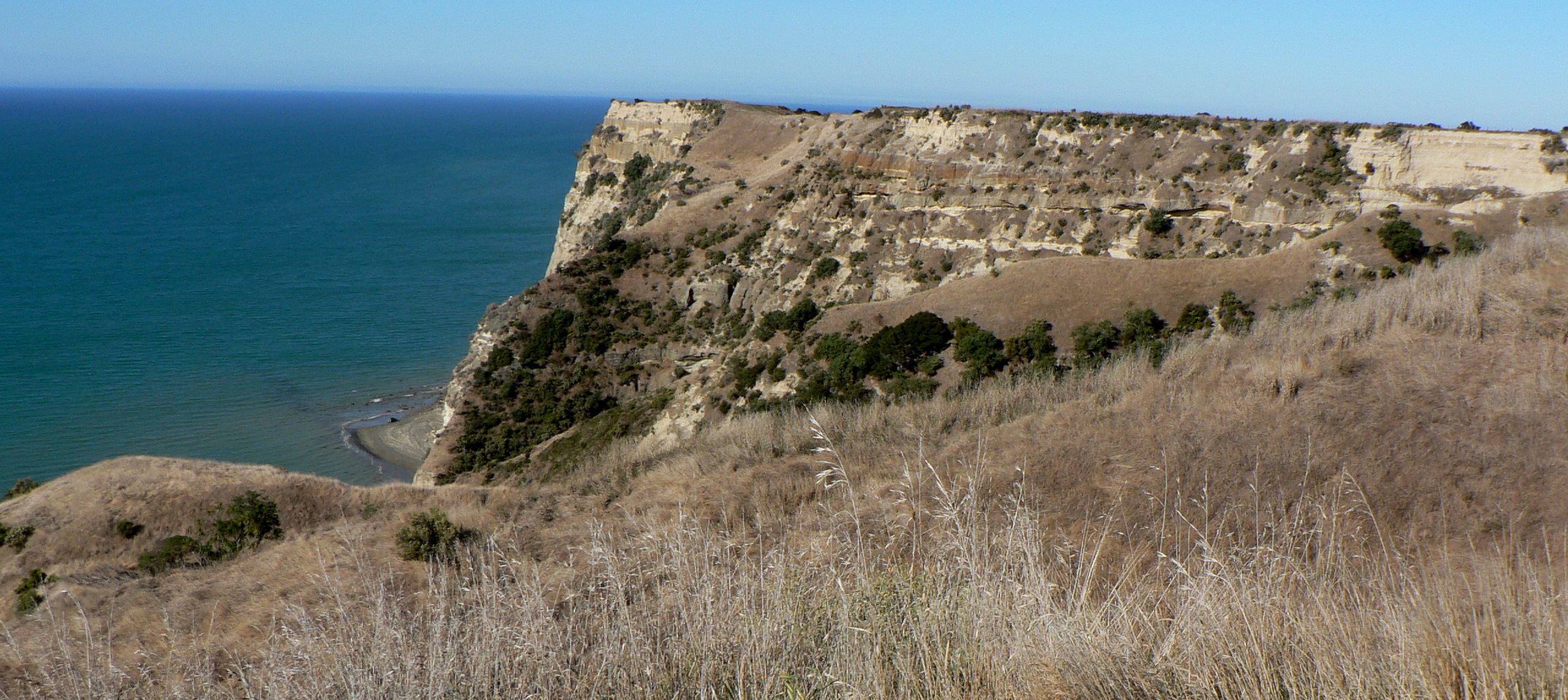
Both courses are laid out on sheep-and-cattle farms on high cliffs above the Pacific, but the climate, topography, and general feel are very different. The most visually impressive holes at Kidnappers, if you view the course from the air, are the ones that run out and back over several finger-like promontories, which reach out toward the water, high above the waves — although the best holes, I think, are inland. (From the ground, the promontory holes don’t really feel as though they’re perched on promontories. You need a helicopter to get the full effect.)

P1020531

The lodge at Cape Kidnappers is called the Farm, and it’s just as nice as the one at Kauri Cliffs. If you’re pretty rich, you should spend a couple of weeks there with your wife:

FarmCapeKidnappers

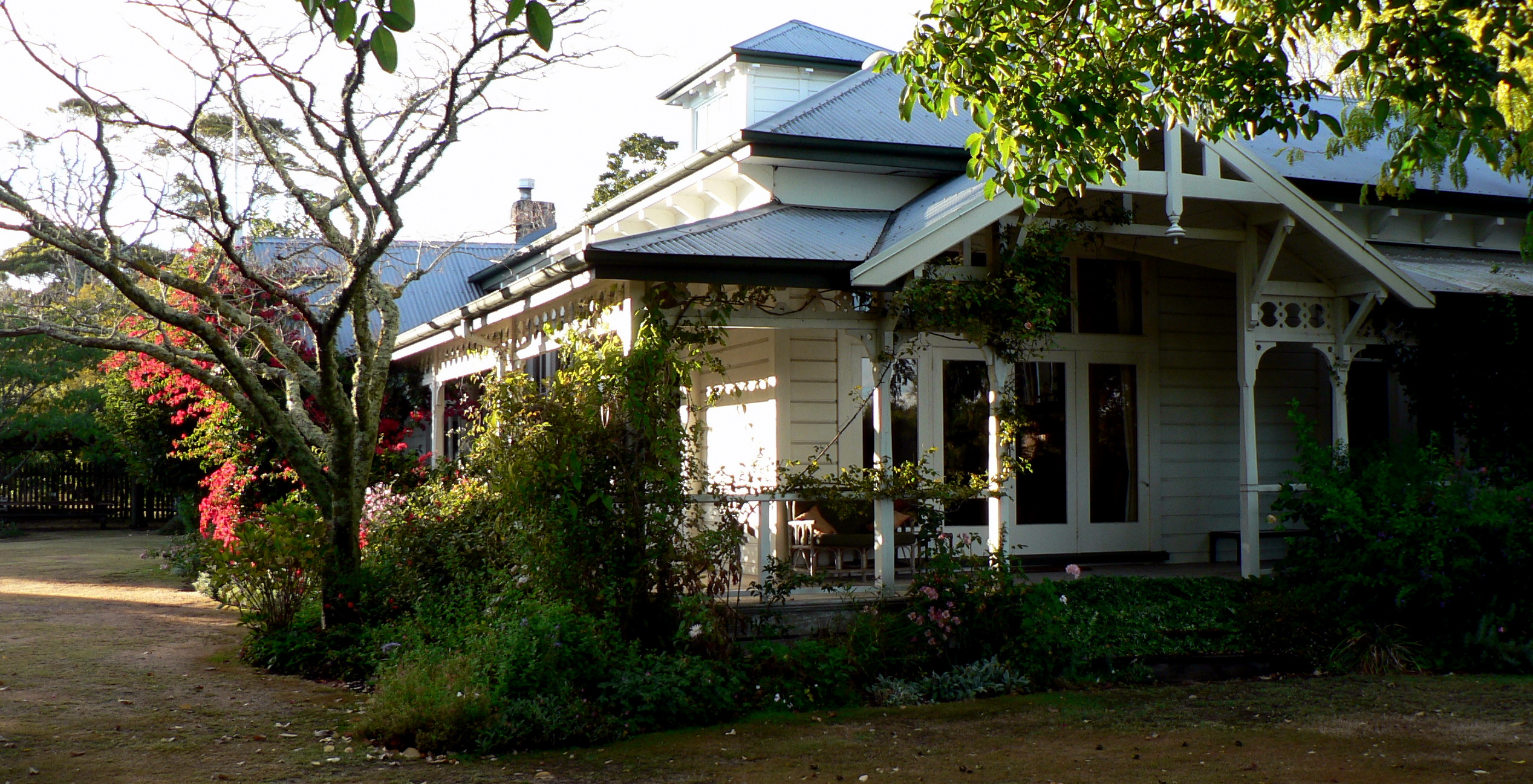
It was still under construction, so we stayed in Te Awanga, at a bed-and-breakfast place called Merriwee, which Doak discovered. The Robertsons had stayed there often, and had become good friends with the owner, a divorced woman with grown children who filled in occasionally as a substitute kindergarten teacher, and several of her neighbors. Her house is more than a century old.

P1020570

Here’s Robertson, sneaking something from the breakfast table:

P1020566

The Robertsons left the next day, because they had business elsewhere. I rented a car of my own and drove back to Kidnappers for a final round. A huge rainstorm had been predicted for the afternoon, but it disappeared somewhere over the Pacific, leaving only tremendous banks of fast-moving clouds, which the setting sun lit up. I had the course virtually to myself, and got around on foot in just a couple of hours. I had a new driver—one of those big square ones that sounded like fungo bats—and it echoed all over the course. I tried to swing it quietly so that the pro wouldn’t know how many balls I was playing. The only tiny seed of disappointment, lurking in the back of my mind, was my knowledge that, the following evening, I would be on my way home.

Josie and Julian Robertson, Cape Kidnappers, March 11, 2007.

Josie and Julian Robertson, Cape Kidnappers, March 11, 2007.

Golf in New Zealand: Post-golf Activities

P1020374

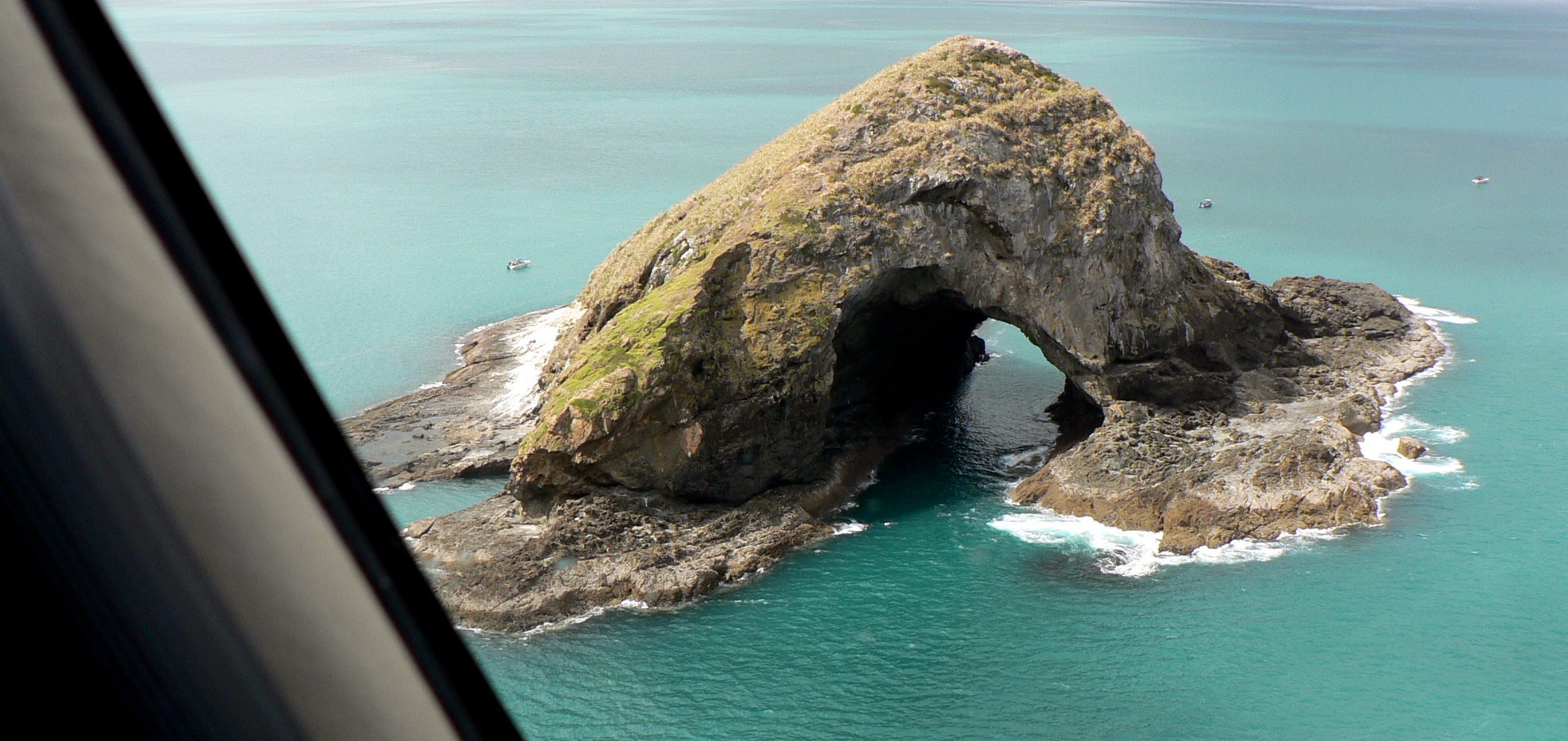
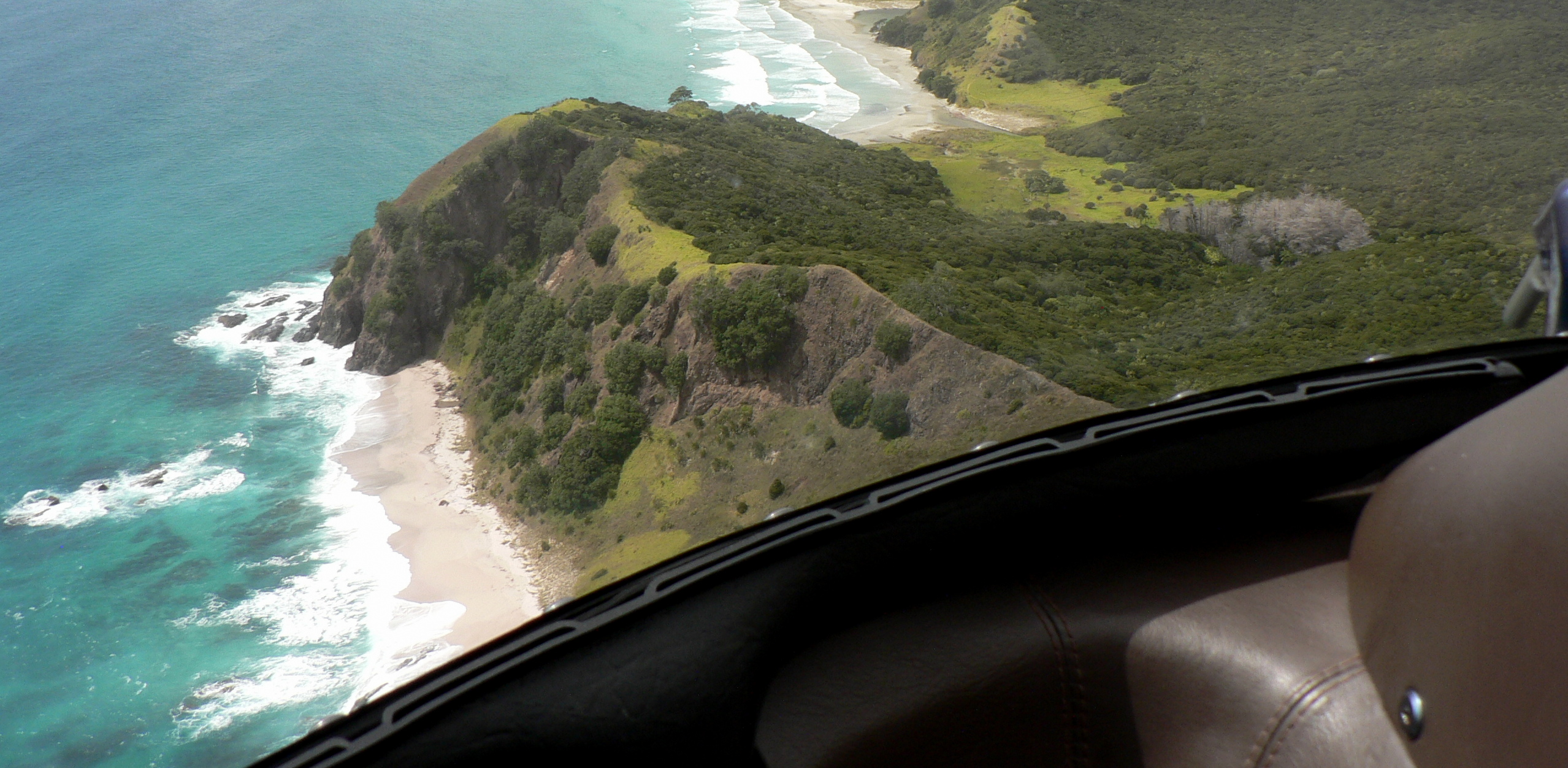
me of my happiest memories of New Zealand involve activities that weren’t golf—a first for me on any trip for which my luggage includes my clubs. I ate great food and met nice people, and I saw basking seals, a twenty-one-hundred-year-old tree, and stingrays nearly the size of Stingrays. I also saw sharks, from a helicopter. They were feeding near the breakers a hundred feet off Ninety Mile Beach, a strip of sand that runs up the northwestern edge of the North Island. As the pilot took us down for a closer look, I asked whether the presence of large marine carnivores so close to the water’s edge didn’t deter swimmers. “Oh, no,” he said. “Most of the swimmers don’t know they’re there.”

P1020393

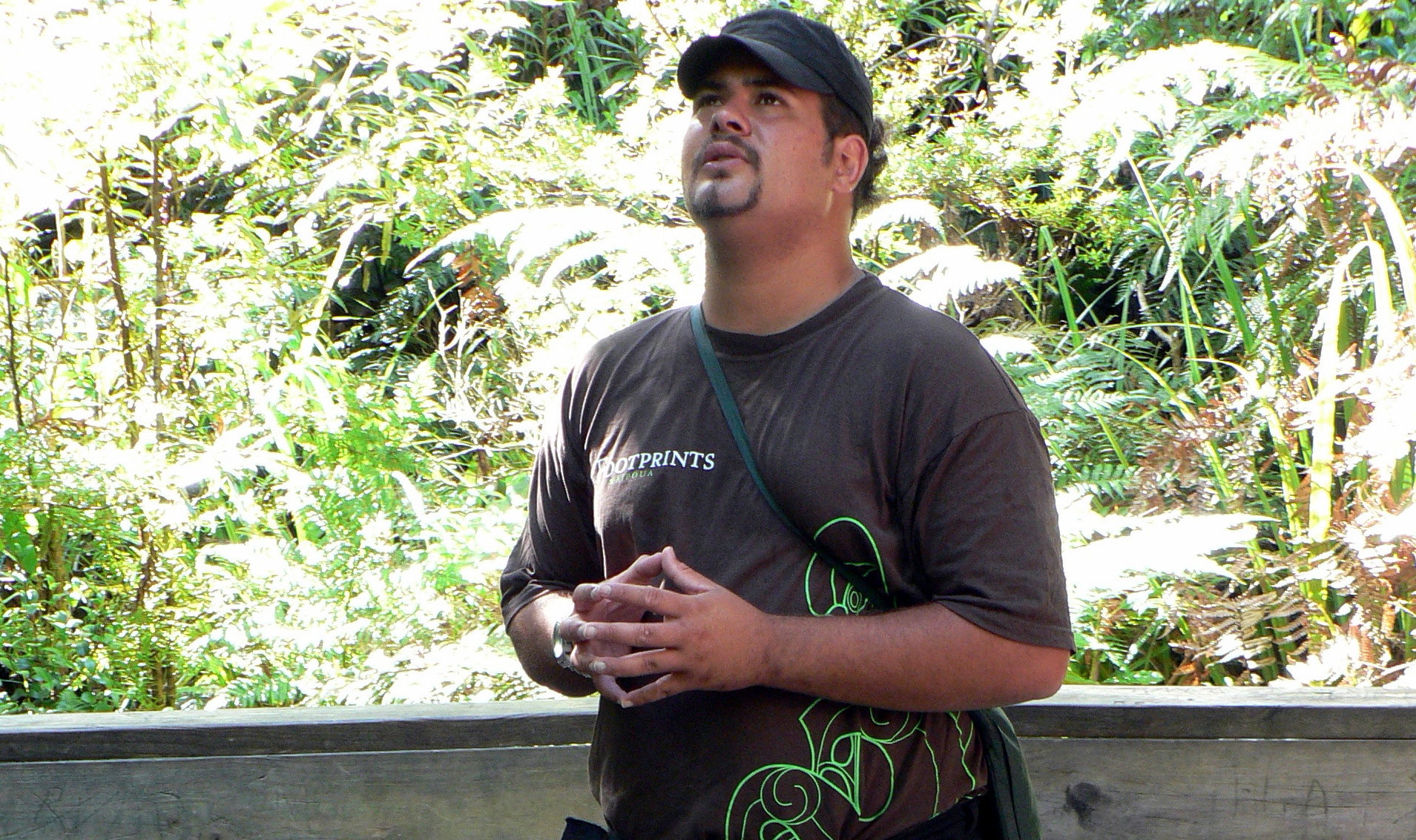
Shark-spotting was just one small part of day-long menu of activities known locally as the Full Julian, after Julian Robertson, the creator and owner of Kauri Cliffs, the resort where I was staying. Four other guests and I traveled by helicopter to the Waipoua Forest, where our Maori guide sang a song of tribute to Tane Mahuta, an enormous kauri tree that predates Christianity:

P1020353

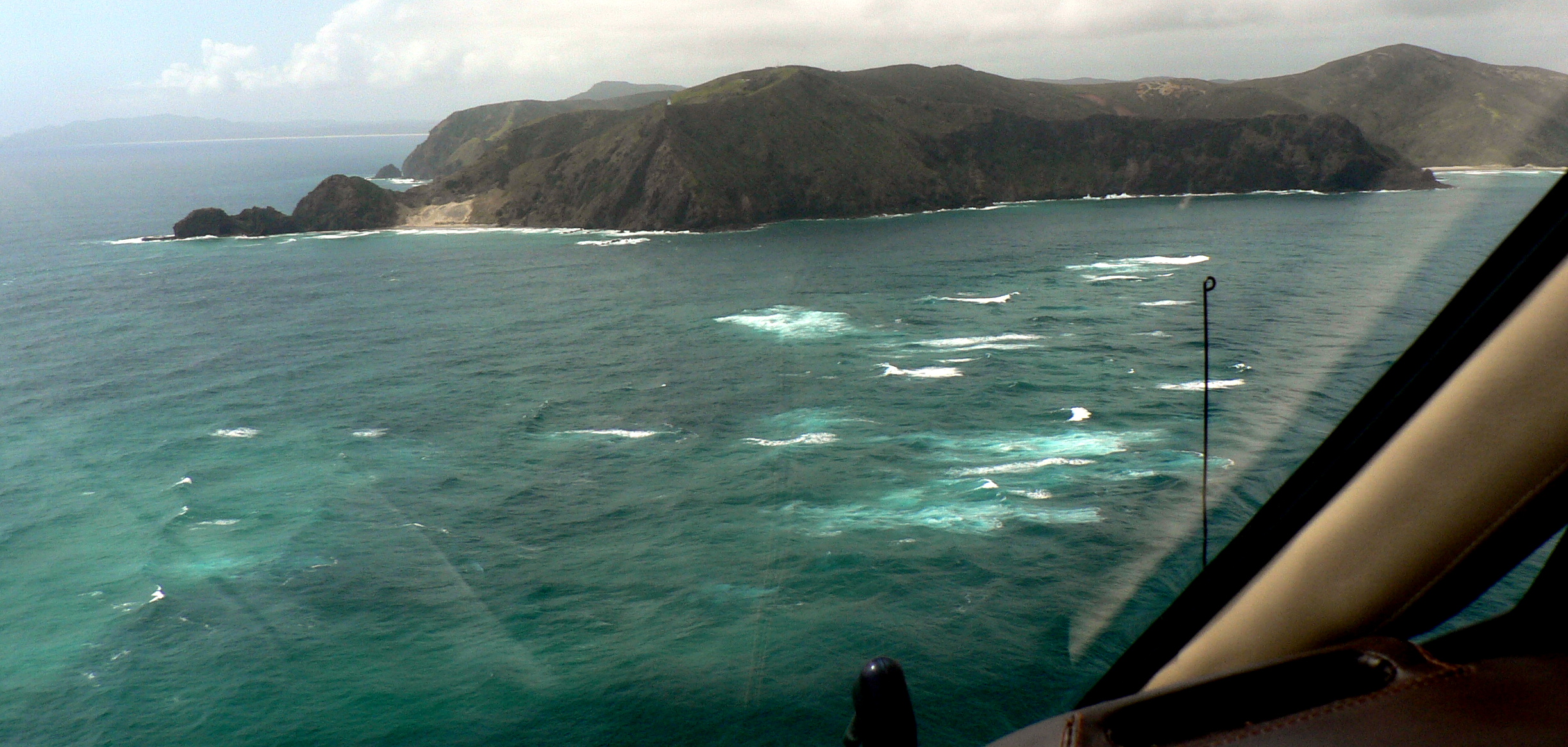
Then we flew to the northern tip of the island and hovered above a turbulent spot, just off the coast, where Pacific Ocean currents collide with those of the Tasman Sea:

P1020382

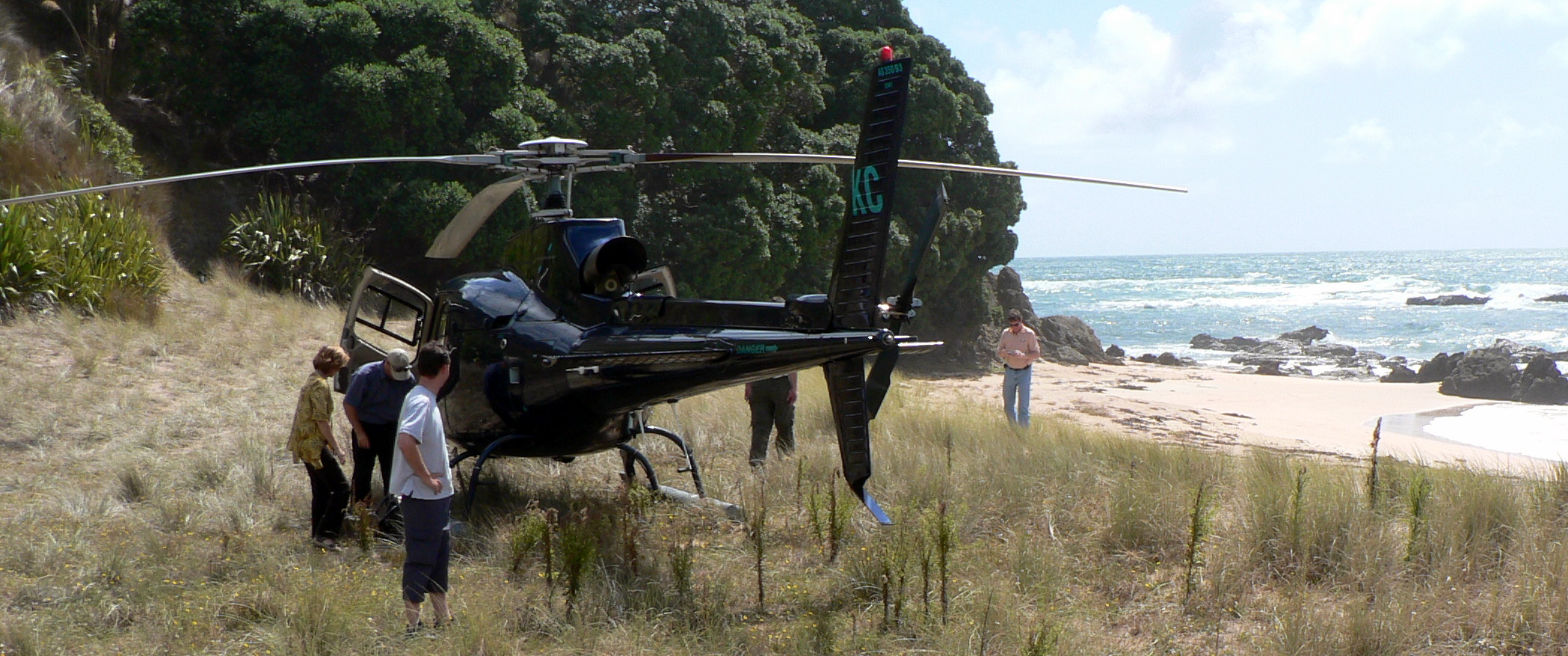
Then we set down for a beach picnic:

P1020398

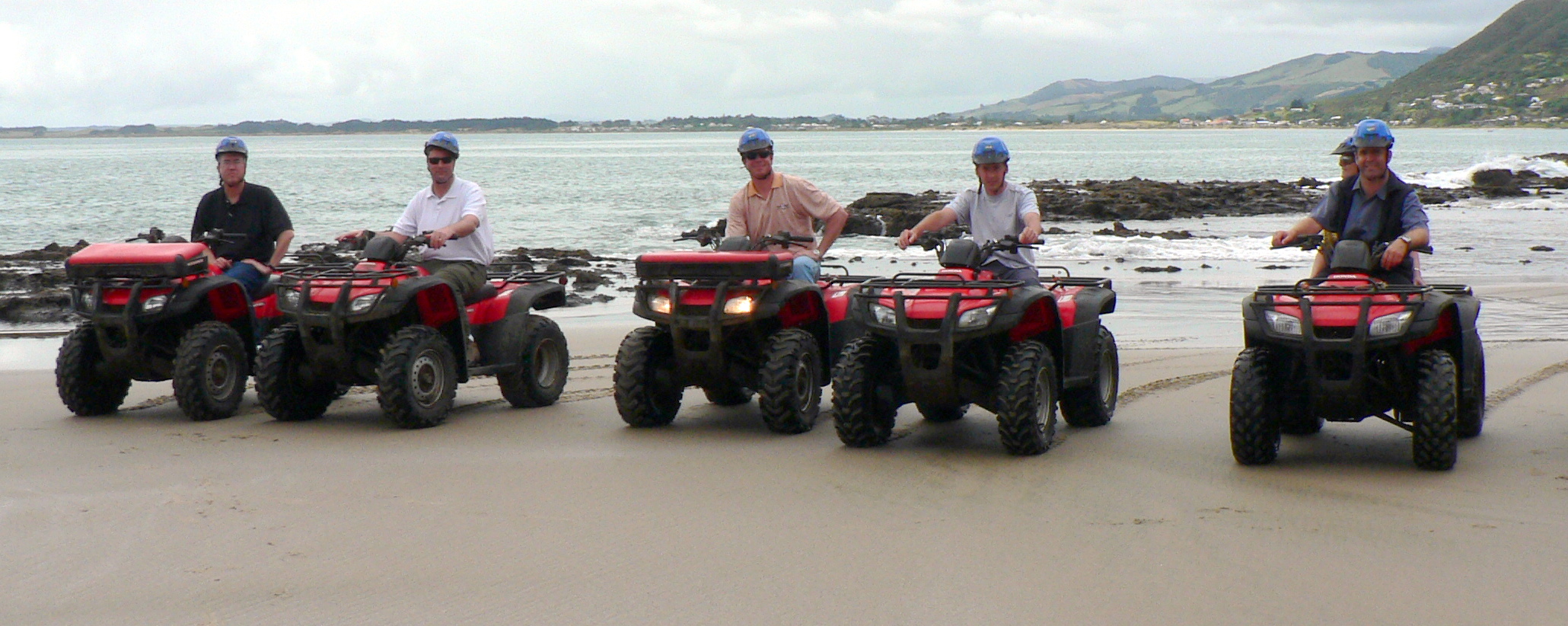
And then we raced down dunes on rented ATVs. Here’s our adult supervision, standing at the top of a dune we were about to race down:

P1020430

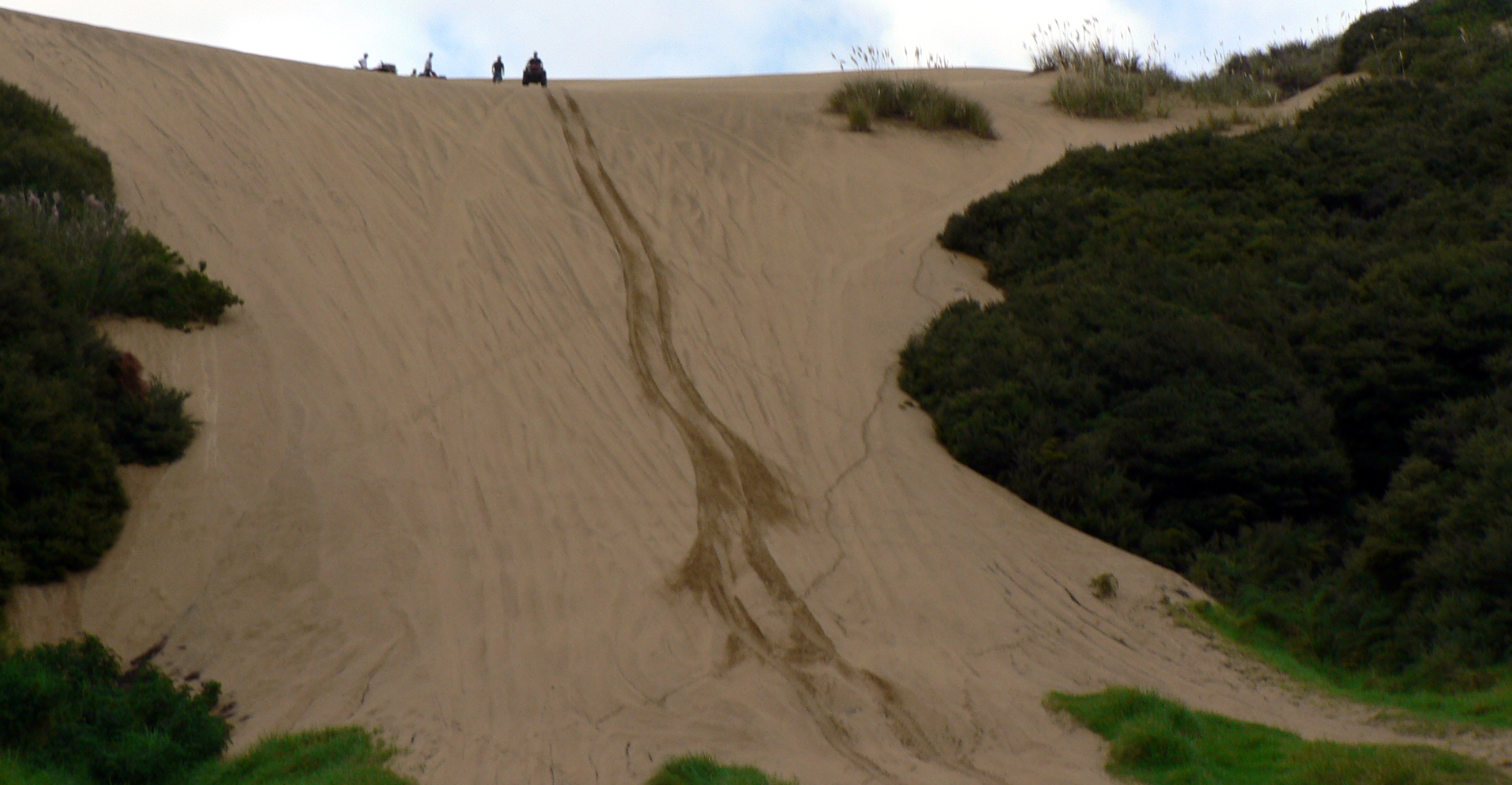
And here’s what the same dune looked like from the bottom:

P1020433

Everyone made it down. I don’t remember how we got back up.

P1020411

Two nights later, I did something that surprised me by being even more fun: I went midnight possum hunting, under the supervision of a Kauri Cliffs employee who is a veteran of the British equivalent of the Green Berets. All New Zealand mammals, except for a couple of rare species of bats, were introduced to the islands by humans and are thus considered varmints until proven otherwise. Possums—which are bushier and less sinister-looking than American opossums—were imported in 1836 by some Australians who were hoping to establish a fur trade. Now there are 80 million of them, and they eat the eggs of the kiwi, New Zealand’s nearly extinct flightless national bird, and they have no natural predators, except people. I hadn’t fired a gun since summer camp in Colorado, forty years before, and was astonished to discover I have a talent for felling treed marsupials with single shots to the head. I had been a somewhat reluctant participant in our hunting expedition, but if, toward the end, our guide had suggested that we stay out till dawn I would have eagerly agreed. Possum-killin’ was also the favorite Kauri Cliffs activity of the golfers Dave Stockton and Dave Stockton, Jr., who, during a visit shortly before mine, went out every night.

P1020296

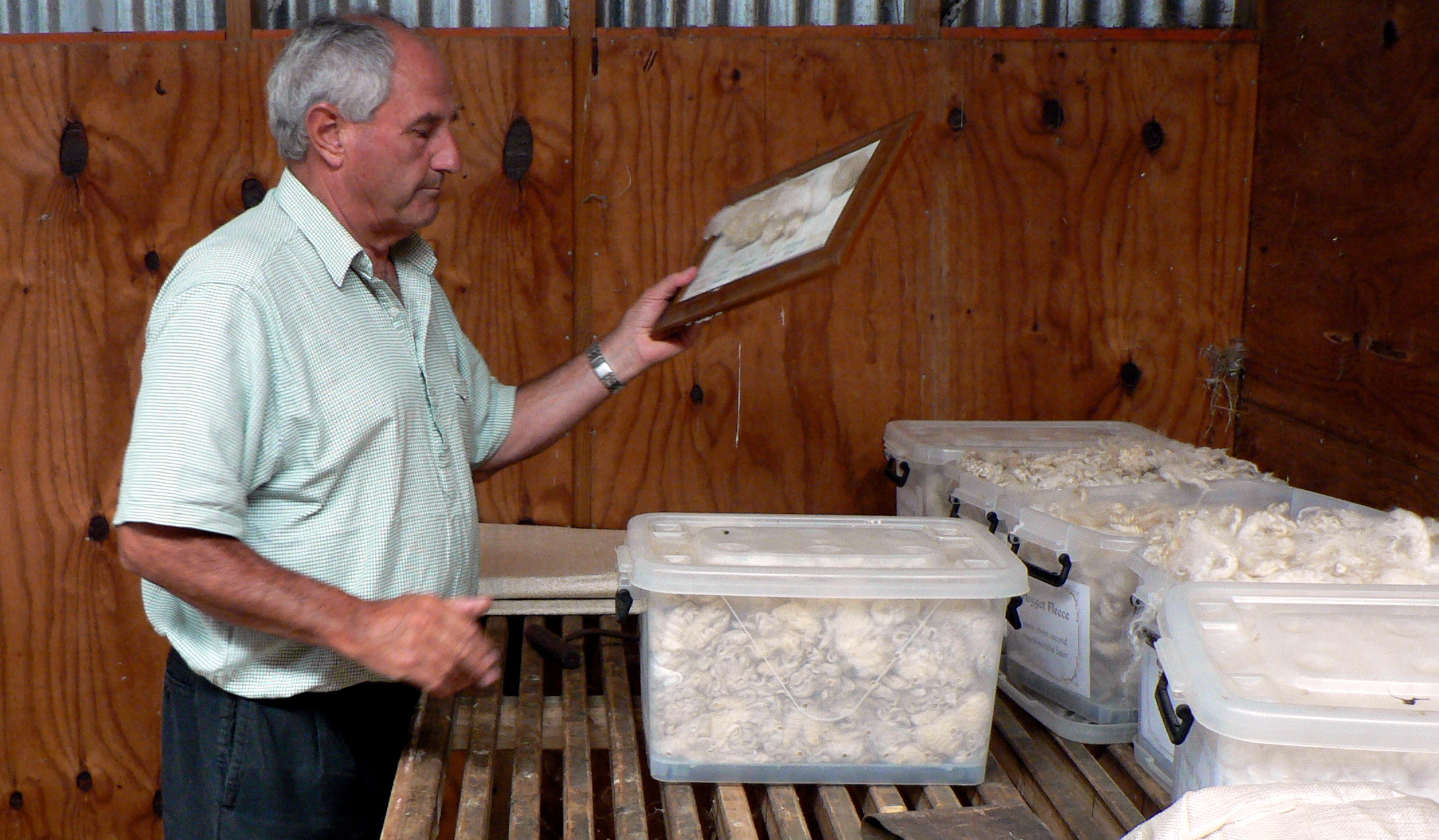
One afternoon, following a round of golf, I toured the entire property with the man in charge of the agricultural side of Robertson’s New Zealand operation. (That’s him in the photo above.) We visited the sheep-shearing shed, climbed over a 9000-volt electric fence, scaled an old volcano whose summit is the highest point on the farm, visited a couple of stunning beaches, saw some cattle that were about to be slaughtered, and ran into the Kauri Cliffs farm manager, who was responsible for twenty-five hundred beef cattle and five thousand sheep. The manager was wearing a golf hat and driving a big ATV, and there were three scruffy farm dogs standing just behind his seat. He said, “Kauri Cliffs is not a golf course with a farm on it. It’s a 6,000-acre-farm with a golf course at one end.” Then he roared off, and the dogs, like surfers, had to shift their weight in complicated ways to keep from falling off.

It’s summer in New Zealand right now. Do you understand what I’m saying?

To be continued.

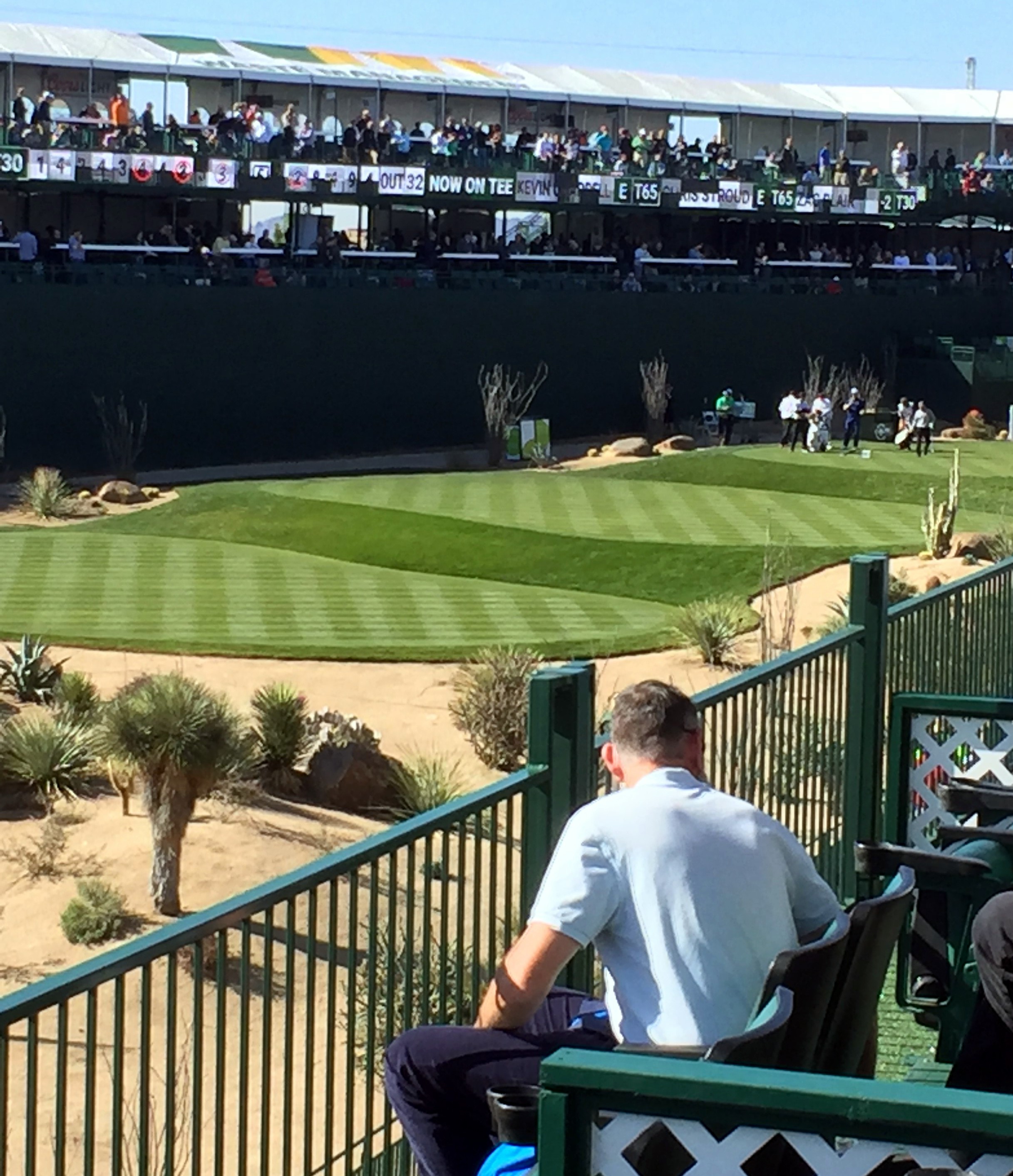
Report From the Phoenix Open: Coping With a Ten-Drink Limit

beeronpatio

Chic, CJ, Jaws, and Brian—all members or honorary members of the Sunday Morning Group—somehow persuaded the Department of Homeland Security to let them spend four days in Scottsdale without supervision, then paid for the trip by withdrawing money from their wives’ 401ks. Or so I assume. Here are Jaws, CJ, and Chic at the men’s member-guest either last summer or the summer before:

P1140155

In Scottsdale, they’ve been dividing their time between the Waste Management Phoenix Open and Grayhawk Country Club, a few miles away. Before they left, I swore in Chic as this blog’s official representative in the grandstands on the sixteenth hole. Getting reports from him hasn’t been easy, but here’s one:

“Apparently with the skybox tix u have a 10 drink limit but if u tip the girl enough she doesn’t keep count. So my 10 drinks only counted as 2 in her book.”

All things considered, his photos are remarkably unblurry:

Chic Phoenix 1

Back to Chic:

“The bleachers seem to be the place to be. Which was below us not below us just fiscally below us. They had guys dressed in Masters caddies outfits. Bubba thru a lot of stuff to the fans. Saturday is green out day. Everyone to wear green and support the waste management cause. Golf now then golf in the am. Then tourney rest of day.”

Chic Phoenix 2

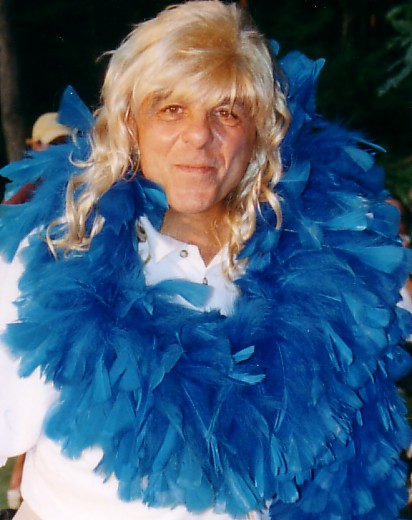
That was yesterday. When they got to the Grayhawk, Chic discovered that he had an old Uncle Frank ball in his bag. Uncle Frank was a beloved SMG member, who died from lung cancer seven or eight years ago. After the cancer had spread to his brain, he was given a marathon radiation treatment, during which his head had to be immobilized in a halo brace, a birdcage-like contraption that was anchored to his shoulders and his skull. When the session ended, 18 hours after it began, he asked the nurses to take him to the children’s oncology ward before removing the brace. A couple of days before, at home, he had made a basketball backboard out of Styrofoam, and now he asked the nurses to attach it to the back of his head. He let the children in the ward shoot free throws with a Nerf ball, three shots for a dollars. “Hey,” he told me later, “I made twenty-three bucks.” Here’s how he dressed for our first-and-almost-last clubhouse sleepover, in 2002:

boa 2

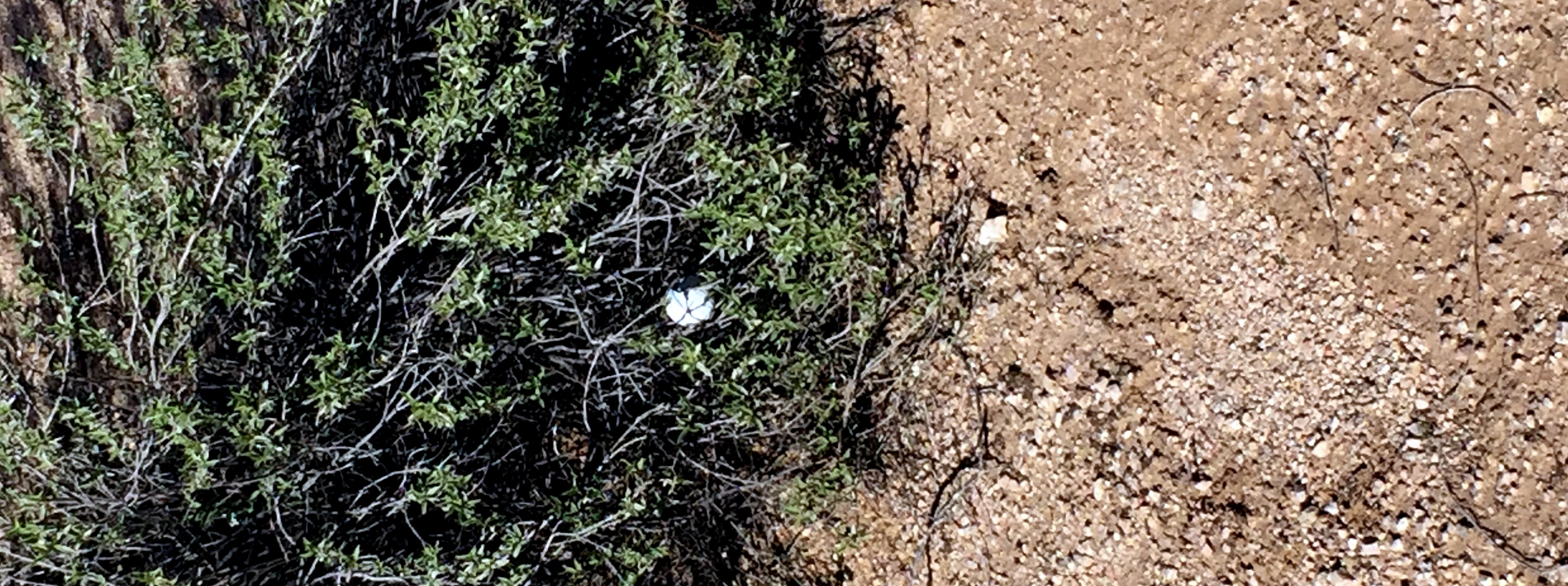
When Uncle Frank died, we had his name printed on lots of golf balls, and divided them up among ourselves. The idea was to lose the balls in interesting places, so that his name would keep popping up for years, as a kind of memorial. I myself have lost them on great courses in three different countries. Back to Chic:

“I thought trying to lose the frank ball in Arizona might be a nice send off. Well the ball lasted 6 holes. I tried to lose it but it hung in there. 1 pic from its adventure:”

Chic Phoenix 3

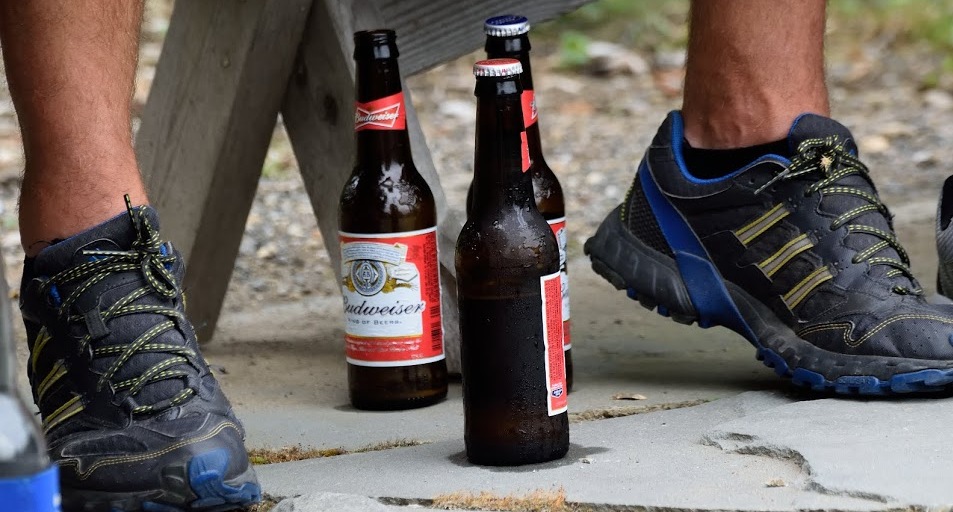
Incidentally, the thing that Brian is the most famous for, at home, is knowing how to use a beer can to open a beer bottle:

How to Dress for Sub-freezing Golf

In shorts, obviously. (The Sunday Morning Group gives two extra strokes if you wear them after December 1.) One great thing about shorts is that they complement any outfit:

P1170529

Last year, because of Addison, we had to add a rule about sock height. He arrived one Sunday in unusually tall socks, which he pulled up almost to his knees and fastened with rubber bands that he’d found in his mother’s refrigerator, on two bunches of broccoli:

P1150331

Those socks are virtually pants! The new rule is “crew height or shorter”—demonstrated here by Fritz:

P1170532

On Sunday, Fritz and I got to wondering whether there might not be a non-sock, non-pant, non-cheating solution to the exposed-skin problem (the wind was straight from the North Pole). After the round, I did some research and found this post, on the Fox Sports website. It was written two years ago by Brendon Ayanbadejo, who played linebacker for several NFL teams:

“What allowed me to wear so little in cold games was a cocktail Brian Urlacher and Muhsin Muhammad revealed to me. There is a cream called Warm Skin that we would mix with Vaseline and Tiger Balm. We would mix all these topicals together and rub them into our arms, legs, back … pretty much over our entire body. Make sure you put your jock on before you do this or you will get extremely uncomfortably hot in some of the wrong places.”

warmskin

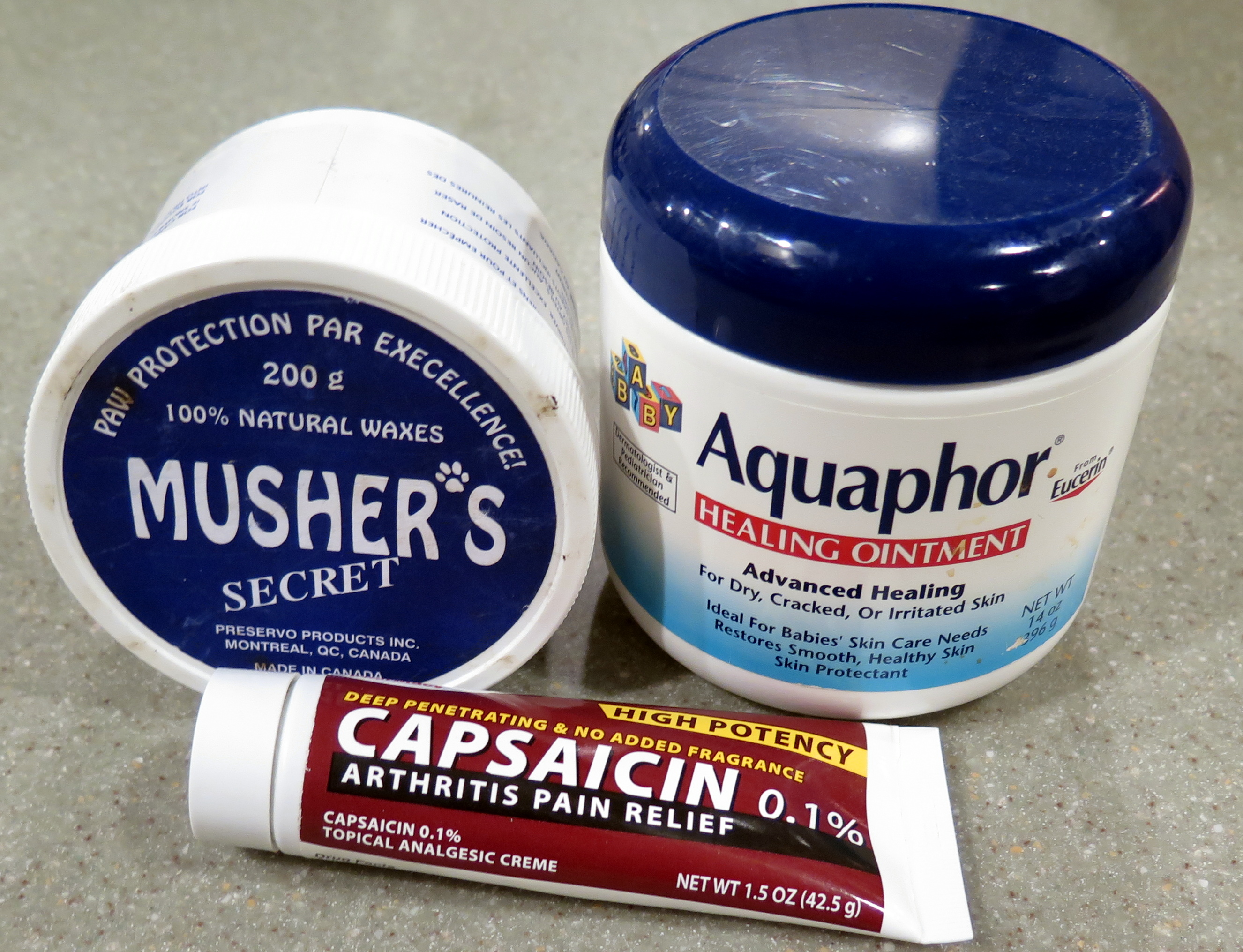
So I ordered some Warm Skin and began working on my own leg recipe, using stuff I found in various closets and medicine cabinets in my house. The best combination, so far, is Warm Skin, Musher’s Secret (which my wife bought to protect our dog’s feet from road salt), and capsaicin creme (which is hot, like Tiger Balm, and is usually sold as a topical analgesic for arthritis). I stirred in some Aquaphor, too—what the hell.

IMG_0879

Masters Countdown: An Augusta National Member Who Carried Even More Cash Than Phil Mickelson

tengrand

Dave Shedloski, with help from a squadron of Golf Digest staffers, recently asked a number of tour pros how much cash they carry. The winner was Phil Mickelson, whose wallet, at that moment, contained $8,100. That’s a lot. But one of the founding members of Augusta National routinely carried more. Way more.

W. Alton “Pete” Jones was the CEO of the oil company that’s known today CITGO. He was a close friend of Clifford Roberts, Bobby Jones, and Dwight Eisenhower (who joined the club in 1948), and he was known for his generosity. He insisted on picking up almost any restaurant or bar check that he had anything to do with, and he financed or helped to finance many improvements at the club.

W. Alton "Pete" Jones

W. Alton “Pete” Jones

Yet he had a number of miserly eccentricities. The first duty of his caddie was to search the grass for usable tees, because he hated to buy new ones. He haggled over handicap strokes—attempting, in Roberts’s words, “to ensure his being a winner on the golf course, no matter how small the stakes.” And he always traveled with heavy hand-cranked metal sharpener, which he used to extend the life of his razor blades. He was determined to get at least 25 shaves from each blade, and he would cheerfully spend 10 or 15 minutes honing an edge on one that was about to expire.

eisenhower2

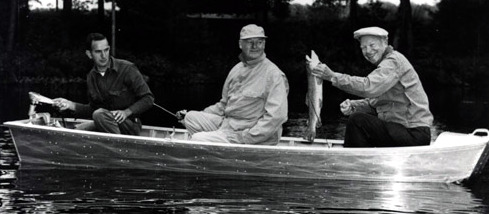
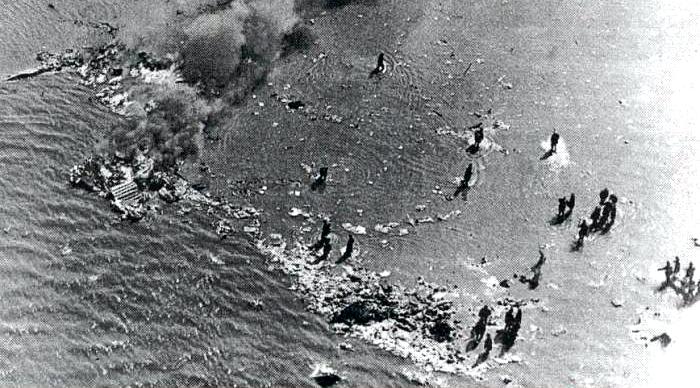
Jones died in a commercial plane crash in 1962, on his way to California for a fishing trip with Eisenhower. (That’s Jones amidships in the photo above, and Eisenhower in the bow.) Also killed in that crash was the mother of Paul McCartney’s future wife Linda Eastman. The accident was fictionalized in the second episode of the second season of Mad Men.

Flight 1planecrash

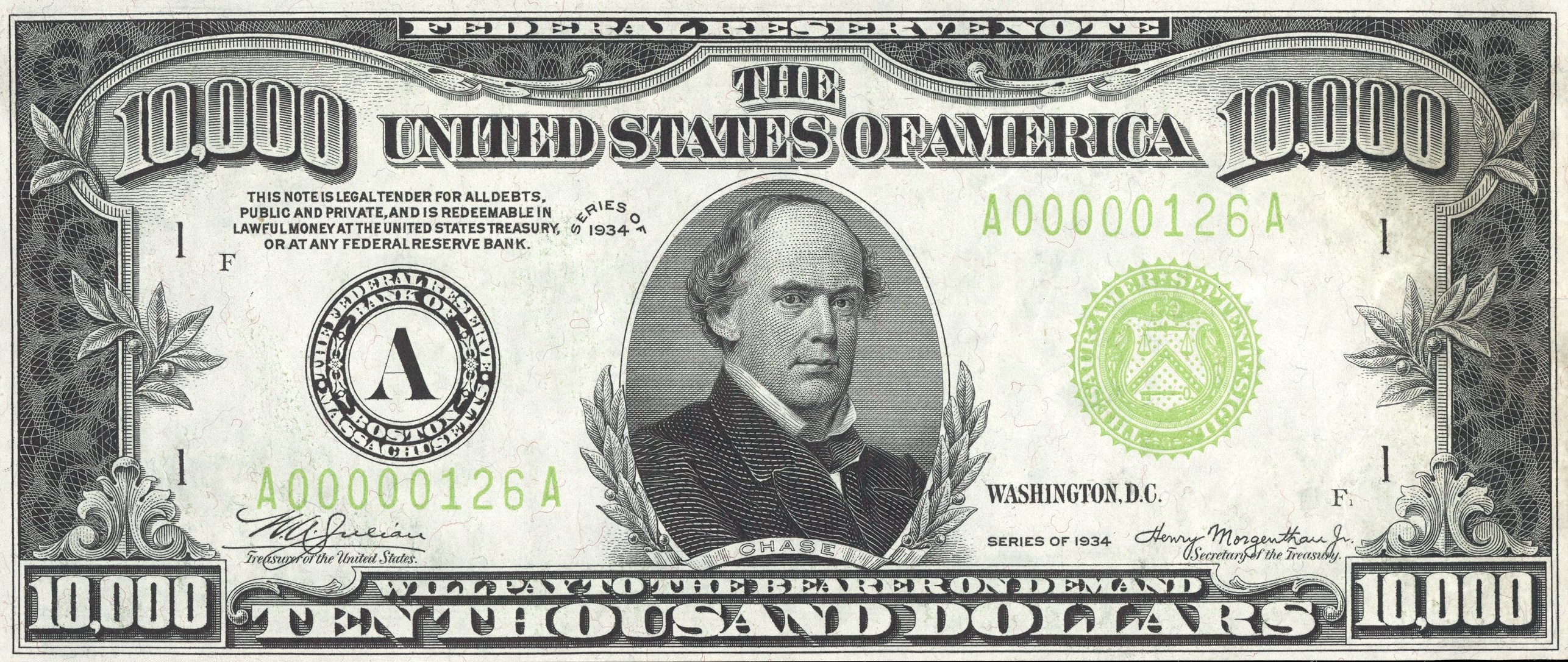
When Jones’s body was identified, he was found to have been carrying roughly $60,000, in cash and traveler’s checks. Some people speculated that he must have been up to no good, and that perhaps he had been on his way to reward Eisenhower for favors to the oil industry. But no one has ever seriously suggested that Eisenhower took bribes, and Jones always carried huge sums—including $10,000 bills, which the government printed until 1946.

Roberts had often urged Jones to leave more of his treasure at home, but Jones, like several early Augusta members—including Roberts—had grown up in poverty, and he liked full pockets. And Roberts had a currency-related eccentricity of his own: he carried only brand-new bills, arranged in his wallet by denomination, and he always made sure to have enough small ones so that no one would be able to give him old bills in change.

The person I know personally who carries the most cash is Rocco Landesman. I wrote a profile of him in The New Yorker in 1994. At the time, he was mainly a theater producer; he later served as the chairman of the National Endowment for the Arts. We got to talking about money—actually, about betting on horses—and he said, “You should never carry less than $10,000 in cash at any time.”

Rocco Landesman

Rocco Landesman

When I laughed, he said, “No, it’s true.” He reached into his inside jacket pocket and pulled out a bundle of bills held together with a rubber band. “You’ve got to have cash,” he said, “because you never know where you’re going to be. You know, you might meet someone and decide you want to spend the rest of your life in Argentina.” He handed me the money. “I’ve got more over here.” He reached into another pocket, and pulled out another bundle.

I hefted both bundles, and fanned the bills with my thumbs, like playing cards. They were all 100s, and there were perhaps a 150 of them. It was the most $100 bills I had ever held in one hand at one time.

“Walking around with anything less than $10,000 is completely unacceptable,” Landesman went on. “It’s a necessity of life. It gives you freedom. The most important thing in life is a sense of possibility, and you simply can’t have it with less than $10,000 in your pocket.”

OLYMPUS DIGITAL CAMERA

OLYMPUS DIGITAL CAMERA

Fire Destroys Golf Clubhouse Down the Road From Merion

Cobbs Creek clubhouse, March 15, 2013.

Cobbs Creek clubhouse, March 15, 2013.

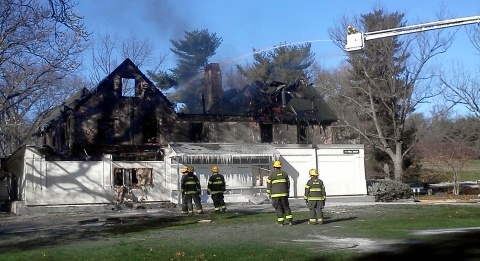
This year is the centennial of Cobbs Creek Golf Club, a muny in western Philadelphia. It was named after its most diabolical hazard, which also runs along the eastern edge of Merion Golf Club, a few miles away. Merion and the Crick—as intimates often call the older of Cobbs Creek’s two courses—share an architect as well: Hugh Wilson, who designed Merion’s East Course in 1912 and created the Crick four years later. The photo above is of the Crick’s clubhouse as it looked when I visited, two years ago. (You can read about that visit here and here and here.) On Monday night, the clubhouse burned down:

Cobbs Creek clubhouse, January 5, 2015.

Cobbs Creek clubhouse, January 5, 2015.

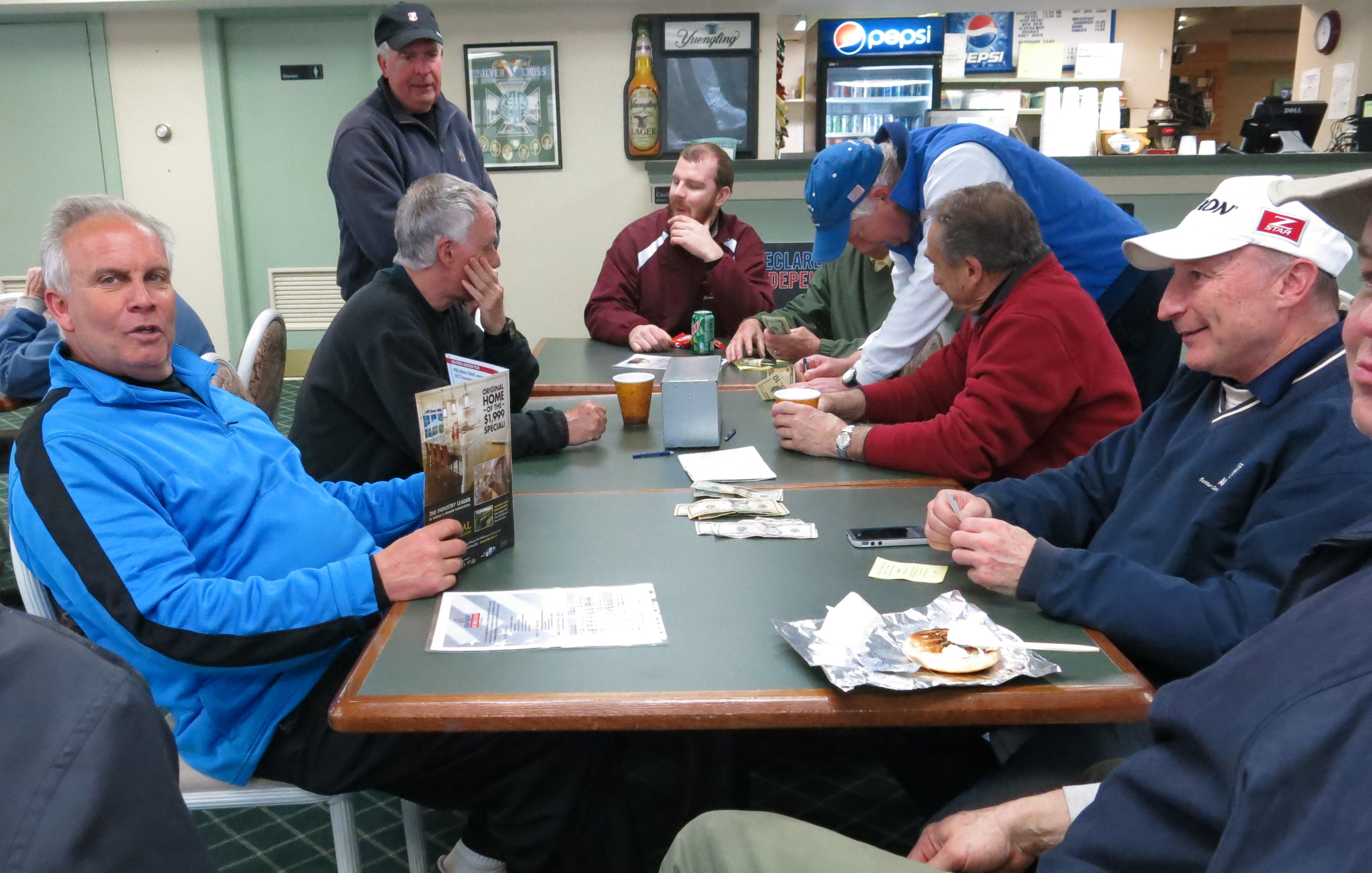
I learned about the fire from Hank Church and Paul Cornely, who are members of Cobbs Creek’s principal men’s group, the Cobbs Creek Publinks Golf Club. “What I’ve heard is that it started around 11:00 last night and took more than two hours to control,” Cornely told me. “The cause isn’t known, but it looks like the fire started near the lunchroom/beer tap area.” That’s the area in the back right of the photo below, which shows the Publinks group in happier times:

IMG_0629

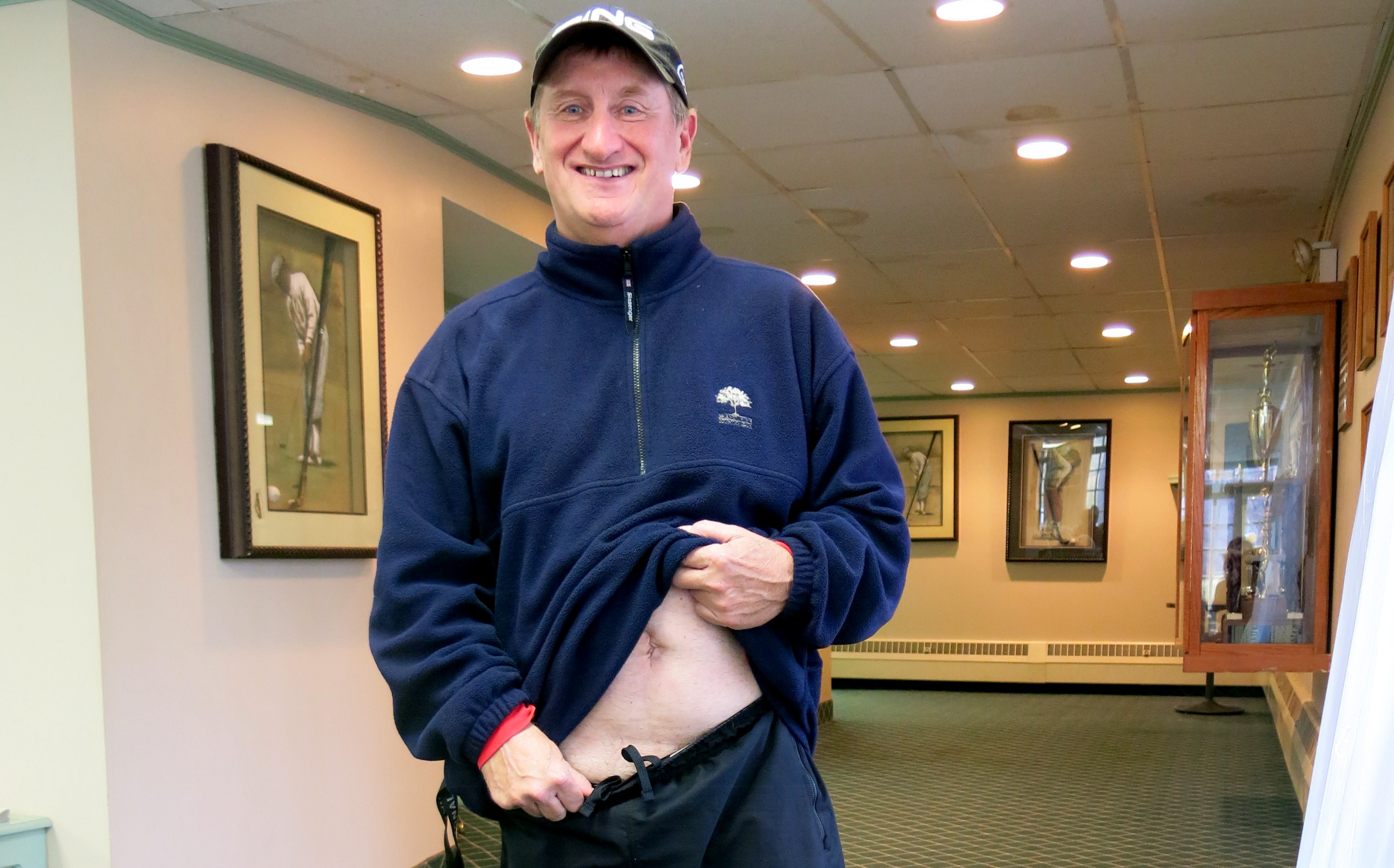
“It’s a sad day for many,” Church said. “That was my home-away-from-home for 50 years.” When I met Church, in 2013, he’d just had ten inches of his large intestine removed, and although he wasn’t playing again yet he had shown up anyway, to hang around in the clubhouse and show his scar to his friends:

IMG_0695-001

“On Sunday, we had our typical group, fifteen players,” Cornely said, “and then we had a few laughs and beverages.” The players on Sunday included Lou Camilli, who is just four years younger than the golf course. He was in the Marine Corps during World War II, and fought in the Battle of Iwo Jima. Three years ago, his optometrist’s receptionist gave him back a form he’d filled out and told him he’d made a mistake, because the birthdate he’d written down would make him ninety-three. “That’s what I am,” he told her. “And I’ve still got heat in my oven.” He plays more than two hundred rounds a year:

Here’s a video of the fire, shot by Frank Wesnoski:

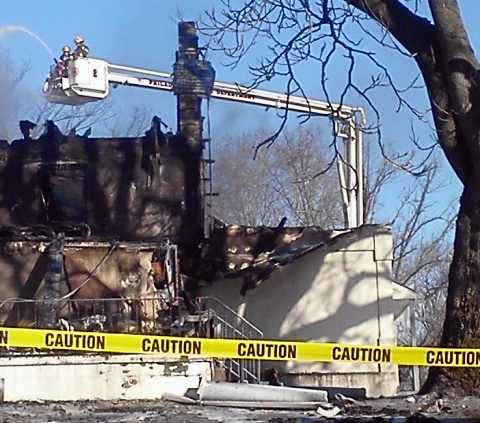
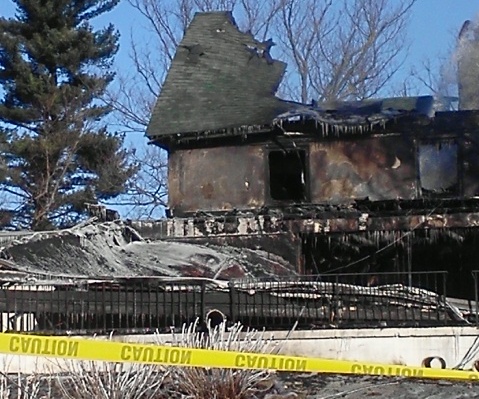
“The Temp was 11 degrees with a windchill of -5,” Wesnoski writes. “A steady wind was blowing the fire from the front to back. . . . The building was destroyed. Salt crews were requested from both the City and Upper Darby for icing conditions.” And here are some photos of the aftermath, which Bob Zecca and Mike Harms, both Publinks members, took this morning:

0105161050

0105161044a

0105161044b

Great group, great course, great clubhouse. Too bad.

IMG_0606

Woman Uncovers Corporate Golf’s Darkest Secret

P1170350

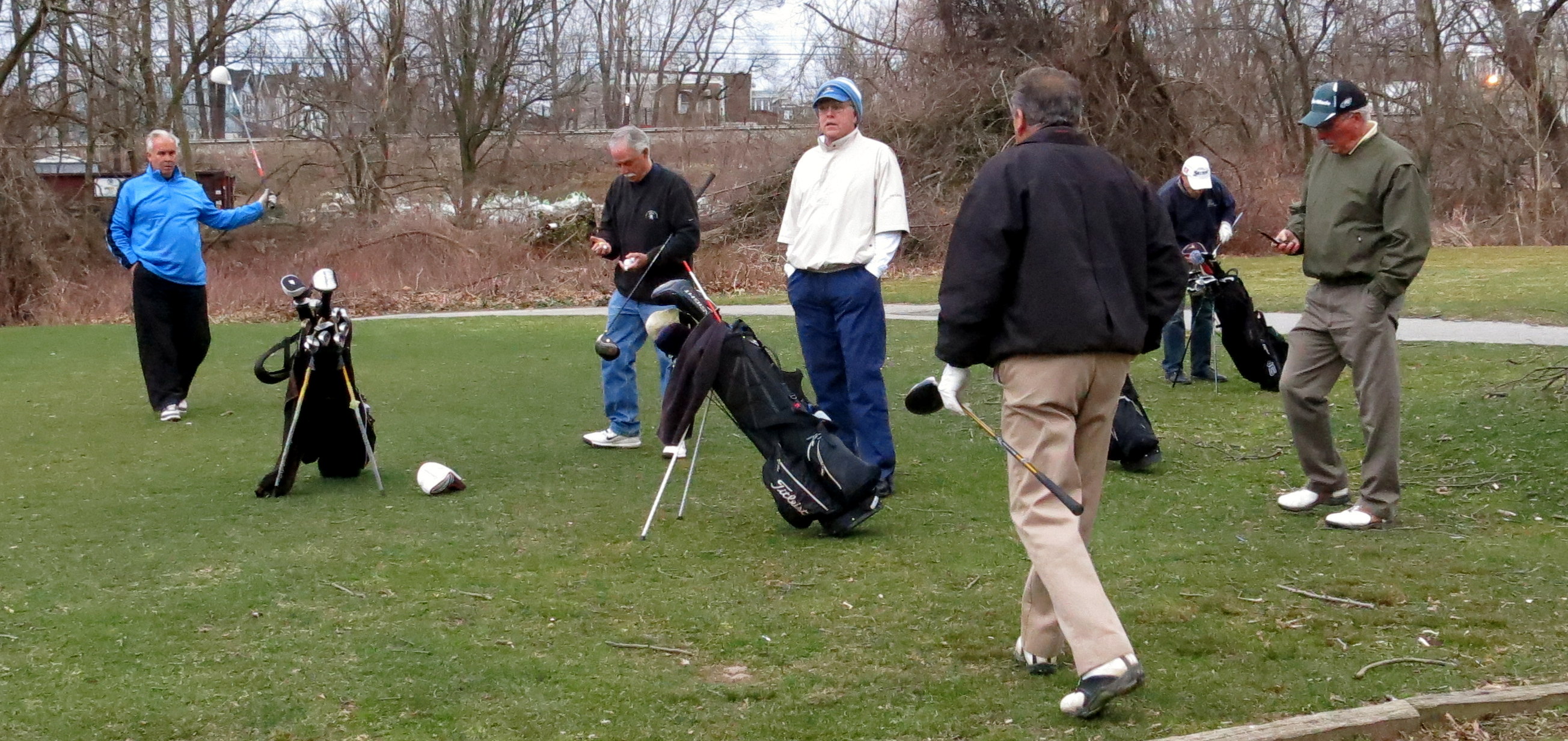
Nobody else could play on Saturday, so I decided to do chores and pay bills. But then I noticed that the temperature was almost 60, so I took the dog for a quick walk and went to Candlewood Valley as a single. The starter sent me out with Barbara, who had followed a similar logical path to the golf course. We were joined by Kevin and Steve:

P1170374

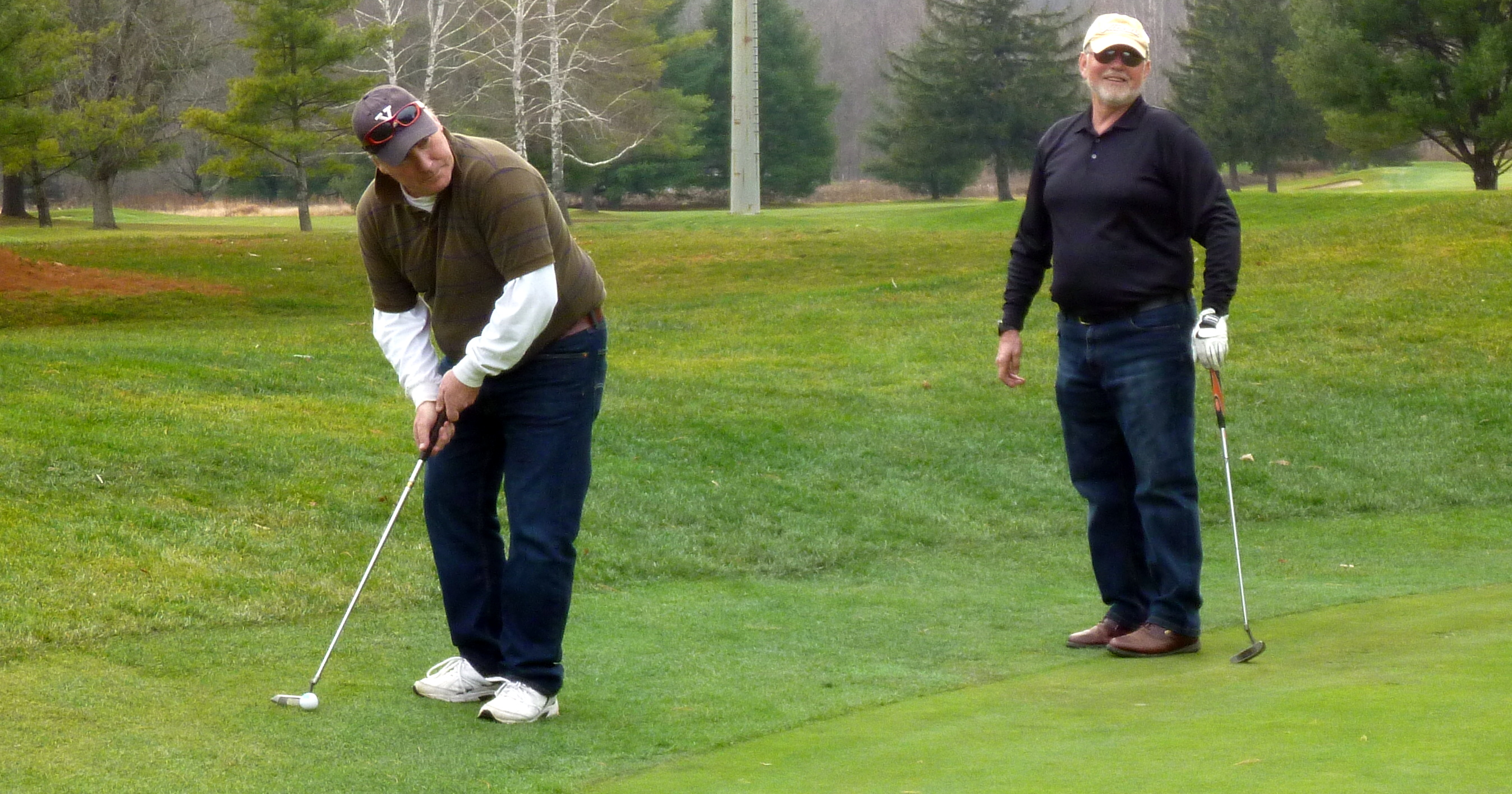
Steve was trying to master a new 65-degree wedge, which he had ordered from an infomercial. It’s the ideal club if you want your ball to end up either almost exactly where it started or in that pond over there, on the other side of the green. Kevin started playing golf just this year. Pretty quickly, Barbara and I learned that when he was hitting the best place to stand was either a little bit behind him or to the left. Nevertheless, he did hit a few good shots, including this tricky one, on the seventh hole:

P1170379

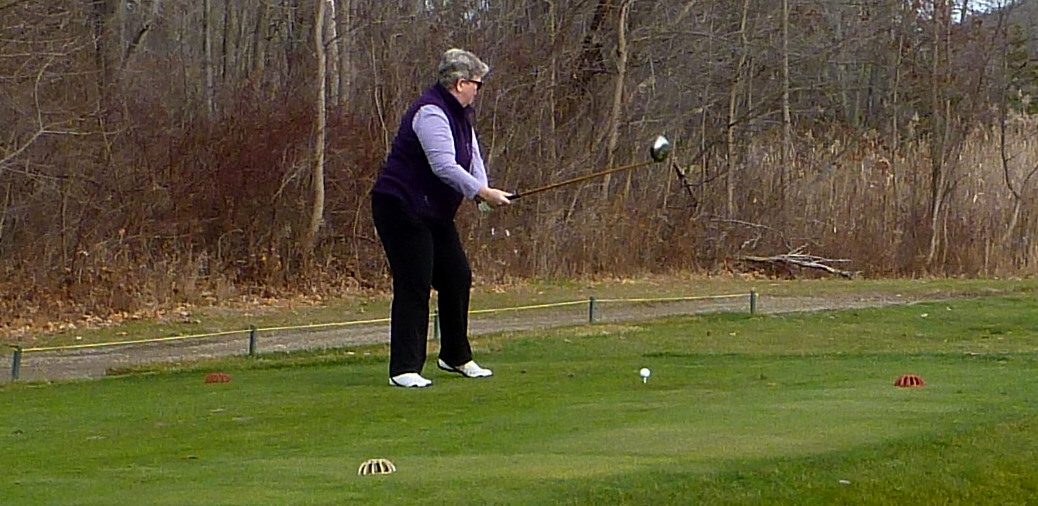
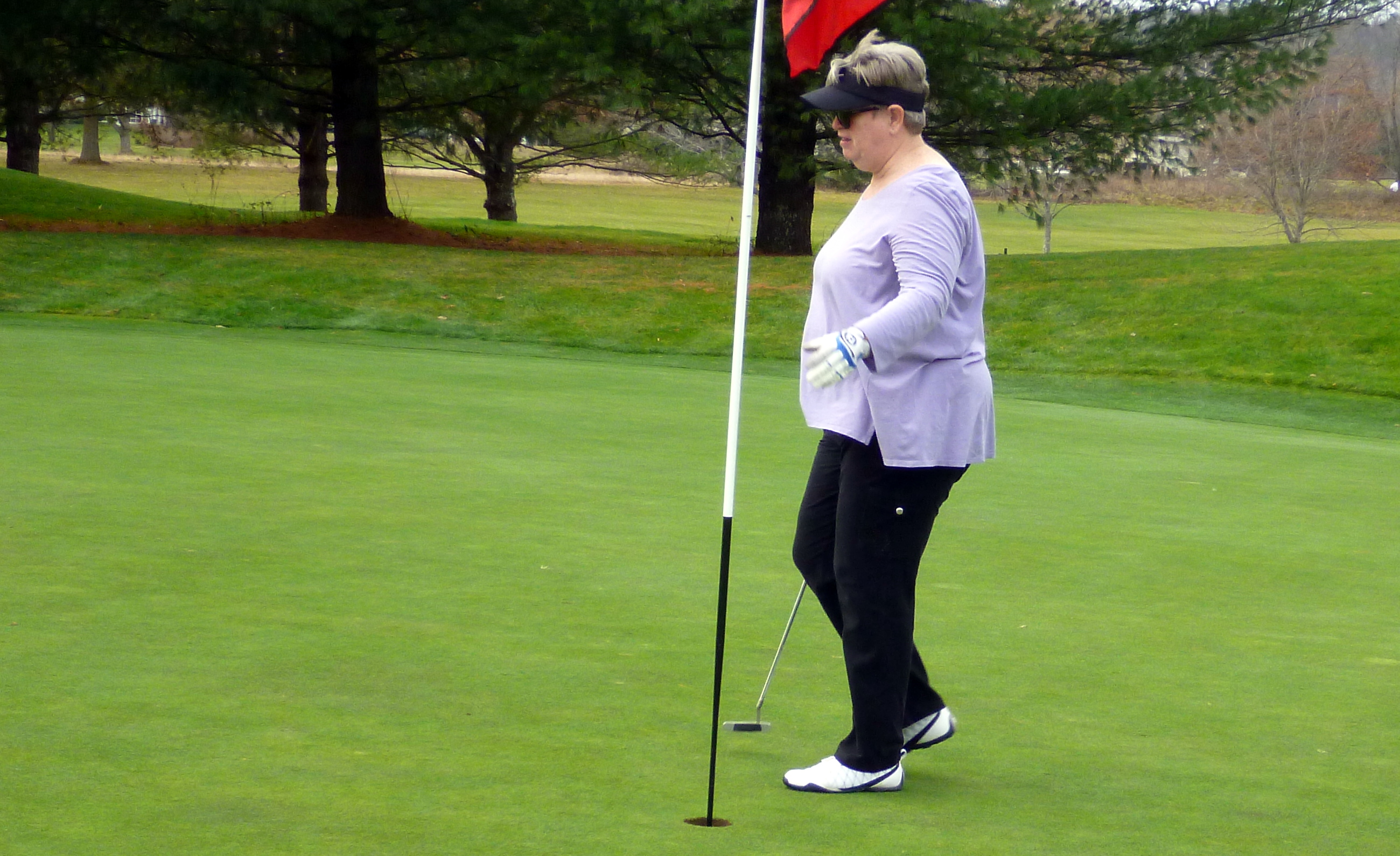
Barbara is the technology person at a private school for special-needs kids. She began her career, in the late nineteen-seventies, at IBM, and she took up golf when she realized that most of her male coworkers played. More recently, a friend from work invited her to fill in for his regular partner in his weekly golf league, which was all men. Some of the regulars grumbled, but the pro told her to ignore them, and after she had subbed a few times they invited her to join the group. Because of her experience in the business world, she understands one of golf’s darkest secrets: most of the men who play in corporate outings suck, and a women who can hit her driver even a hundred yards can end up being her foursome’s most valuable player, since she gets to play from the forward tees.

P1170377

Barbara recently switched from women’s shafts to senior men’s shafts, and when she did, she said, she picked up twenty-five yards with her driver. Her mother, who is 90, also plays golf. She took it up in her fifties, and when she was in her mid-eighties she won the women’s nine-hole championship at the club she belongs to, in Florida. “I would put her chipping and putting against anybody’s,” Barbara said. Barbara has four grandchildren, and she is trying to get them interested in playing, too—so far without much success.

I went back to Candlewood the next day, with the Sunday Morning Group.

P1170382

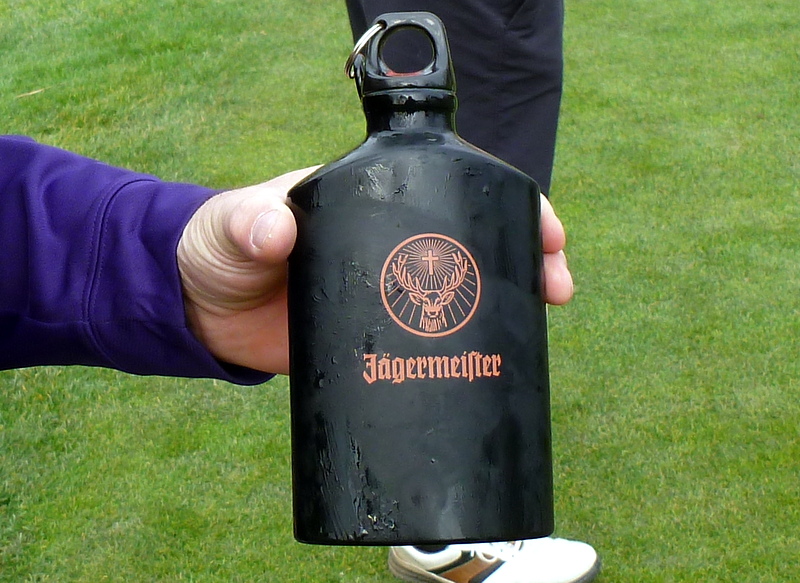
We played an old game of ours, called Fathers & Sons: the four oldest guys versus the four youngest. It was the second round of our winter-long competition, the Jagermeister Kup.

P1170389

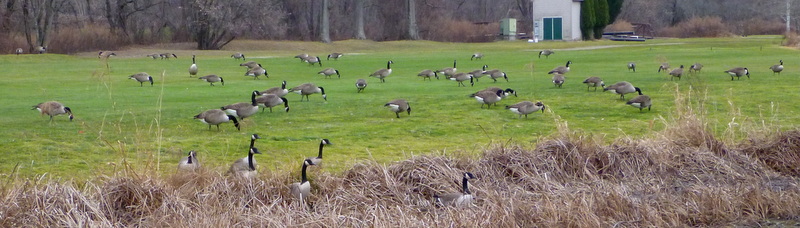
The course was crowded and slow, and we were pretty sure we were going to going to have to finish in the dark, with glowing balls, since at this time of year the sun is basically gone by 4:15—and when we made the turn, at 2:45, we saw that there were three groups on the tenth hole, which is only about three hundred yards long. But then the starter suggested that we replay the front, which was now empty except for a single two holes ahead. Plus about a million geese:

P1170404

We ended up playing a four-hour round the hard way: two hours and forty-five minutes for the first nine, an hour and fifteen minutes for the second. Everybody played better, because there was less time to think between shots. And on the last hole we caught up to the single. Out of the way, pal!

P1170415

The Sons beat the Fathers by a stroke, after making a miraculous charge on the second nine. Damn. But we had fun, and in the parking lot, as we were leaving, I spotted a solution to my car-clutter problem:

P1170428

We’re going back on Friday, unless winter suddenly arrives.