All the Way Inside the Ropes With Annika, Chi-Chi, and the Black Knight

Gary Player Invitational - Pro-AmA couple of weeks ago, three friends attended the Gary Player Invitational, a two-day charity event, at GlenArbor Golf Club, in Bedford Hills, New York. The course was designed by Player, and it’s awesome:

GlenArborView

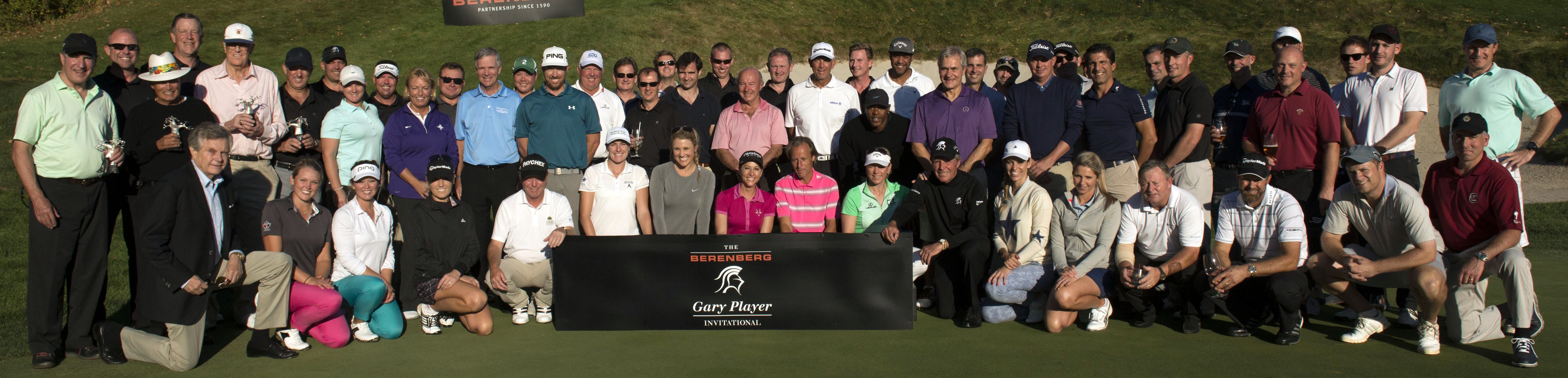
The field for the event was awesome, too:

PARTICIPANT GROUP SHOT 2015

It included Player, Chi-Chi Rodriguez, Annika Sorenstam, Tom Lehman, Retief Goosen, Natalie Gulbis, Ian Woosnam, Jason Dufner, Mark O’Meara, many others.

Gary-Player-GlenArbor

Bob G.—an honorary member of the Sunday Morning Group, who also happens to be a member of GlenArbor—sent me these notes:

Way better than any golf tournament. No ropes, could walk anywhere. Players were relaxed and easy to engage. Although there was some press around, they weren’t in the way. It wasn’t like a big media event, so there was no pressure on the pros to be ‘on.’ Just us and these great golfers hanging out. A bit like having Derek Jeter and Mariano Rivera over to play a little baseball in your backyard.

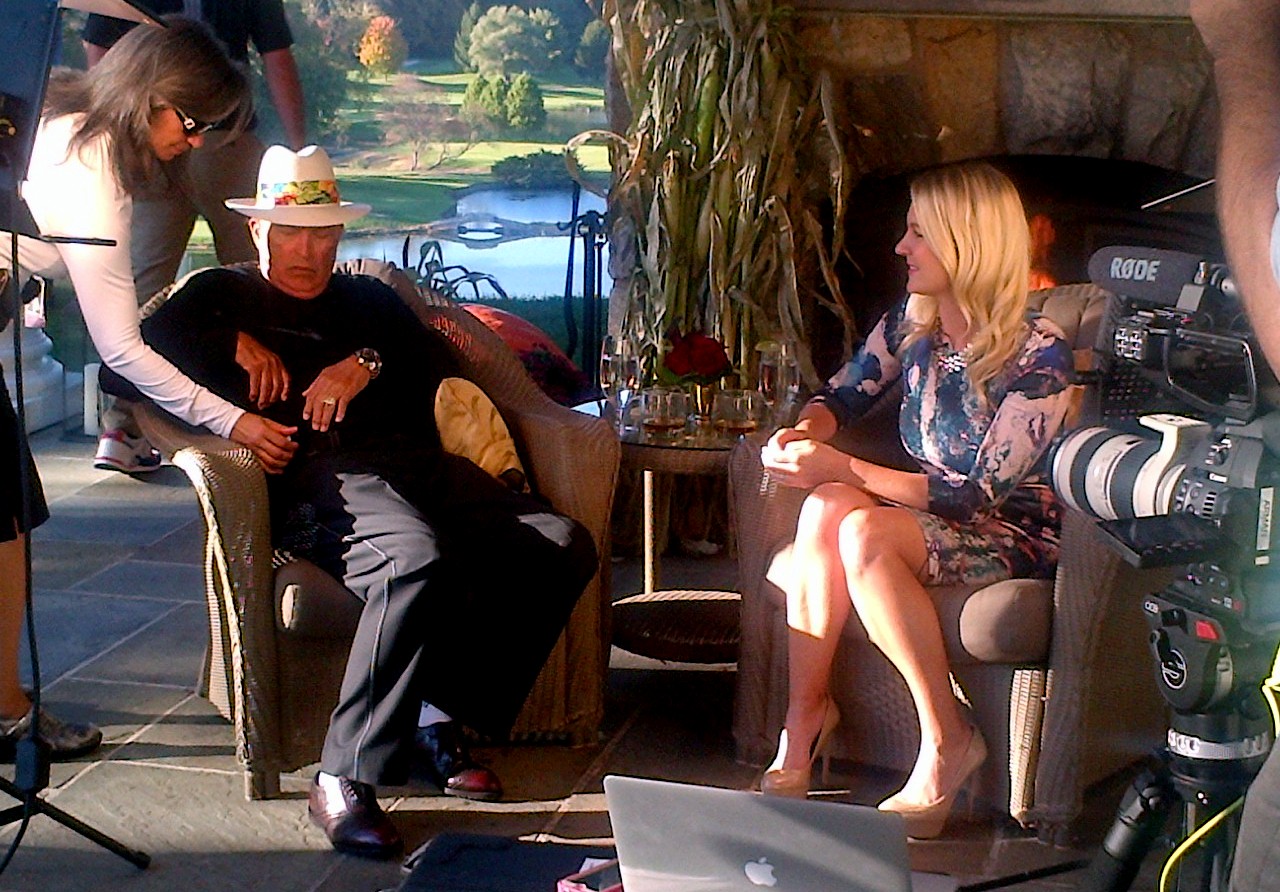
Chi-Chi, who is 79, looks 65. On the fairway of No. 16, he comes up and says, ‘Hi, I’m Chi-Chi. Things are so bad in Puerto Rico that the Mafia had to lay off three judges.’

Bedford-20151012-00606

Annika Sorenstam hits a nice draw with about a 250-yard carry. Ian Woosnam looked grumpy. Mark O’Meara told Grant Gregory, who founded the club, that the greens were faster and better than the ones at Augusta during the Masters.

Lehman drinks beer; Goosen drinks wine. I had a drink with Rich Beem. Nice guy, but called me ‘Sir.’

Hacker (real name) was there, too. He followed Player and Sorenstam for several holes, and walked right along with them in the fairway. There were only about 40 people in the entire tournament gallery, so he was able to get plenty close:

20151012_124237

Peter A. was also there. “It was better than the last U.S. Open I attended, at Torrey Pines,” he told me. “And all the LPGA players are smokin’ hot.”

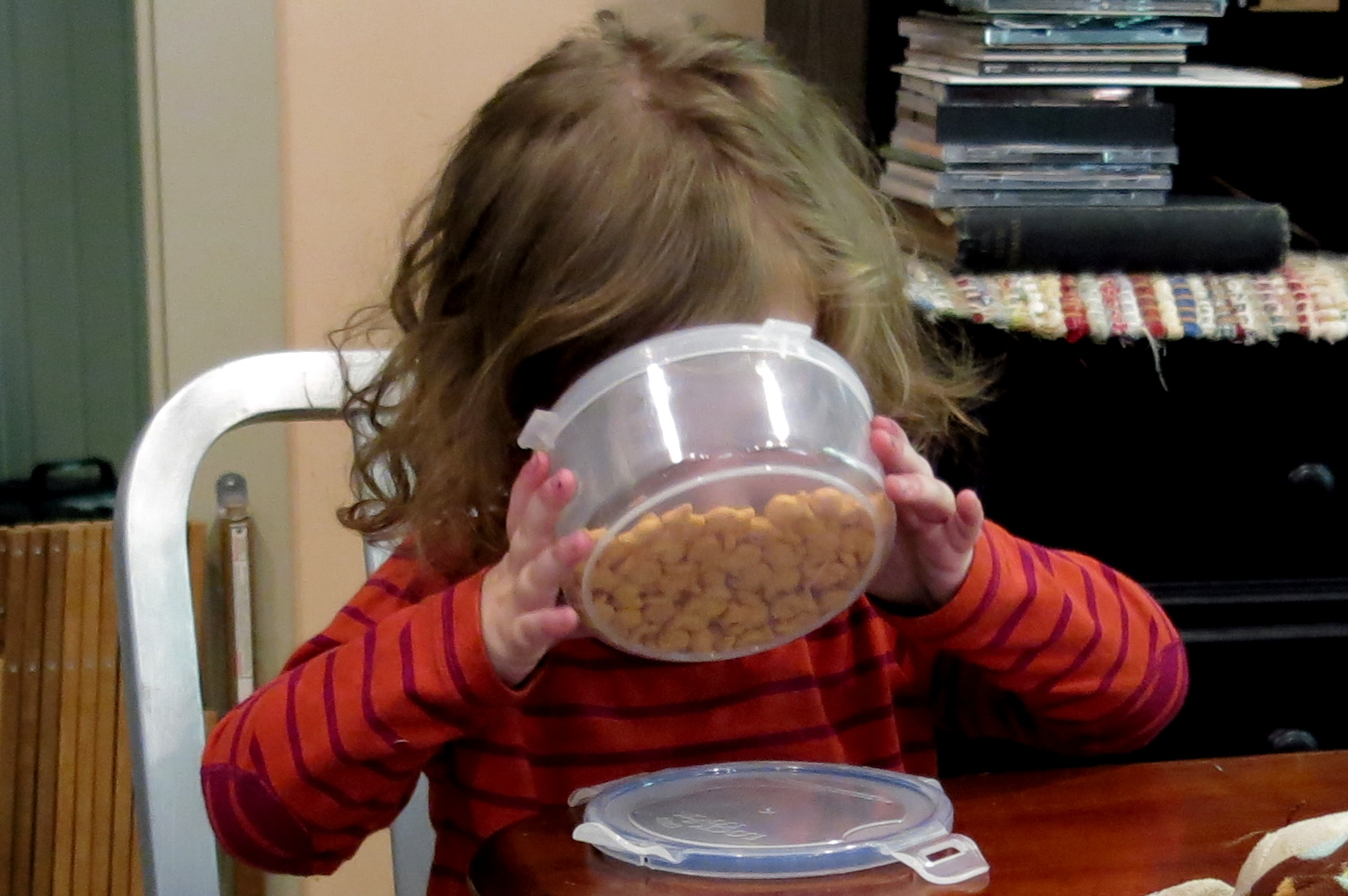
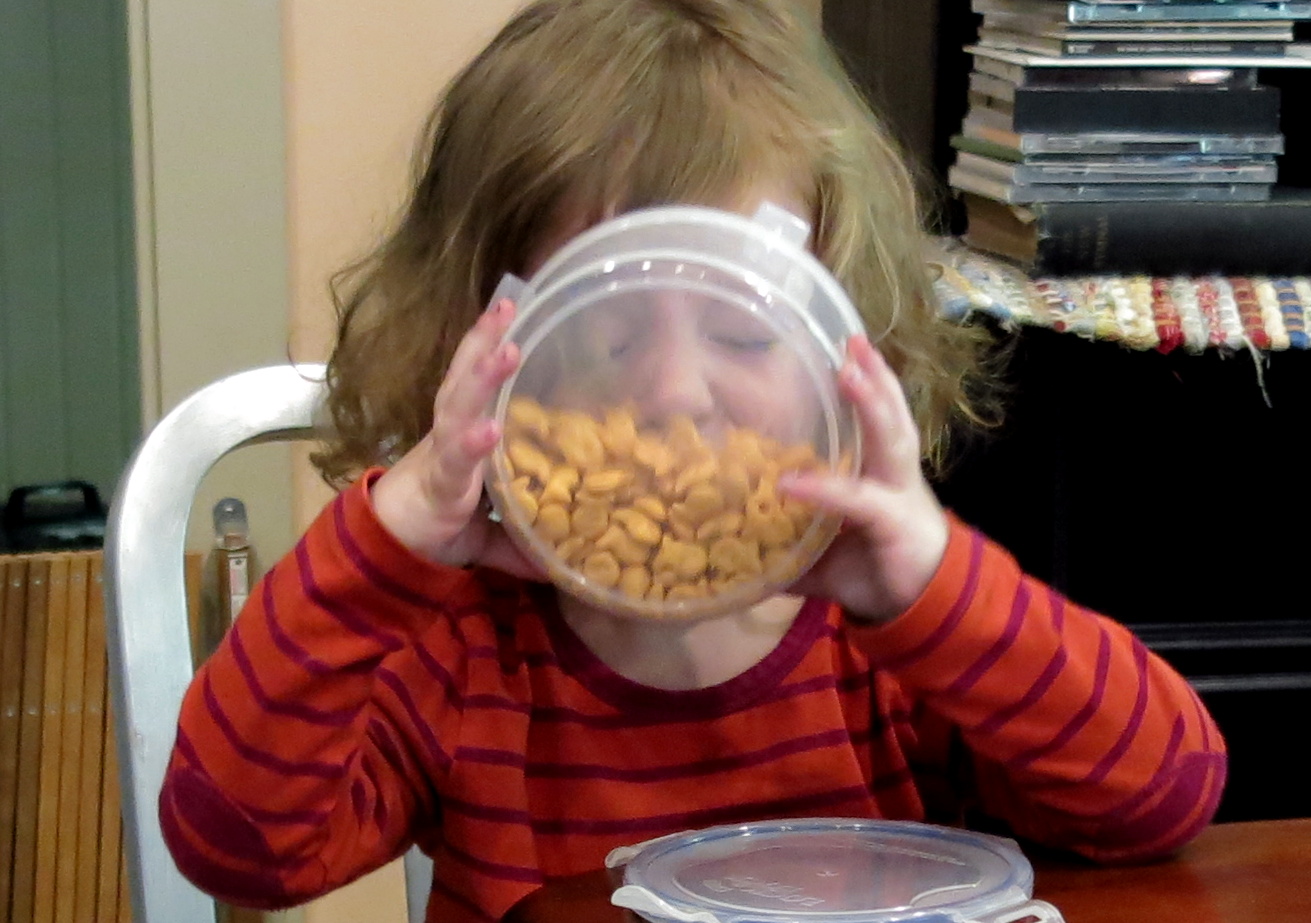
I couldn’t join them, because my daughter and her family were visiting, and I was busy teaching my granddaughter, who is about to turn two, how to eat goldfish crackers the way the guys in the Sunday Morning Group eat potato chips:

IMG_1127

IMG_1130

IMG_1131

A Perfect Autumn Buddies Trip

David

Every October, the Sunday Morning Group celebrates the approach of the winter golf season by taking a long-weekend golf-only buddies trip to Atlantic City, a little over four hours south of where we live.

view2

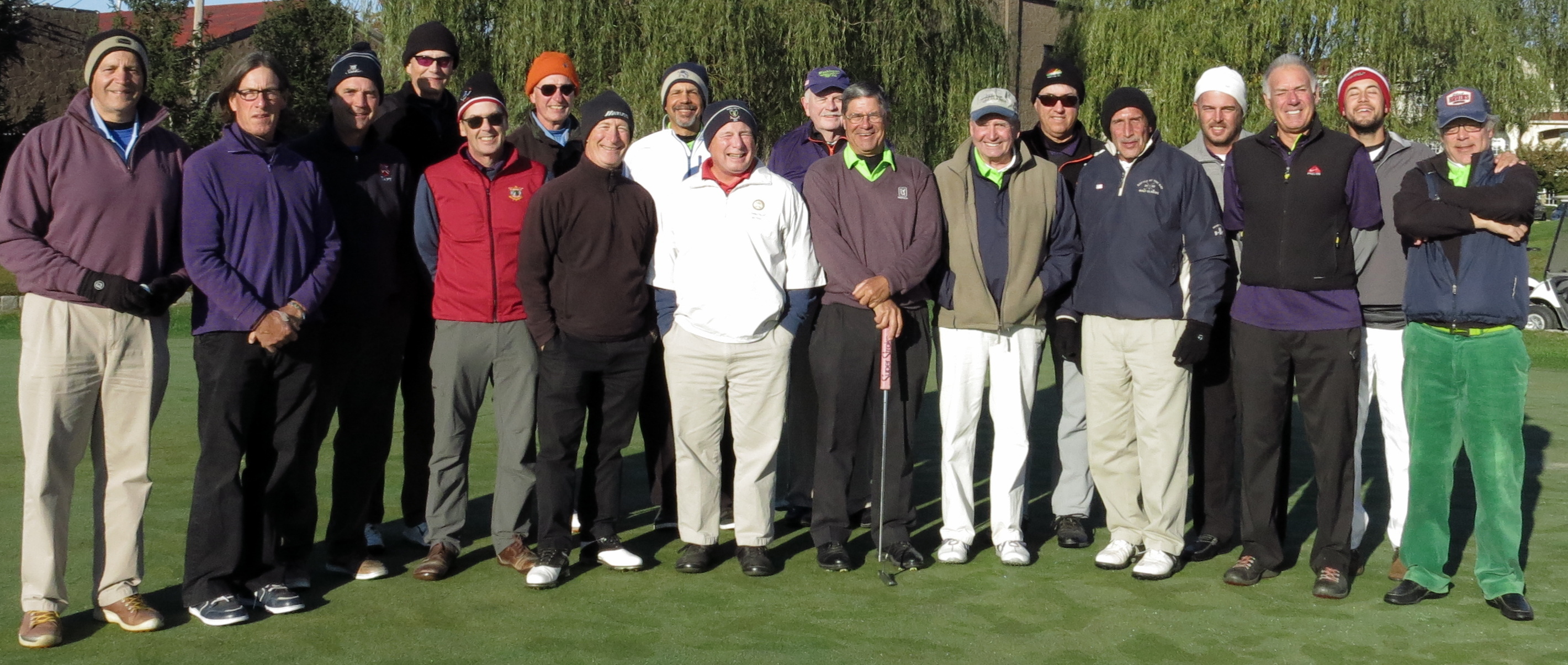
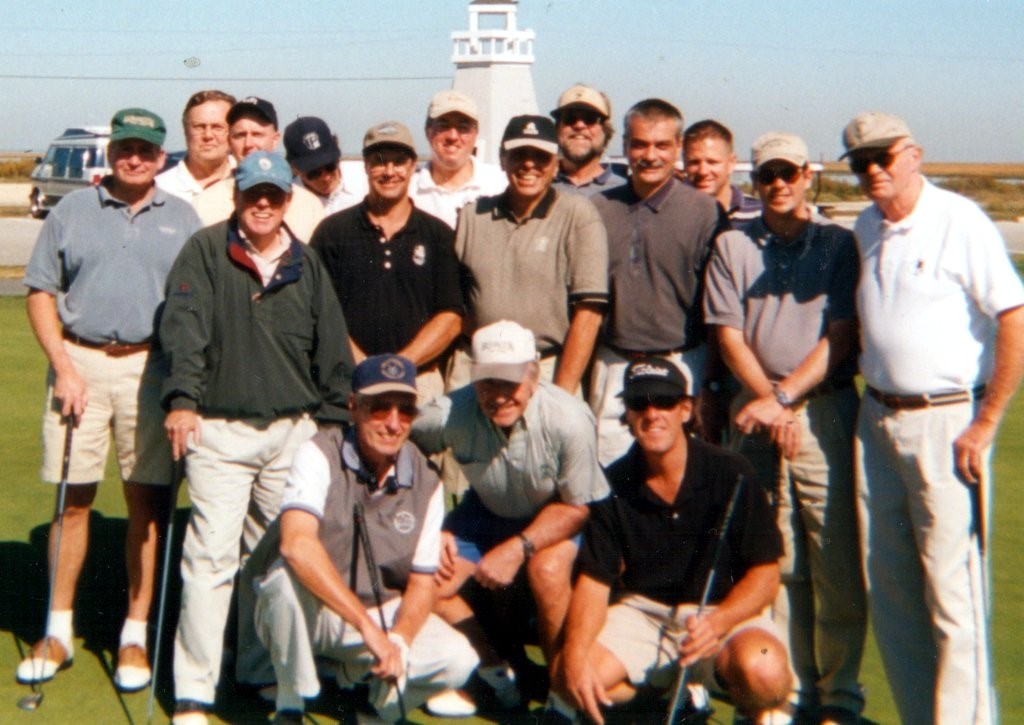
This year was Trip No. 16. We had 20 golfers, two of whom must have been in the men’s room when the bag-drop guy took this photo:

IMG_1321

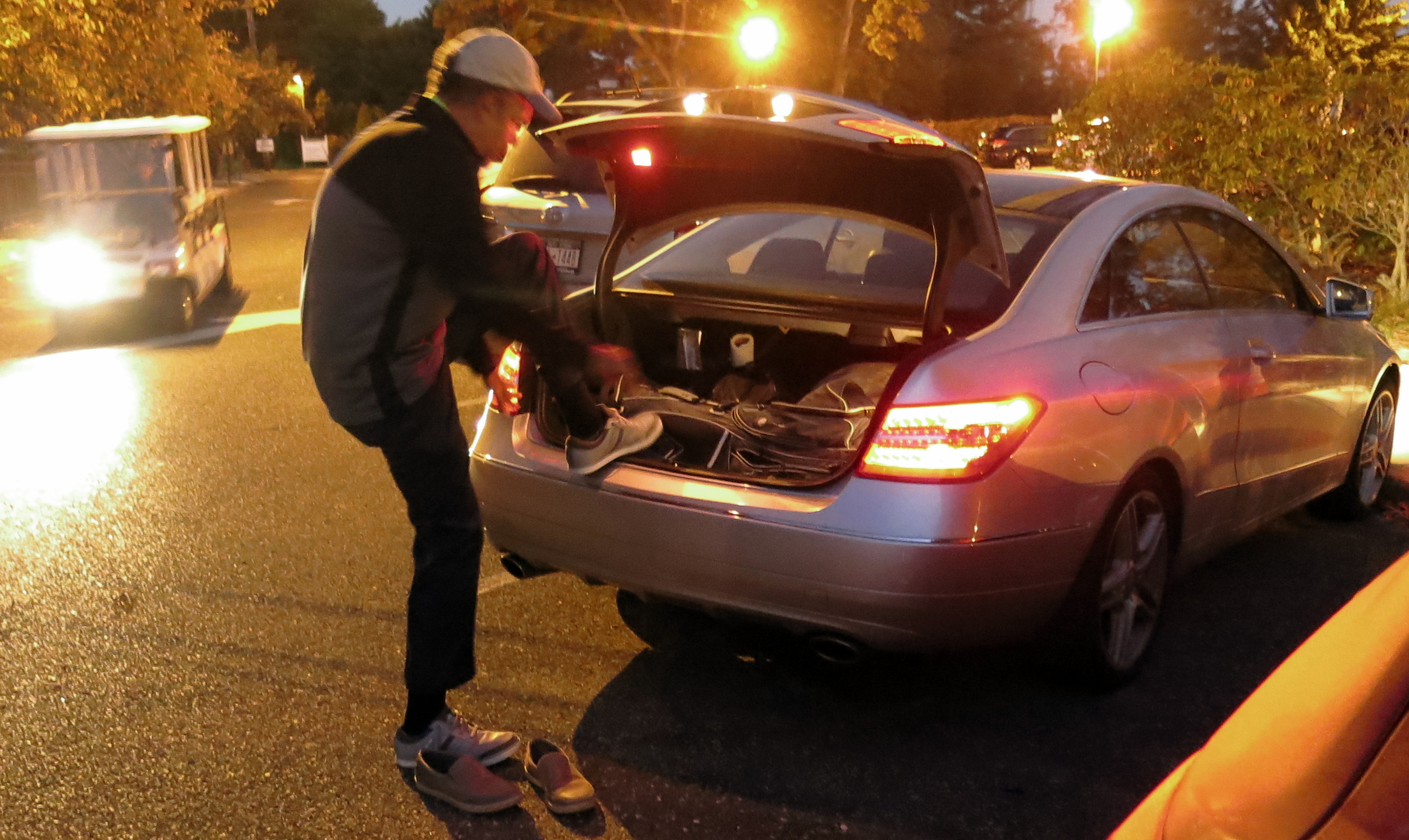
As always on these trips, we did more waiting than we usually have to do at home. But the waiting was actually part of the fun—including waiting for the sun to come up at Seaview:

IMG_1241-001

Waiting for J.P. to arrive at Twisted Dune:

P1160920

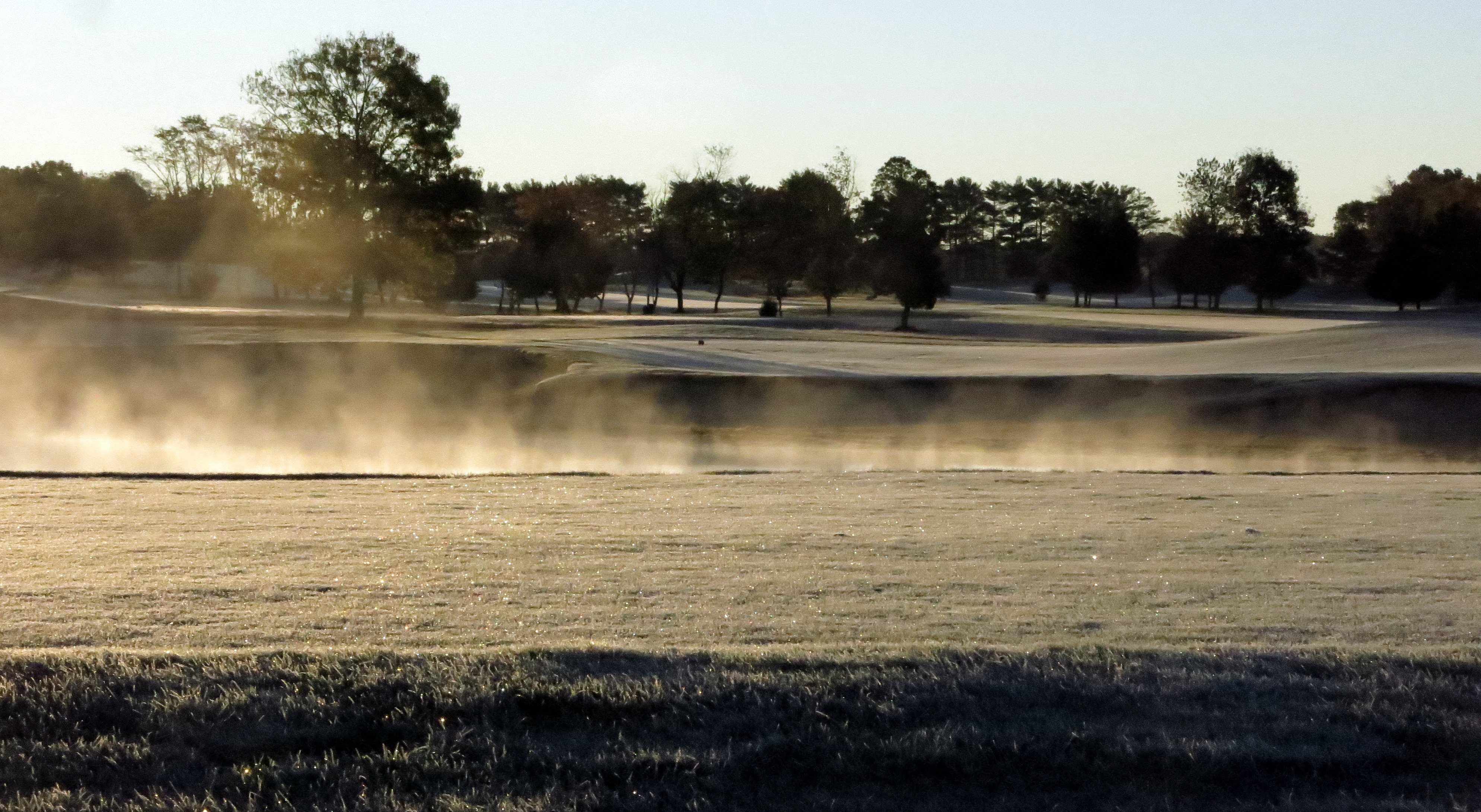
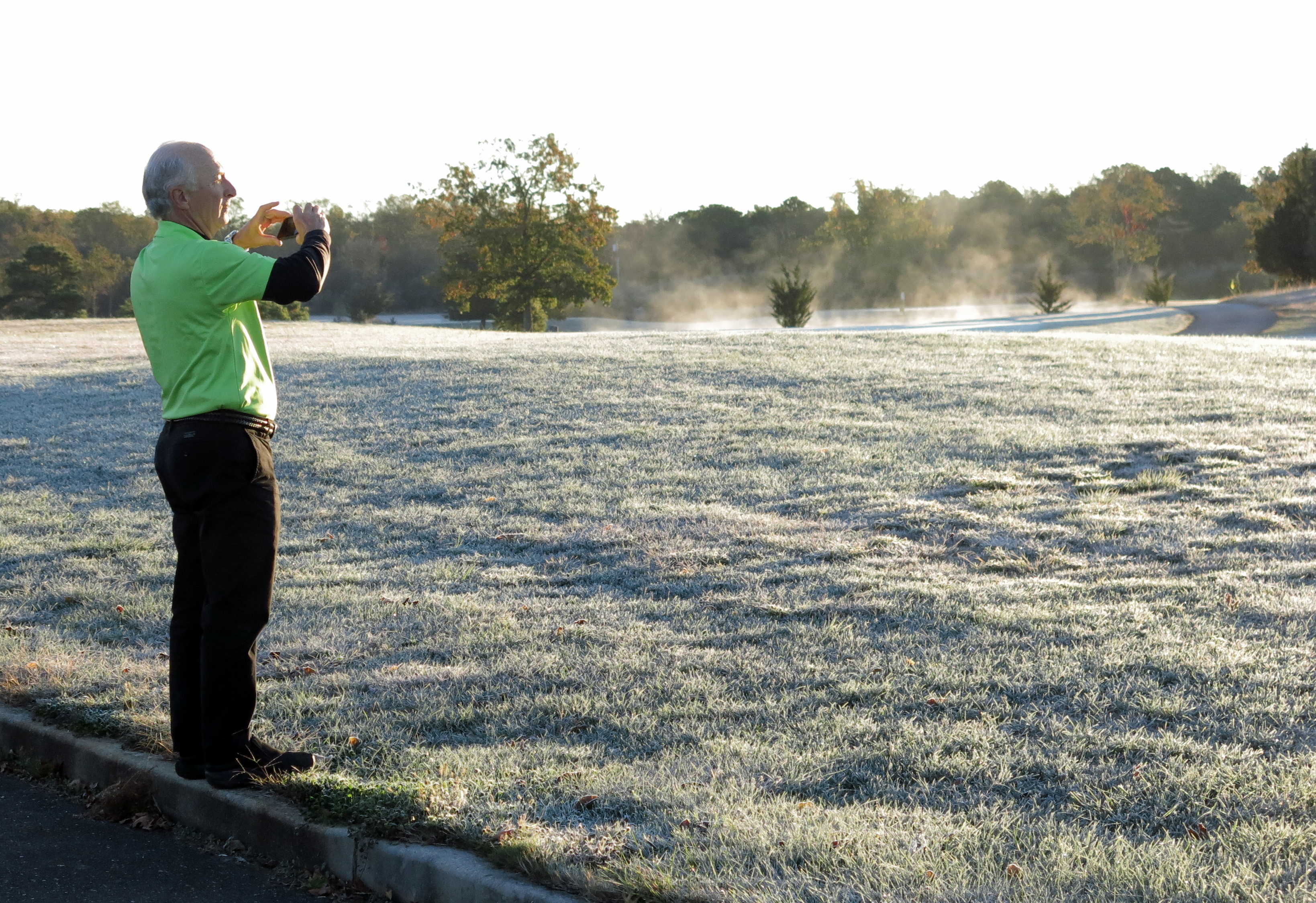
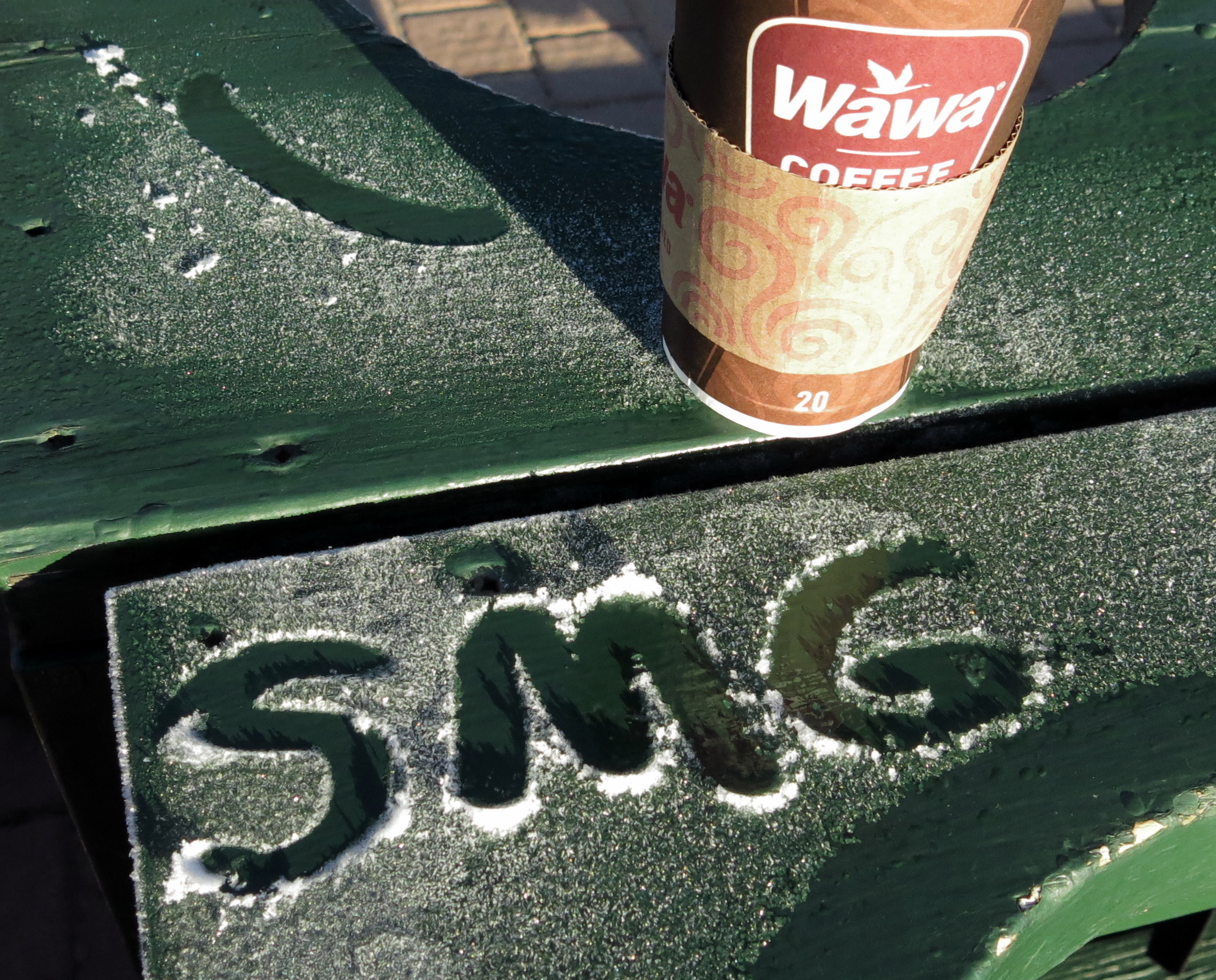
Waiting for the frost to burn off at Renault Vineyards:

IMG_1273

IMG_1287

IMG_1310

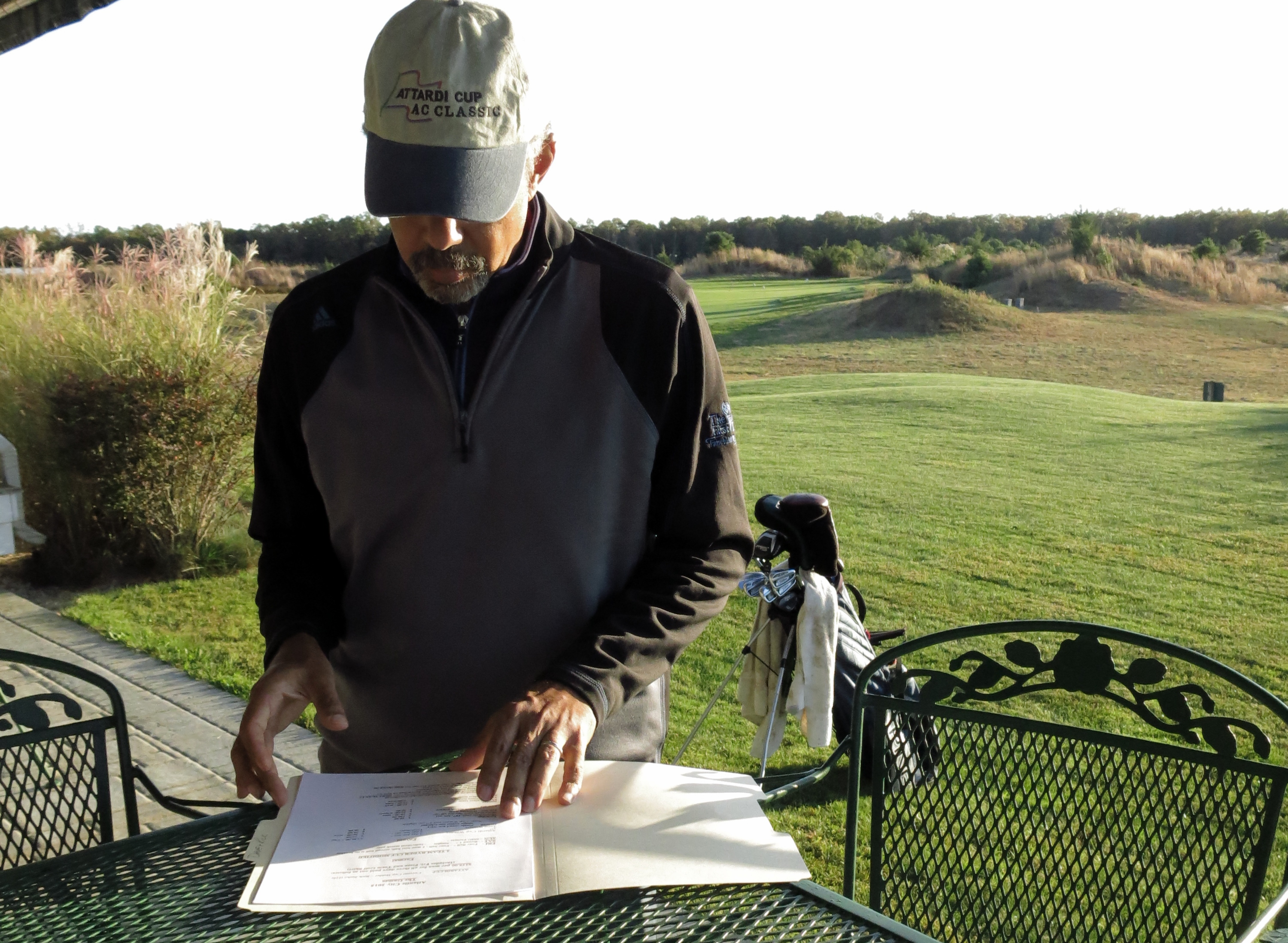
Waiting for Hacker (real name) and me to finish entering the day’s hole scores in the awesome do-everything spreadsheet that Tim created for the trip:

more numbers

Waiting for the slowpokes in the group ahead of us to get the hell out of the way on the Bay Course at Seaview:

P1160950

Waiting for the guys in our own last group to finish at Twisted Dune:

IMG_1172

Waiting for our pizzas to be delivered to the lobby of the Sonesta in Somers Point:

IMG_1232

Waiting for Tony to realize he was never going to catch the 50-dollar bill that Gary, our terrific superintendent, kept dropping between his open fingers:

Waiting for Reese, on the way home, to attempt a rare cross-lane lit-cigarette hand-off, to Paul, at speed on the Garden State Parkway:

IMG_1353

Waiting to find out which of our favorite meals our wives had spent all weekend preparing to celebrate our return:

IMG_1364

And, in effect, waiting for the thing that no one likes to think about, much less talk about. We all look a lot older than we did during our first A.C. trip, 16 years ago:

AC2000

The Ideal City for Golf?

us air force bases (2)

If you’re thinking about moving to maximize your year-round access to golf, you could do worse than to study a map of the nation’s air bases. The reason isn’t that pilots play more golf than other people; the reason is that the Air Force tends to locate its facilities in places that are relatively free of the kinds of weather that keep flyers on the ground—which happen to be the kinds of weather that keep golfers indoors. By that metric, the most golf-friendly micro-climate in the United States may be in and around San Antonio, Texas, where thousands of new airmen and airwomen are trained each year. At least, that’s the theory of Scott Anderson, a fortyish information-technology consultant, whose wife is a major in the Air Force Reserve. She spent five months in Afghanistan, and, during her deployment, their Skype conversations were sometimes broken off by explosions. “I hate this role reversal,” he told me. “She’d be under attack somewhere, and I’d be home, hand-washing the dog bed.”

anderson et al

That’s Anderson in the middle in the photo above. He told me that he took up golf because he figured it would be a good way to meet people, especially while following his wife through her military career. I met him and two of his friends—Dustin New, on the left, and Evan Zickgraf, on the right—on the first tee at Brackenridge Park Golf Course, a few minutes from downtown San Antonio and roughly midway between Lackland and Randolph Air Force bases.

P1100919

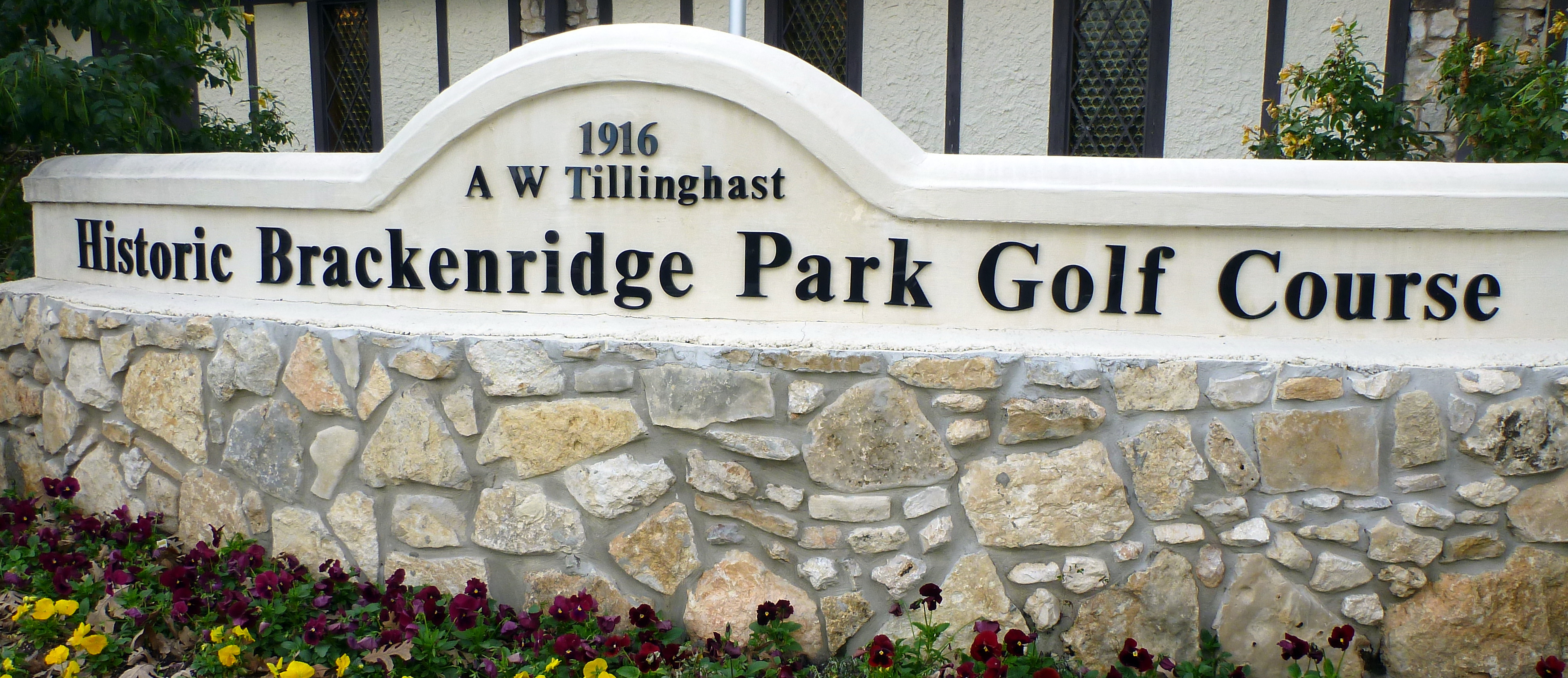
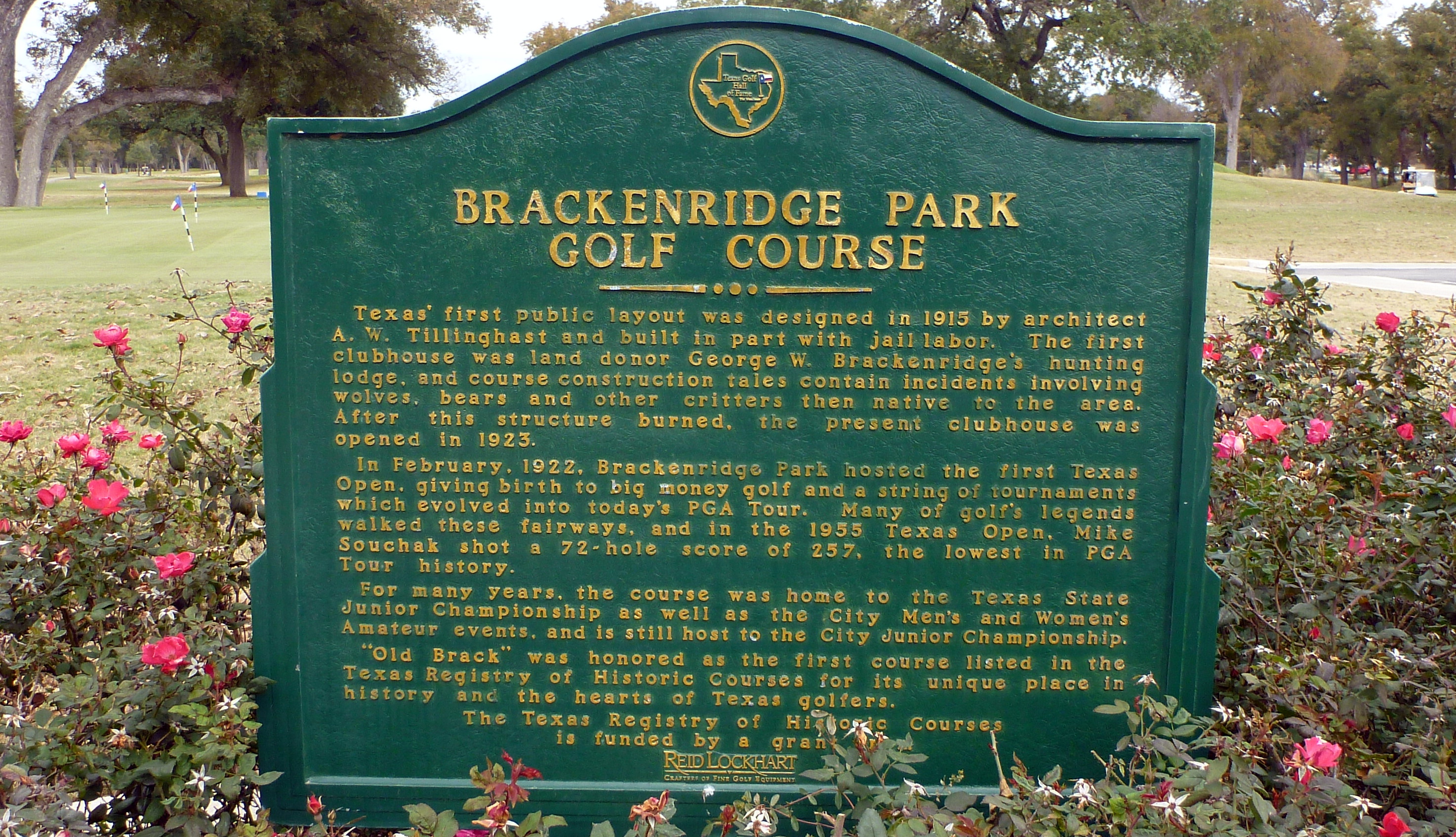
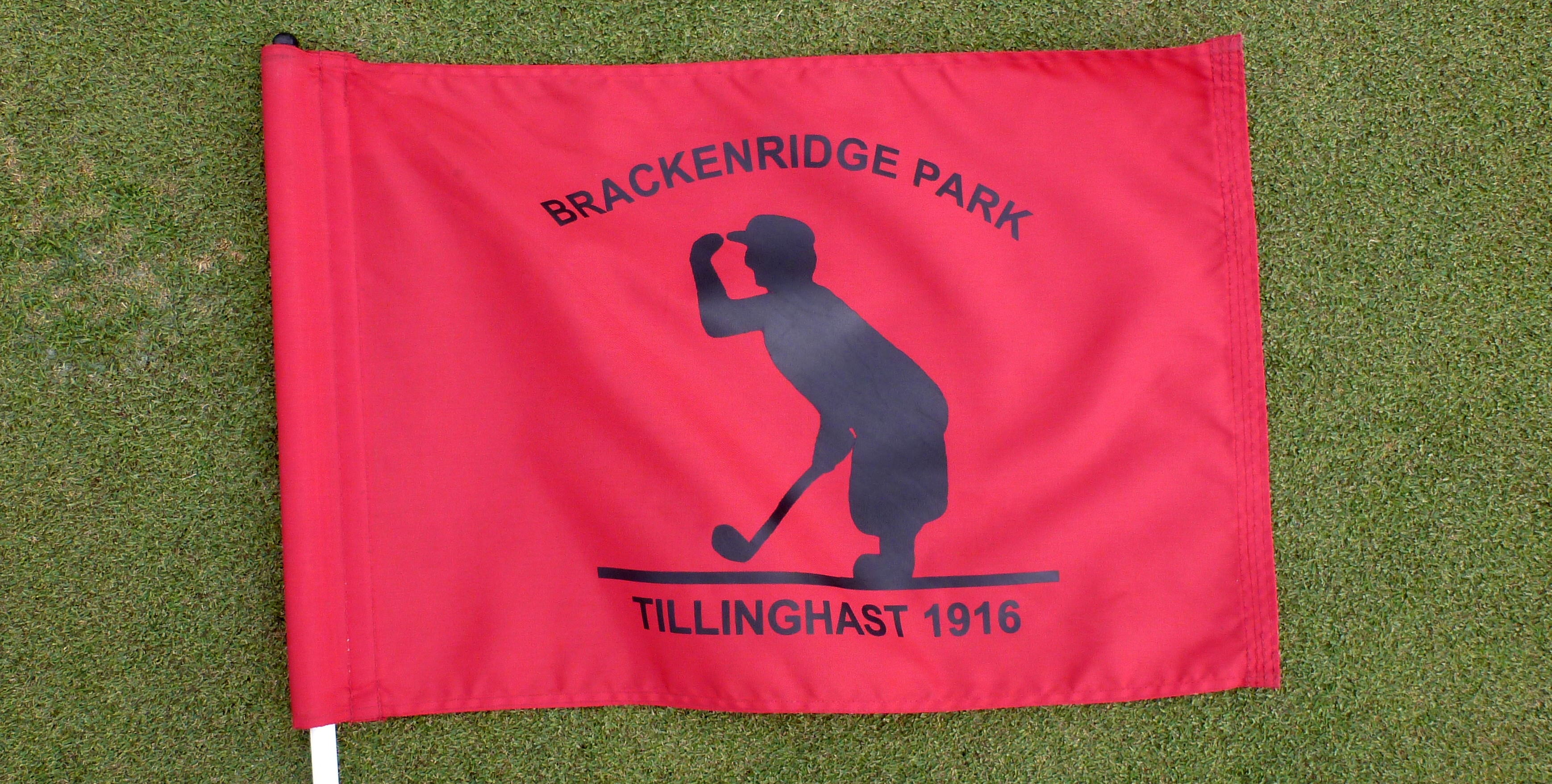
Old Brack—as regulars refer to it—opened in 1916 and was the first municipal course in Texas. It was designed by A. W. Tillinghast and built partly with convict labor, and for many years it was the home of the Texas Open. The clubhouse was built in 1923, after the original clubhouse burned down; it does extra duty as the Texas Golf Hall of Fame & Museum.P1110062On the thirteenth hole, Anderson, New, Zickgraf, and I were joined by Stephen Escobedo, an assistant pro, whom I’d met the day before.

P1110029

His father, Marshall, caddied on what’s now the Champions Tour, and when Stephen was three or four Marshall took a photograph of him on the Old Brack practice green, pretending to smoke a corncob pipe. Stephen played baseball in college. He took up golf in a serious way during a five-year stint in the Marine Corps, and he liked the game so much that he decided to build his post-military existence around it. Today, in addition to giving lessons and working in the golf shop, he coaches the golf team at a local middle school.

P1110123

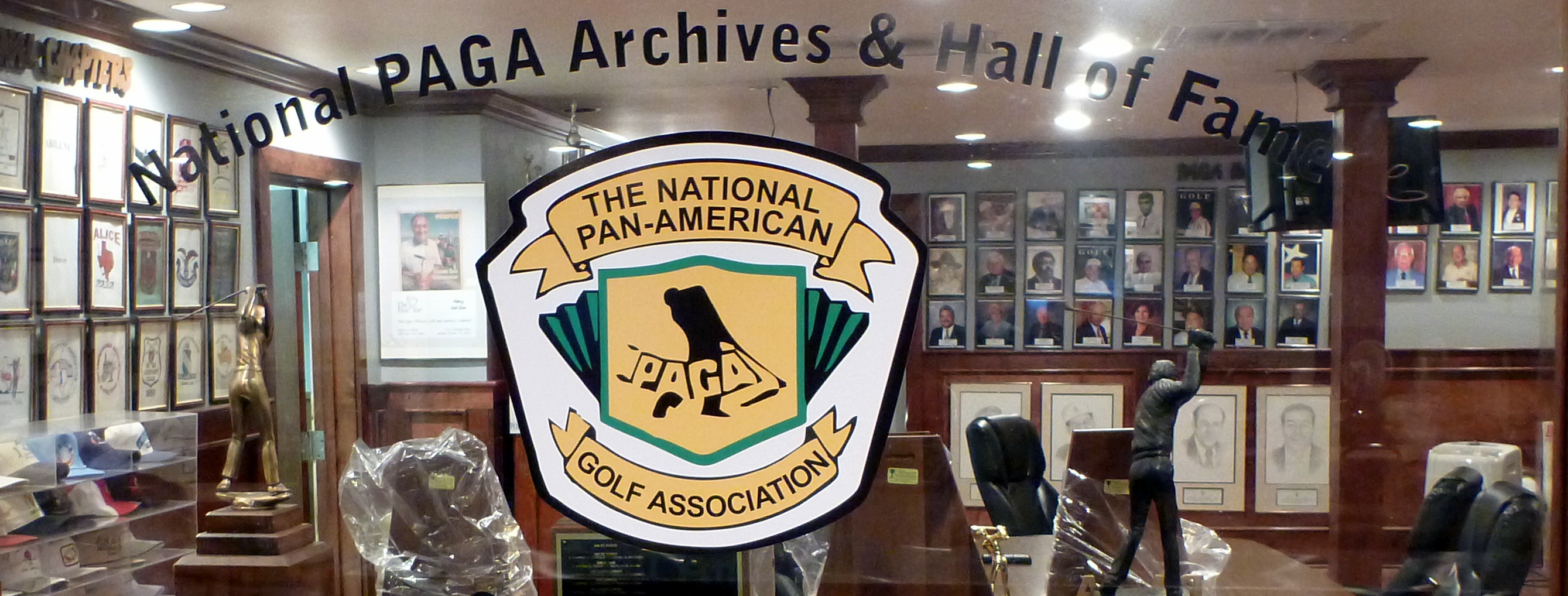
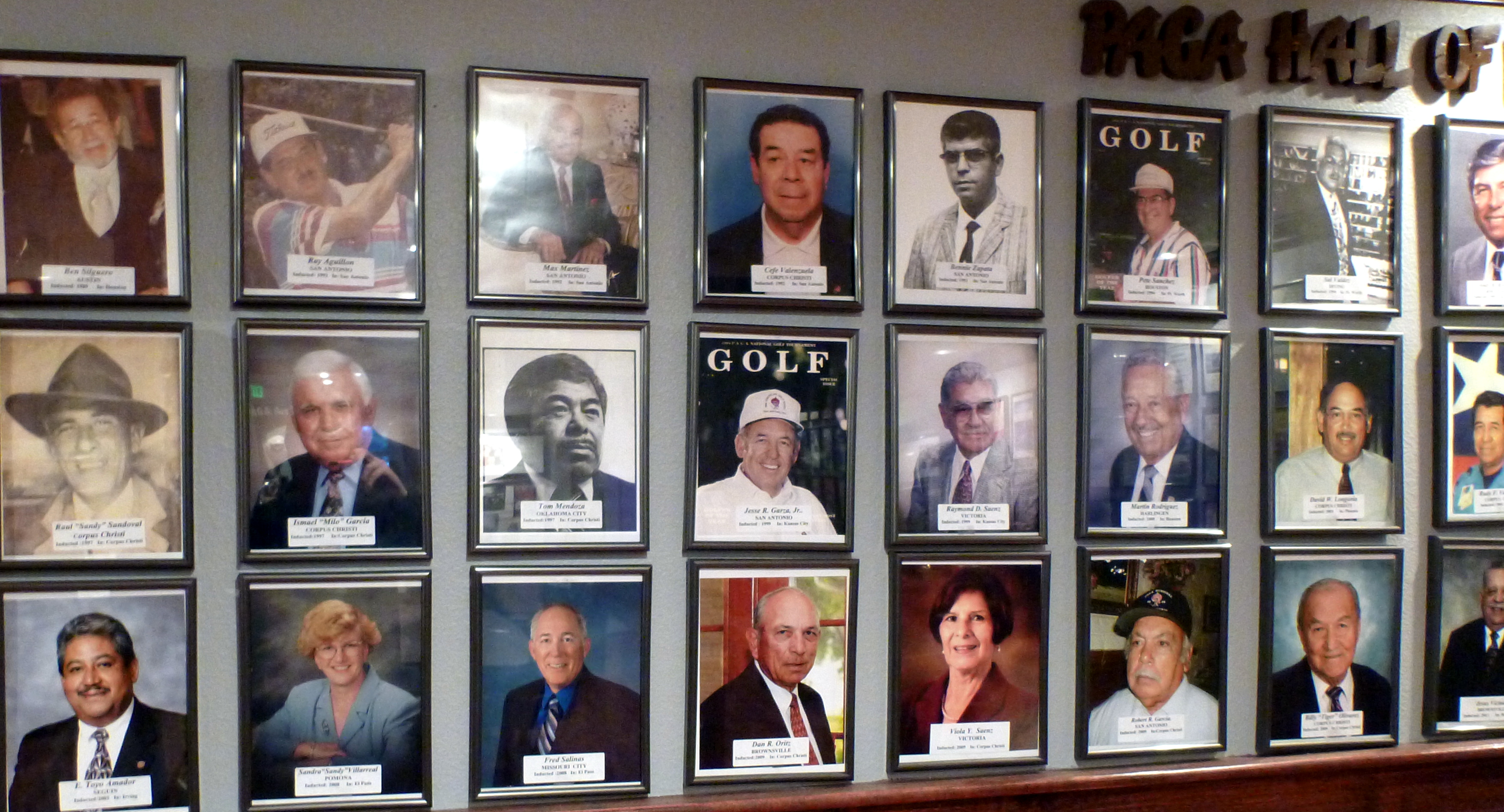
Stephen and Marshall are both members of the Pan-American Golf Association, a predominantly Latino group that was founded in San Antonio in 1947 and now has 44 chapters in nine states. The organization’s national archives and hall of fame are next door to the golf course, in a building that also serves as both a clubhouse and a public bar.

P1110118

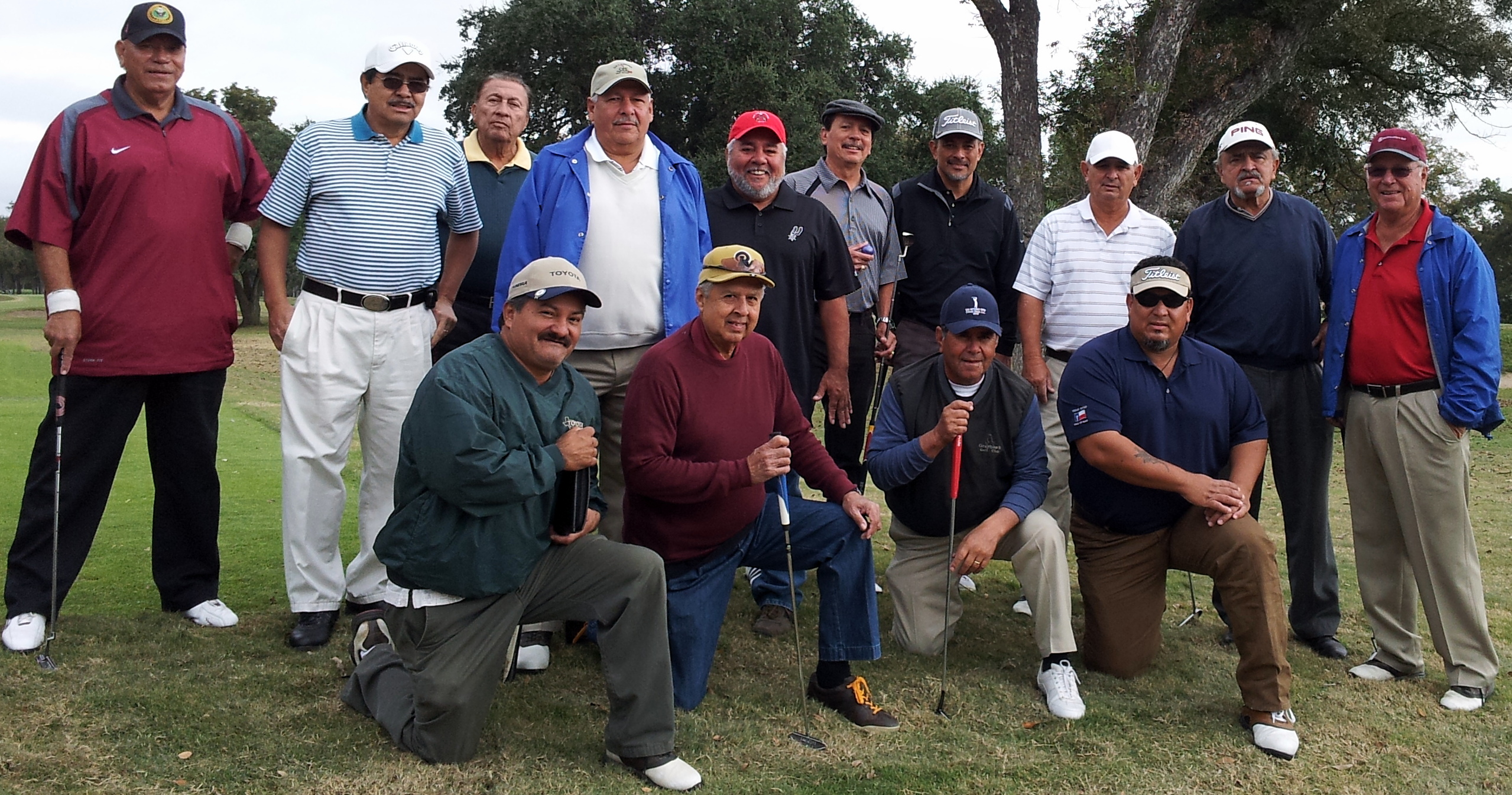
Marshall and a large group of his golf buddies were there having a post-round beer when I stopped by, late on Saturday afternoon. They play most of their rounds at Old Brack, although they occasionally take field trips. “There’s a course they sometimes play that’s 30 miles away from here,” Stephen told me. “But even when they travel they always come back to their own clubhouse to do the scorecards.”

20131130_101139-001

P1110119

P1110047

P1110103

P1110018

P1100992

P1110131

P1110004

P1100989

The Pockets in Golf Pants Suck

prom dresses

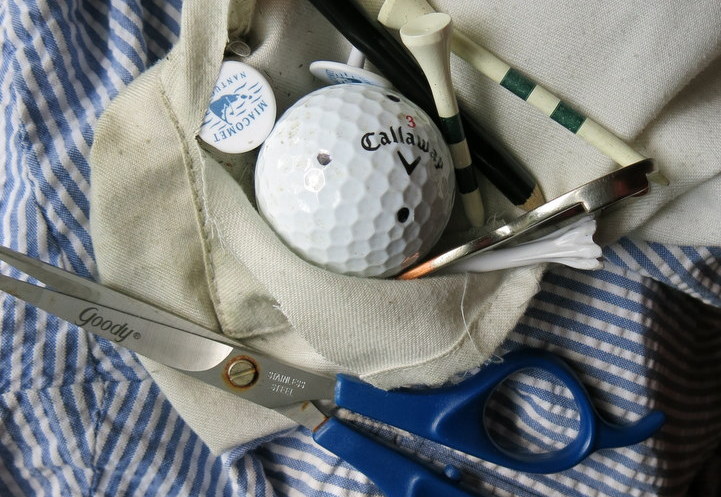
If you did any slow-dancing in the early 1970s, you recognize the fabric that modern golf shirts are made of: leftover prom dresses. But that’s not the most troubling thing about golf clothes nowadays. The most troubling thing is the pockets in the pants. I’ve got two pairs of Nike Dri-FIT golf pants, and, generally speaking, I like them fine. But the pockets are ridiculous. The seams are so feeble that golf tees and green-repair tools push right through them after not that many rounds, forcing me to do something I’m even worse at than chipping: sewing.
IMG_1157

The pockets in golf pants should be extra-strong, not extra-weak. They probably ought to be deeper than normal, too. And they shouldn’t be made of the fabric that the pockets in my Under Armour golf pants are made of—which feels like felted clothes-dryer lint, and snags my rain gloves like Velcro. And they shouldn’t contain mini-pockets, like the pockets in my Vineyard Vines shorts:

IMG_1149

I don’t understand why pants still have these things—or, for that matter, why they ever did. Someone told me once that their purpose is “to hold your keys so they don’t poke a hole in your big pocket,” but that can’t be true, because they’re too small to hold more than a couple of keys, and if you ever did manage to cram your keys into one you’d never get them out again. Besides, there’s no reason to keep your keys in your pocket while you’re playing golf. Put them in your golf bag instead.

Those annoying mini-pockets serve no purpose other than to become impacted with golf stuff. Here’s the same mini-pocket with a green-repair tool hopelessly stuck in it:

IMG_1158

You would need monkey fingers to get that thing out of there before it was your turn to putt. The only solution is to cut the mini-pockets right out of your pants, like this:

pocketectomy-001

Two Good Accessories for Wet-weather Golfers

P1090771

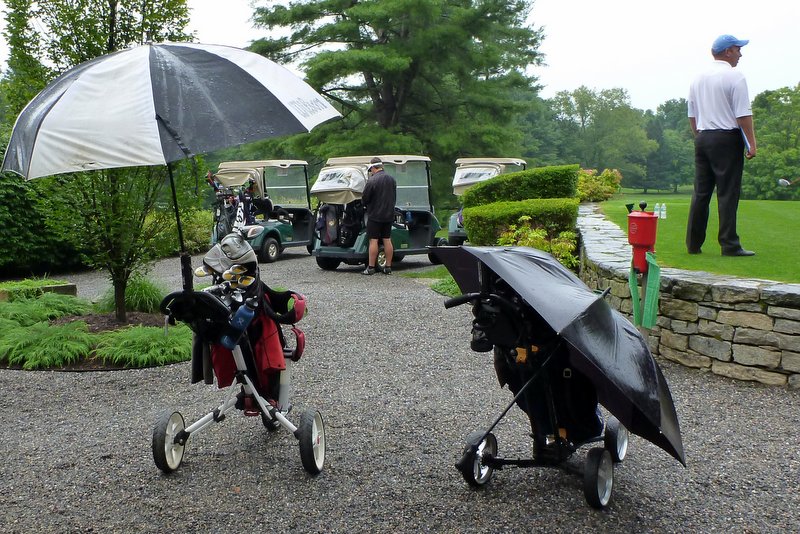
The golf team of the University of North Carolina at Greensboro played in a big golf tournament last month (and came in third). Shortly afterward, I spoke with Bob Christina, an assistant coach. “Monday was a 36-hole day, and it rained,” he told me. “You’ve got your umbrella, you’ve got a heavy bag with all this stuff in it, you’ve got everything, and by the time you get through that second 18 you’re having trouble standing up. So we picked up three pushcarts, and the guys loved them.”

There’s still a prejudice against pushcarts in this country, especially among younger players, despite my ongoing campaign to shame all golfers into using them all the time. Still, as Christina says, pushcarts are awesome in the rain, even if you aren’t short enough to take advantage of the umbrella holder that comes with most of the modern ones.

P1140008

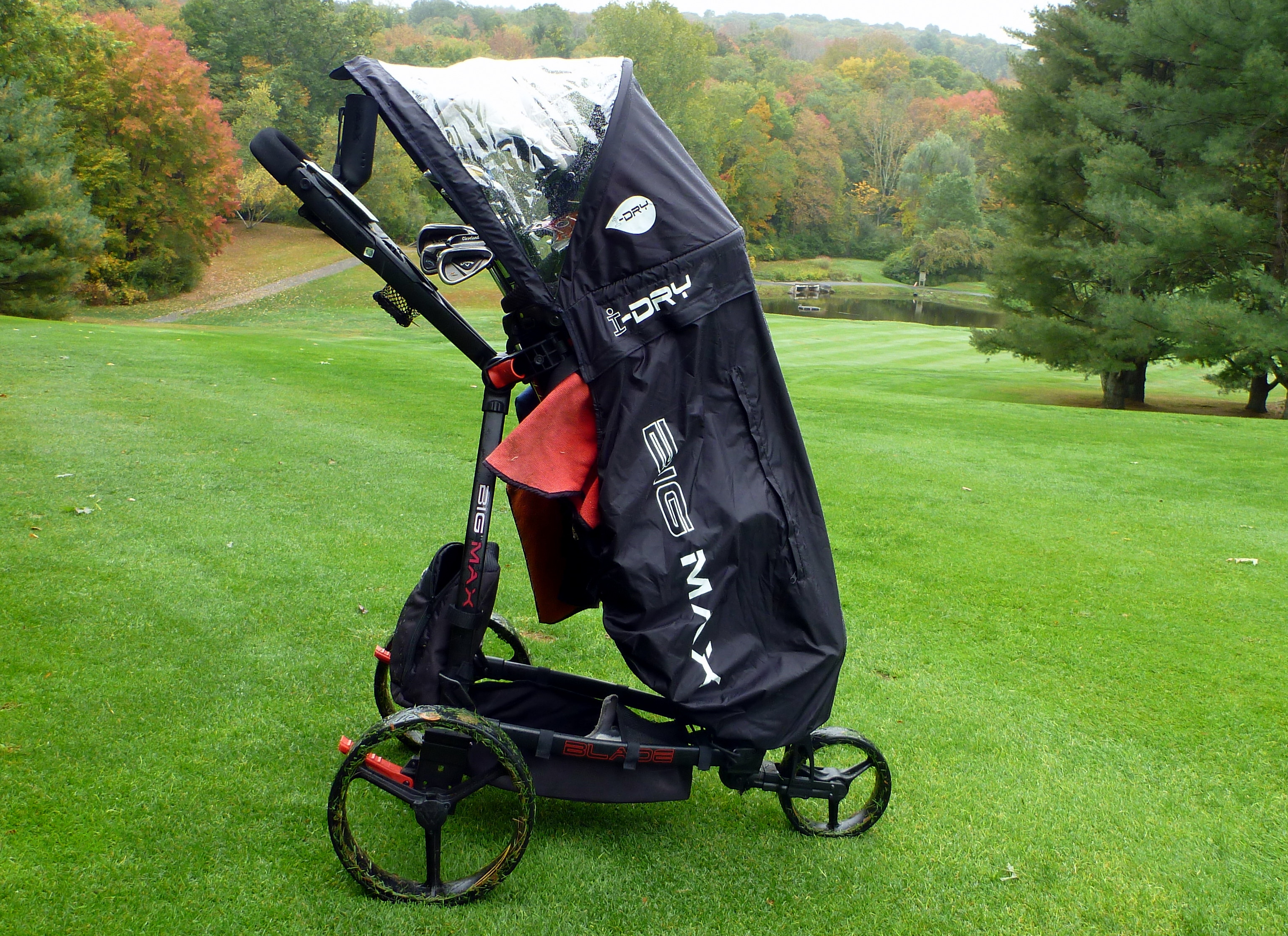
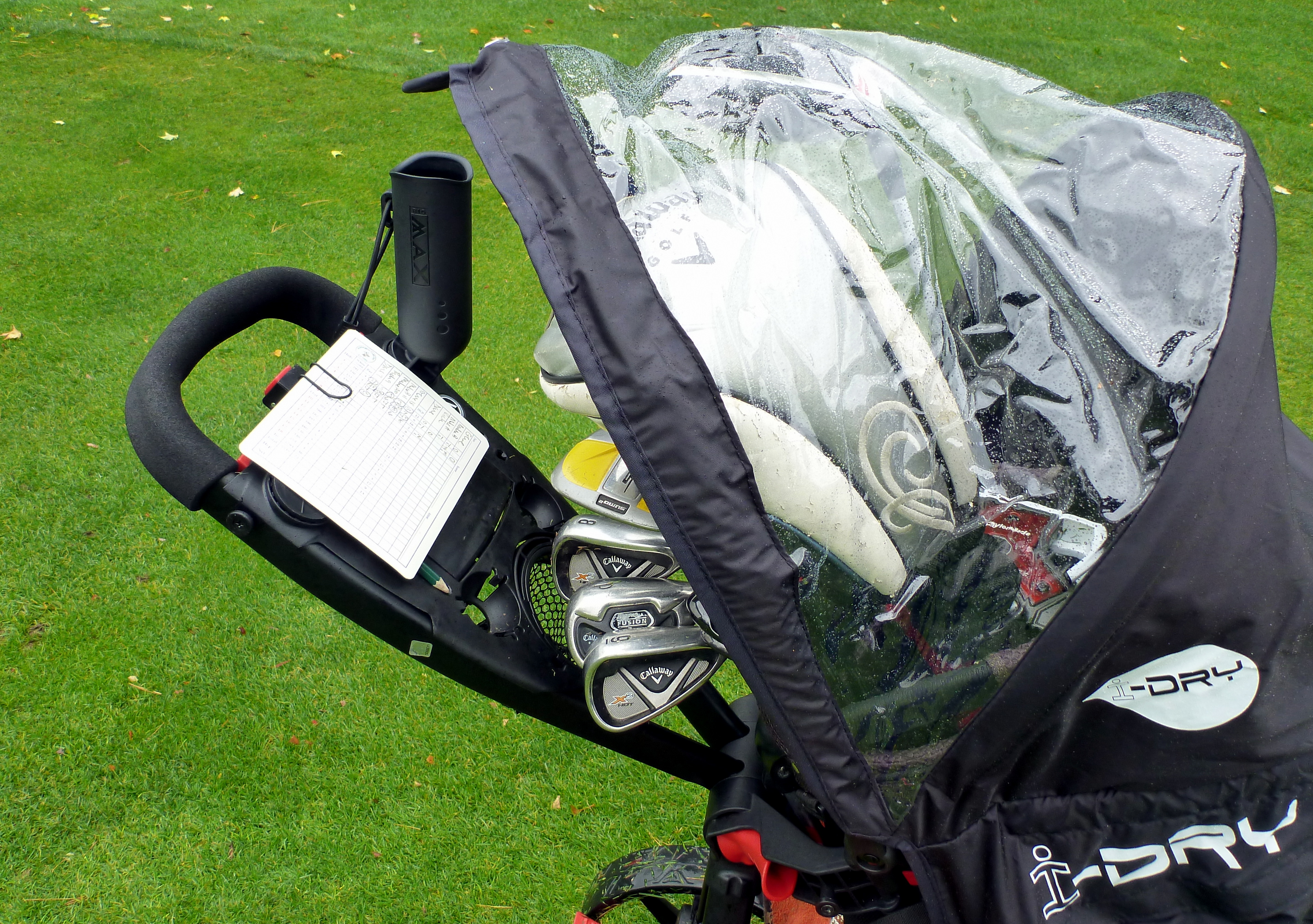
Recently, I acquired two accessories that make wet-weather pushcart golf even easier. Both are made by Big Max Golf, an Austrian company, which made my current ride, a super-compact “push trolley” called a Big Max Blade +. The first accessory is called the I-Dry Rainsystem:

P1160875

It covers the entire bag, and has a transparent hood that fits over the tops of your golf clubs. The hood opens and closes easily—sort of like, I guess, a breadbox. There are only two drawbacks: it’s expensive (eighty dollars or so, at various places online), and it’s made specifically for Big Max trolleys. In fact, even to use it on mine I had to replace the cart’s existing bag-holding “wings” with two included replacement pieces, which the hood snaps into.

P1160884

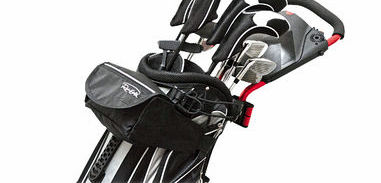
A more economical choice—and one that works on anybody’s pushcart—is the Big Max Rain Safe. You strap it to your golf bag like a miniature parachute:

bigmax-rainsafe-onbag

 Then you forget about it until it starts to rain, when you unfurl it:

P1160854

It’s not as substantial as the I-Dry, but it weighs next to nothing, and it doesn’t get in the way, and you can keep it strapped to your bag even when the sun is shining.

Why Don’t All Tour Pros Follow Mickelson’s Example?

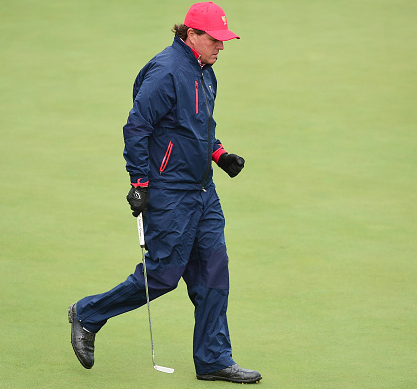
When it started to rain during the Presidents Cup, Phil Mickelson did something he’s done in nasty weather for several years: he switched to rain gloves. In an interview once, he explained why: “they can get wet and my grips can get wet and I’m not constantly trying to stay dry.” Usually, he leaves them on even to putt:

Mickelson-rain-gloves-001

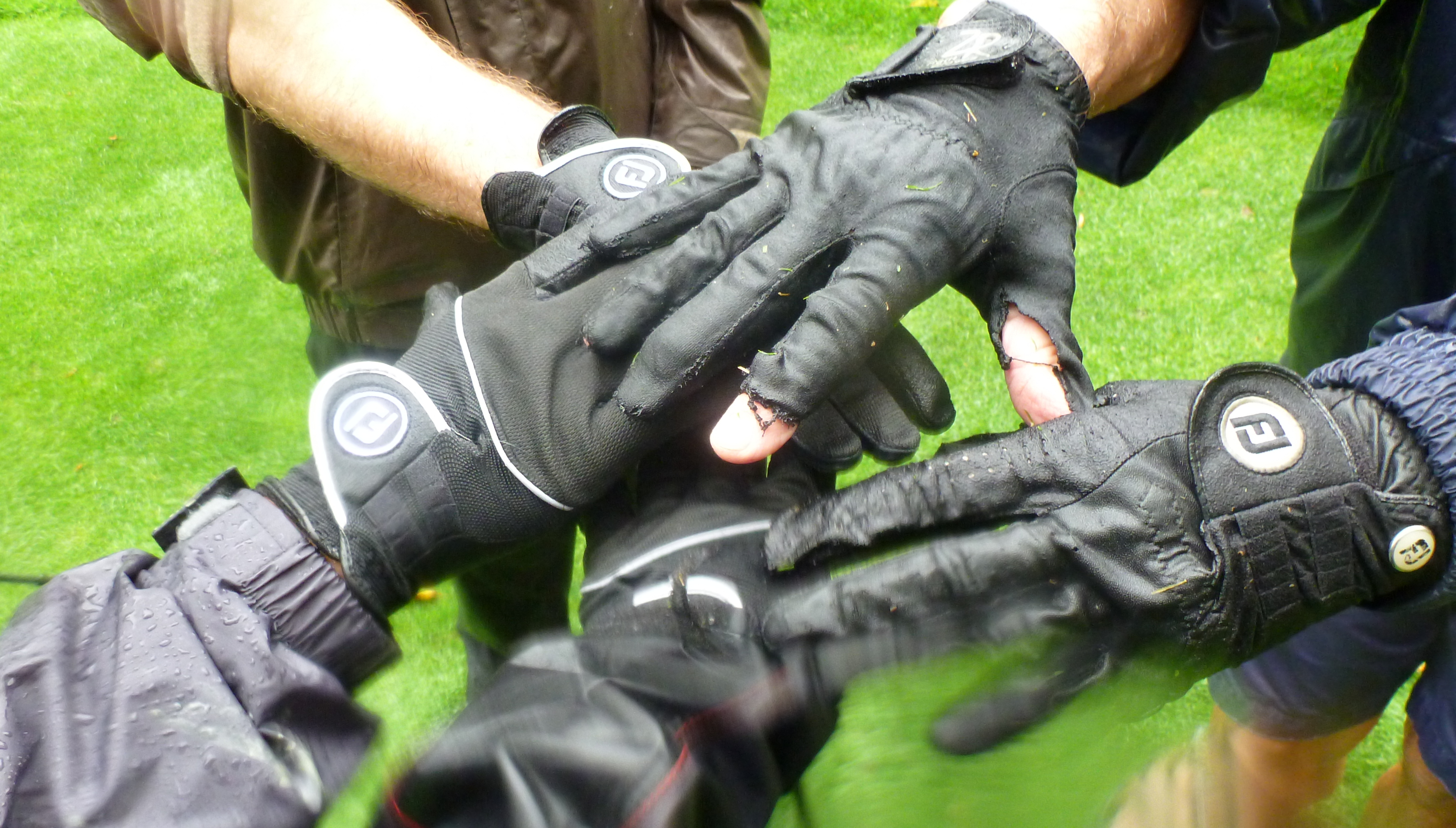
My regular golf buddies and I all use rain gloves, too:

P1090776

They work so well that I don’t understand why so few tour pros have followed Mickelson’s example. Of course, those guys have unlimited access to new gloves, and they have caddies to dry their grips and hold their umbrellas and protect their towels, and even in nice weather they don’t seem to mind fussing around for a couple of minutes before taking a shot. Still, leather turns slimy when it becomes even slightly wet, and a caddie who has to focus on keeping gloves and grips and towels dry doesn’t have time to think about more important matters. The great thing about rain gloves is that, once you’ve put them on, the weather ceases to be an issue, for exactly the reason Mickelson gave. You can just play.

P1090683

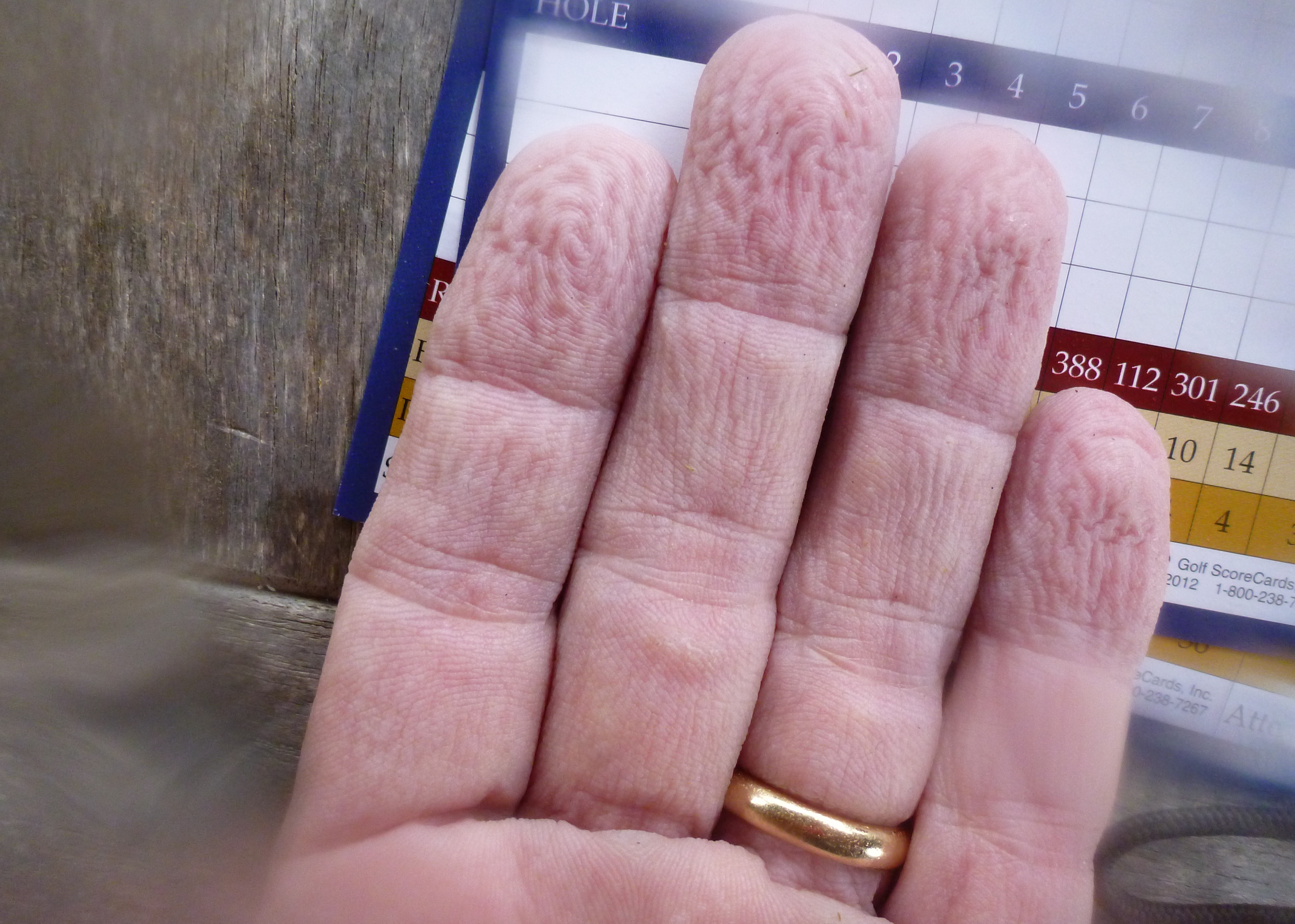
The pros probably worry that wearing rain gloves would affect their “feel,” but, if a player as famously feel-oriented as Mickelson can handle them, so can anyone else. Besides, if you have to squeeze your clubs even slightly harder to compensate for the slickness of your grips, you’ve already abandoned feel. I would bet that most pros have never even tried them. During the Presidents Cup broadcast, Johnny Miller said that one reason Mickelson wears them is to keep his hands dry—but no one who had actually played in rain gloves could possibly think that, because they don’t:

P1090803

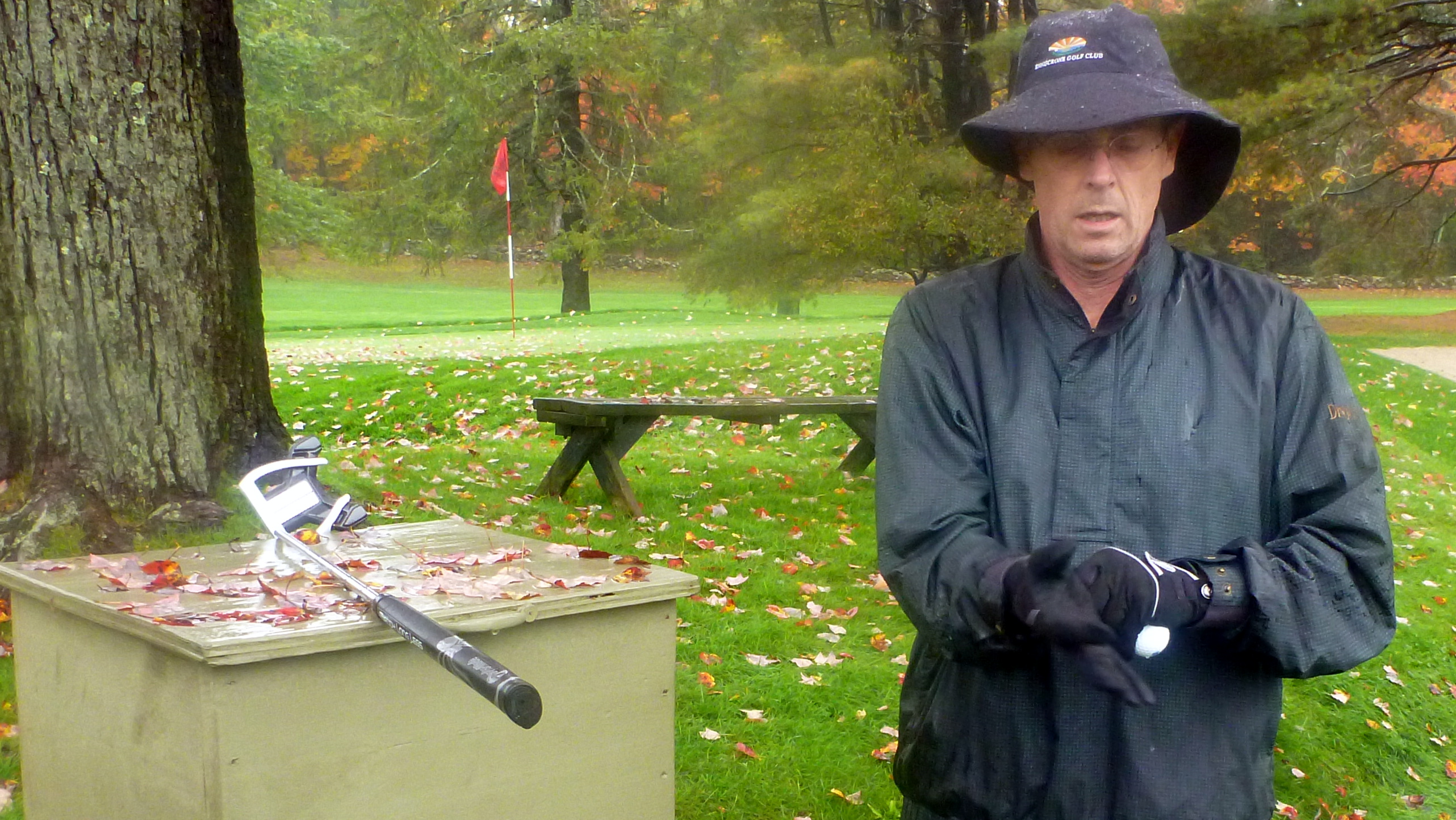
Rain gloves don’t keep anything dry. What they do is enable you to hang on to your clubs when your hands and grips are soaking wet—even when the two-foot-wide stream at the bottom of the second fairway looks like this:

P1090696

The Tour Championship of Beer-drinking

DSC_2739

While the Tour Championship was under way last month, the alcohol equivalent was taking place in a public park not far from my golf club. The winner was Nick P., the Sunday Morning Group’s Jordan Spieth of beer-chugging. He dominated all six rounds, thirty ounces at a time. Here he is in the third round, halfway to the title. He’s the competitor at the far left—the one who finishes almost before the others have begun:

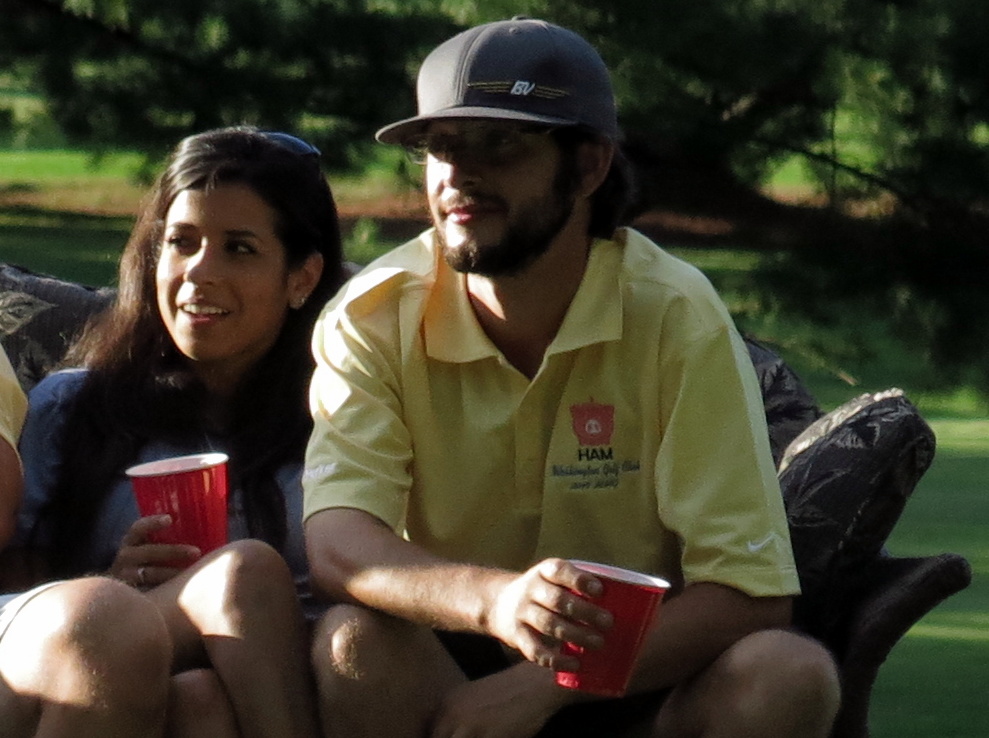
Notice, first, that he “slicks the pipe” before the round begins. Notice also that he de-foams his boot, and doesn’t “drink” the beer, but, rather, turns his throat into a siphon, causing the beer, in effect, to drink itself—an expert move known as a “Mulholland swallow.” The video above was shot by his girlfriend, Mariana, who’s an honorary semi-member of the Sunday Morning Group by virtue of having driven the beer cart during this year’s men’s member-guest—which Nick and his partner, Carl, won. She was born in Peru and works for a fancy construction company. Here she and Nick are (drinking beer) during the putting contest:

IMG_0319

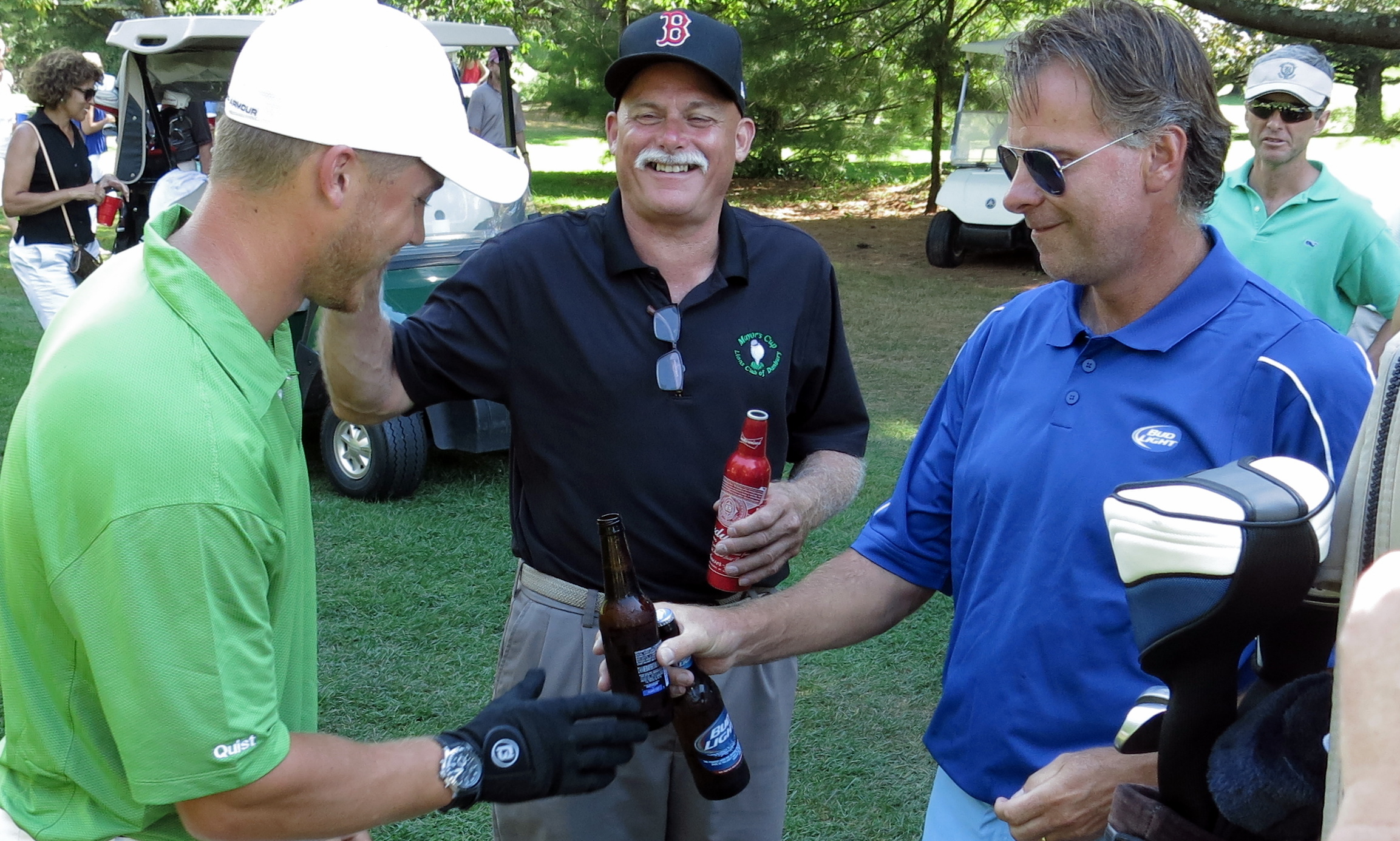
Beer played a role in Nick and Carl’s member-guest victory, too, because Fritz and Klinger caddied for them during the closing shoot-out and kept them focused by making timely applications of Bud Light. Here’s Fritz preparing Carl for his final tee shot:

IMG_0488

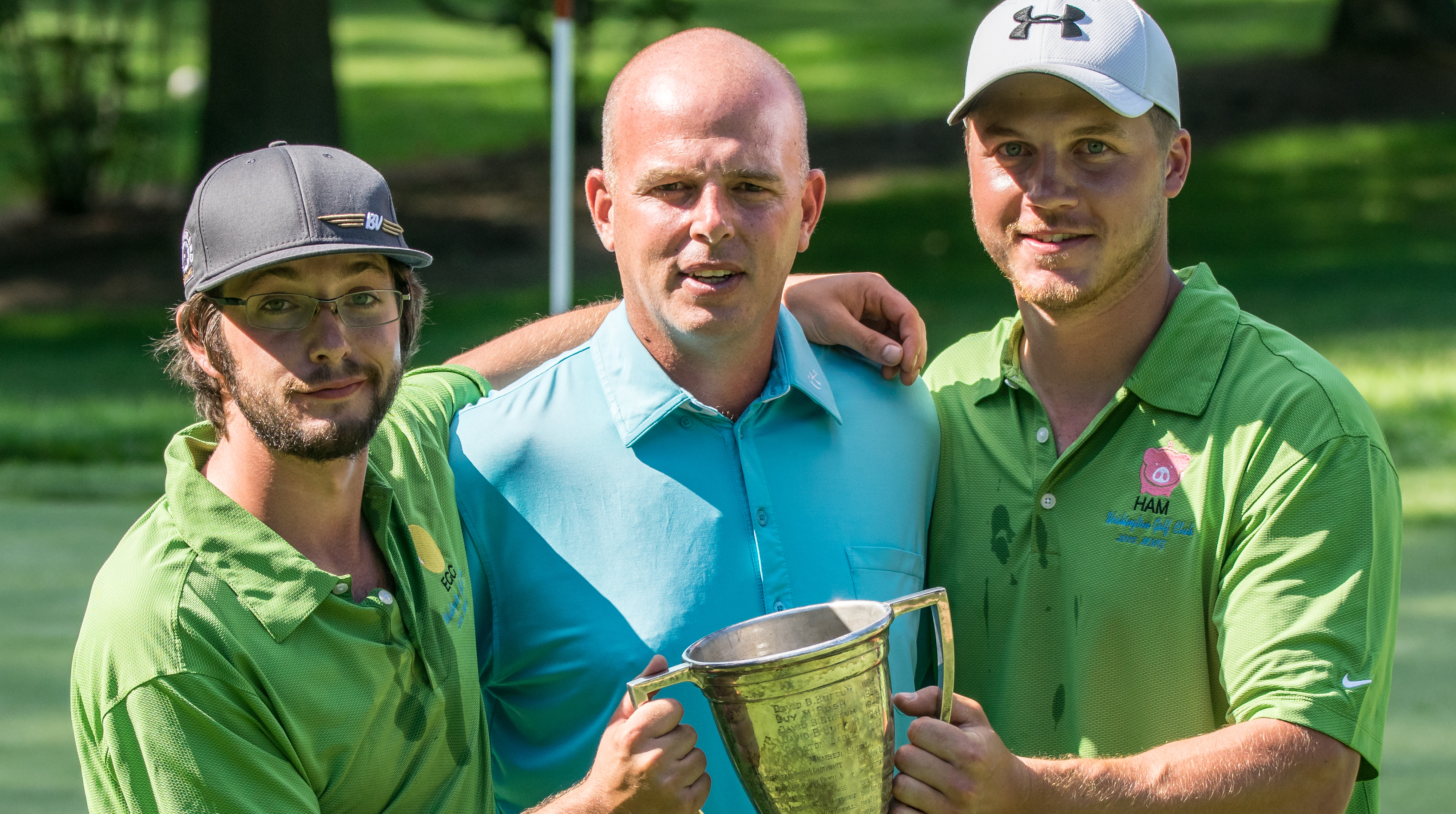
I drew Nick as a teammate the morning after his chugging victory. In golf, a hangover can work either way; in Nick’s case, it worked the other way. Still, I was proud to walk the fairways with him. Here are Nick and Carl and our pro, Corey, with the member-guest trophy:

DSC_2753

Nick’s company, Custom Ts ‘n More , embroidered the awesome golf shirts that he and Carl are wearing in the photo above, and it’s embroidering awesome golf shirts for the Sunday Morning Group’s sixteenth annual October golf trip to Atlantic City, which is coming up. Twenty guys, four rounds, free shirts, no casinos. More about all that soon.

IMG_0428

The Golfavore’s Dilemma

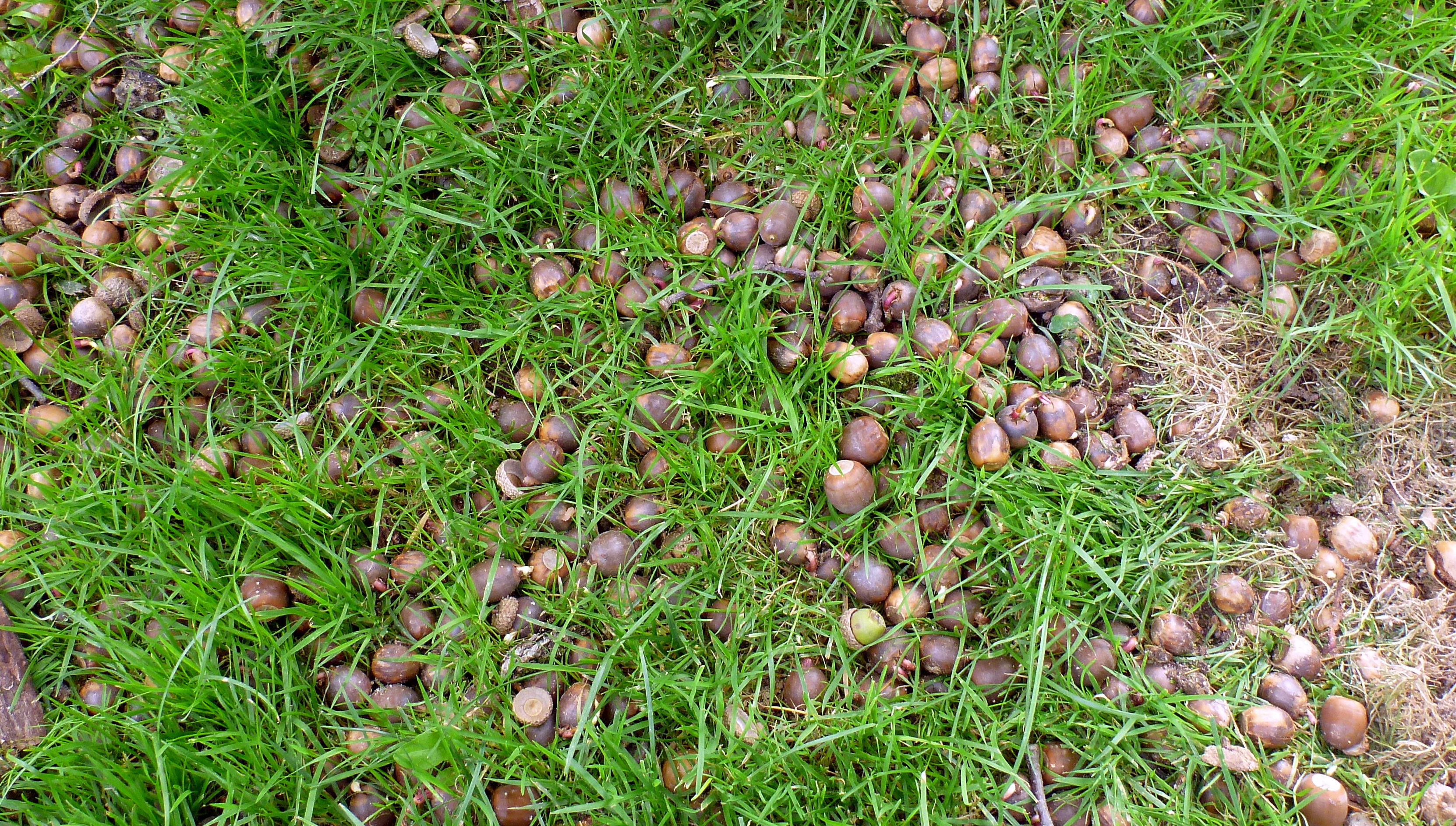
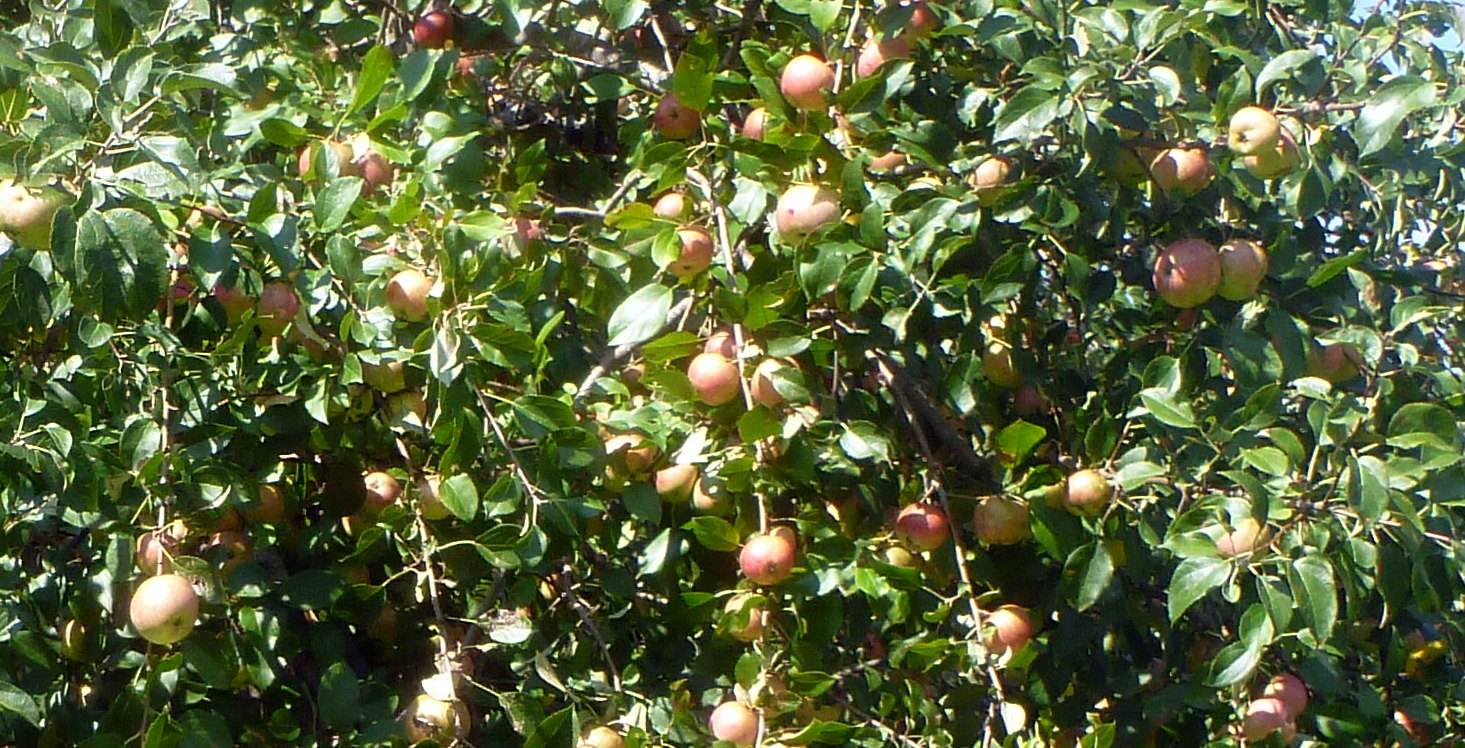
I’m not a survivalist, but I sometimes wonder whether I could get by as a golfavore: a person who eats only foods available on his golf course. There are fish in the pond and turkeys in the woods, and I’d always have plenty of venison. Berries near the fourth and fifth tees. Corn in the field you drive through to get to the driving range. And, if the alternative was starvation, tons of acorns.

P1160827

Recently, I made Golf-Course Apple Crisp, using apples from a tree at the bottom of the second fairway and crab apples from a tree between the seventh green and the eighth tee. I gathered the raw ingredients in the optional “shelf” of my Big Max Blade + pushcart:

P1160805

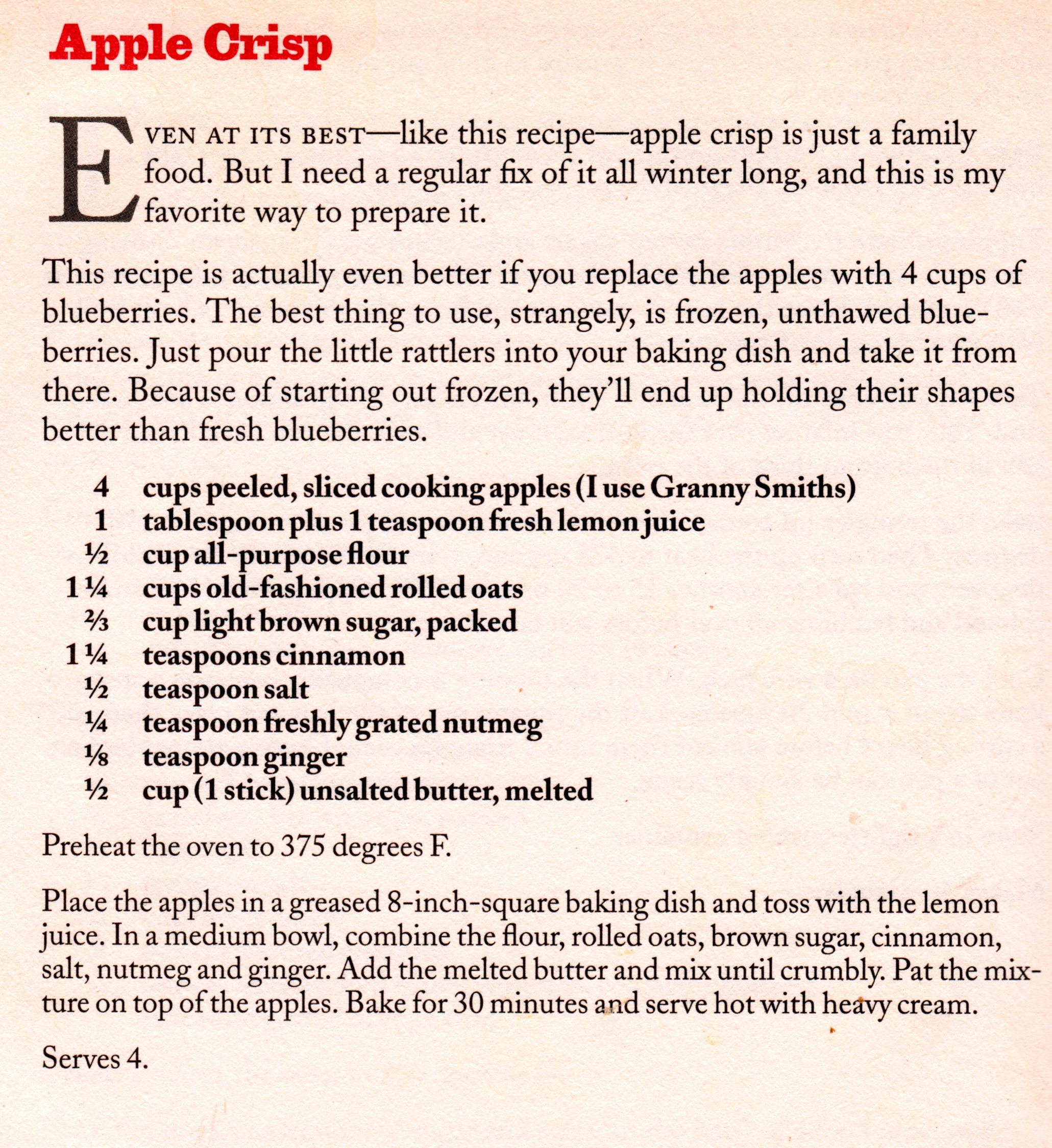
And I adapted the apple-crisp recipe from the first edition of my wife’s first cookbook, Beat This, which the novelist Elizabeth Berg once described on NPR as “the book I have probably recommended more than any other”:

Hodgman-Apple-Crisp

I tested it on my wife and me first. It was really, really good: the crab apples, which in our area have been superabundant and enormous this year, added the perfect amount of tartness. Then I made it again, for the old ladies I play bridge with, at our regular Thursday-night potluck dinner and bridge game.

P1160824

As the bridge ladies and I were getting stuff ready in the kitchen, one of them knocked my apple-crisp pan, which I hadn’t cooked yet, onto the floor, and it landed upside down. So we did exactly what my golf buddies and I would have done: we used spatulas to scrape up the sliced apples and the brown-sugar-and-oatmeal topping, along with unknown quantities of dirt, sand, rug fuzz, dog hair, spilled dishwasher detergent, and who knows what else, and dumped everything back in the pan. Then we baked it and ate it anyway, with Ben & Jerry’s vanilla ice cream, and it was really, really good.

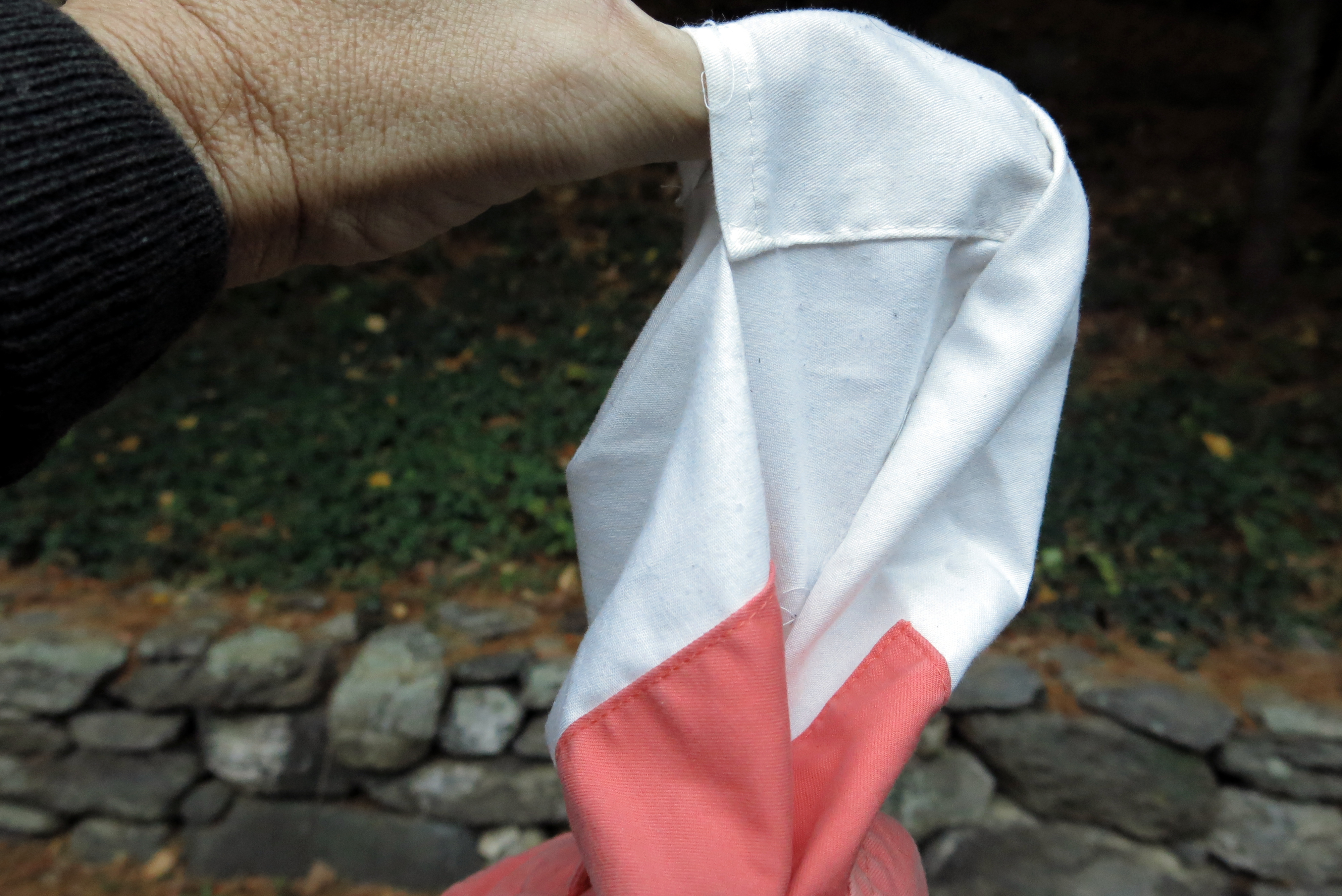
My golf group and my bridge group aren’t all that different, even though in my golf group I’m kind of old and there are no women, while in my bridge group I’m the youngest and there are usually no other men. The language is essentially the same. Carol, who is my mother’s age, was a schoolteacher many years ago. One day, she went to work in a white blouse, red slacks, and blue-and-white spectator pumps. A little boy ran into her in the hall, looked up at her in awe, and said, “Miss, you look like a fuckin’ flag.”

P1160778

Why is the Solheim Cup Called the Solheim Cup?

solheim-louise-karsten

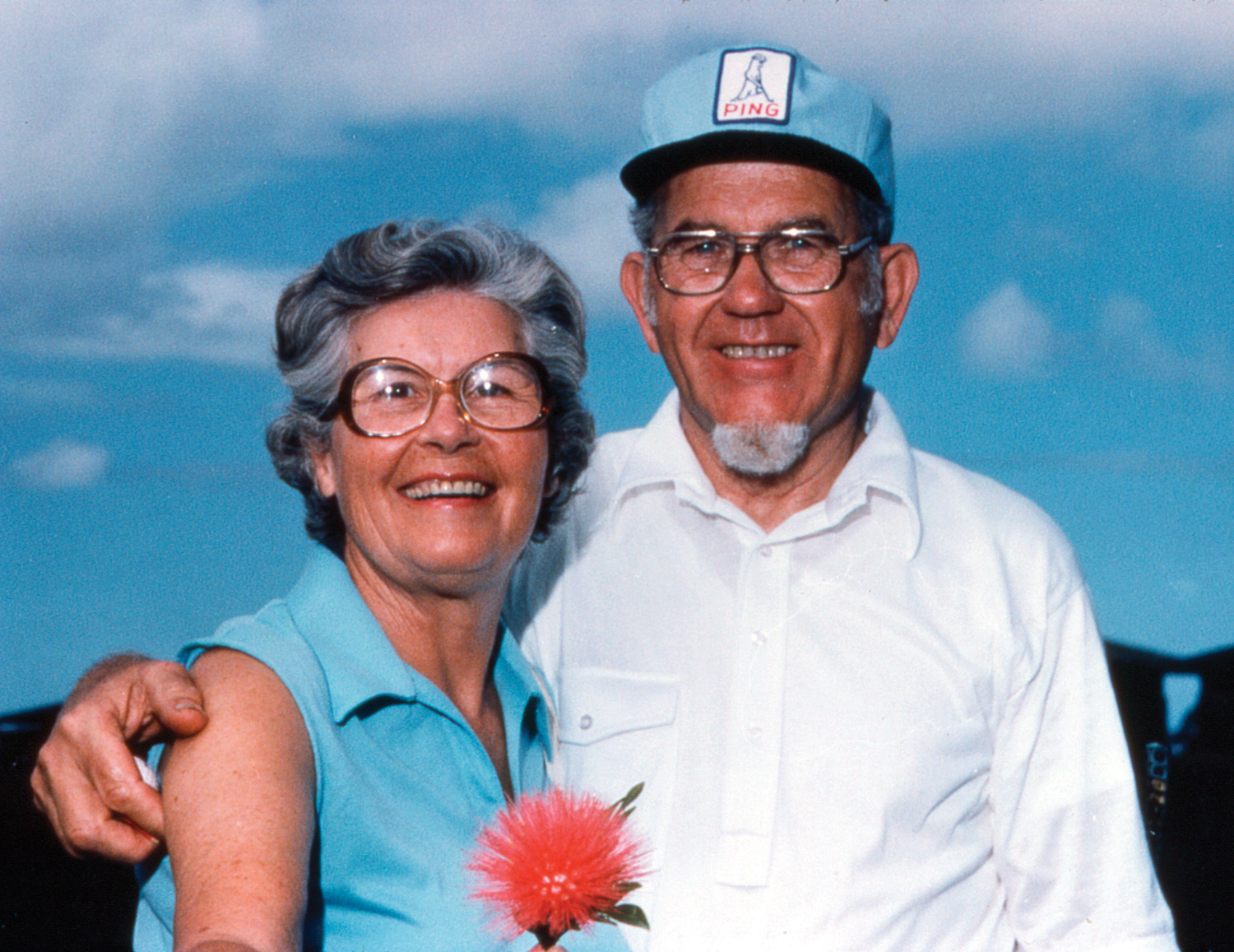
The Solheim Cup was founded by Karsten and Louise Solheim in 1990, to serve a the women’s equivalent to the Ryder Cup. Karsten, who died in 2000, at the age of 88, was the inventor of the modern golf club; Louise, who turned ninety-seven in June, was a major contributor to the success of the family business, the company that manufactures of Ping golf clubs. Both were committed supporters of women’s golf. Here’s a little about them:

Karsten was born in Bergen, Norway, in 1911. When he was two, his family emigrated to Seattle, where his father, a shoemaker, hoped to find the prosperity that had eluded him at home. A short time later, Karsten’s mother, who was twenty-one, died while giving birth to his brother, Ray, and a short time after that his father went to Alaska to look for gold. Karsten and Ray were left behind, in the care of separate foster families. During the next three years, Karsten lived first with a German family, then with a Swedish family. When he was six, his father returned to Seattle, remarried, and reclaimed his sons.

In the early 1990s, I asked Karsten about those years, and he answered vaguely, then changed the subject. Louise told me later that in nearly sixty years of marriage she had heard him discuss his childhood only rarely . “When I think about it, I feel very sad,” she said. “He must have felt really lost. His mother was gone, and his father had left him with a family that didn’t speak Norwegian, which was the only language he understood. When his father remarried and took him back, Karsten hardly knew what language to speak. They didn’t start him in school until he was seven, because he couldn’t speak English, although I think he would have learned better, and faster, if they had put him in school immediately. But he never talks about those days, and he never complains, and he doesn’t seem to have any bad memories.”

After school and on weekends, Karsten worked in his father’s shoe shop. He was unusually small for his age until a growth spurt in late adolescence, and to talk to customers over the counter he had to stand on a wooden box. After high school, he spent a year studying engineering at the University of Washington, paying his tuition with money he had earned with an early-morning paper route. He couldn’t afford to stay. The country was in the depths of the Great Depression, and his father needed him in the shoe shop.

A few years later, at church, he met Louise Crozier. She had been born in Spokane, and her mother had died when she was a month old, and her father had sent her to be raised by an aunt and uncle in Texas. She was precocious, and had learned read before she was four. When she was ten, her father, who taught science and business in a school district outside Seattle, decided he wanted her back. Louise didn’t want to go, but accepted the change stoically. “I remember that when I got on the train, a tear was rolling down my nose, but I held my head up high so that no one would see it.” She and her father boarded with another family for a year, then moved to the country, where he supplemented his teacher’s salary by raising chickens.

Shortly after Karsten and Louise met, they heard a sermon by a visiting evangelist, who was a grandson of the founder of the Salvation Army. The evangelist said that the ideal age for a woman to marry was eighteen, and the ideal age for a man was twenty-five. After the sermon, Karsten asked Louise how old she was. She said she was seventeen. She asked Karsten how old he was. He said he was twenty-four. Neither said anything else, but ten days later Karsten proposed, and six months after that—in June of 1936, just after Louise’s eighteenth birthday—they were married.

They spent their honeymoon in northern Washington. As they were driving home, Karsten’s Model T stopped dead. “I got down under the car, and took the pan off, and realized that the connecting-rod bearing was gone,” he told me. “Well, there was a farmhouse right there, and I asked the farmer if he had any bacon rind. He got me a piece, and I trimmed it a little, and I put that bacon rind where the bearing should have been, and I tightened up the cap, and we drove the forty miles home without any more trouble. Of course, when we got there, the bacon was crisp.”

An Element of Golf Strategy That Even Pros Get Wrong

P1070162

When golfers play as partners, either in four-ball matches (as in the recent Solheim Cup and upcoming Presidents Cup) or in scrambles, they commonly follow a strategy in which the first partner to play hits a “safe” shot—maybe a layup on a long par 5, or a tee shot to the center of the green on a par 3—and then, if the safe shot has been successful, the next partner hits an aggressive shot, right at the flag.

This sounds sensible—guarantee the par, then go for the birdie—but mathematically it makes no sense. A better strategy is for the stronger player to play the aggressive shot first. Then, if it’s successful, the second player can hit an aggressive shot, too, thereby increasing the chance of ending up with a spectacular result. And even if the first shot doesn’t work perfectly the result may be good enough to serve as the equivalent of a safe shot—as with a favorite play of mine, the Accidental Lay-up, in which I swing so hard in my effort to reach the green in two that I top my ball and end up pretty much exactly where I would have if I’d sensibly wedged it just short of the water.