Masters Countdown: Why did Gene Sarazen Skip the First Masters?

1935Sarazen

Gene Sarazen hit “the shot heard round the world”—his epochal double-eagle on Augusta’s fifteenth hole—in 1935, during the final round of the second Augusta National Invitation Tournament (as the Masters was officially known until 1939). He hadn’t played the year before. Why?
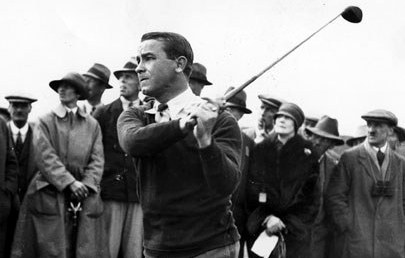
Sarazen swing

Sarazen himself often said, years later, that he skipped the first Masters because the invitation came from Clifford Roberts, the club’s co-founder and chairman, “and what the hell do I want to play in a tournament sponsored by a Wall Street broker?”—as he told me in a telephone interview in 1997. He also said that he threw out the first invitation because it had a Wall Street return address, and he figured it must be some kind of financial promotion.

Funny stories—but they aren’t true. His invitation came not from Roberts but from Alfred Bourne, who was the club’s vice president and principal financial backer, and Sarazen responded in February with a nice letter in which he told Bourne that he was “very glad to accept.” He backed out shortly before the tournament, though, because he realized that he had a conflicting commitment with Joe Kirkwood, an Australian professional and trick-shot expert (who had also been invited).

Sarazen and Kirkwood worked during the winter for the Miami Biltmore Hotel. Kirkwood had once proposed to Sarazen that they travel abroad together, and Sarazen had suggested South America. Kirkwood, unbeknownst to Sarazen, had scheduled their departure for late March, a week before the tournament, and their plans could not be changed. Sarazen, at the time, deeply regretted missing the first Masters. He said that a caddie in Fiji (on a different trip, presumably) told him, “We no hear of Mister Sarazen in Fiji, but we hear of Mister Jones.” He made certain that he would be available for the second Masters—which he won, in a playoff with Craig Wood.
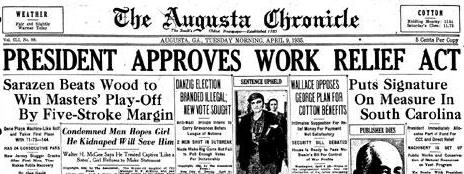
The Masters wasn't officially called the Masters until 1939, but many players, sportswriters, and others used that name (which Jones considered presumptuous) from the beginning.

The Masters wasn’t officially called the Masters until 1939, but many players, sportswriters, and others used that name (which Jones considered presumptuous) from the beginning.
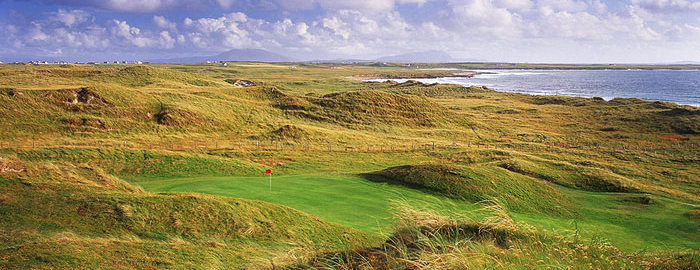
Stop Filling Out Your Bracket, Right Now, and Plan a Golf Trip to Ireland

dollareuro

Eleven golf buddies and I are going to Ireland in early May. I thought we were being shrewd when we bought our plane tickets, several months ago, because air fares were lower than they had been for years. But they’ve fallen further since then:

Kayak page

By comparison, I paid $550 for the same flight on my first golf trip to Ireland. That was in 1992—twenty-four years ago. What’s more, the dollar is super-strong against the euro right now. In fact, traveling to Ireland to play golf is arguably cheaper than staying home, especially if you take the money from your wife’s 401k. And, if you need someone to handle the planning, you can get in touch with my old friend Jerry Quinlan, at Celtic Golf. Mention my name, and Jerry will give you the same discount he gave my friends and me. That is to say, he’ll charge you his normal rate. But you won’t have to lift a finger.

CArne

Every Course Should Copy These Awesome Features

P1170658

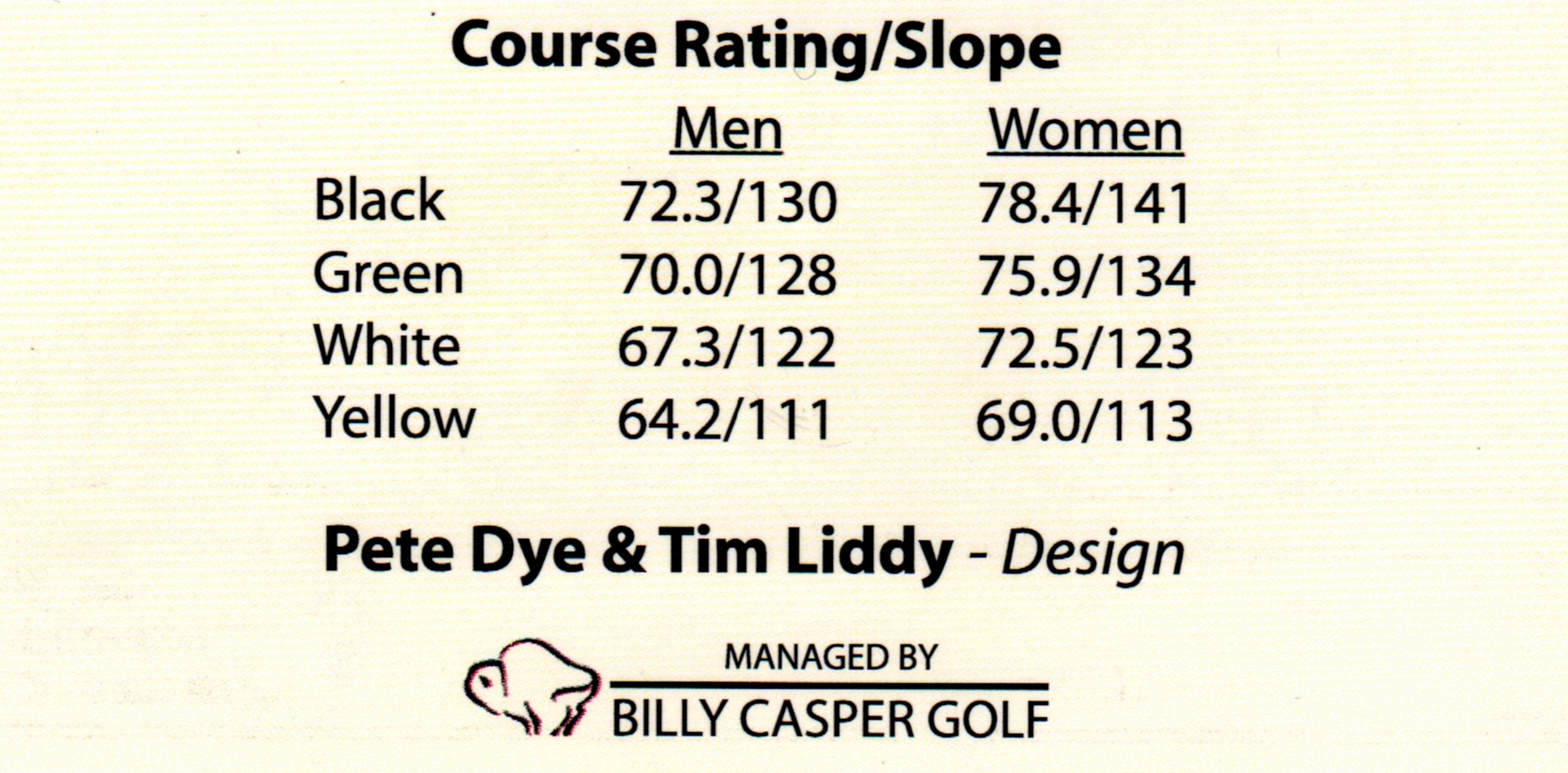
On Saturday, Addison, Todd, Hacker (real name), and I took a field trip to Wintonbury Hills, a muny that’s roughly an hour and fifteen minutes from where we live. The course, which opened in 2005, was designed by Pete Dye and Tim Liddy. There are four sets of tees, at 6,700, 6,300, 5,700, and 5,000 yards. As is seldom the case at golf courses of any kind, though, the scorecard at Wintonbury lists ratings and slopes for both men and women from all four sets:

Wintonbury Ratings-001

Furthermore, neither the scorecard nor any of the course signage mentions “women’s tees,” or “senior tees,” or “regular men’s tees,” or “championship tees,” or anything else. There are just four different sets, at four different yardages, and the scorecard contains enough information to enable players of both sexes, at all levels, to calculate handicaps for matches of all kinds, in all conceivable combinations.

Every course should do this.

Addison and Todd played from the black tees, I played from the greens, and Hacker played from the whites, and we were able to adjust our handicaps accordingly. (The USGA actually makes doing this much, much harder than it needs to be—but that’s a semi-complicated issue, which I’ll explore in a couple of future posts.) We played three matches, switching partners every six holes, and everything came out virtually even. (Todd and I each lost a dollar.) And if Michelle Wie and my mother had joined us we would have been able to work them into the game, too.

P1170662

Another awesome Wintonbury feature—and one that should be copied by public courses everywhere—is generous fairways accompanied by challenging green complexes. This is a feature that Wintonbury shares with Muirfield Village and Augusta National, to name two member-friendly golf courses that great players don’t dismiss as too easy. Wide fairways keep play moving. None of the four of us lost a ball.
Addison, Hacker, Todd.

Addison, Hacker, Todd.

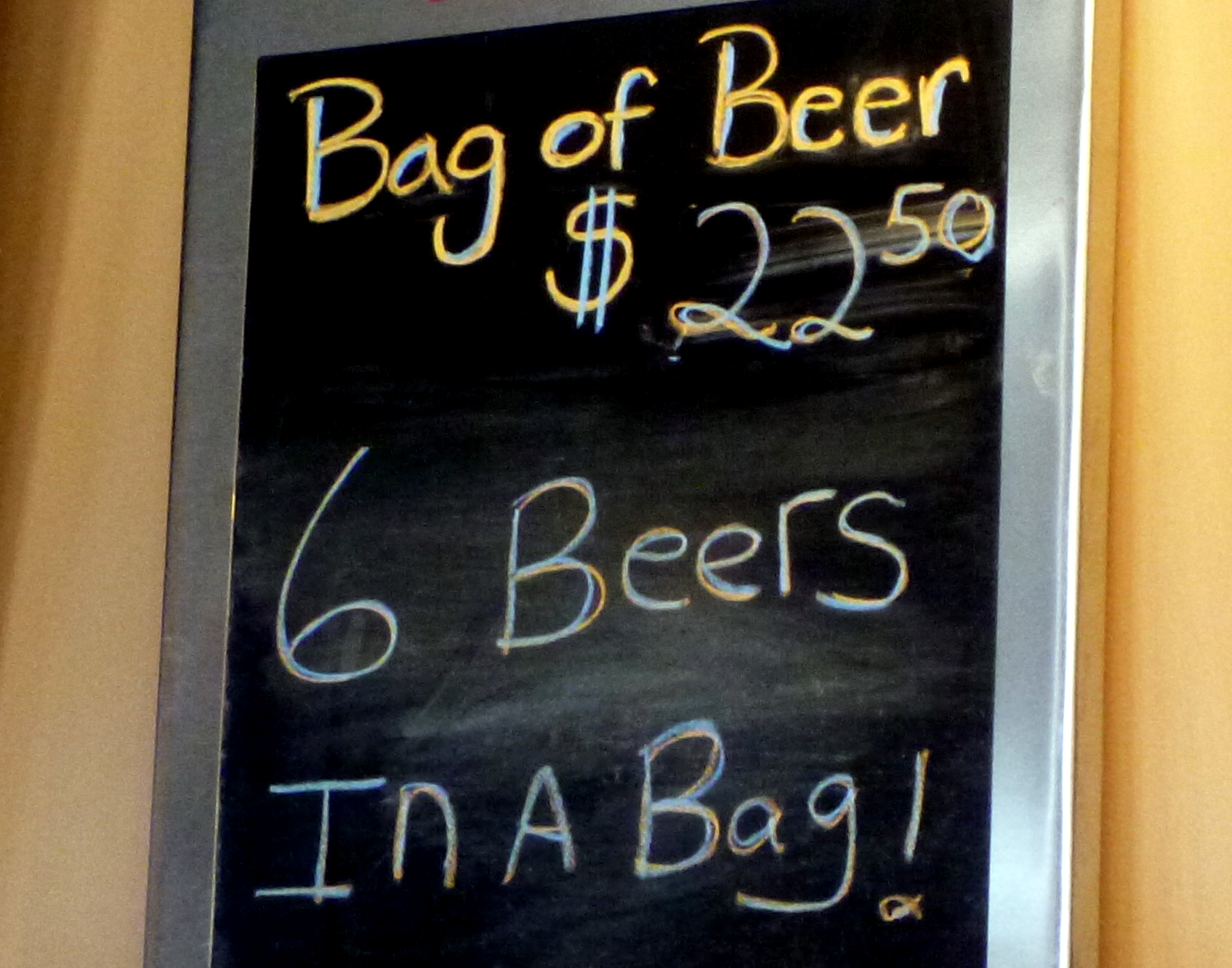
Another awesome thing about Wintonbury: the Bag of Beer, available in the grillroom (which is called the Tap Inn):

P1170675

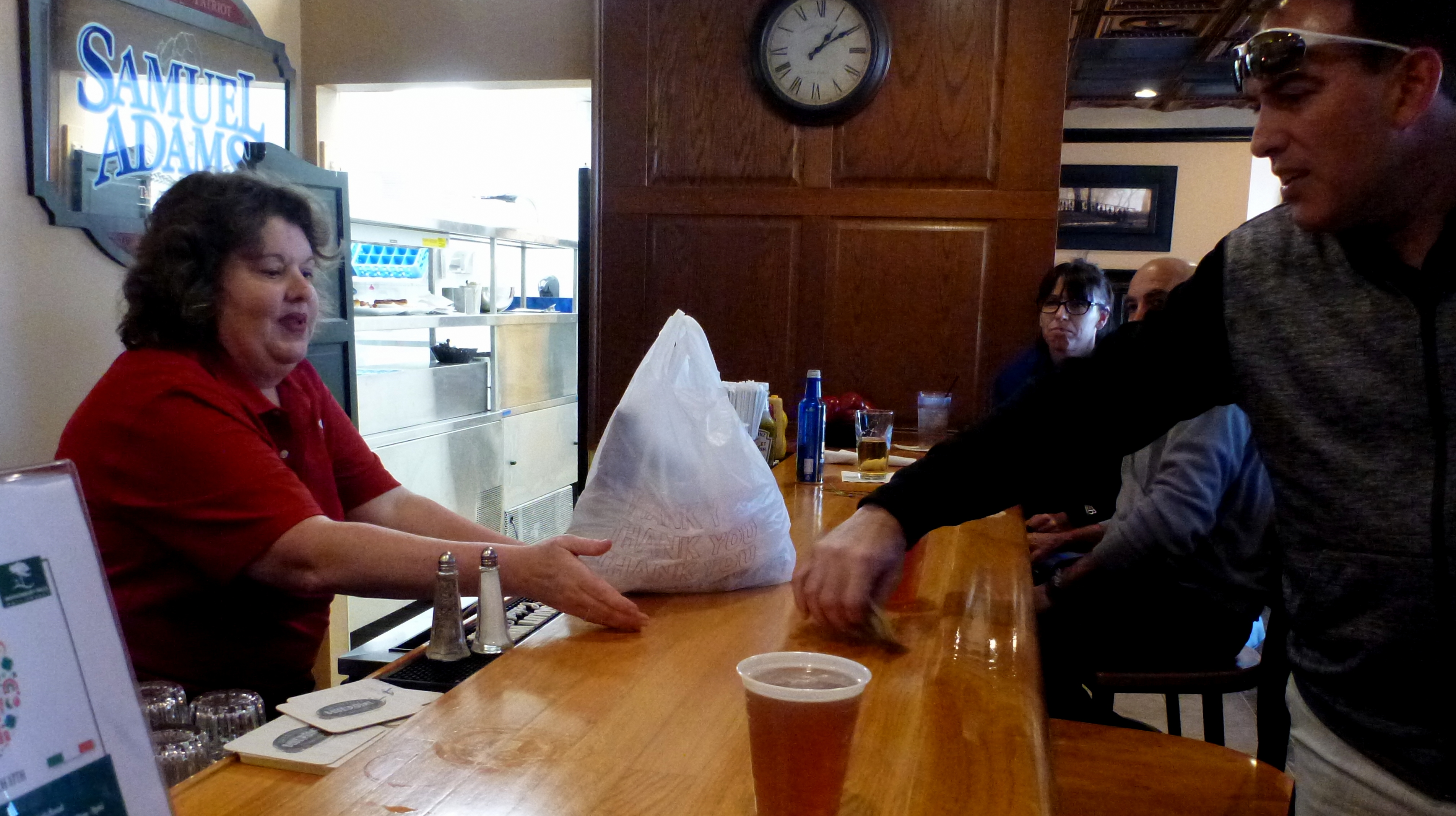
That’s what the guy in the photo below was picking up. Weirdly, though, he had ordered just two beers—both Budweisers. What was he planning to drink when he got to the third hole?

P1170677

The only thing I didn’t like about Wintonbury: they charge you extra if you walk. (They don’t think of it as a walking penalty—in their view, they give away carts, since carts are included in the greens fees—but a walking penalty is what it is, since you don’t pay less if you don’t take a cart.) As far as I could see, though, we were the only walkers, so they probably don’t get a lot of complaints.

Still, it’s a terrific course. We’re definitely going back.

P1170640

Use This Stuff to Fix Stuff

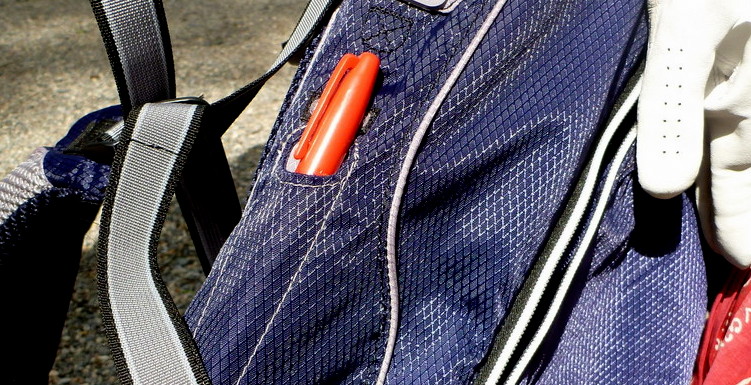
I often wonder whether the people who design things ever actually use them — like golf-bag pen holders that aren’t deep enough to engage the pocket clip on a Sharpie:

sharpiegate

The radio in my car gradually fades in when I turn it on, and gradually fades out when I turn it off—I guess because somebody thought that simply starting and stopping would seem too low-tech. But the fading screws up audio books, because every fade-in obliterates a couple of sentences, and every fade-out obliterates a couple more. That’s dumb!

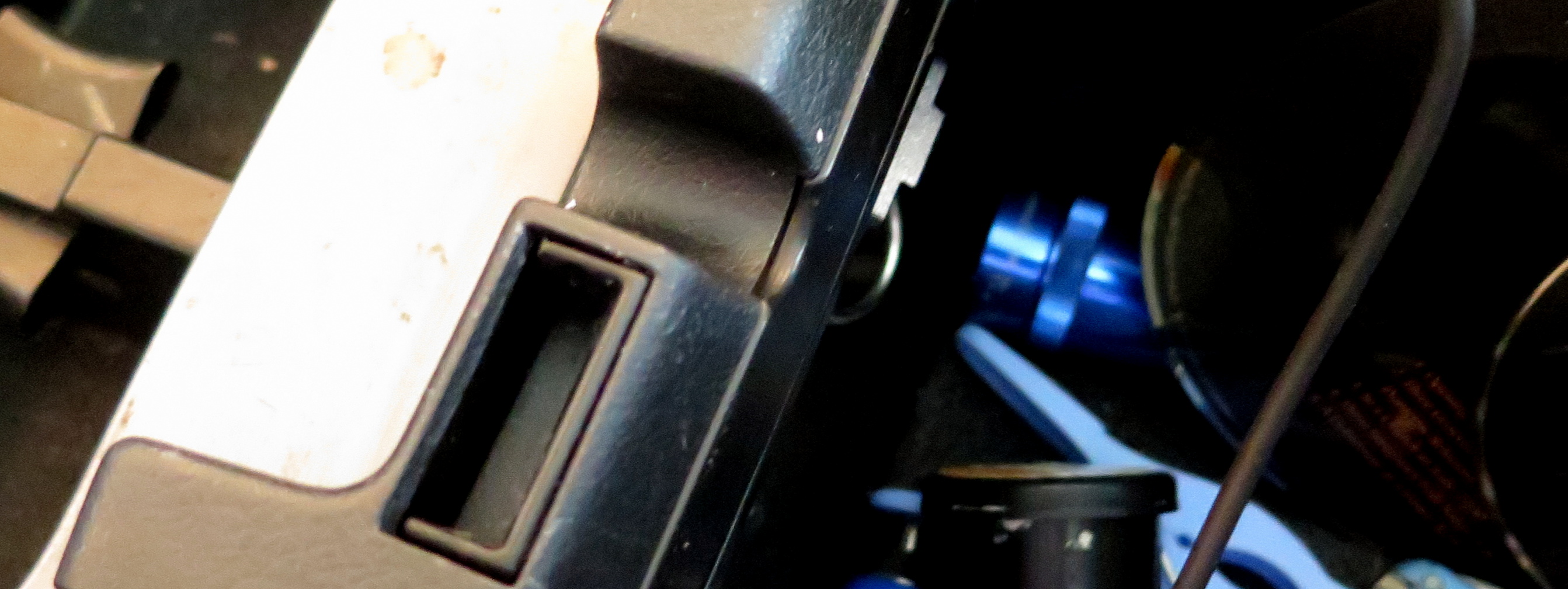
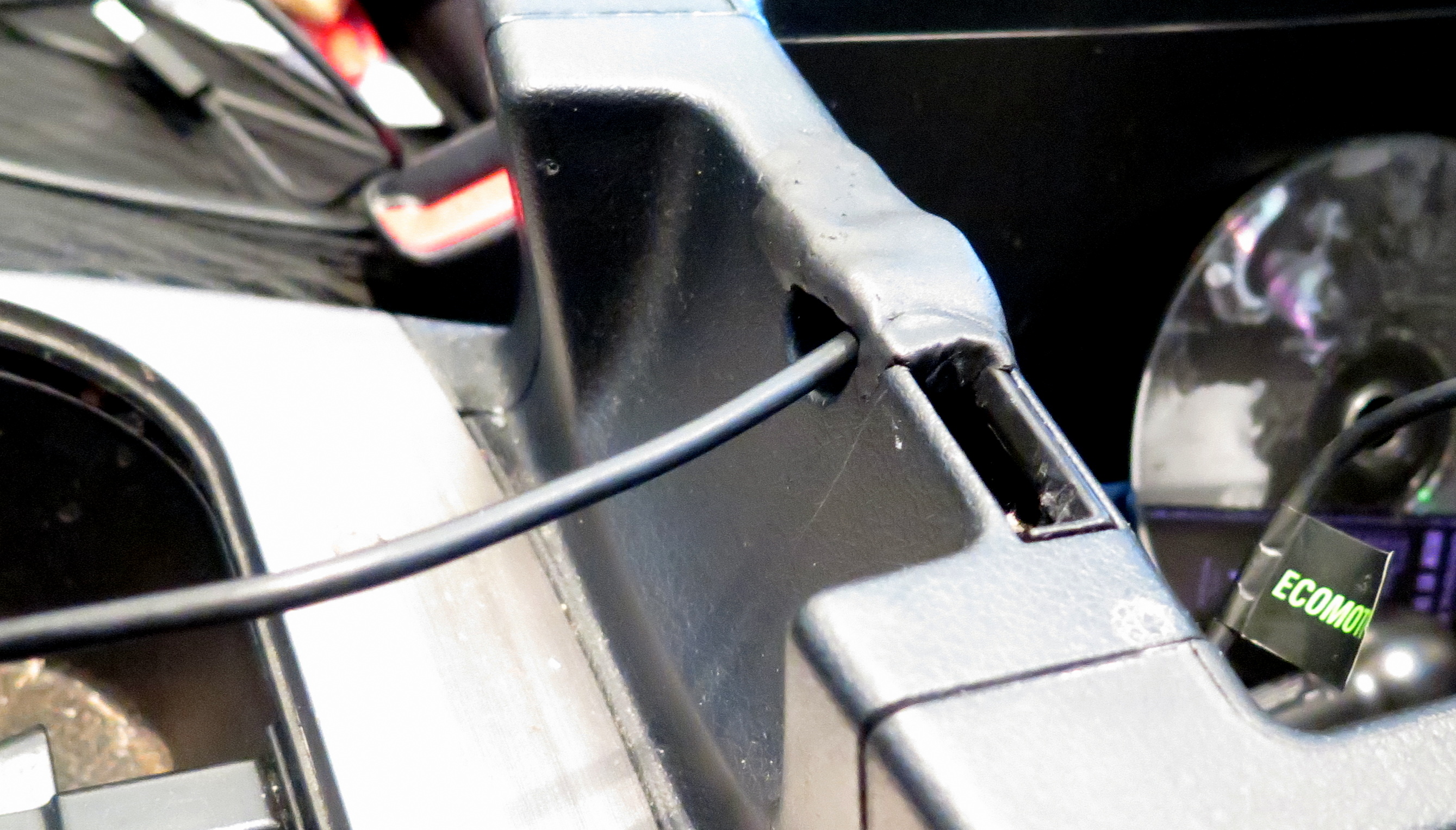
Like many cars, mine has a console between the two front seats which contains a 12-volt electrical outlet, a USB port, and an audio jack, among other things. Unlike some such consoles, mine has a little trough in the front, so that when my phone is plugged in I can put the armrest back down without chopping the cable in half:

IMG_1292

That’s good. But the designer who added that little trough didn’t think it all the way through. Almost every time I open the console, my phone cable creeps out of the trough, and that means when I put the armrest back down I’m once again in danger of chopping the cable in half.

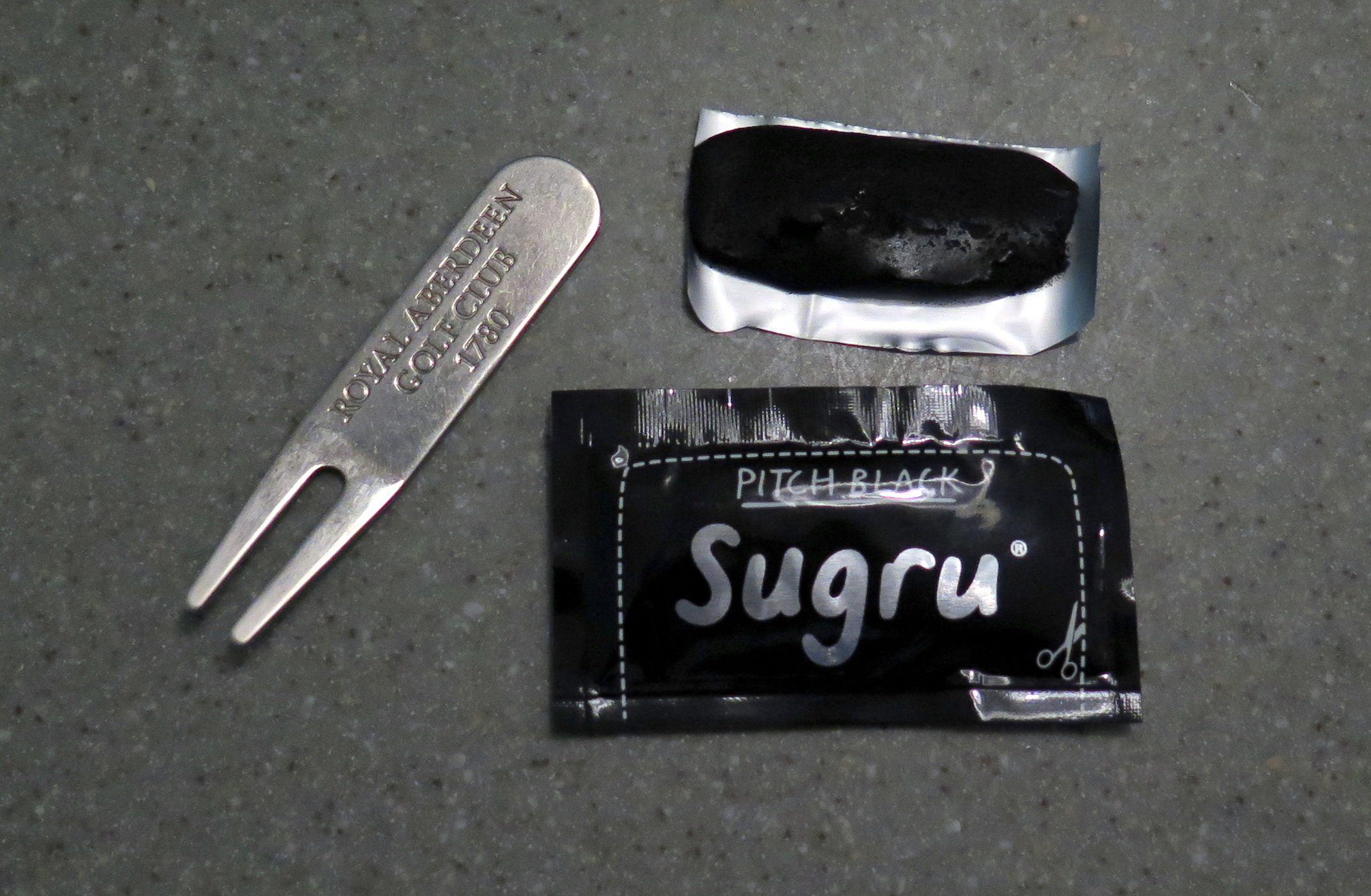
Well, I’ve now eliminated that design flaw, with a cool product my wife told me about, called Sugru. The people who manufacture Sugru describe it as “mouldable glue.” It’s a little bit sticky, and it has a consistency that’s somewhere between that of chewed chewing gum and Silly Putty.IMG_1306

You shape Sugru with your fingers, and stick it to whatever you’re trying to fix, then leave it alone for 24 hours. It turns into something that feels like hard rubber, and it stays stuck. I used black Sugru to make a little roof for the cable trough under the armrest in my car. The armrest still latches when I close it, but now my phone’s USB cord can’t wander into trouble:

IMG_1316

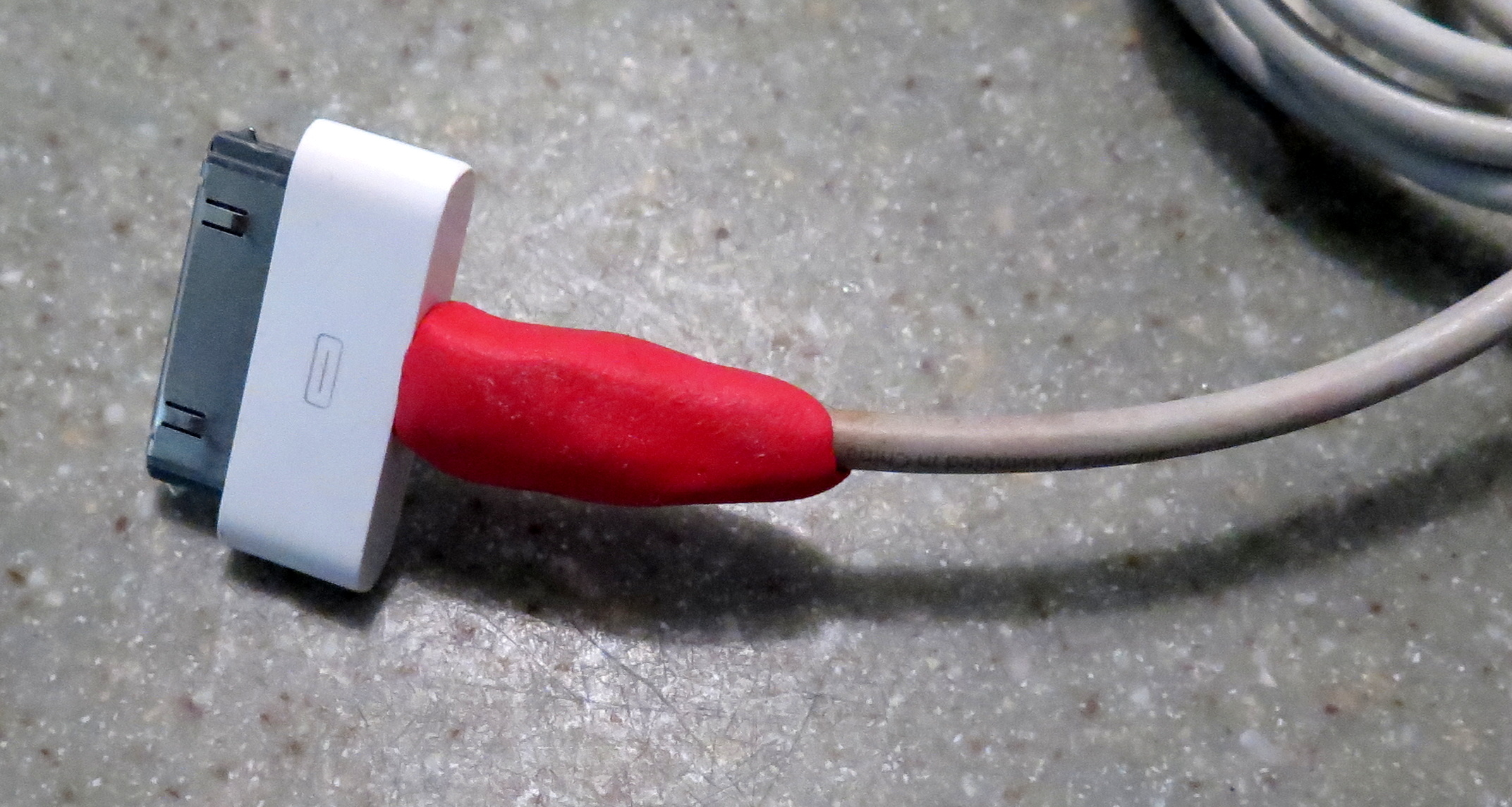
Sugru has lots of other uses. You can use it to repair frayed cables:

IMG_1285

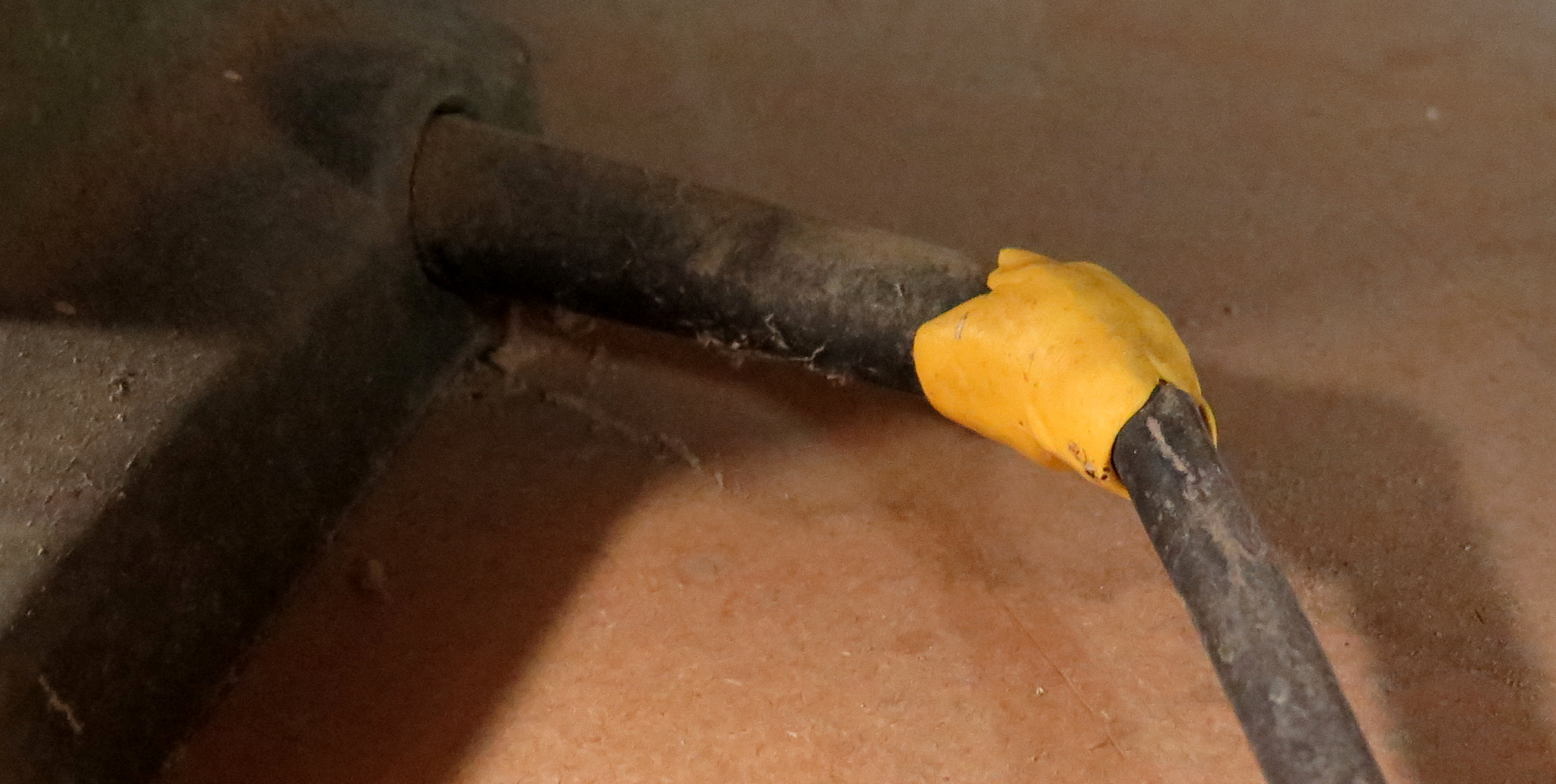
And to keep your table saw from electrocuting you:

IMG_1288

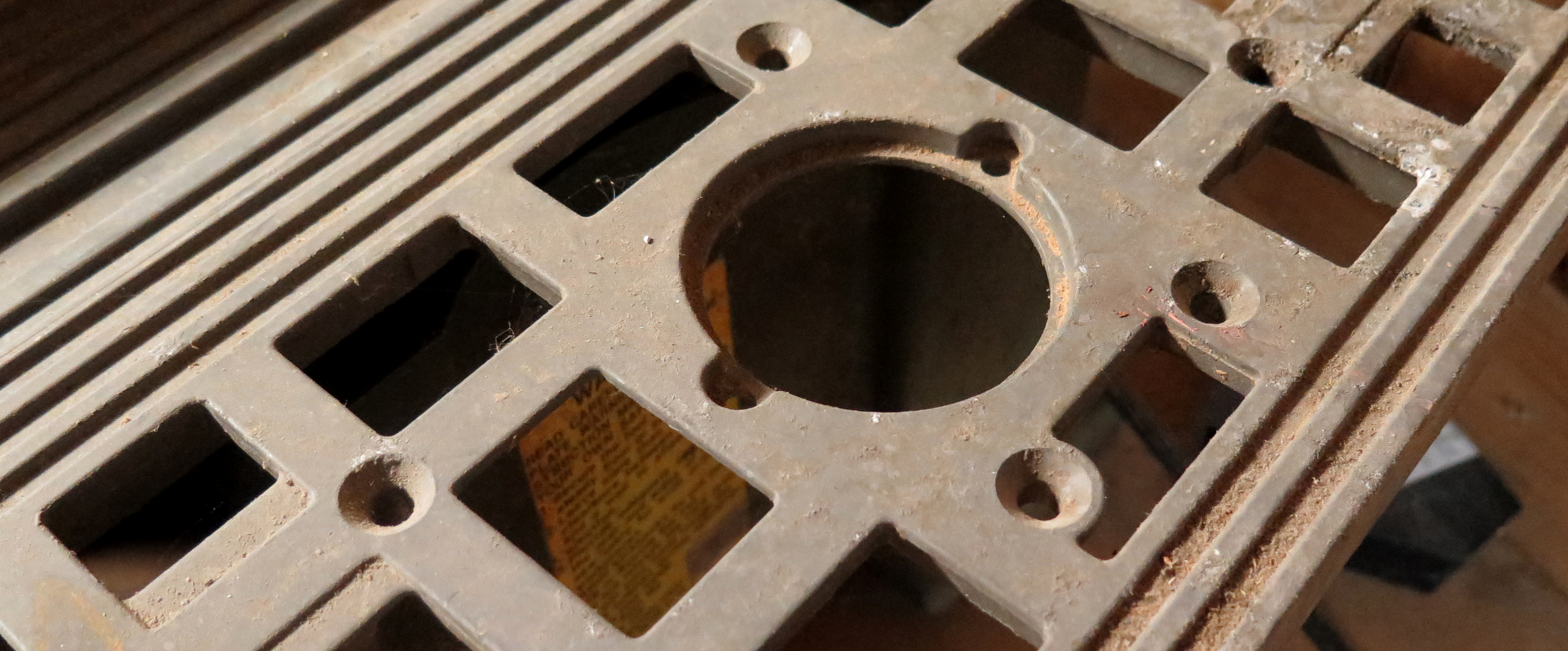
You can also use it to repair all kinds of golf stuff, including leaky shoes, cracked range-finder cases, broken GPS holders, and that little loose thing down near the hosel that’s just about driving you crazy. Incidentally, when I bought my table saw, I asked the salesman what the round opening in the deck was for:IMG_1289

He said, “That’s to hold your beer.”

Masters Countdown: How Augusta National Almost Built a Miniature Version of Itself

The National Baseball Hall of Fame and Museum opened in Cooperstown, New York, on June 12, 1939. The Professional Golfers Association responded by creating its own hall and inducting several legendary players, among them Bobby Jones. But the P.G.A.’s hall was merely conceptual: there was neither a building nor a plan for one.

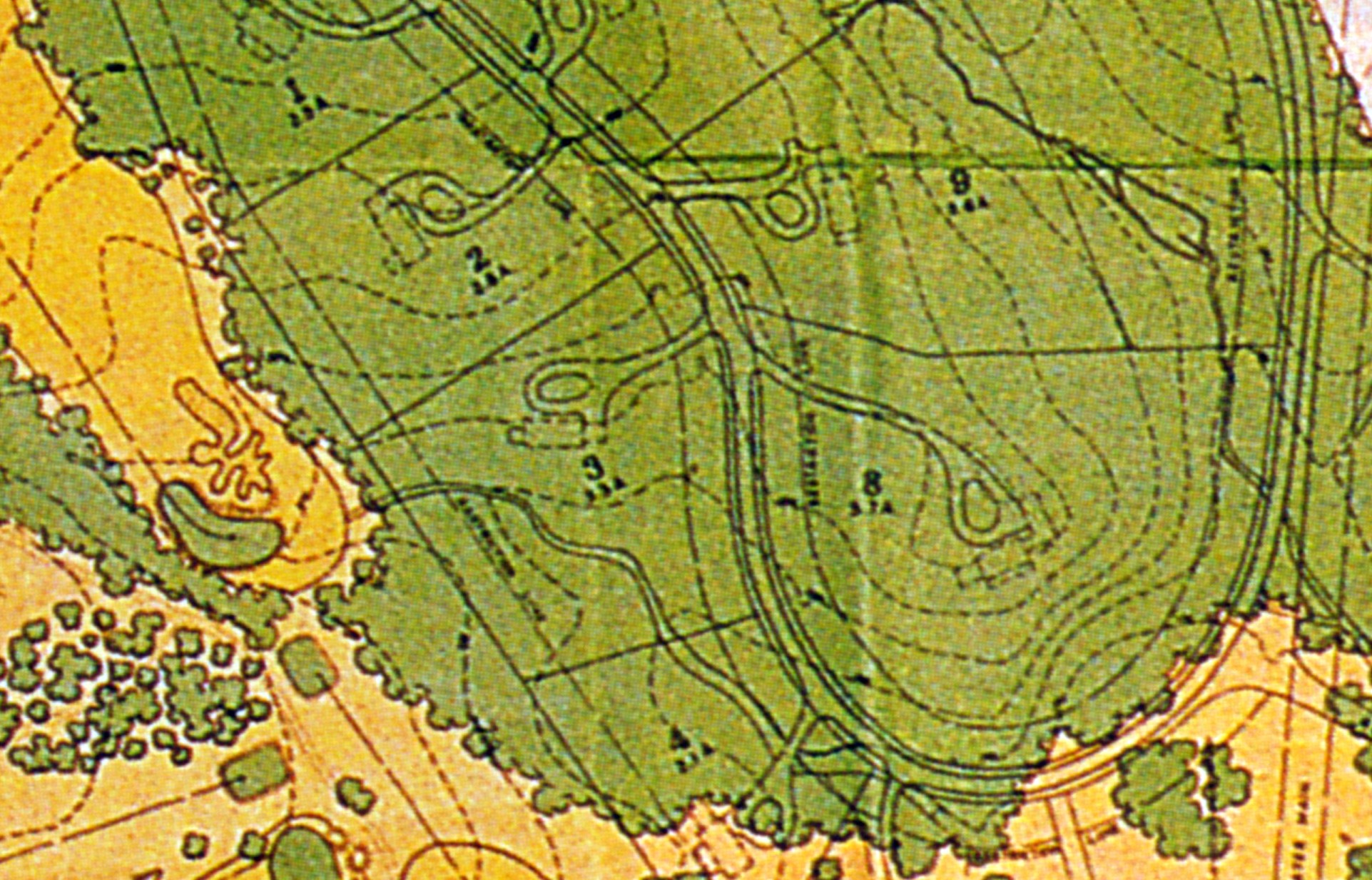
Clifford Roberts, Augusta National’s co-founder and chairman, thought the ideal location for a golf hall of fame would be at the club. The site he favored was an elevated six-acre parcel roughly 250 yards to the east of the tenth green. In a letter to Jones, he wrote that visitors “would have four good views of the course instead of one,” and that “members using the golf course would have a good view of an attractive building.”

The site Roberts favored was in the upper right-hand quadrant of this image. (And, yes, those are building lots. Augusta National tried to sell them, unsuccessfully, for more than twenty years.) You can see the old tenth green at the left, next to the familiar amoeba-shaped bunker.

The site Roberts favored was in the upper right-hand quadrant of this image. (And, yes, those are building lots. Augusta National tried to sell them, unsuccessfully, for more than twenty years.) You can see the old tenth green at the left, next to the familiar amoeba-shaped bunker.

Roberts wanted one wing of his hall of fame to contain “automatic movie machines,” which, for a quarter, would show instructional films by the game’s great teachers. Another wing would serve as both a comprehensive library and a bookstore. Visitors would be able to buy “popular-priced copies” of some of the books in the library, as well as souvenir booklets and postcards depicting the course.

This is an early Augusta National postcard, showing the tenth green in its original location, before it was moved back and to the left. Roberts's preferred site for his golf hall of game was out of the frame to the left.

This is an early Augusta National postcard, showing the tenth green in its original location, before it was moved back and to the left. Roberts’s preferred site for his golf hall of game was out of the frame to the left.

Roberts also wanted to create “a miniature Augusta National course surrounding the Hall of Fame which would be a practical pitch and putt course and could be made a most attractive part of the landscaping scheme.” The holes would be scaled-down replicas of the holes on the big course. He proposed a greens fee of twenty-five cents.

Despite Roberts’s enthusiasm, the idea never came to anything. The two members he had been counting on to pay for the project lost interest in it, and the club didn’t have the money to proceed on its own. And then news from Europe and the Pacific made other concerns more pressing.
Incidentally, the first hall of fame in the United States wasn’t in Cooperstown; it was in the Bronx. It was built in 1900 by New York University, on what’s now the campus of Bronx Community College, and was designed by Stanford White.
Bronx CC library

It was called the Hall of Fame for Great Americans. It was inspired by the Ruhmeshalle, in Munich, which had been built 50 years earlier. The original inductees were John Adams, John James Audubon, Henry Ward Beecher, William Ellery Channing, Henry Clay, Peter Cooper, Jonathan Edwards, Ralph Waldo Emerson, David Farragut, Benjamin Franklin, Robert Fulton, Ulysses S. Grant, Asa Gray, Nathanial Hawthorne, Washington Irving, Thomas Jefferson, Robert E. Lee, Abraham Lincoln, Henry Wadsworth Longfellow, Horace Mann, John Marshal, Samuel F. B. Morse, George Peabody, Joseph Story, Gilbert Stuart, George Washington, Daniel Webster, and Eli Whitney.

Bronx Hall of Fame

It’s still there, and you can still visit it—maybe after playing one of the four swell municipal golf courses in the Bronx: Van Cortlandt, Split Rock, Pelham Bay, and Ferry Point (aka Trump National).

Masters Countdown: Clifford Roberts and the Thermostats

Clifford Roberts

Clifford Roberts was a co-founder (with Bobby Jones) of Augusta National Golf Club, and he was the chairman of the Masters from its founding, in 1934, until his death, in 1977. The room he slept in is at the far end of the east wing of the clubhouse. It’s named for him and is called a suite, but it is really just a single bedroom with a small bathroom, plus a closet in which Byron Nelson kept clothes between visits to the club. The room looks like a hotel room, and the furniture looks like hotel-room furniture. The only amenity is a fireplace, which Roberts would light at the first hint of cool weather. (He loved fires but was ambivalent about firewood; on his order, no log was ever delivered to his hearth which had not first been stripped of anything resembling bark.) In all weather, he kept his room warm — uncomfortably so, in the opinion of visitors. The room had two thermostats, and he would make minute adjustments in one or the other as conditions changed in ways that only he could detect.

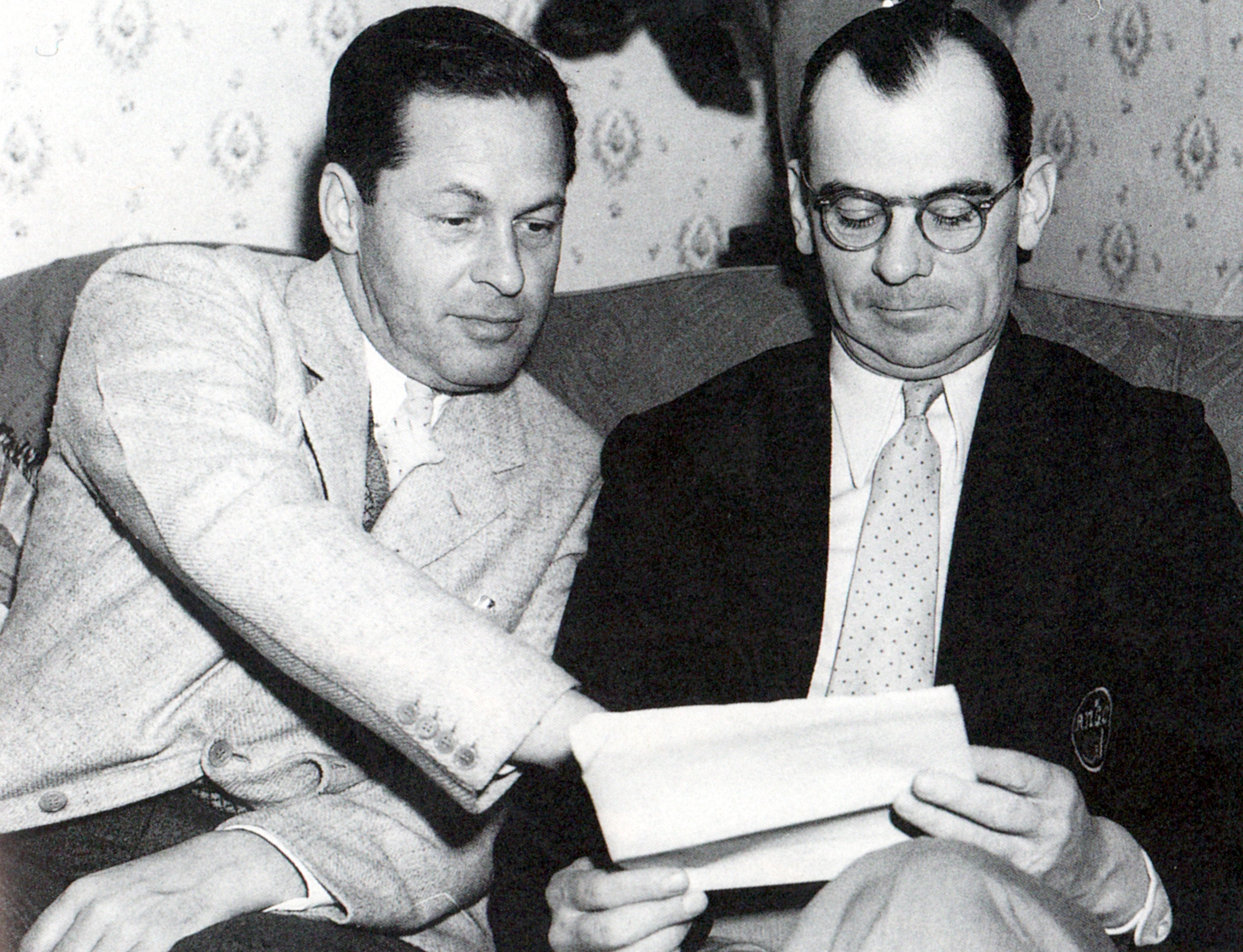
Bobby Jones and Clifford Roberts, late 1930s. Roberts is wearing the original version of the green jacket, with an emblem design that was later replaced.

Bobby Jones and Clifford Roberts, late 1930s. Roberts is wearing the original version of the green jacket, with an emblem design that was later replaced.

One mild day, he called the building superintendent to say that he was freezing and that something must be wrong with the heating system, because a thermometer on a table was reading four degrees lower than a thermometer near the window. The superintendent sent a man to a local hardware store with the thermometer from the table and told him to return with an identical one that read four degrees higher. When the new thermometer was in place, Roberts called the club’s manager to say that the temperature in his room was now perfect and that no further adjustments to the heating system would be required.

Jones and Roberts ANGC

Golf Sets a Good Example for Cheaters in Another Game

Illustration by Javier Jaen

Illustration by Javier Jaen

ave an article in this past week’s New Yorker about a major cheating scandal in bridge, a card game that has a number of thought-provoking similarities to golf. The player who is mainly responsible for exposing the scandal hopes that bridge will respond, in part, by becoming more like golf, the only major sport in which players call penalties on themselves, and not at all like football, in which a running back would be considered almost negligent if he didn’t try to shove the ball a few inches farther forward after being tackled. (Imagine a lineman tapping a referee on the shoulder, and saying, “Excuse me. I was holding on that play.”)

One of people I interviewed was Larry Cohen, a leading player and teacher, and the author of one of my favorite bridge books:

cohen jacket.jpg

Cohen is also an enthusiastic golfer, with a handicap of 11. I didn’t have room to quote what he said to me about ethics, golf, and bridge, but I liked it a lot, and he said I could share it here:

“On the golf course, there are many times you can do the ‘wrong’ or ‘right’ thing. Many years ago, I once took what was probably too liberal a ruling for myself (the ball was borderline out of bounds and I played it). After, I felt terrible. Had I cheated my friends? Myself? What good was it to save a good score on the hole when I was haunted after by what I had done. Never again. I find it so much easier to sleep at night when I play ethically. This has always been routine for me at bridge, and now I have learned to do the same at golf. Life is so much better and satisfying that way. I can’t imagine how horrible it must feel (most people have a conscience, no?) when they win by doing something unethical. But not everyone sees the light. To gain (often financially, if not through the ‘joy of winning’), there is a temptation to ‘bend the rules’ in your favor. I am not a psychologist, so I don’t know how the mind works of those who ‘do wrong’ in golf or bridge. If only they knew how good it felt once you do things the ‘right way.'”

Cohen, incidentally, leads several bridge cruises every year—ocean cruises during which participants spend much of their time at sea learning and playing bridge. How about a bridge-and-golf cruise? Golf by day, on fabulous courses at ports of call all over the world, then bridge till dawn.

And, for those who are interested in bridge already, here’s a video, made by a British web designer, that does a good job of explaining what two of the suspected players were doing:

For my New Yorker article, I also spoke with Bob Hamman, who is now in his 70s and is widely considered to have been one of the best bridge players ever. I didn’t mention this in the article, but he’s also the C.E.O. of SCA Promotions, a Dallas-based company that, among other things, sells hole-in-one insurance and provides risk protection for corporations that have sponsorship agreements. “A golf-club manufacturer might have a golfer under contract,” he told me, “and the contract might include a significant bonus for a victory in a major tournament. For a fee, our company will assume that risk, and now the manufacturer can root for its sponsored golfer without any mixed emotions.”

SCA’s clients in the past have included the United States Postal Service, which sponsored the American cycling team for a number of years. Lance Armstrong had already won the Tour de France twice when the post office approached SCA, and his contract entitled him to escalating bonuses for additional victories. “My son, Chris, who is in the business with me, strongly recommended against taking the Armstrong deal,” Hamman told me, “but why should I listen to anybody?” When Armstrong continued to win, SCA had to cover millions of dollars in incentive payments. Armstrong finally confessed to (some of his) cheating, after being stripped of his Tour de France titles, in 2013, and last year an arbitrator ruled that he had to pay back most of what the post-office deal had cost SCA.

Golf has never suffered a scandal like that—and for good reason.

Field Test: True Linkswear Elements and Pants-in-a-Jar

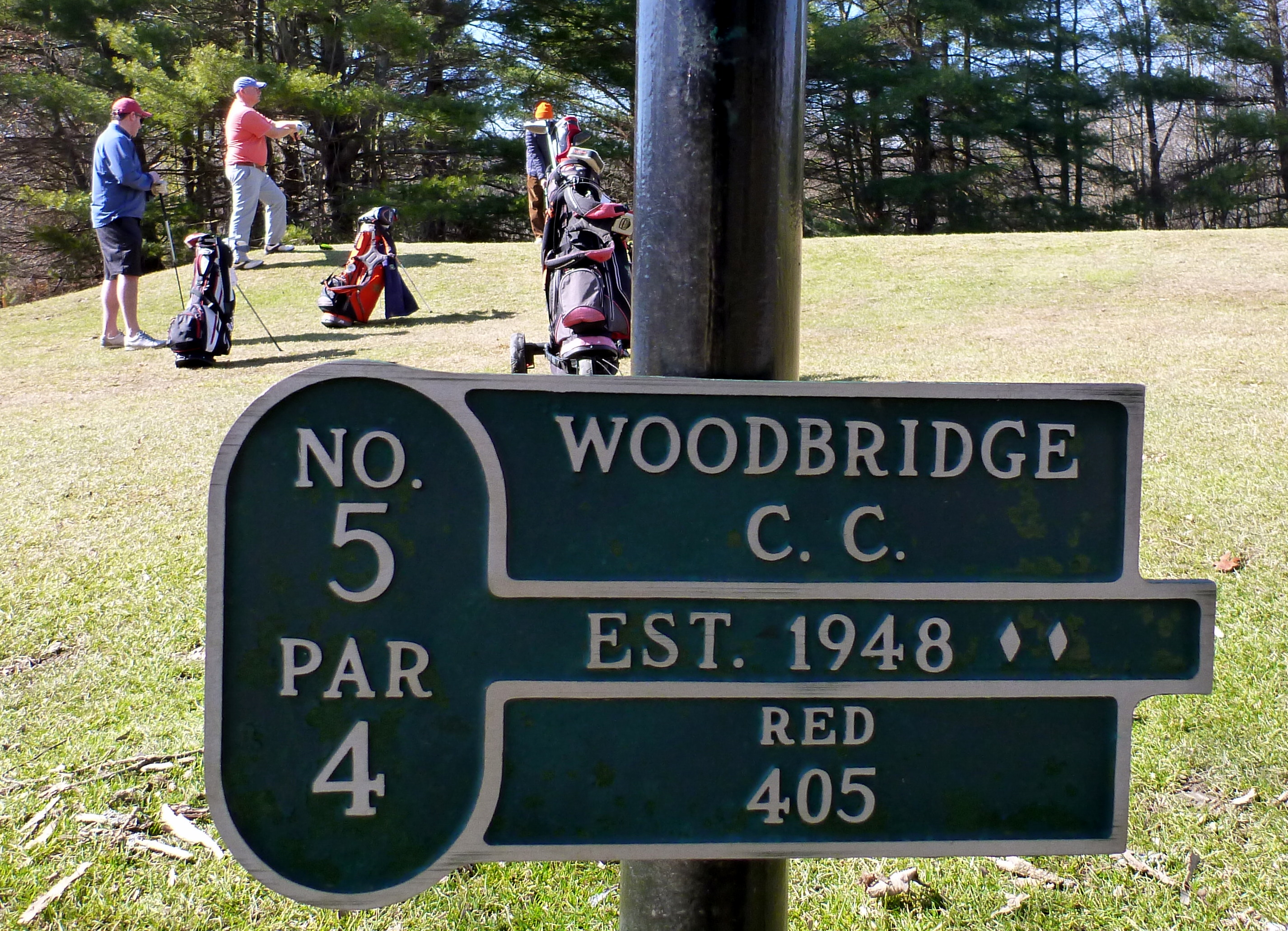
We had a huge rainstorm the other day—a good thing, for two reasons. First, the storm gave me an opportunity to pursue what I now realize would be my No. 1 choice of occupation if for some reason I could no longer work as a writer: vacuuming up water. (Our basement was flooded, and I spent a fulfilling evening emptying it with my wet/dry Shop-Vac, my portable sump pump, and a hundred feet of garden hose.) Second, the storm washed away all the remaining snow in this part of the country, making several area golf courses fully playable again. On Sunday, my friends and I traveled to the Woodbridge Country Club, which we first visited in early December:

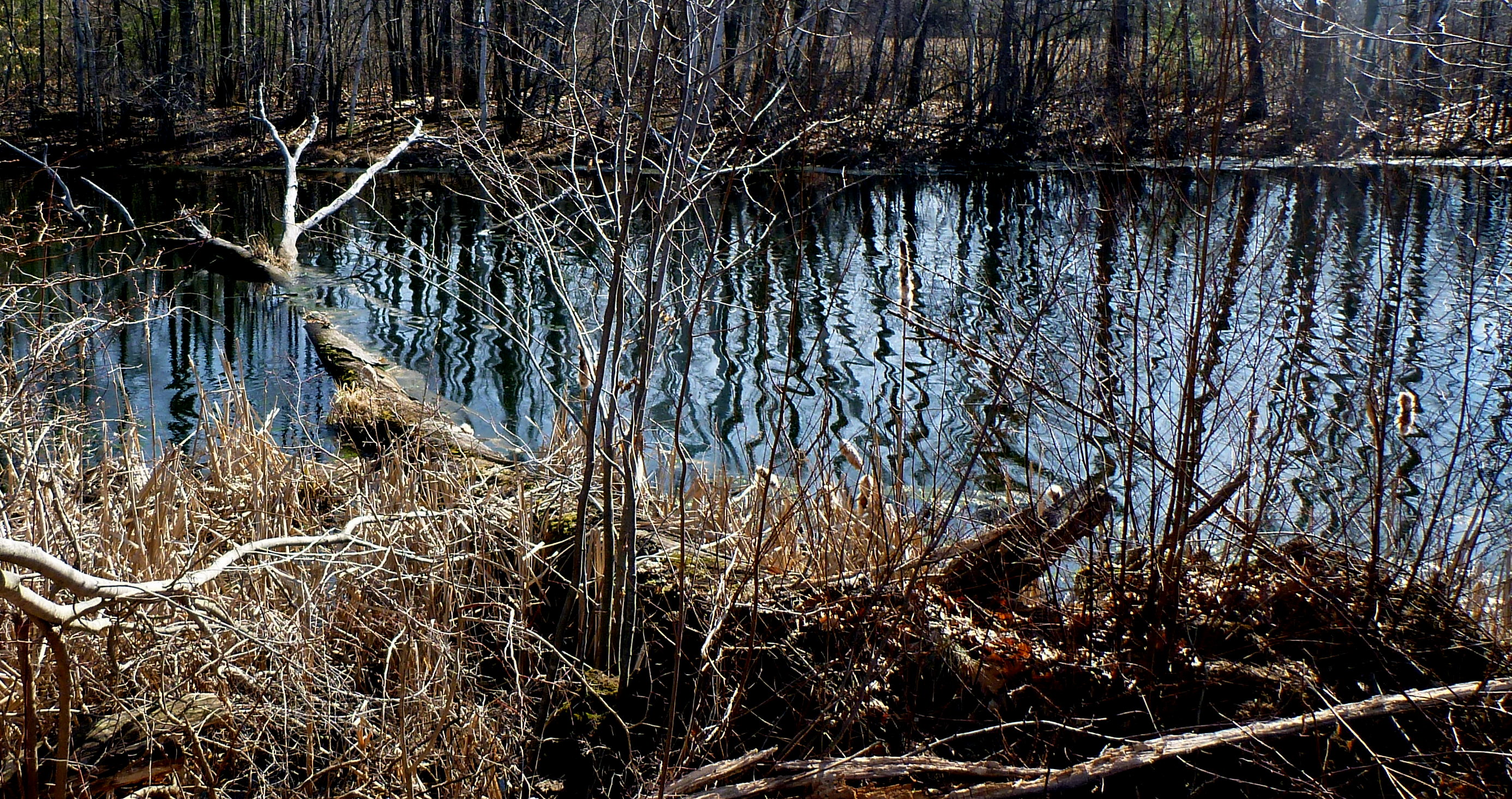
Ice-free pond at Woodbridge Country Club, Woodbridge, Connecticut.

Ice-free pond at Woodbridge Country Club, Woodbridge, Connecticut.

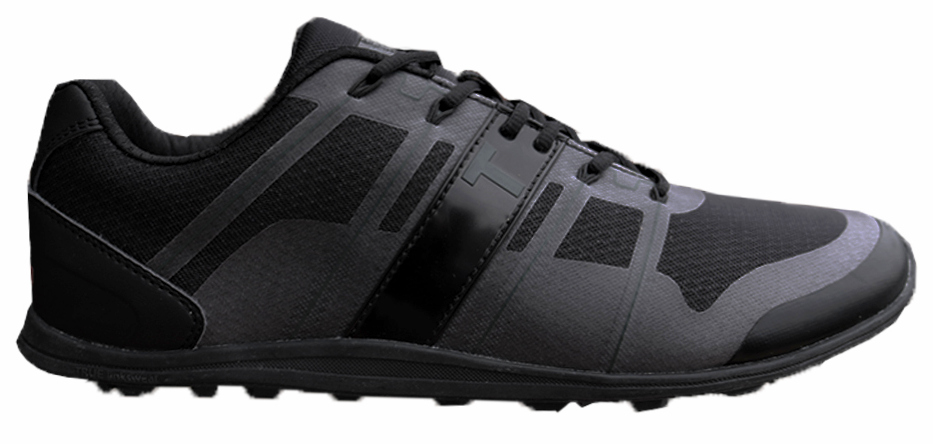
The course was wet and muddy in lots of places, and I was able to test my latest golf-related purchase: a pair of True Linkswear Elements golf shoes. I’ve been an enthusiastic unpaid shill for True Linkswear for several years, but we had a falling out a few months ago over an earlier model, called True Motion, which apparently are not supposed to be worn outdoors. (Mine fell apart.) The company assured me that it was on the case, and that Elements (which are new this year) would address all my issues. I wore mine around town for several days, then subjected them to Woodbridge.

true elements

As far as I can tell, they fully live up to their billing. They’re insanely comfortable, like all my dozen other pairs of True golf shoes, and, even though I purposely stood in puddles, they never leaked. I’m going to order a second pair and take both to Ireland in early May. (You can find them online for a hundred bucks.) My only wish is that True would make a high-top version. Their shoes are so low-slung that your socks, which probably aren’t waterproof, are vulnerable in tall grass. Rickie Fowler has made the world safe for high-top golf shoes. Let’s go!

Doug and Keith.

Doug and Keith.

The group on Sunday included Keith, a new member. Doug, who’s a teacher, asked him if he and his wife have kids; he said they don’t yet, but that they have “pulled the goalie.” Keith looked like a veteran, because he had dressed to take advantage of our winter shorts rule (two extra handicap strokes for shorts after December 1). I wore shorts, too, and I supplemented them with a concoction that I’m thinking of marketing, as Pants-in-a-Jar. It’s a mixture of Warm Skin (“a soothing balm that moisturizes and insulates against weather extremes”) and capsaicin creme (an arthritis ointment that generates heat). Warm Skin is what many NFL players use to protect themselves when they play in Green Bay in December. I rubbed a ton on my bare legs before we teed off, and I never felt cold.

IMG_1277

I’m hoping that I won’t need to use Pants-in-a-Jar many more times this winter. Three of us ran into our club’s greens committee at a local breakfast place on Saturday, and although we couldn’t overhear what they were talking about we decided that maybe they were discussing an opening date. Fingers crossed.

P1170621

Masters Countdown: Why Isn’t Every Scorecard Like This?

Augusta National’s scorecard is different from every scorecard I’ve ever seen (I think). Can you spot the unique feature?

ANGC Scorecard

It’s the yardages: they’re all in multiples of five. The reason is that Clifford Roberts—the club’s co-founder, and the chairman of the Masters from the beginning until his death, in 1977—thought it was ridiculous to suggest that a golf hole could be measured with more precision than that, especially since the tee markers and hole locations changed from day to day. (Hey, why not give feet and inches, too?) It’s not a big deal—but it’s a glimpse into the mind of the person most responsible for creating the world’s last surviving un-screwed-up major sporting event.

Reader’s Trip Report: Are Canadian Golfers Lousy Tippers?

Photo by Eric Levin

Photo by Eric Levin

Late last year, Eric Levin, the deputy editor of New Jersey Monthly, wrote an article, for Colorado Avid Golfer, about playing in and around Palm Beach without going broke. He found several reasonably-priced courses that he liked a lot, among them two that are owned and operated by Palm Beach County.

Between rounds, he and his wife had a meal at the Leopard Lounge, a legendary Palm Beach restaurant. They got into a conversation with “a slim, silver-haired man with a manicured mustache and a German accent,” who said that in the 1980s he had paid $25,000, at an auction, for a hat that Elvis Presley wore in the Army. “Presley’s Army hat, he reckoned, is worth many times what he paid for it,” Levin wrote. Too valuable to wear while playing golf? I can’t say.

leopardlounge

In addition to the courses he wrote about, Levin visited one that he didn’t end up playing, even though he shares my conviction that there is no such thing as a bad golf course.

Photo by Eric Levin

Photo by Eric Levin

Levin’s report:

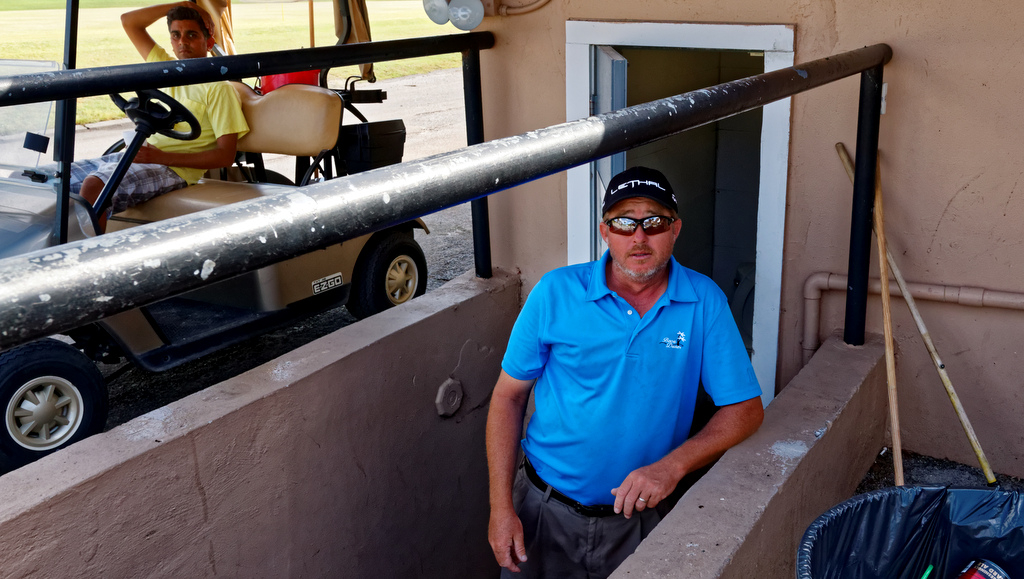
“I’ll call it Glory Glades. The clubhouse, behind an imposing facade complete with portico and curving driveway, turned out to be an enormous catering facility. The pro shop was a dreary, dimly-lit shoe box. But I did find one thing to love — or, rather, one person. I’ll call him Kenny. I ran into him outside the cart shed. He was a well-built, middle-aged guy in reflector shades, and he was wearing a Glory Glades logo shirt. He described his job as ‘bagger-slash-starter.’ He said, “I love everything about golf, from playing it, to talking about it, to helping people, to just being outdoors.'”

Photo by Eric Levin

Photo by Eric Levin

Kenny had only one golf-related beef, Levin told me: French Canadians, who, in his experience, are lousy tippers. Is this a known trait of our separatism-inclined golf brothers to the North? I myself have noticed that German golfers seem somewhat ruder than the international average, whether they’re wearing Elvis Presley’s Army hat or not, and that Korean golfers are slower—but that’s about as far as my ignorant stereotyping of non-Americans goes.

Photo by Eric Levin

Photo by Eric Levin

Back to Levin:

“Kenny told me he makes $7 an hour, plus tips, and lives about a mile from the course, with his wife and their two young children. He and his family moved from Broward County, where he worked 80 hours a week managing a grocery store, because the schools in Palm Beach County are better. His need for tips was obvious. He said that, on a good day in the high season (roughly Thanksgiving to Easter), he can make $200, but that very little of that comes from French Canadians. ‘Now here’s the crazy part,’ Kenny told me. ‘When they need something, they can speak English. But when it’s time for a tip or that kind of thing, suddenly they’re speaking French.'”

I assume that President Trump (who owns a golf course nearby) will put an end to all that, maybe with a Game of Thrones-style wall of ice along the Canadian border. Meanwhile, here are two more of Levin’s photographs of Glory Glades (which looks plenty good enough to me):

Photo by Eric Levin

Photo by Eric Levin

Photo by Eric Levin

Photo by Eric Levin