Breakthroughs in Golf-shirt Design and Beer Transportation

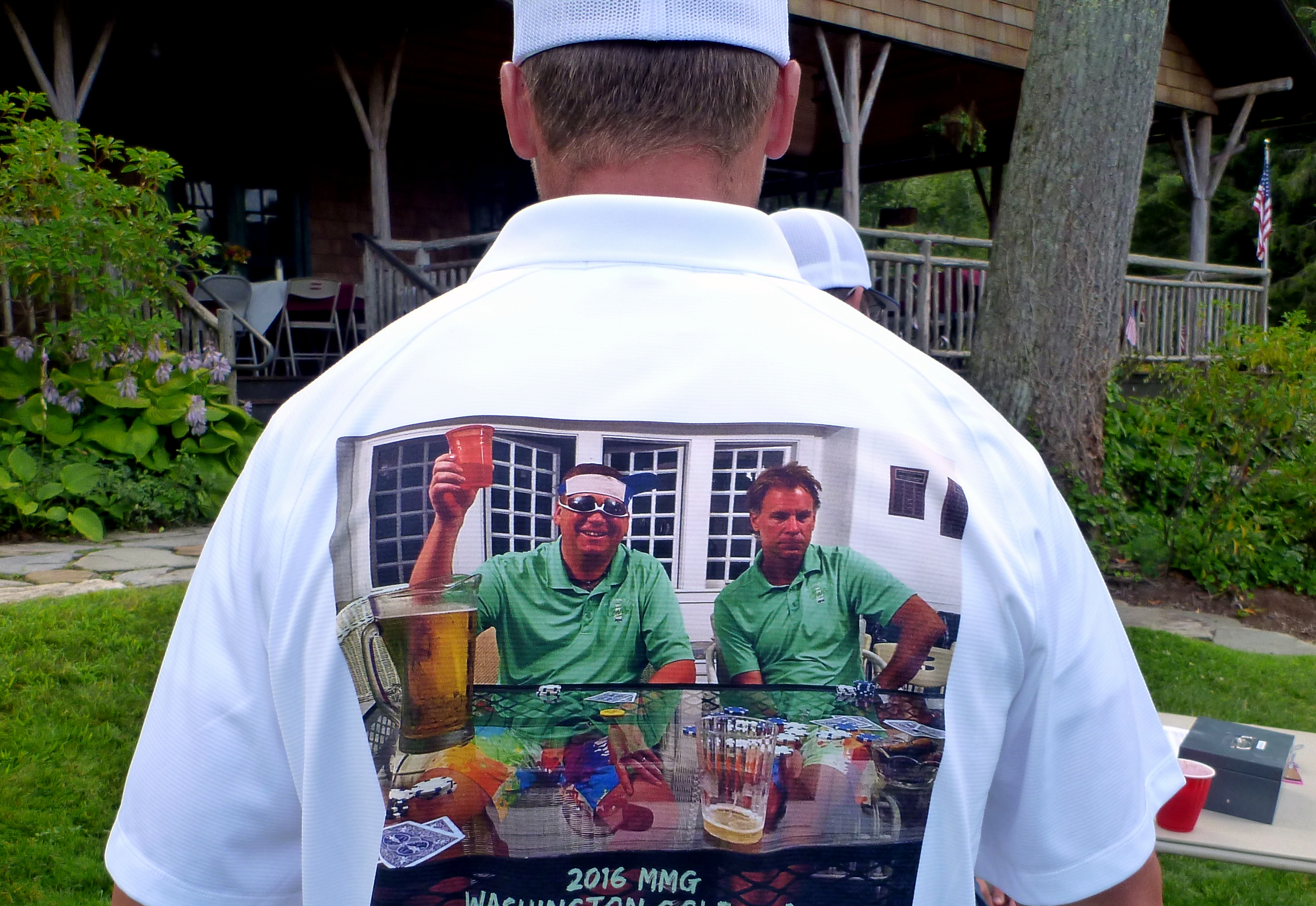
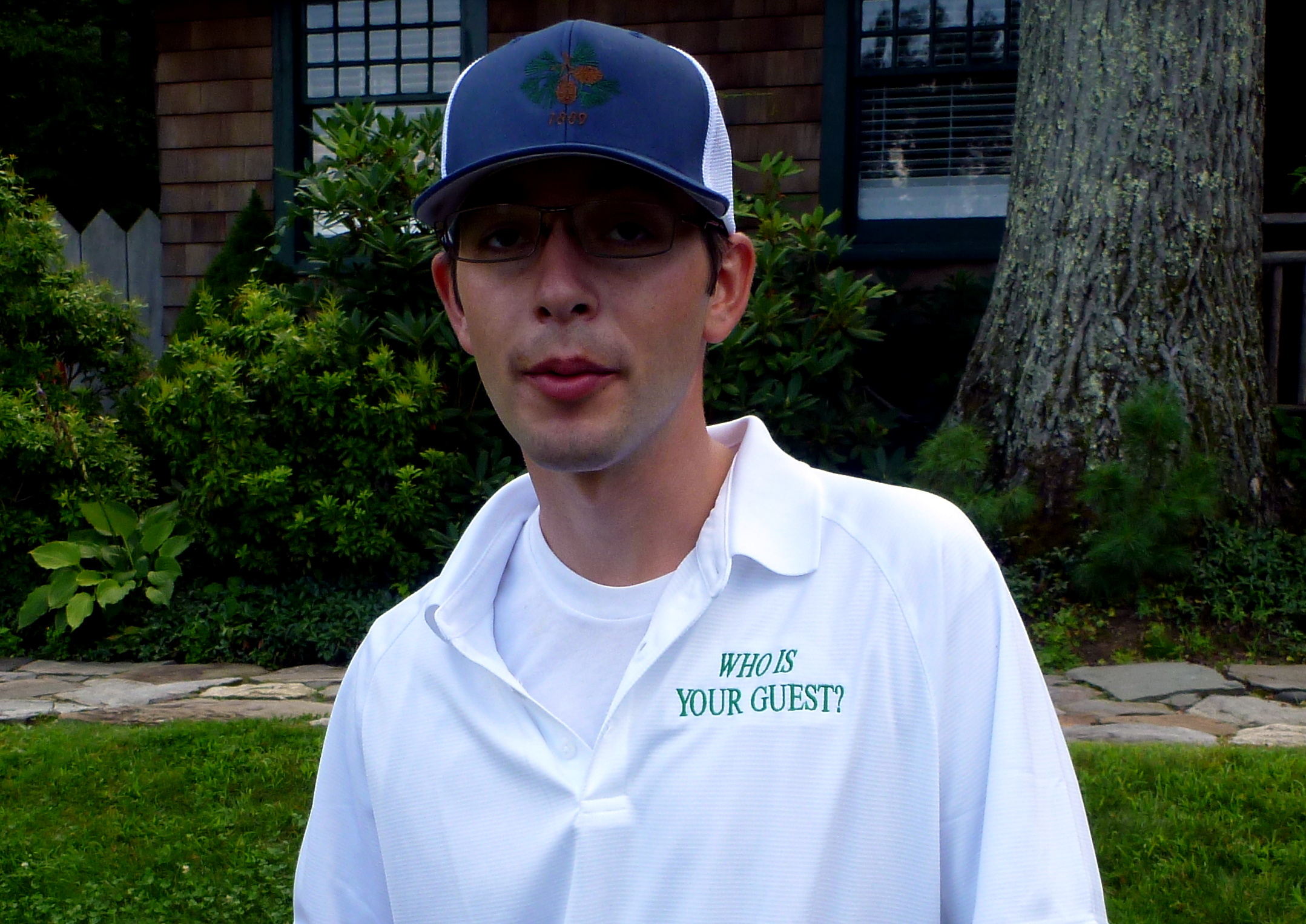
ck P., the Sunday Morning Group’s Jordan Spieth of beer-chugging, works for Custom Ts ‘n More, a company that, among other things, embroiders cool stuff on golf shirts. Here’s Nick last weekend, at my club’s annual men’s member-guest tournament, wearing one of his custom golf shirts:

p1190010

Recently, Nick’s company acquired a machine that prints on fabric, in full color, and Nick used it to make shirts for him and Carl, his regular guest. The image he chose was a photograph that someone took at last year’s member-guest. It shows Klinger and Fritz (during a low moment for Fritz) at the big poker game on Saturday night. Nick was worried that the ink would run on the fabric, which is synthetic, but he primed it somehow, or something, and everything came out great. All SMG shirts from now on will take advantage of this remarkable technology:

P1190009-001

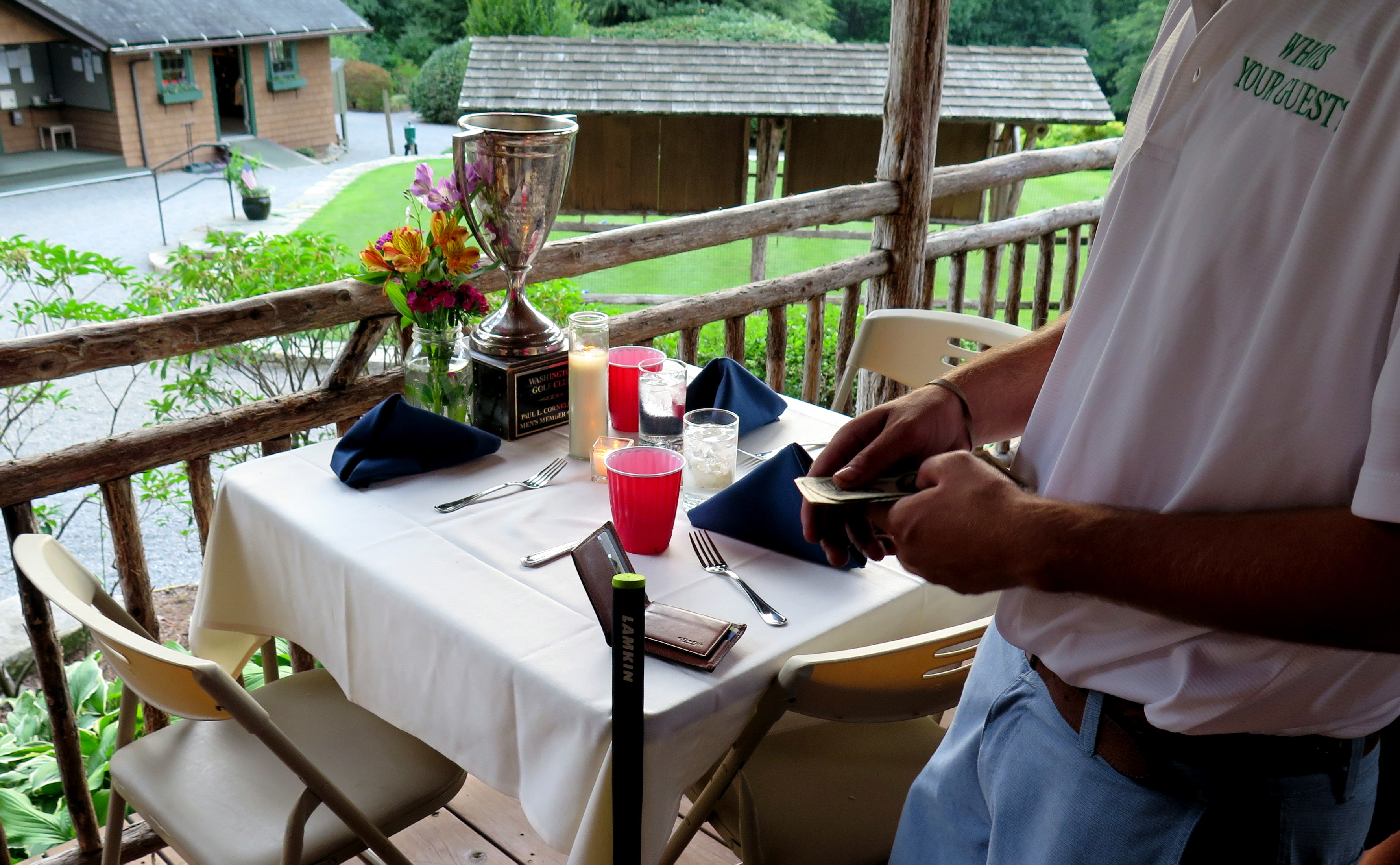
Nick and Carl were the defending champions, so during the big steak dinner on Friday night Corey, our pro, made them sit by themselves, at the Champions Table. I don’t know who the third place setting was supposed to be for:

img_3280

And here are the steaks:

img_3246

A second major innovation introduced at this year’s member-guest was the Arctic Zone insulated beer backpack. Fritz bought one at CVS for less than the cost of two sleeves of Pro V1s, and he was able to fit a full case into it. It freed his hands for other functions, such as swinging a golf club, caddying for Nick and Carl during the closing shoot-out, and holding additional beer:

img_3510

Fritz and Klinger are long-time member-guest golf-shirt innovators. Their wardrobe last weekend included this shirt, from Loudmouth Golf—now unfortunately out of stock in every size except small:

img_3618

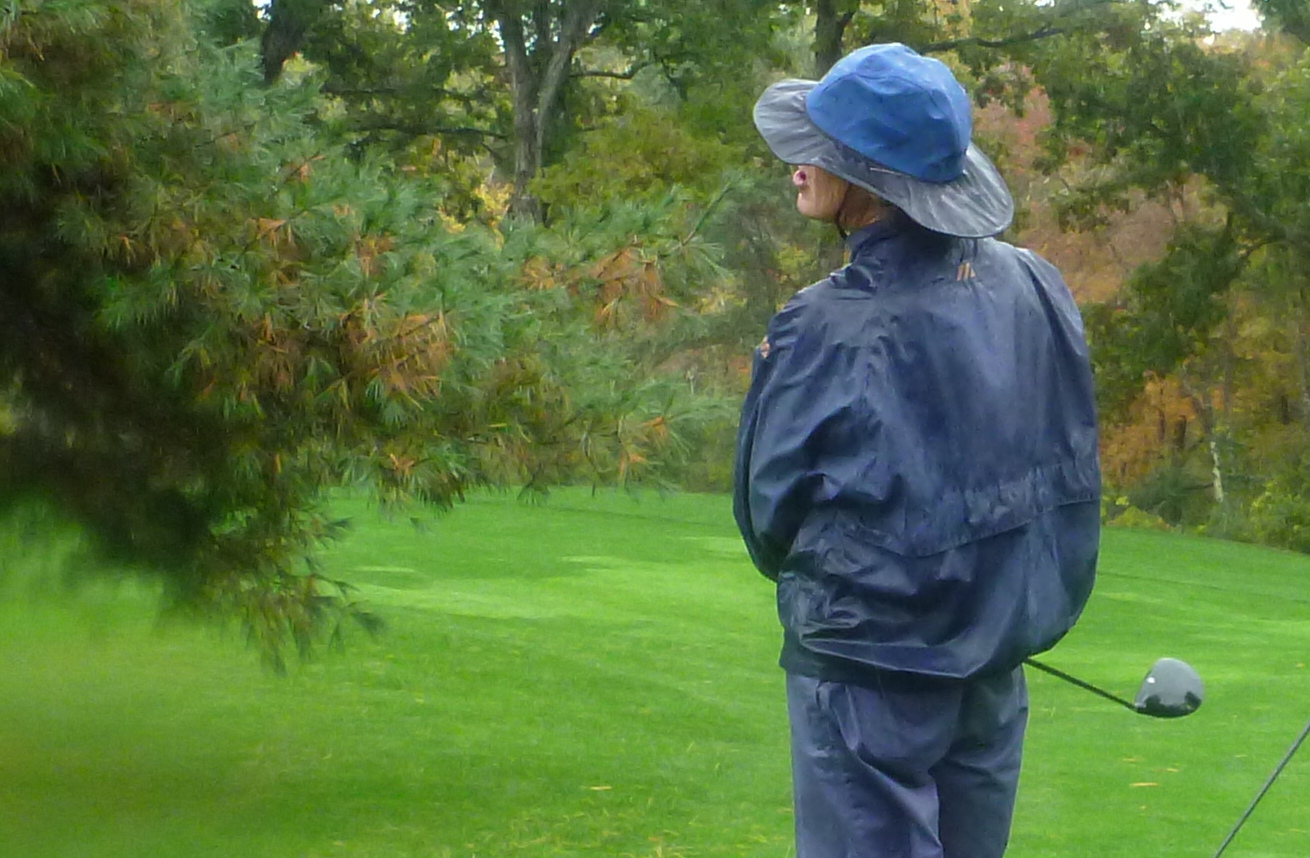
The Ideal Wide-brimmed Hat for Golf

Earlier this year, two older members of the Sunday Morning Group underwent Mohs surgery for squamous cell carcinoma—the second most common type of skin cancer. Their stitches and bandages made me think I needed a golf hat that provided better sun protection than a standard baseball-type cap. When I took up golf, in the early 1990s, I bought a semi-wide-brimmed bucket hat made by a company called Duckster (which apparently no longer exists). Here’s the only known photograph of me wearing it, on the Old Course at St. Andrews, in Scotland, in 1992:

dlo-duckster

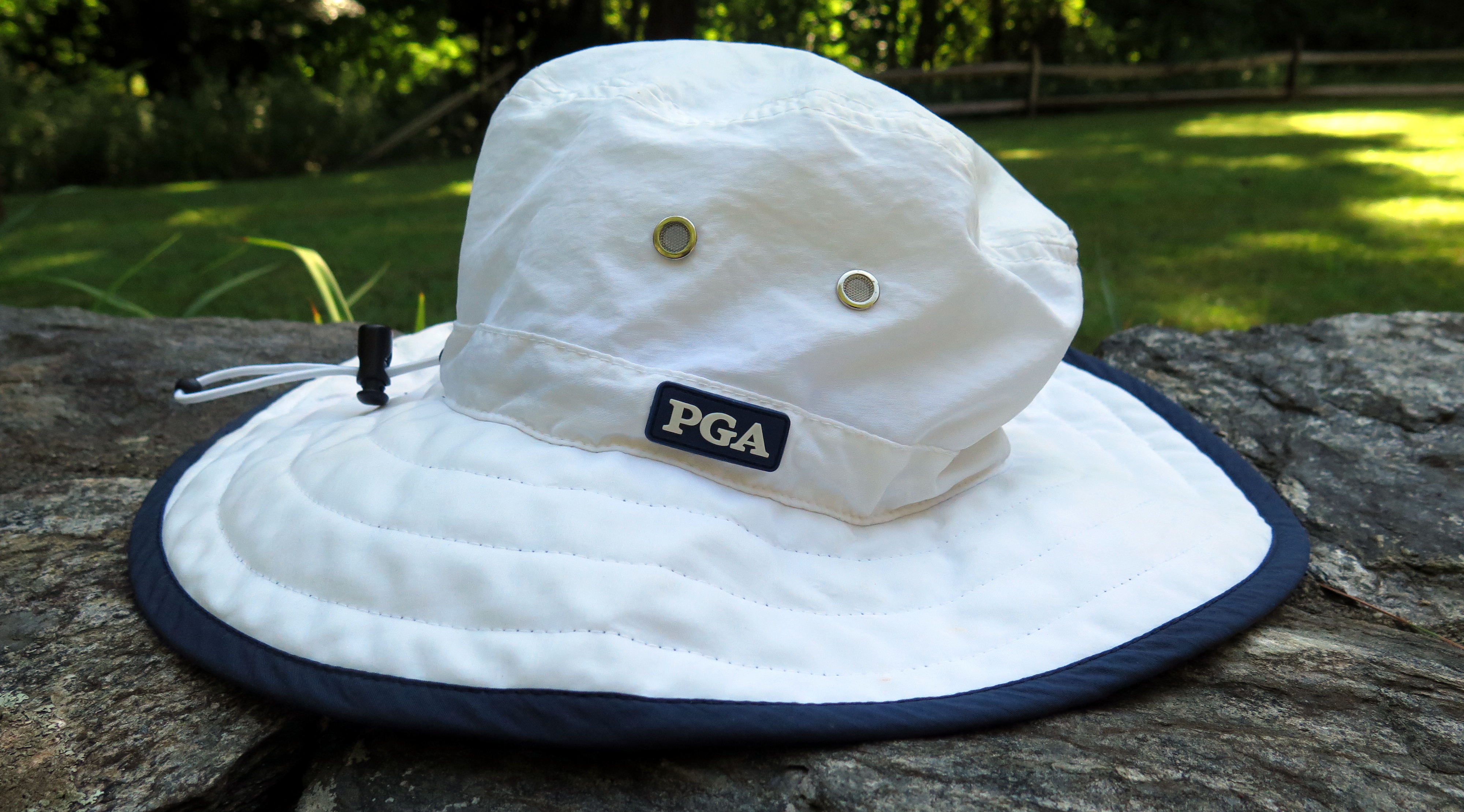
Shortly after that trip, I wore my Duckster hat during a round on my home course. Our superintendent, who was hand-watering a patch of brown grass near the fifth green, saw me, and said, “Where’d you buy that hat—Old Sturbridge Village?”, and I never wore it again. Quite a few years later, I bought a broad-brimmed hat made by Ahead (for the PGA’s golf-clothing line, which has since dropped it from its catalog). It worked fine, as sun protection, but I have a pumpkin-size head, and by the second or third hole I felt as though my brains were being squeezed, even though the size is supposedly “L/XL”:

img_3178

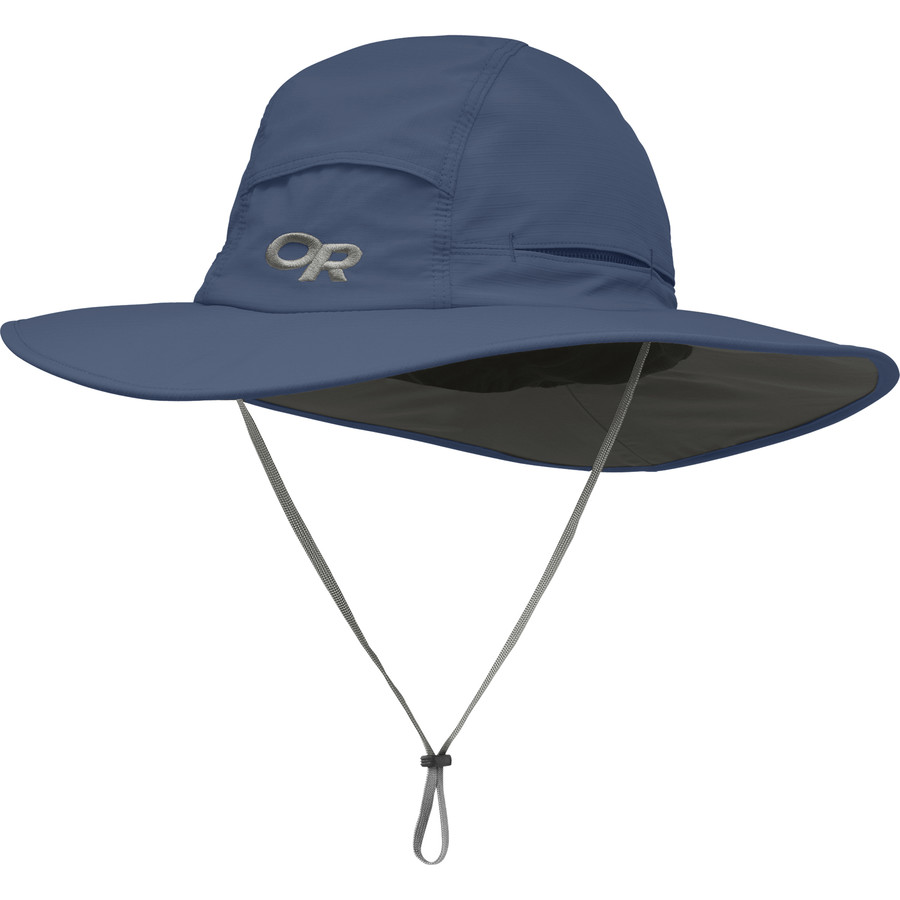
Last week, I solved my problem once and for all by buying a Sombriolet Sun Hat, from Outdoor Research. It’s light and well-ventilated, and it’s available in true XL, which is big enough to accommodate even my head:

blue sombriolet

Outdoor Research is based in Seattle. It mainly sells stuff for hikers, backpackers, and kayakers, who apparently are much fussier about hat performance than golfers are. The company also makes my favorite rain hat, the Seattle Sombrero. Barney is modeling his own Seattle Sombrero in the photo below:

p1090716

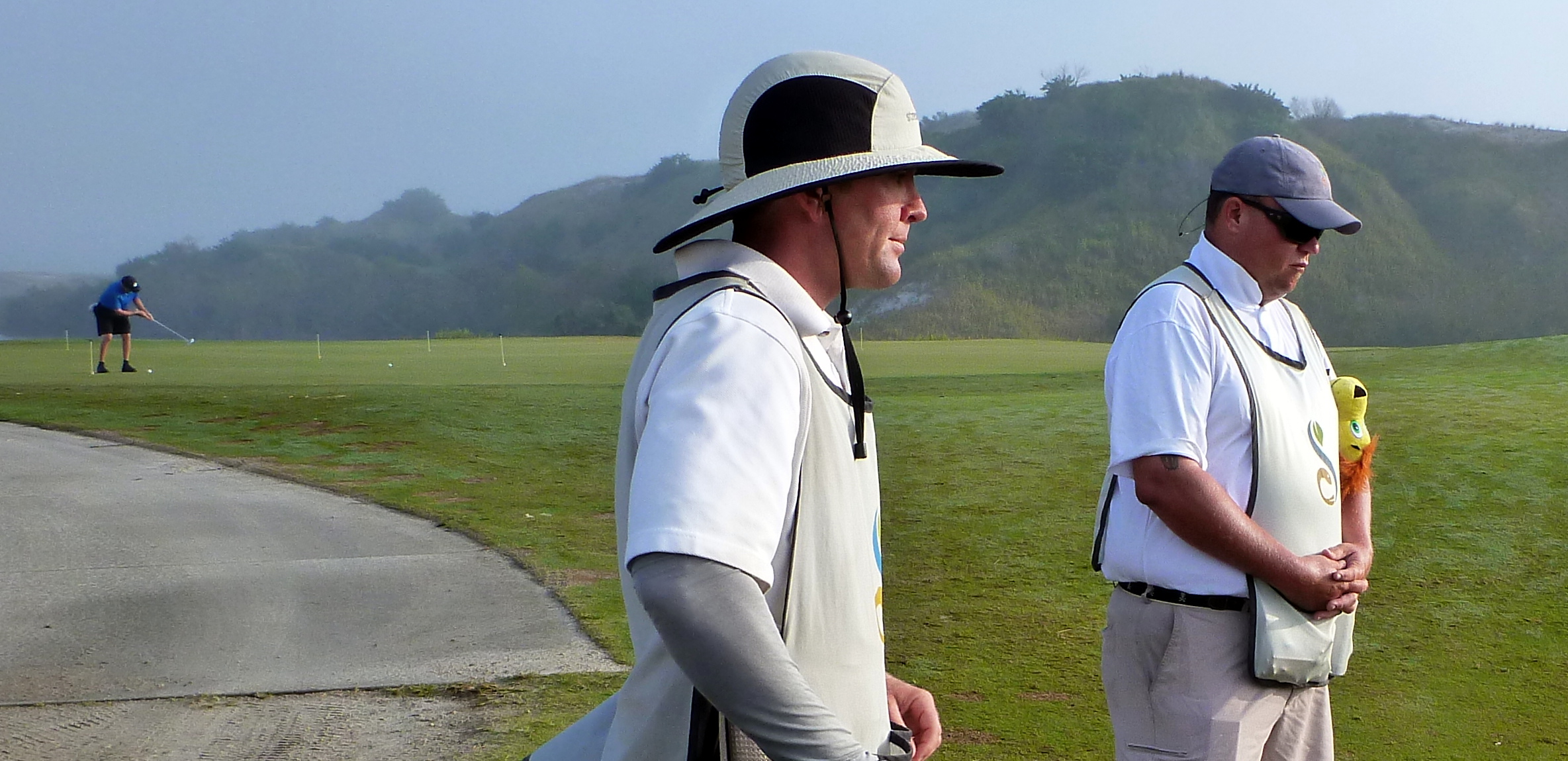
There are a few other sun-hat possibilities. Two years ago, my caddie at Streamsong, in Florida, wore a great-looking sun hat, although I neglected to ask him who had made it or find out whether Streamsong stocked it in the golf shop:

P1140764

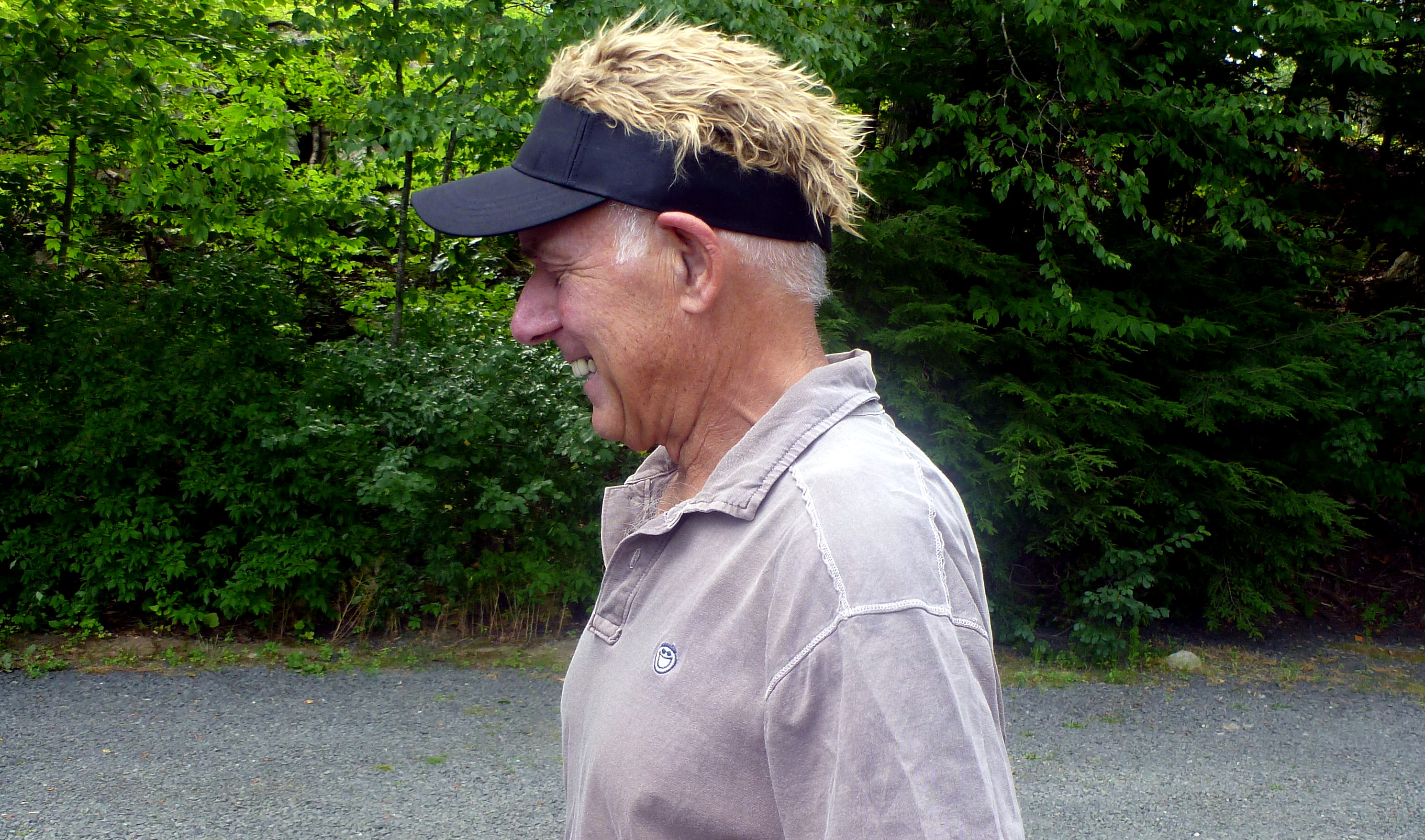
Orvis sells something sort of similar. Or you could buy a hat like the one we just gave Tony, who is about halfway through the process of losing all his real hair to chemotherapy:

p1180955

A Genuine Cure for Stinky Golf Clothes

IMG_3161

If my wife could smell cocaine as readily as she can smell ordinary household odors, she could get a job at a major international airport. She can detect B.O. and mildew at homeopathic concentrations, and she will throw away even favorite clothes of her own if, after washing them with bleach and hanging them in the sun all day, she can still pick up what she calls a “mammalian” scent.

So it was with some trepidation that I asked her to let me have a go at an especially grungy tee shirt and hockey jersey of hers, both of which she was about get rid of. I added some golf clothes that had been lost for a couple of weeks under a pile of stuff in the trunk of my car (including two pairs of socks that were still sort of wet), and washed everything in regular detergent plus half a cup of Febreze In-Wash Odor Eliminator:

IMG_3162.JPG

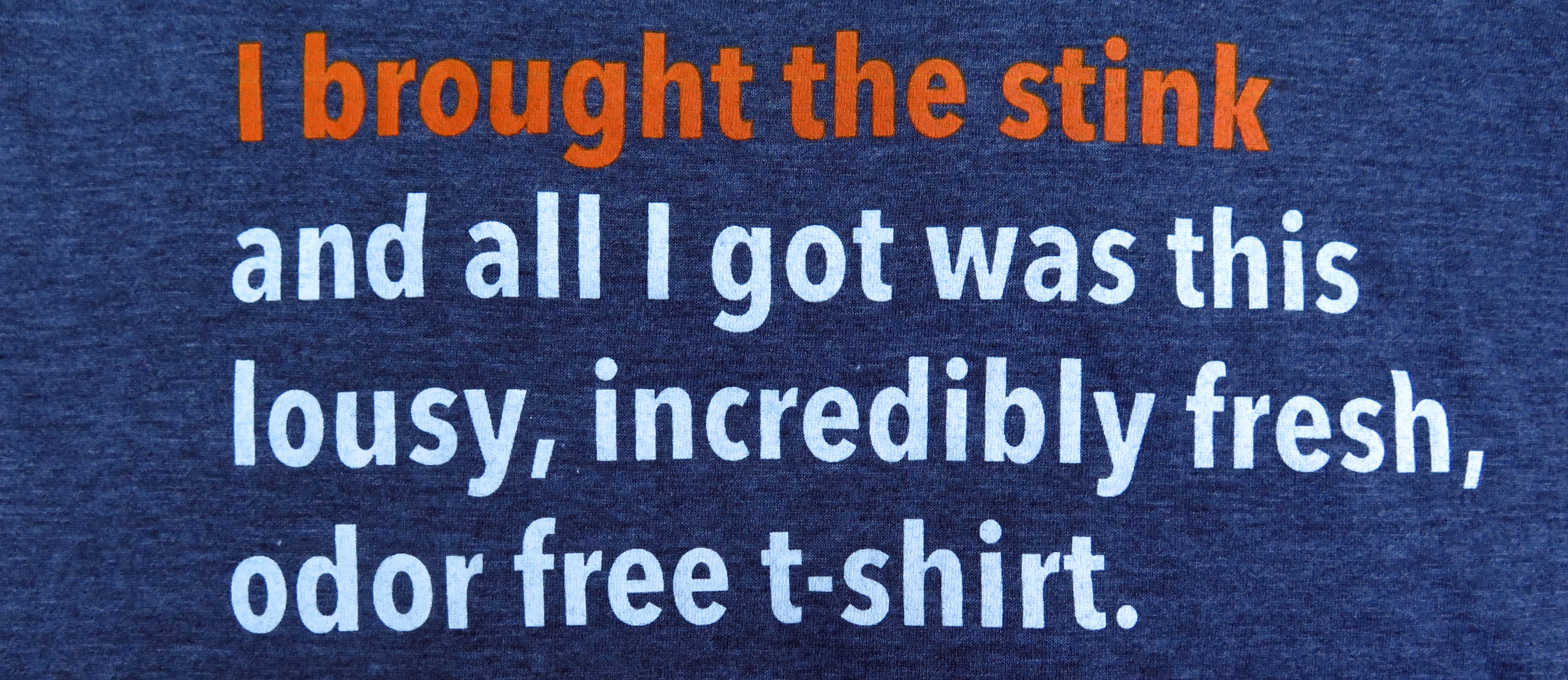
Amazingly, when the load came out of the dryer, all the nasty odors were gone. And it wasn’t just that I couldn’t smell them anymore—my wife couldn’t smell them either. They hadn’t been masked by “fragrance,” because she doesn’t fall for that one. The ingredient that Proctor and Gamble describes on the bottle as “concentrated odor eliminator derived from corn” had made the bad smells go away, and the entire load of wash ended up with an executive reprieve. (It even works on cigar smoke.)

Playing Golf, and Counting Steps, With a Microsoft Band

IMG_1953

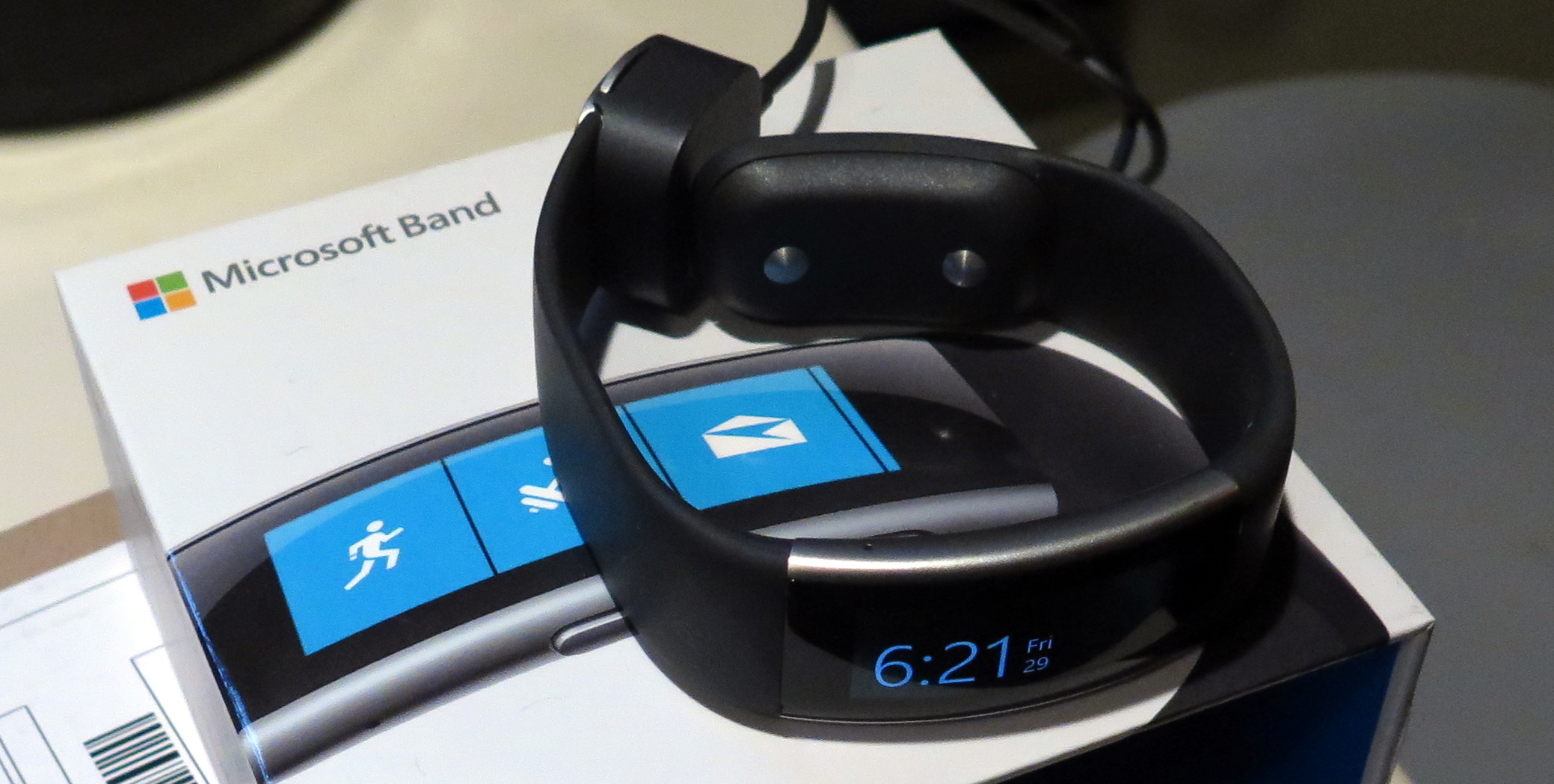
This past spring, eleven friends and I took a week-long golf trip to Ireland. Shortly before we left, Microsoft sent us four Band 2 activity trackers to field-test. Addison, Matt, Peter, and I wore them for the entire trip, then took them home. I’ve worn mine every day since we got back, and the other guys have worn theirs, too. One thing I like about the Band is that it’s sleek and futuristic-looking—a major difference from the Apple Watch, which to me looks like it was designed for preschoolers: My First Wristwatch.

band.jpg

During our Ireland trip, we mainly used our Bands to measure how far we walked. We played 36 holes every day but two, and I was especially interested to know whether longer, wilder hitters (Matt) walked farther than shorter, straighter hitters (me). And they did, by a noticeable amount—although the difference was blurred by the occasional willingness of the shorter, straighter hitters to detour into the dunes to help the longer, wilder hitters look for their ball. Overall, the four of us averaged about 15 miles a day, and roughly 100 miles for the week—a good workout. The longest day was the last (34,250 steps and 17.7 miles during 36 holes at Enniscrone) and the shortest was the fourth (21,336 steps and 11 miles during 18 holes at Connemara plus an afternoon hike along the shore of Lough Inagh).

Lough Inagh. (Photo by Mike Bowman)

Lough Inagh. (Photo by Mike Bowman)

Setting up our Bands was pretty easy. You download a smartphone app called Microsoft Health, and pair the Band to the phone. For some of the Band’s functions—email, messaging, current-weather updates, Cortana—the phone needs to be within Bluetooth distance; for tracking walks, hikes, runs, bike rides, workouts, heartbeats, sleep quality, and so forth it doesn’t.

IMG_2013.JPG

The Band is not waterproof, although it’s something more than water-resistant. I’ve accidentally worn mine in the shower (many times), in the swimming pool (once, for fifteen minutes), in the hot tub (not as often as in the shower, but almost), and in the rain (several times) — and I haven’t destroyed it yet. I’ve gotten better at remembering to take it off, but I do worry that someday I’ll go too far and it will self-destruct, the way my wife’s iPhone did when she dropped it in the toilet. I assume that if there were an economical way to make fancy electronic gadgets fully waterproof they’d all be fully waterproof. If I were in the fitness-tracker business, I’d have a team of geniuses working exclusively on water.
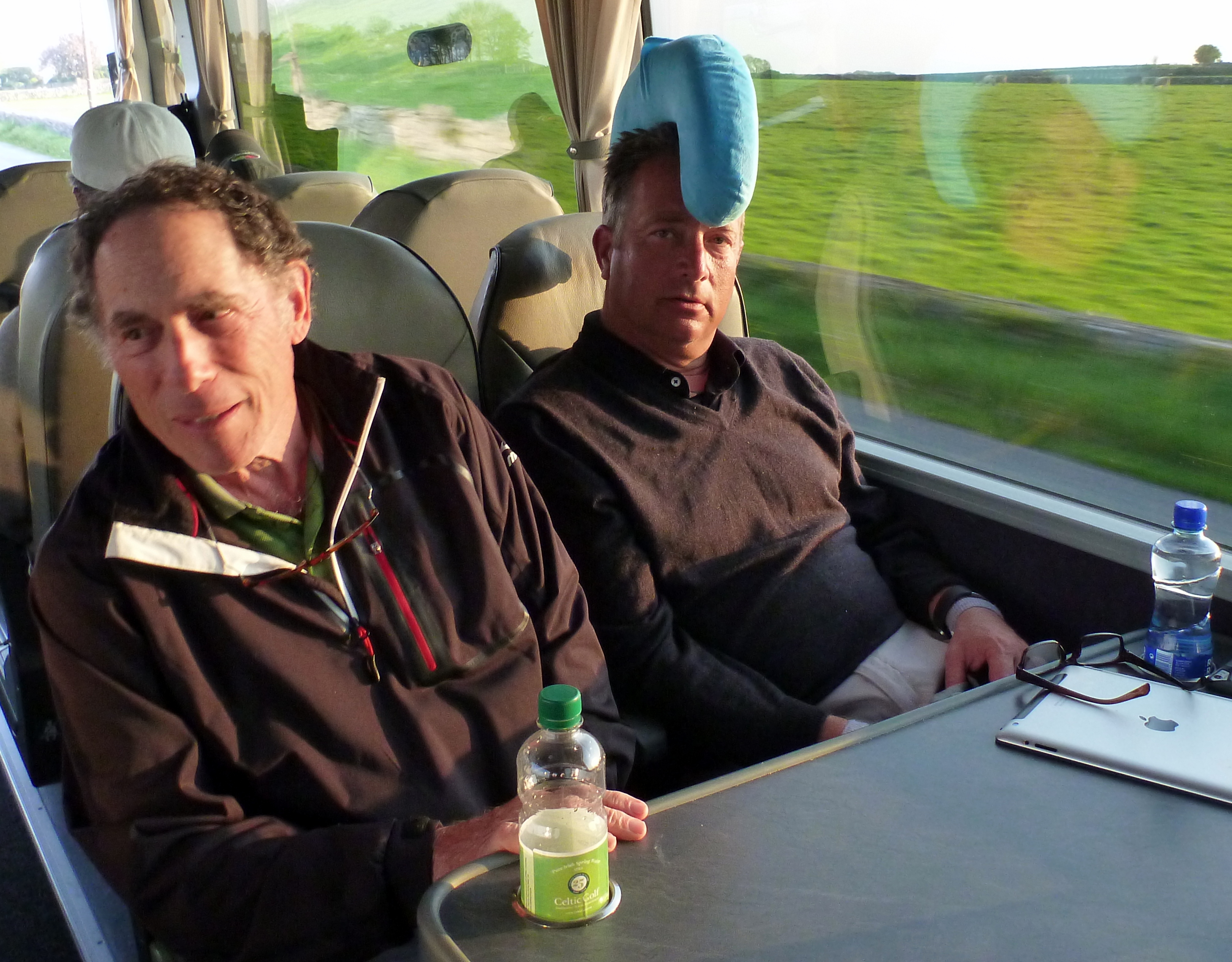
That's Matt on the right. His Band is the thing on his wrist, not his head.

That’s Matt on the right. His Band is the thing on his wrist, not his head.

Microsoft and TaylorMade worked together to create a golf app, which turns a Band into a GPS rangefinder, shot-counter, and golf-related-statistics-compiler. “Stay focused on your game and forget about score tracking,” the website says. “Microsoft Band tracks your shots and measures your performance as you play. Sensors can distinguish between a practice swing and an actual shot.”

IMG_1948.JPG

That’s all true, sort of. I wore my Band during a round at home, before our trip, and was impressed at how good it was at recognizing real golf shots. But it wasn’t perfect. It doesn’t understand about conceded putts, water hazards, out of bounds, provisional balls, or tap-ins, and if you knock away an opponent’s ball it thinks you’ve made a stroke at your own. That means that you can’t actually “forget about score tracking,” because you have to keep count independently, on a scorecard or in your head, and double-check the Band after every hole. Correcting miscounts is easy, but if you have to do all that anyway why bother with the app? The GPS part worked fine, although it was a little slow. Any GPS device pulls hard on a battery—it’s engaged in a two-way conversation with orbiting satellites—so to use it on a 36-hole day you almost certainly need to recharge between rounds. It does recharge quickly—much more quickly than a phone—and if you aren’t using an app that depends on GPS the battery will easily last two days.

P1180312.JPG

GPS is totally worth using with the app that tracks bike rides, since it gives you lots of information, including top speed, average speed, elevation gain and loss, best split, average split, and heart rate. It also superimposes your route on a map, and shows you exactly where you cruised and where you struggled. There are similar features for runners. I’m not one of those, thank goodness, but if I were I could upload Band data to various popular run-tracking utilities, too. The hiking app also maps your route, although if the GPS is in power-saving mode it makes some funny mistakes when it makes educated guesses about your next moves. I used the hiking app on the golf course one day, and it told me later that I had walked into the center of the pond on the fourth hole, then changed my mind and walked back out. But the big picture was correct.

Strandhill Golf Club, 29,730 steps, 15.3 miles.)

Strandhill Golf Club, 29,730 steps, 15.3 miles.)

The Band has some quirks. Like some other fitness trackers I’ve tried, it counts bumps and potholes on the Hutchinson River Parkway as steps (and lots of them); you can keep that from happening by taking it off, or turning it off, when you’re driving on rough roads. If I click on the “run” tile before walking my dog, it credits me with having burned more calories than it does if I leave the Band in standard step-and-heartbeat-tracking mode, even though my route and pace are exactly the same. And the difference is bigger still if I click on the “exercise” tile before taking the same walk, or before playing a round of golf. I assume that when I do those things the Band isn’t suddenly detecting some new and previously unsuspected source of energy expenditure, but is simply applying a different formula to the same small number of detectable variables. It’s a handy feature, though. I like being able to double the health benefit of taking a walk simply by clicking an icon. Look! I just earned an entire pint of Cherry Garcia!

This is the thing we're all trying to delay as long as possible (alongside the first fairway at Ballybunion, 32,282 steps, 15.6 miles)

This is the thing we’re all trying to delay as long as possible (alongside the first fairway at Ballybunion, 32,282 steps, 15.6 miles)

In lots of ways, I’m a non-ideal user of a sophisticated gadget like a Microsoft Band. I don’t want my wrist to tell me I’ve just received an email, a text message, or a smartphone notification, or to connect me to Facebook and Twitter—all chores that the Band is able to perform but that I don’t allow even my phone to handle. I don’t want to track my sleep every night (although I did do it twice, and was interested in the results, especially my “resting heart rate”). I don’t want to monitor my weight, and not only because I recently decided that from now on I’m going to weigh myself only twice a year, if that. I don’t care how many calories my activities supposedly burn, except as a rough approximation of how busy I was being, because I don’t think anyone really knows what the numbers mean. But all the potential annoyances are easy to turn off, or not to turn on on the first place, or to ignore. And there are many people who truly do love stuff like that.

band explode.png

I do like counting my steps and knowing how many miles I walk when I play golf or walk my dog, and I like the cycling app, and I like to be able to check the local temperature and forecast by glancing at my wrist. I also like the small but surprisingly effective nudge the Band gives me throughout the day. You can even have it remind you to get off your butt if you’ve been motionless for too long. Quantifying even ordinary activities can inspire you to be more active, especially if you like to compete against people who are easy to beat, such as yourself. If I notice that I’m a couple of thousand steps short of some big round number, I’ll grab the leash. And that’s good for the dog as well as for me.

I Used My Awesome New Laser Rangefinder to Watch a Chipmunk Eating a Mouse

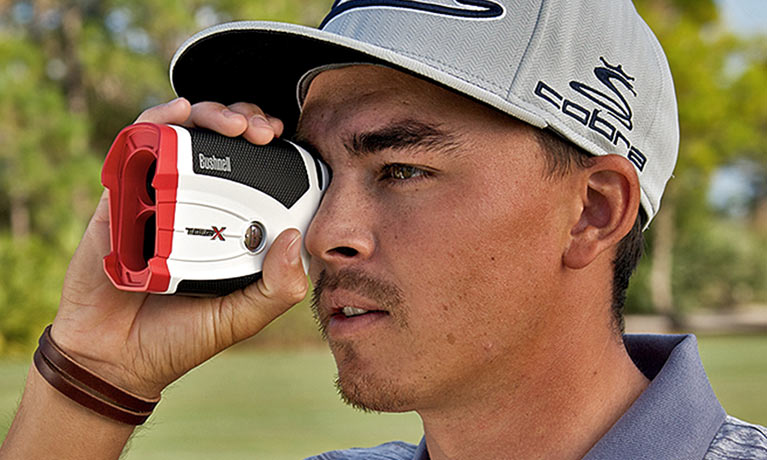
had an issue with the rubber eyepiece on my previous laser rangefinder. But my current rangefinder, a Bushnell Tour X, is great. It’s the same one Rickie Fowler uses:

tourx rickie fowler

It’s accurate and fast, it’s easy to focus, and the eyepiece is firmly attached. I can set the LED display to either black or red—a useful feature as light conditions change:

tourx modes.jpg

It gives my hand a satisfying “jolt” of haptic feedback when it locks onto a flagstick. And the battery life is seemingly measured in years. That fact alone makes it better than any GPS rangefinder, in my opinion. The Tour X comes with a hard zippered case that attaches to a golf bag and works pretty well, between shots, as a rangefinder holster:

P1170796.JPG

The Tour X is little too big to fit easily into my pants pocket—the only negative I can think of. I usually carry it in the compartment in the handle of my push cart, into which it just fits:

P1170632.JPG

The Tour X has a slope-reading feature. When you aim it at a target that’s higher or lower than you are and shoot the yardage, it tells you how much the change in elevation increases or decreases the effective distance. You can’t legally use that feature (or use a rangefinder that has that feature) in events that allow rangefinders. But you can disable it, making the Tour X legal, by changing the face plate. The red one turns the slope feature on; the black one turns it off:

tourx-w-face-plates.png

I’d always thought that measuring slope was kind of dorky, but my friend Ray, whose handicap is 3, told me that it’s actually very helpful. He uses during practice rounds, and says it’s quite accurate:

P1180803.JPG

Just remember to switch face plates before you play in a tournament. Ray forgot to do that before our Professional’s Cup, and he had to disqualify himself.

A Tour X is also useful for looking at stuff that’s too far away to see clearly with just your eyes. I’ve used mine to identify birds and distant golfers whose swings I didn’t recognize, and the other day I used it to get a closer look at a chipmunk that was sitting on a stone wall near our practice green and doing something I’d never seen a chipmunk doing before: eating a mouse:

P1180784.JPG

My Favorite Golf Shoes Keep Breaking My Heart

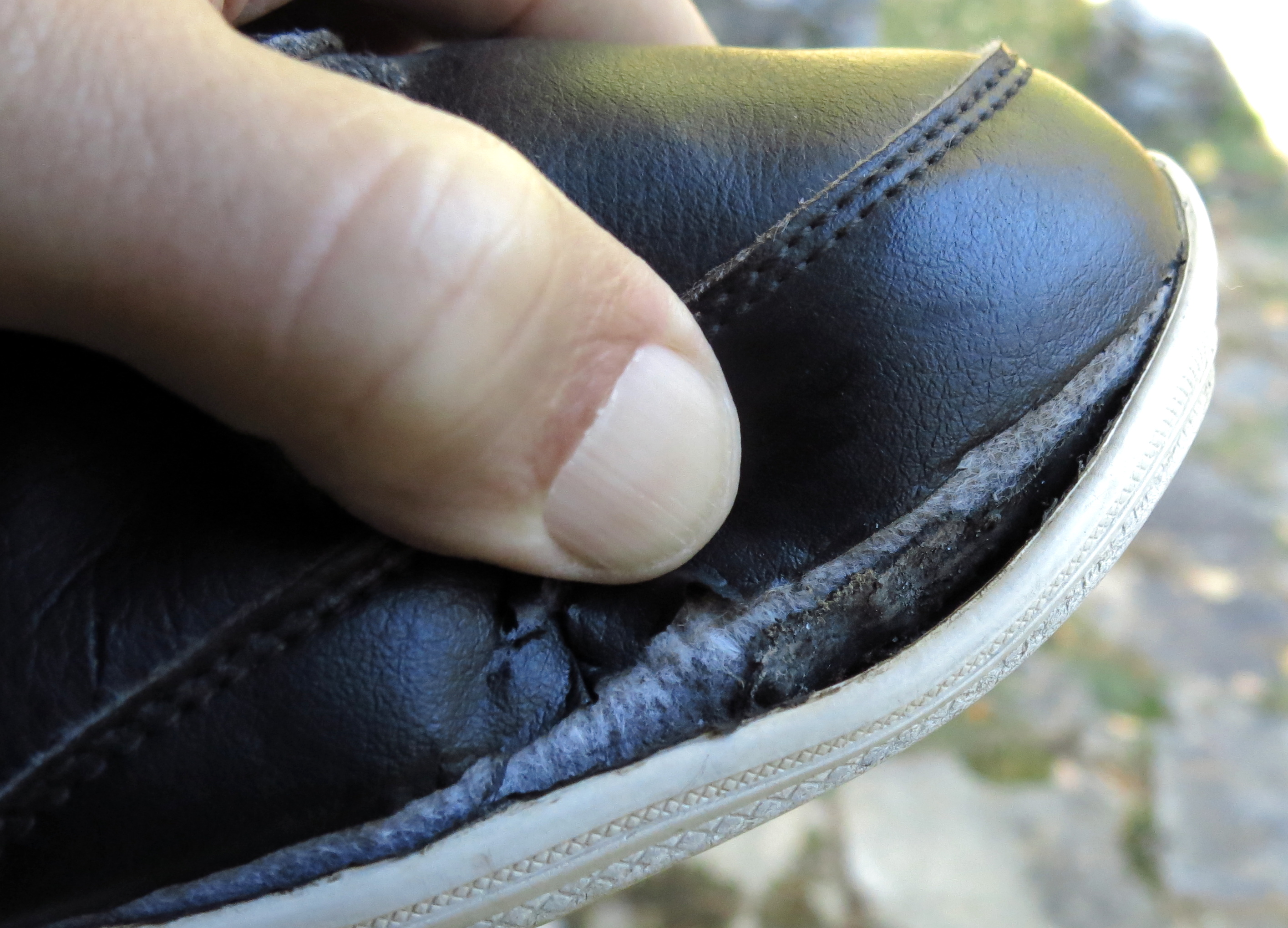
In 2011, I became an enthusiastic unpaid shill for True Linkswear golf shoes, the most comfortable golf shoes I’ve ever worn. I now own more than a dozen pairs, and I wear them even when I’m not playing golf, and many of my friends have switched to them, too. Last October, though, my most recent pair, called True Motion, basically came apart during the Sunday Morning Group’s annual buddies trip to Atlantic City:

IMG_1370

After I wrote about those shoes, I heard from a reader who had had the same problem:

image1

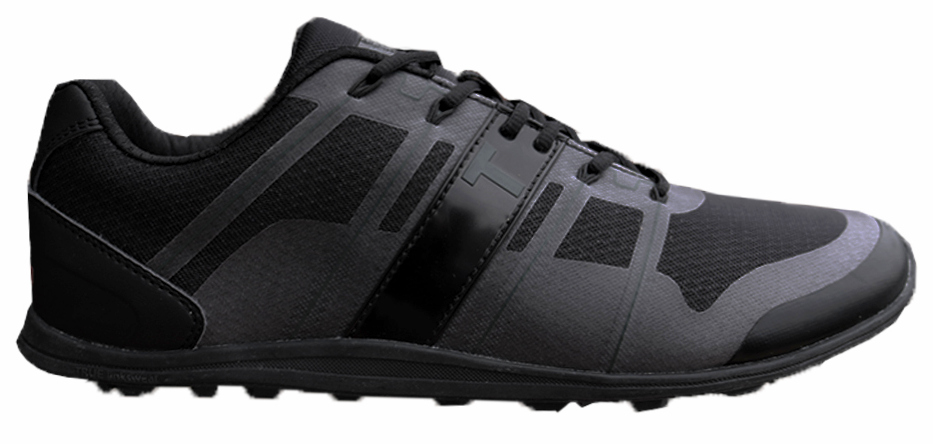
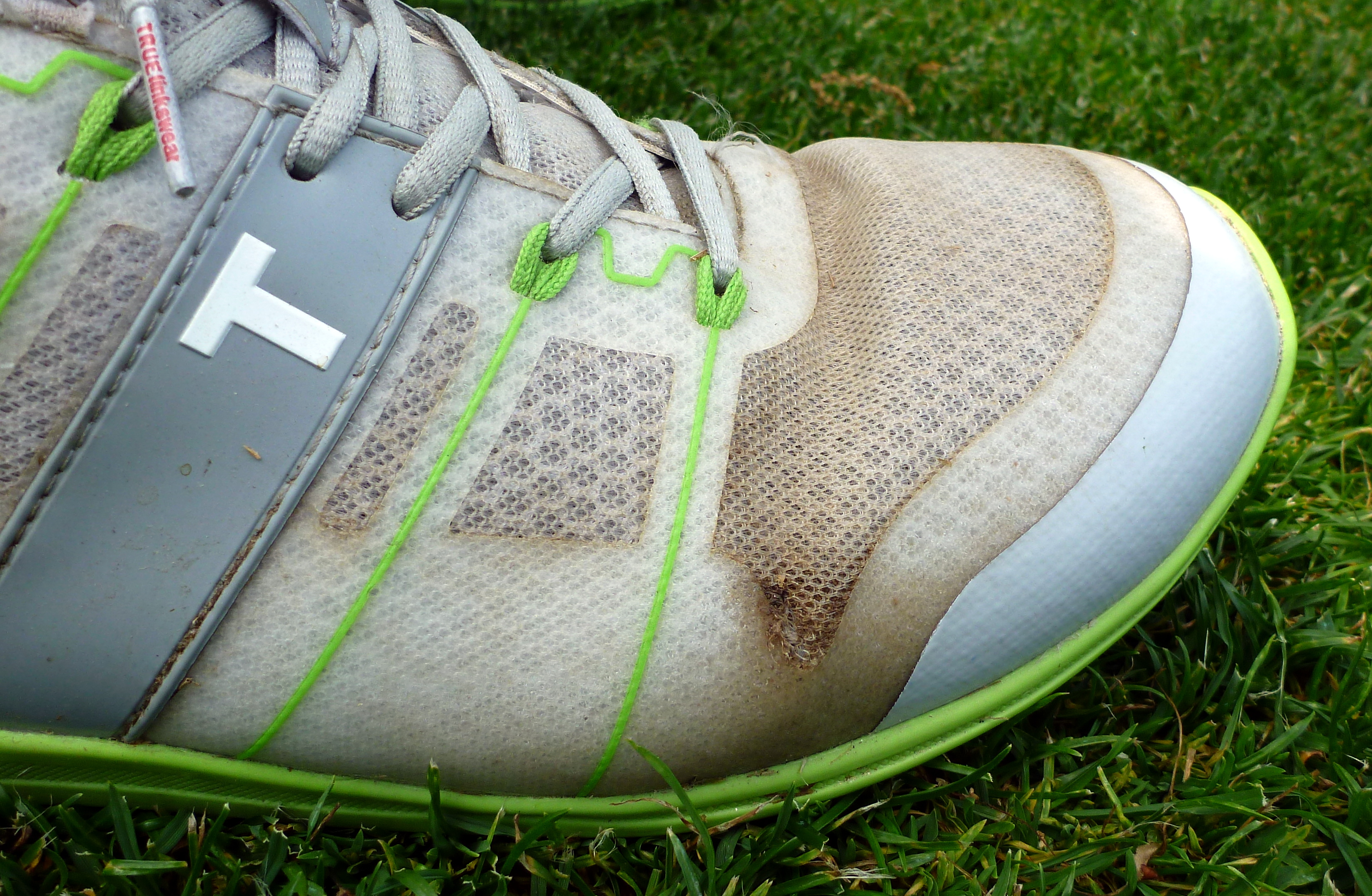
I also heard from a vice president at True Linkswear, who acknowledged that the company had had “past issues” with quality, but said that it had made “a significant switch in factories” and that the next model, called True Elements, would not only correct those issues but would also be “our first breathable & waterproof shoe” and would represent “a remarkable design and construction method” that had been subjected to “rigorous testing standards.” I bought a pair in March, as soon as I could find them online, and wore them several times to make sure they truly were waterproof—as I wrote here:

true-elements

They passed that test beautifully, so I bought a second pair of Elements and put both pairs away, the newer one still in its box, to keep them pristine for an upcoming buddies trip to Ireland, in early May. And here they are at Ballybunion:

20160505-IMG_3203

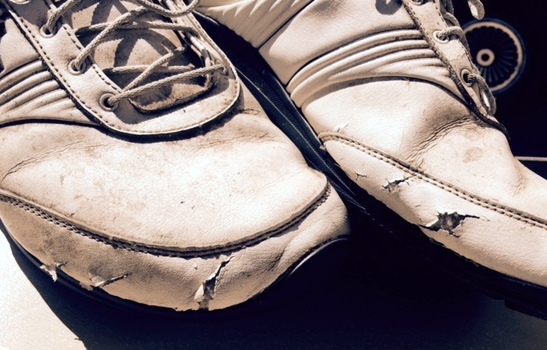
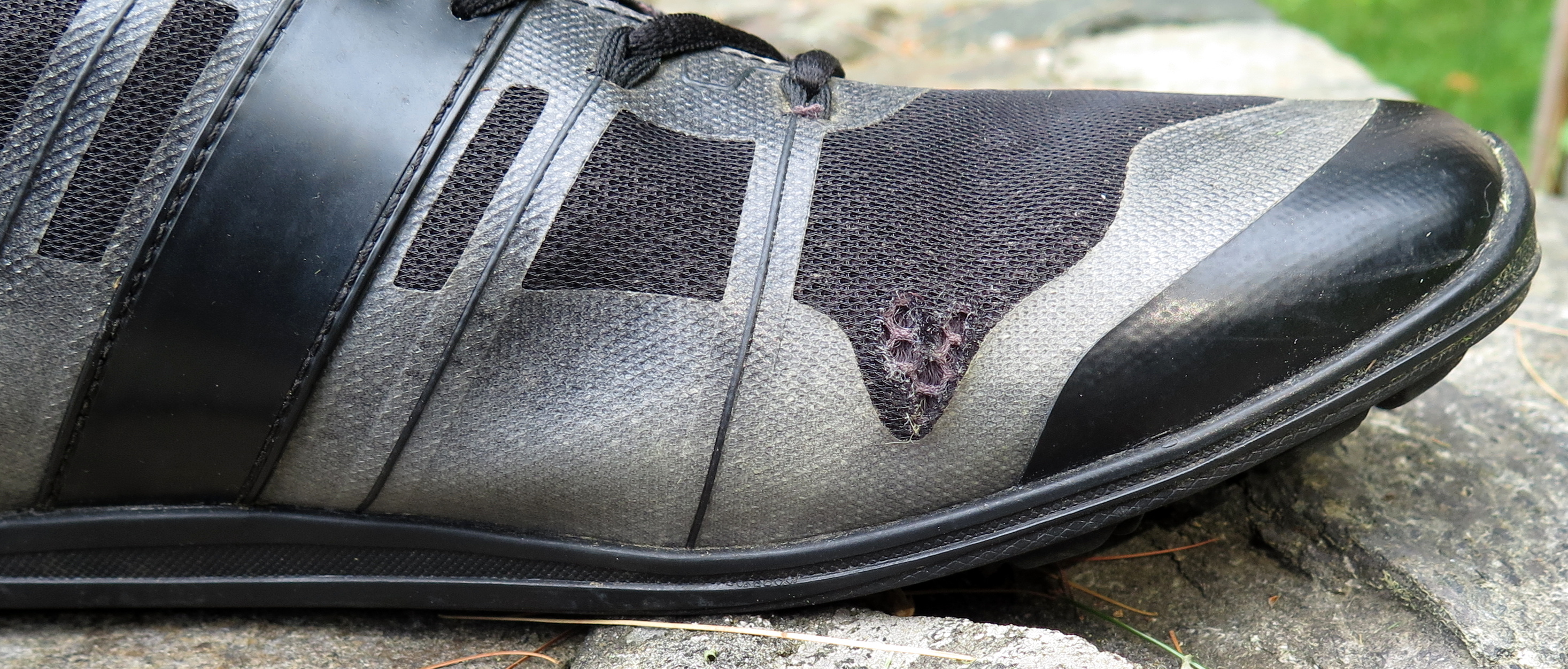
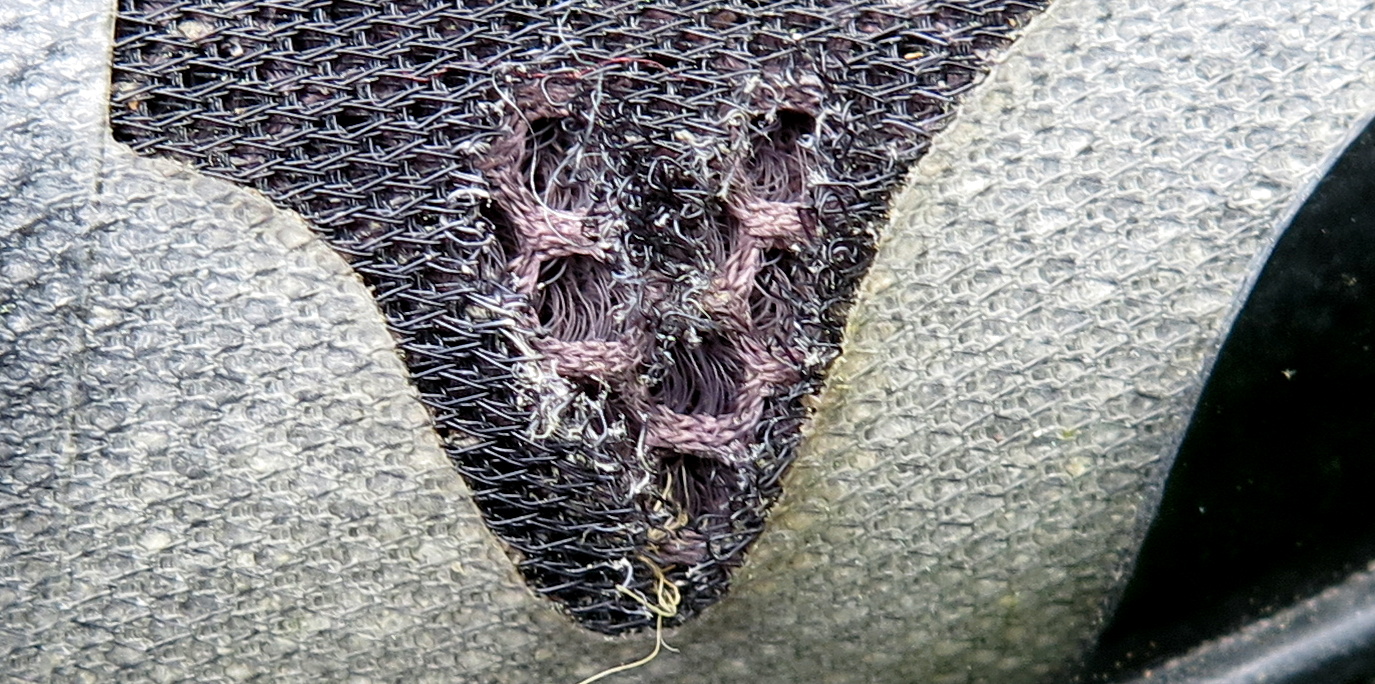
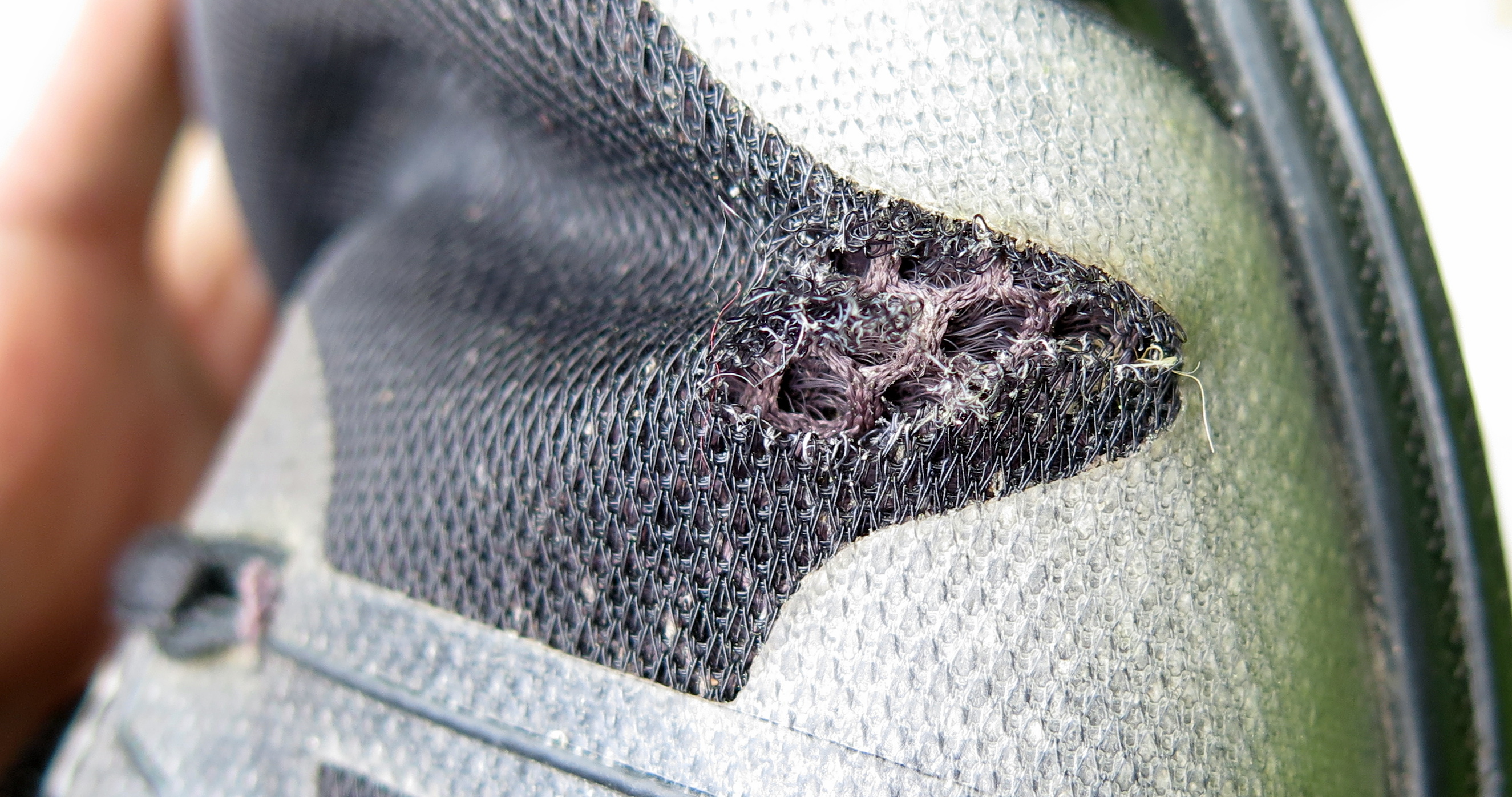
They were the only shoes I took with me on that trip, and they performed beautifully—with one big exception: before the trip was over, both pairs had developed serious holes in their fabric covering at the points where the shoe bends during walking, on either side of the ball of the foot:

IMG_2545

I don’t think the holes penetrate the waterproof lining. But they’re big, and every time I wear the shoes they get bigger. That V-shaped dip in the outermost layer seems to act like a tiny pair of scissors:

IMG_2538

I wore the newer of my two pairs of Elements only twice on the trip—and I hadn’t worn them before, and I’ve worn them only once since. But one of those shoes already has small holes on both sides, after just a few rounds. Tim D. also took Elements on our Ireland trip, and his shoes have the same kind of holes in the same places:

P1180704

Now, we played two rounds a day, on foot, on up-and-down terrain—but shouldn’t any pair of golf shoes be tough enough to survive a week in Ireland?

IMG_2541

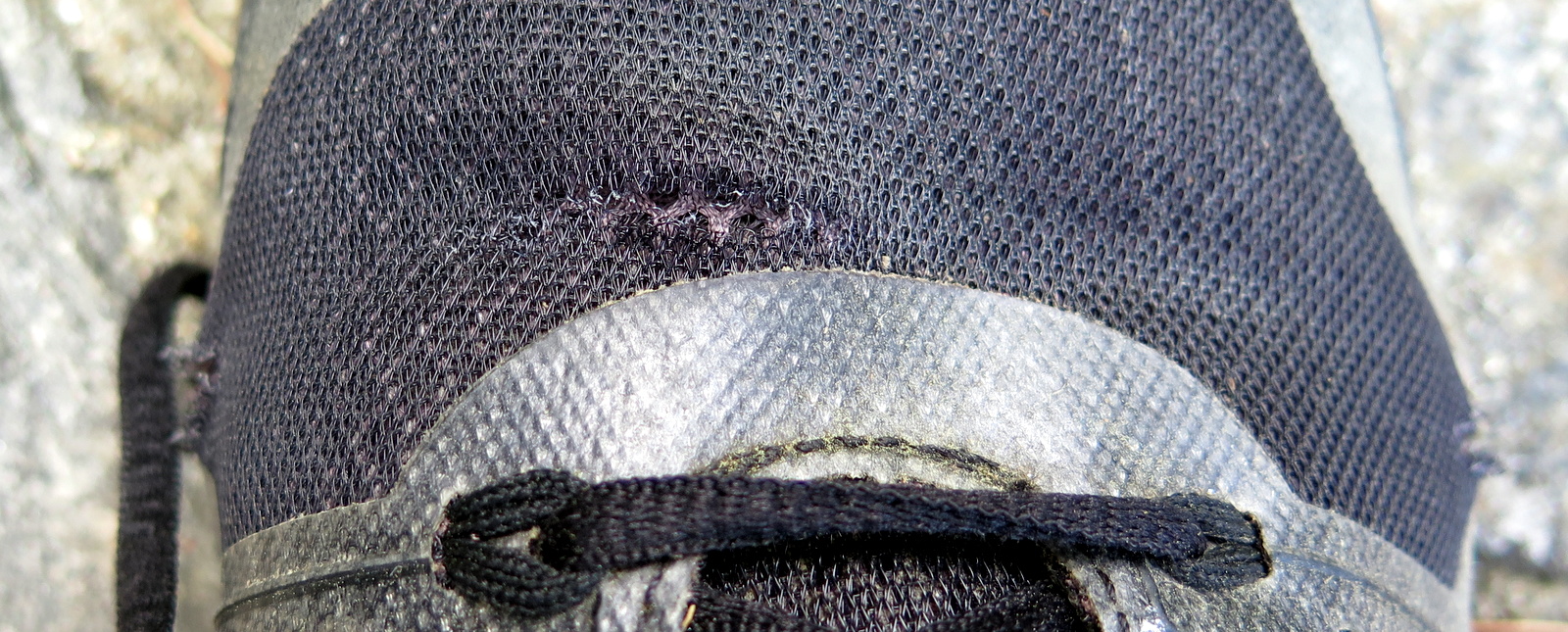
And not long after we got back from Ireland my shoes’ self-destruction opened up a new front, on the vamp, just below the laces:

IMG_2559

I sent two emails to the vice president who had told me about the company’s new manufacturing standards, but I haven’t heard back. Maybe I’ll hear from him now. But whether I do or not I’ve bought my last pair of Trues.

For Father’s Day: How About a $135 Golf Glove?

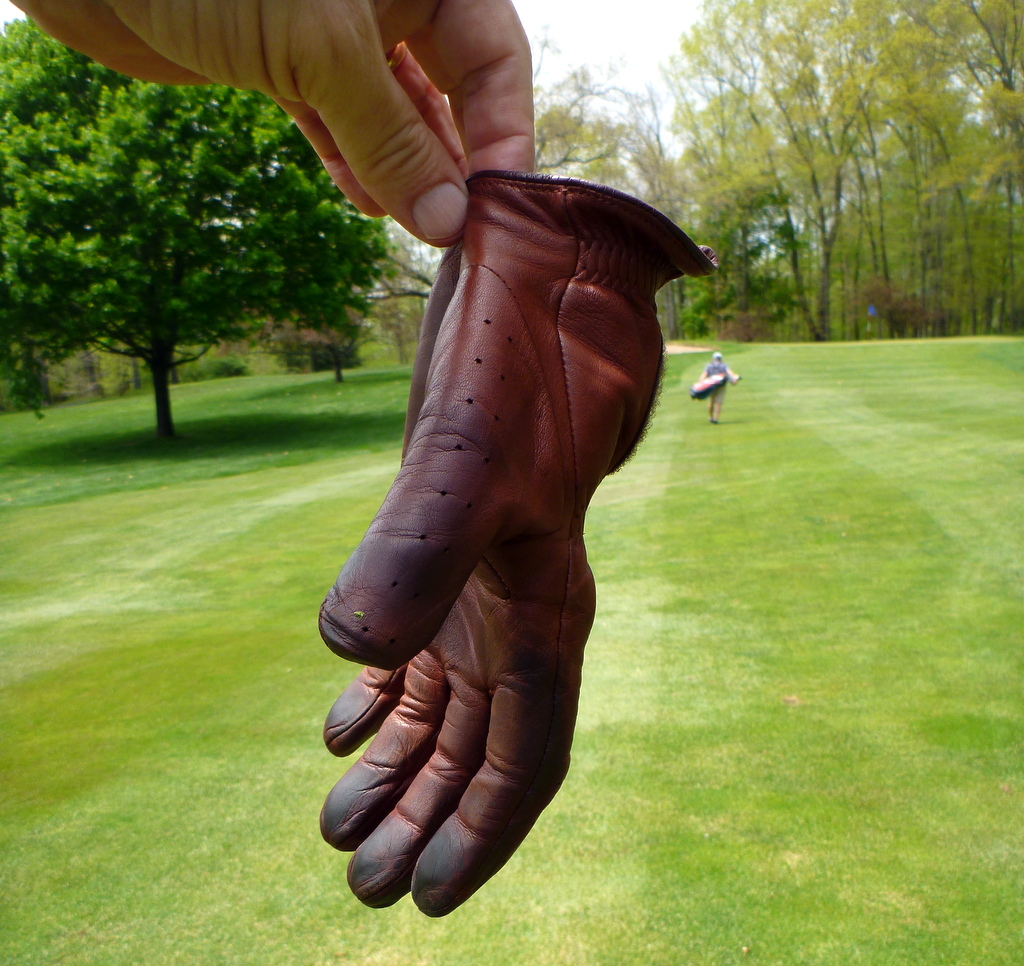
I hate Father’s Day, for reasons I won’t enumerate. (If you’re curious, go here.) So it makes sense to me that people who insist on celebrating it should have to pay up. That’s just one reason you might want to start dropping hints that the one gift you’re really interested in this year is a $135 golf glove:

P1170850

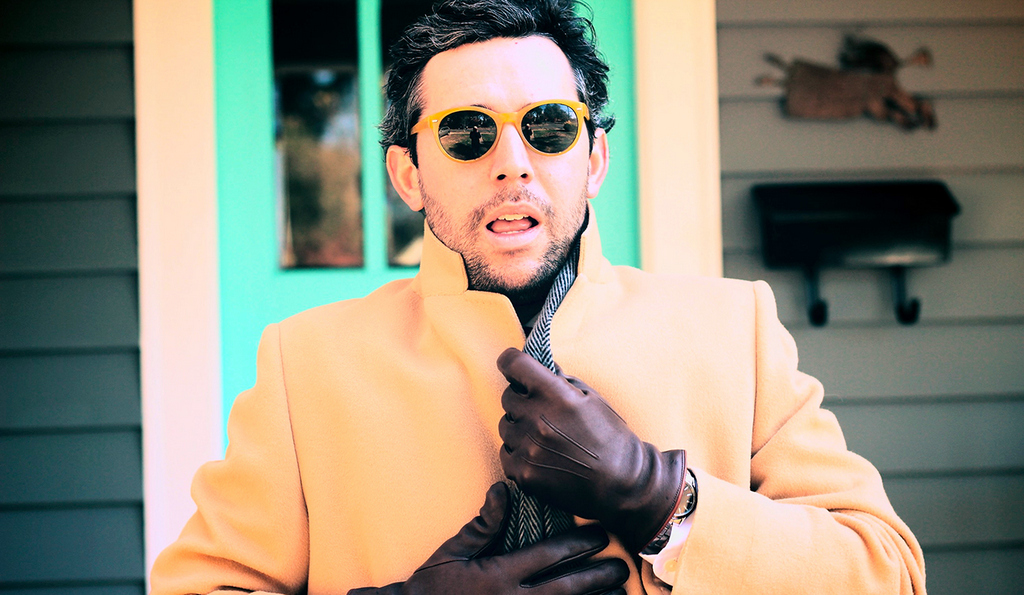
Mine was given to me not by my children—who know they aren’t allowed even to mention Father’s Day—but by Pat Morrell, the founder of FitzGerald Morrell, a company sells custom-made leather gloves for a variety of activities, among them golf. “Just ask yourself how many golf gloves you’ve had to buy at the pro shop because your old pseudo-leather glove tore in the thumb or became brittle and flaky in the palm or in between your fingers,” he has explained. “You can buy custom clubs, custom balls, custom shirts, pants and shoes… but you can’t buy custom golf gloves. Until now.” Here’s Morrell himself, wearing some of his (non-golf) products:

Pat-Morrell-Fitzgerald-gloves

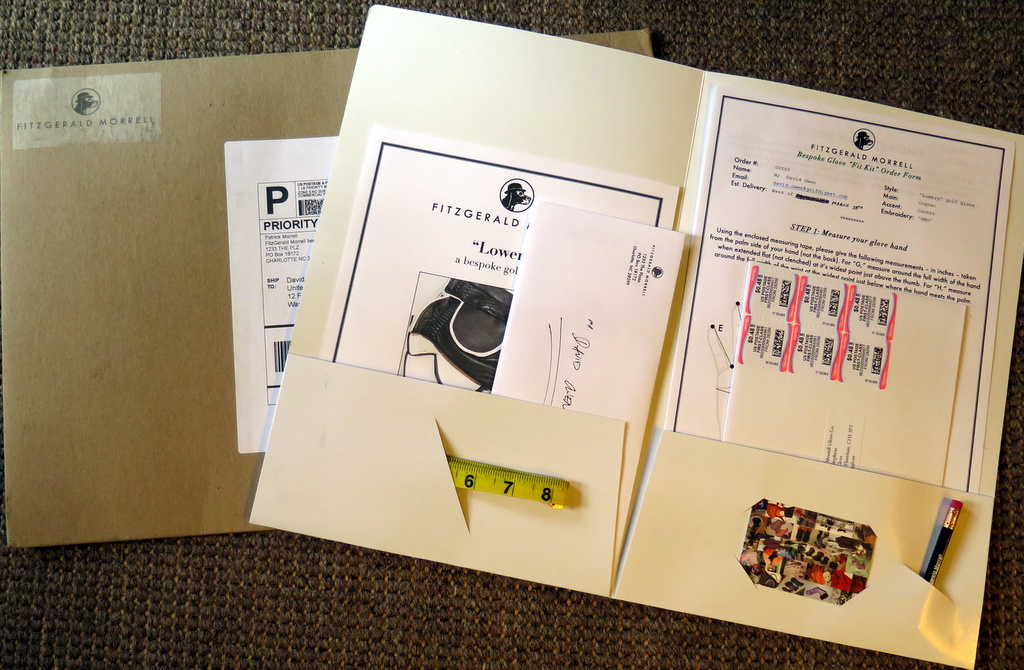
Morrell sent me a sizing kit, including a hand diagram, a measuring tape, and a pencil:

IMG_1274

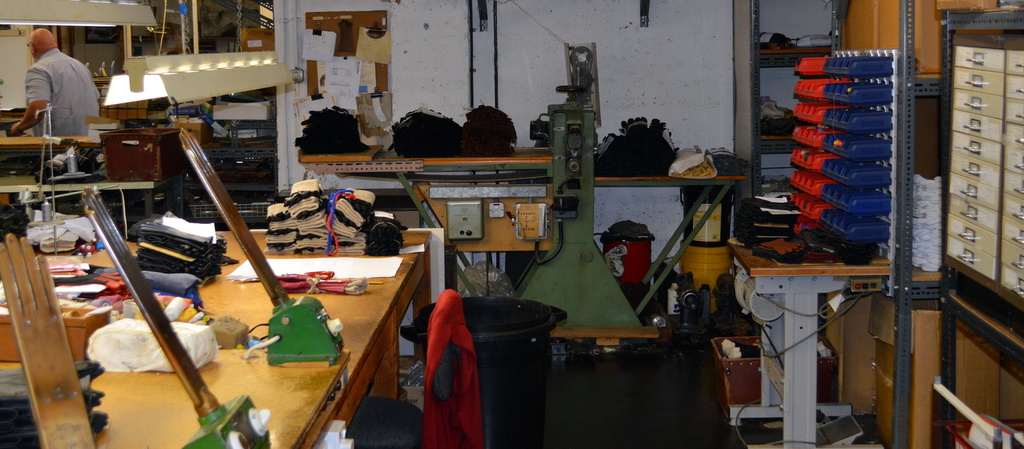
After I’d traced my hand, kindergarten-style, I used an enclosed postage-paid envelop to send everything off to a shop in England—which looks pretty much exactly the way you’d guess it would:

glove shop

There, various craftsmen used various old-looking tools to create a glove to my precise specifications:

golfcutting forms

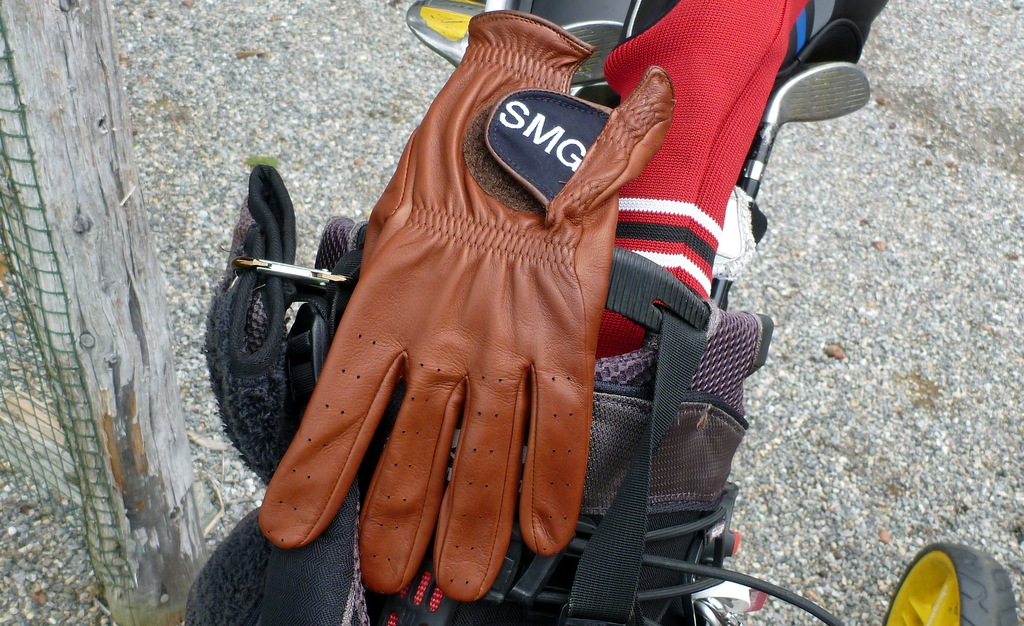
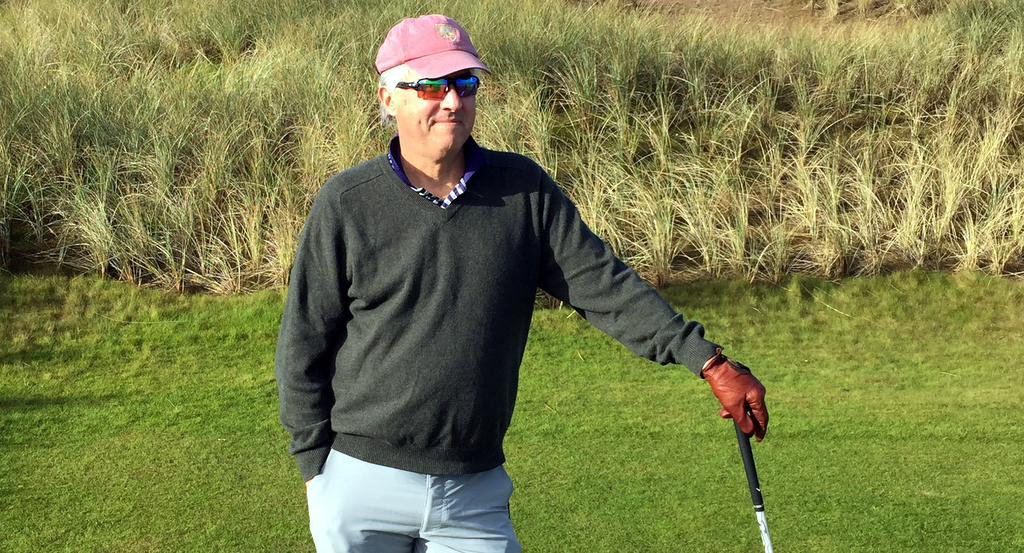
They also added the monogram of the Sunday Morning Group, recognized the world over as a symbol of quality and trust. I’ve now used my $135 golf glove exclusively for a couple of months (except when it was raining), including a dozen rounds on a recent golf trip to Ireland:

20160505-IMG_3203

Gradually, it has acquired a fine patina, like a beloved fielder’s mitt. It has also fully conformed to my anatomy—so much so that, if I ever lose my left hand in an industrial accident, the glove could serve as a mold for a replacement:

P1180566

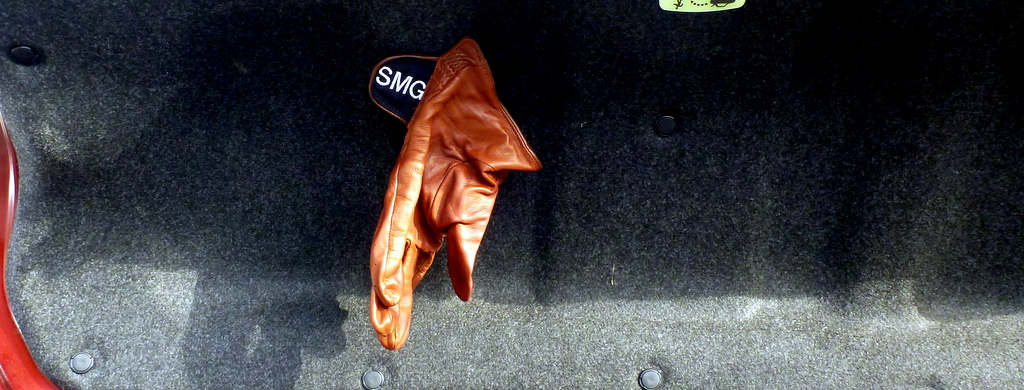
I’ve identified just a few drawbacks. One is that, if you want to be sure all your friends understand that you are wearing a $135 golf glove, you have to refer to it as “my $135 golf glove.” Another is that the leather is so substantial that the glove is not pleasant to wear when the temperature and relative humidity are high. A third is that, if you are accustomed to losing your golf glove two or three times a round, you have to constantly watch your back:

20160505-IMG_3226-001

I’ve taken to wearing it while I’m putting—like Nicklaus—to reduce my opportunities for losing it, and so far, with occasional help from friends, I’ve been successful. I’ve also been able to tidy up the trunk of my car. It used to look like this:

glovelid.JPG

It now looks like this:

P1170860

Why, it paid for itself right there.

Ideal Sunglasses for Golfers — Including Golfers Who Need Glasses

IMG_1375

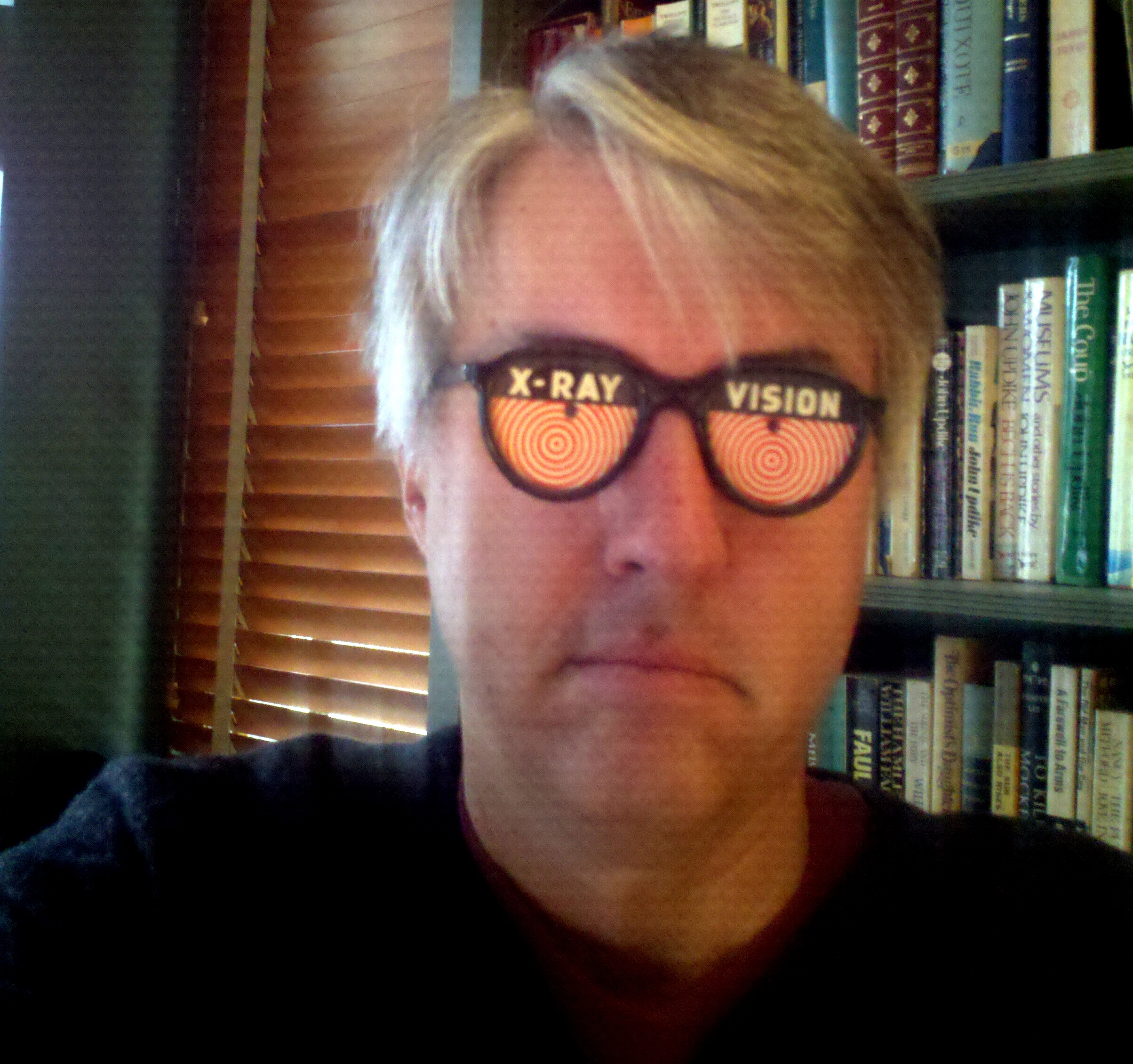
My wife got glasses in second grade. On the first day she wore them to school, she looked out the window of her classroom and shouted, “I can see inside that truck!” and a boy sitting next to her, deeply impressed, asked, “Did they give you X ray vision?”

All she had meant was that the vehicles on the street in front of the school no longer looked like fuzzy moving blobs—but that was still a big deal. I had a similar experience when I got my own first glasses, in fifth grade, and discovered that trees had individually discernible leaves.

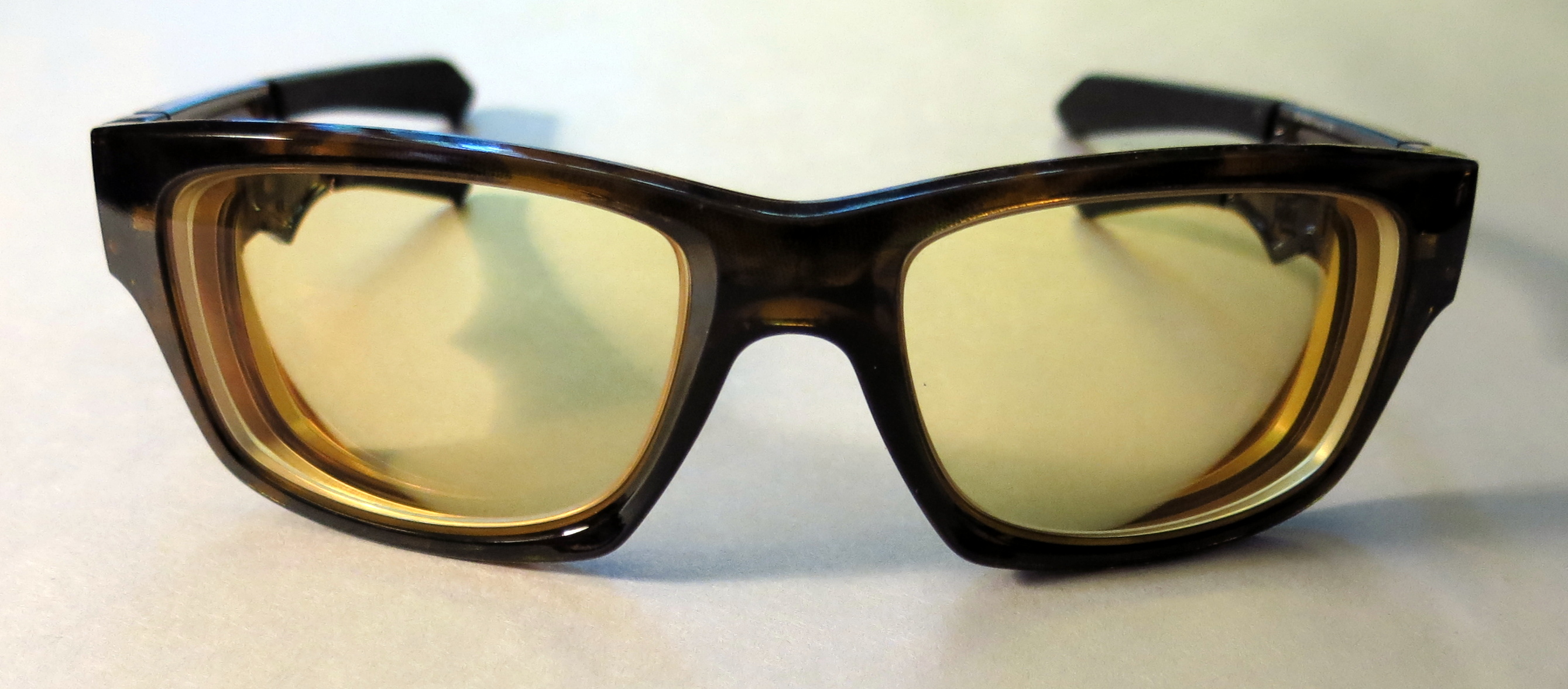
My father used to say that he liked playing golf in his trifocals because on every shot he could choose from among three balls. For most golfers, though, glasses are problematic. I’m so nearsighted that I have trouble finding my glasses if I’m not wearing them, and until recently that meant that I was out of luck when it came to playing golf in the kinds of cool-looking sunglasses that tour players wear upside down on the back of their hat. But not anymore. A couple of years ago, Rob Tavakoli, an optician and vice president at SportRX, sent me a pair of Nike glasses with photochromic lenses designed specifically for golf. Here I am wearing them while getting a lesson from David Leadbetter:

Owen Leadbetter.jpg

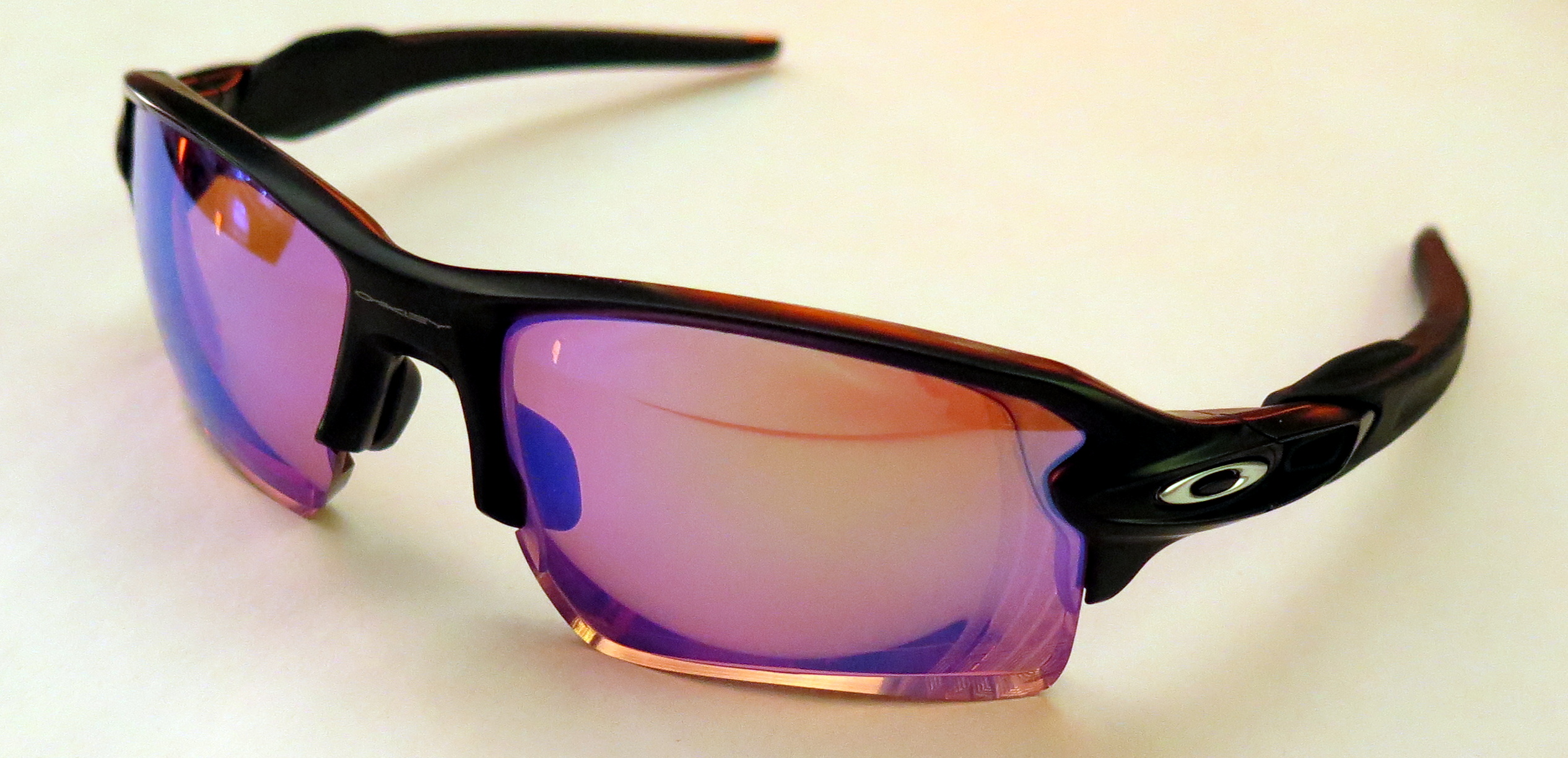
Tavakoli also sent me a pair of Oakley sunglasses with lenses optimized for playing golf in low light. Putting them on makes a darkening golf course look brighter, for reasons I don’t exactly understand:

IMG_1520

I immediately moved both pairs into my golf bag. Here’s Tavakoli himself:

Tavakoli lenses

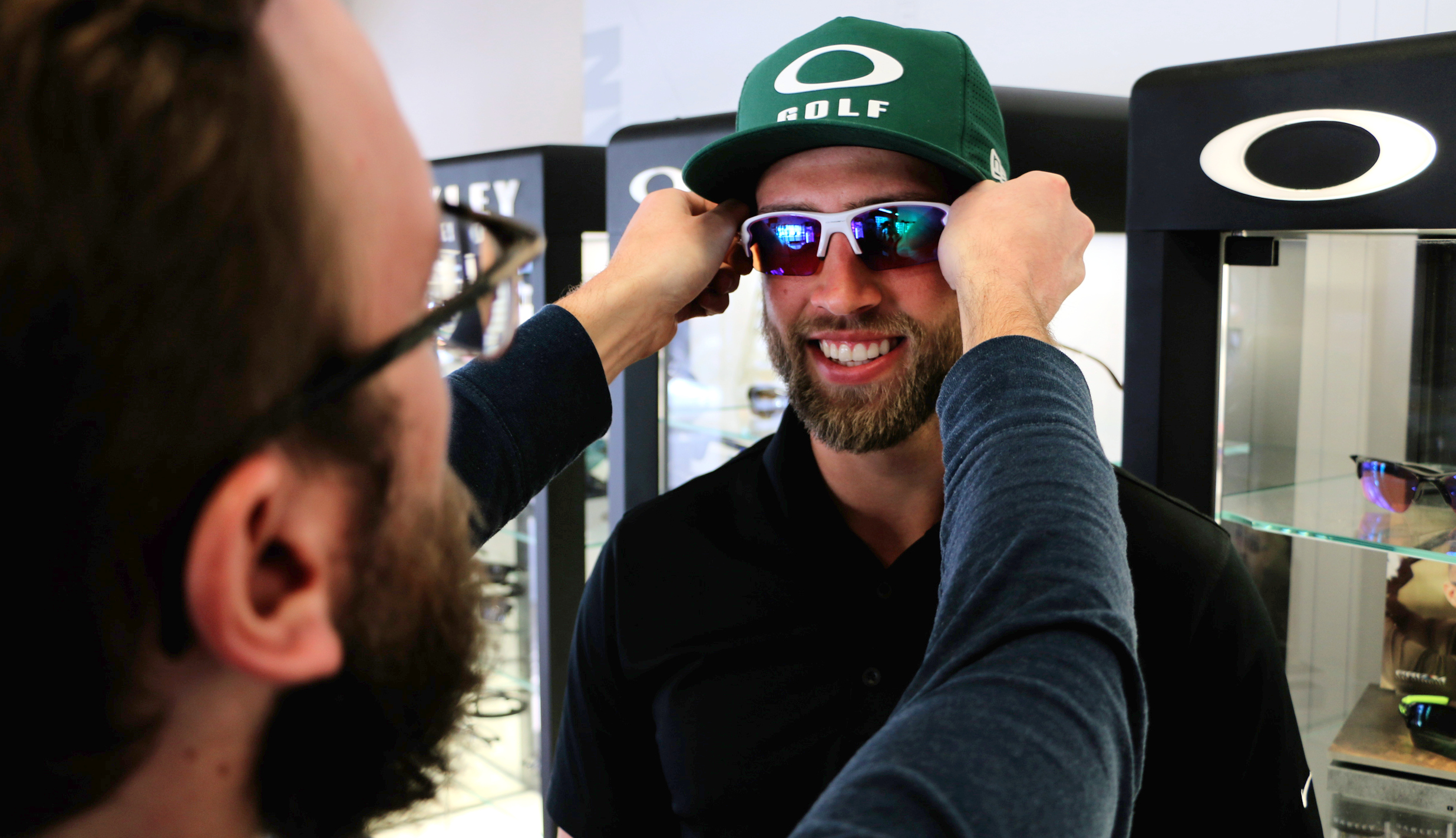
Two of Tavakoli’s specialties are sport-specific glasses and sport-specific glasses for people with strong prescriptions, like me. (SportRX employs a technician who specializes in high corrections—a rarity for companies that sell sports glasses, because getting everything right can be complicated and time-consuming.) Tavakoli is a useful person to consult in such matters, because he really, really, really loves glasses. When he was 12, he fudged an eye test so that his ophthalmologist would write him a prescription he didn’t need, and when he was 17 he developed an obsession with sunglasses which he retains to this day, two decades later.
SportRx-Oakley-Fitting

Last month, Tavakoli sent me sent me a third pair of golf-optimized sunglasses, and told me that they take advantage of two recent innovations from the optical engineers at Oakley. They’re just like the ones in the photos above and below, but with black frames.

SportRx-Oakley-Flak-2.0-XL

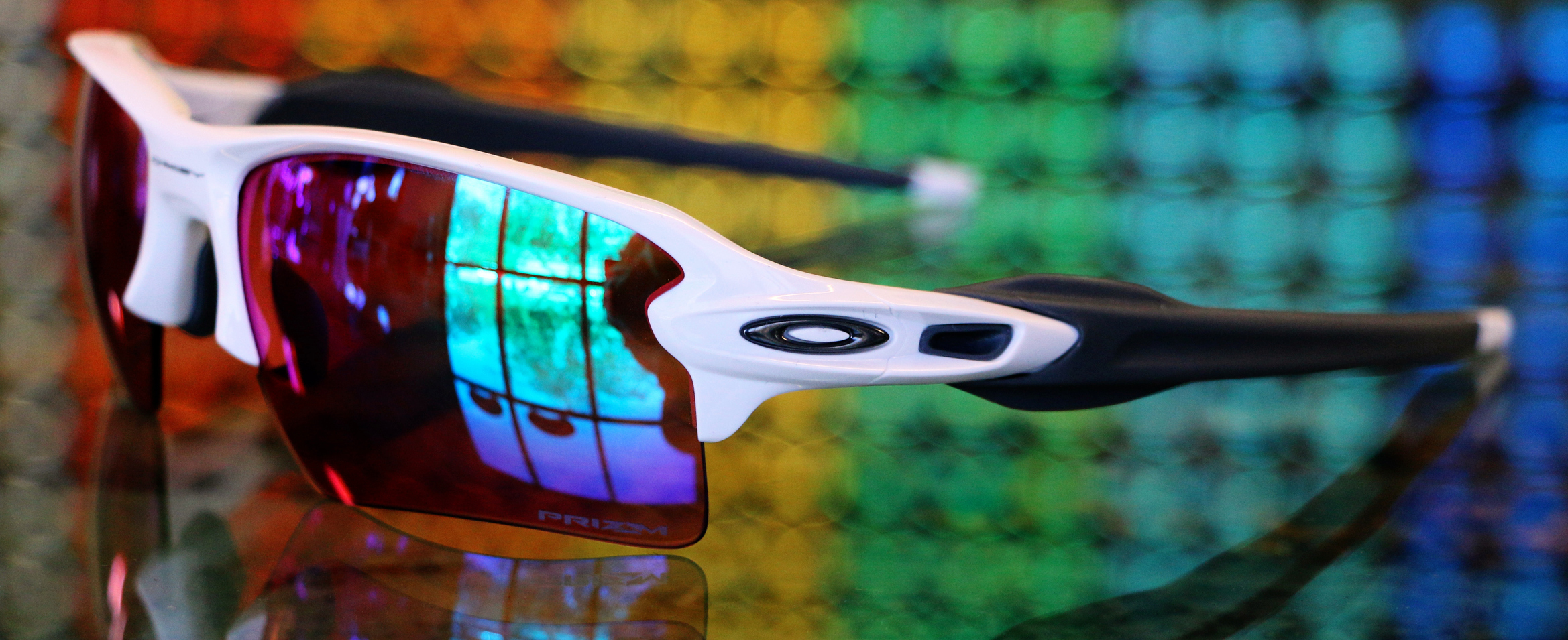
The first innovation is a technology called Prizm, which Oakley introduced in ski goggles a couple of years ago and in prescription glasses about a year ago. “When Prizm first came out,” Tavakoli told me, “I got emotional every time I tried to talk about it. Oakley has figured out, for each sport, which colors of light need to be highlighted and which need to be muted. So for golf you get this extra contrast, this extra pop, but at the same time the lenses are taking out glare and brightness. To me, it’s almost like they put a computer chip in the glasses.” The level of specificity is remarkable: for baseball, Oakley makes different lenses for infielders and outfielders. Ditto for people who fish in shallow water and people who fish in deep water. Here’s a video explanation:

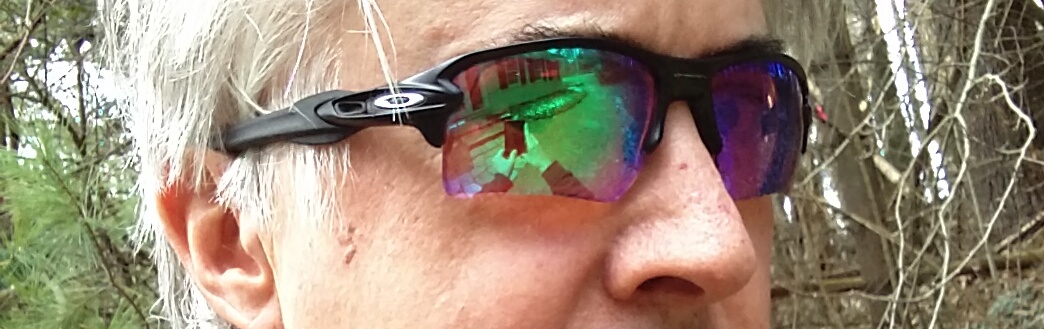
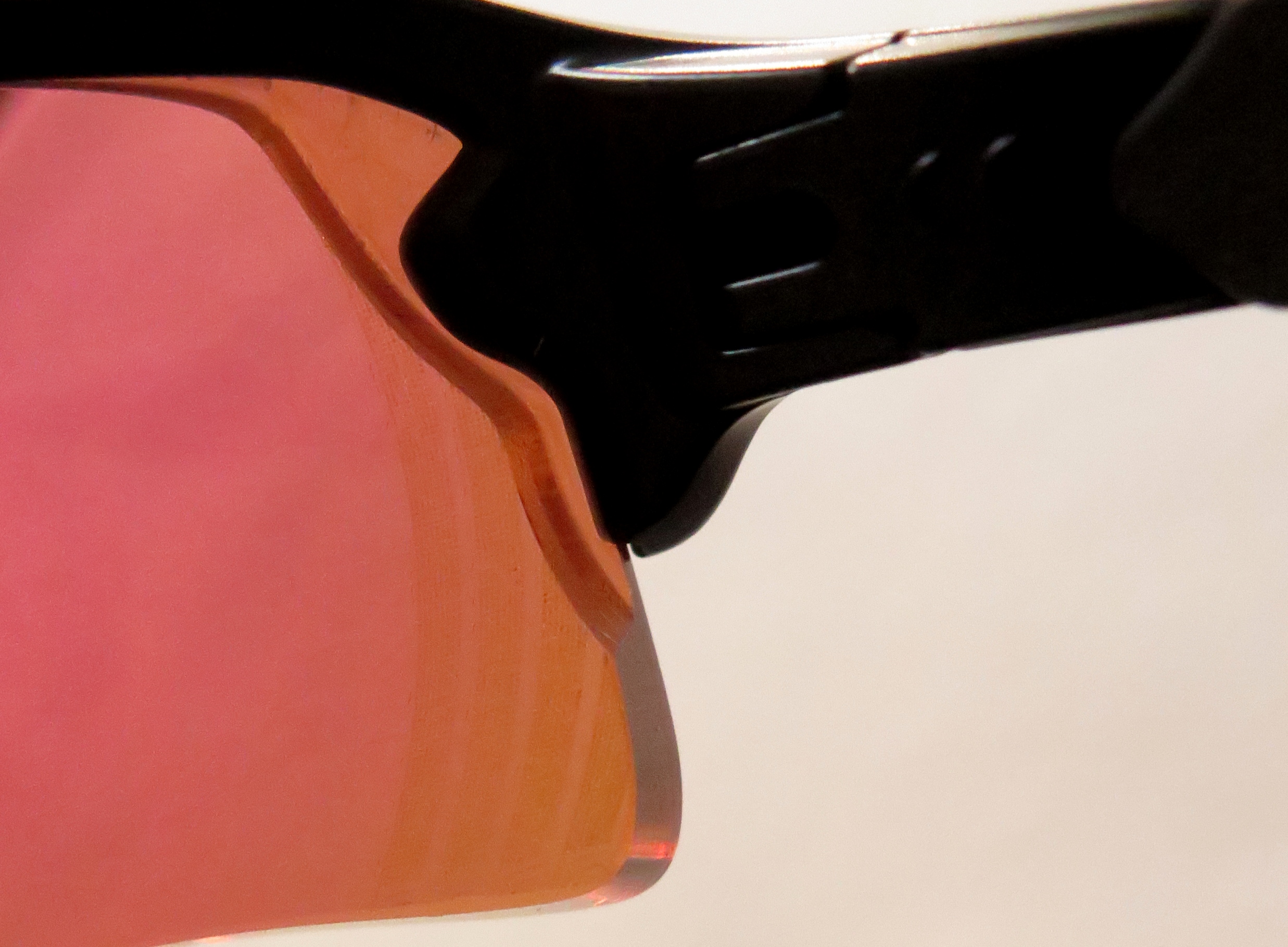
The second innovation built into my new sunglasses is something Oakley calls True Digital Edge. In the past, making tour-style wraparound sunglasses with more than minimal prescriptions was optically impossible. The reason is that as you increase the correction in a dramatically curved lens you also increase both the amount of distortion and the thickness at the edge. Oakley has solved both those difficulties by, in effect, modifying curved lenses so that they trick your brain into ignoring signals from the periphery. (Your brain is already good at ignoring things, since the images it receives from your eyes arrive upside down and missing a big part of the middle.) My new sunglasses are an Oakley model called Flak 2.0 XL, in the setup that SportRX recommends specifically for golf—the same glasses you see on players like Adam Scott:
IMG_20160321_124236The difference between my glasses and Scott’s (other than the color of the frames) is visible only if you look very closely at the lenses:

IMG_1360

“Those groove lines,” Tavakoli told me, “are basically tricking your eyes and your brain into thinking that the lens is smaller and the frame is bigger—and the result is that you have unbelievable clarity, considering how much wraparound there is and how strong your prescription is. Combine that with Prizm and you’ve got, like, the newest, badassest thing you can get for golf.”

tavikoli

People inevitably say, Hey, why don’t you just get contact lenses or have LASIK? But not everyone likes contacts, and not everyone can wear contacts, and not everyone is a good candidate for LASIK. I first got contacts when I was in high school, in the early 1970s. (That was way back in the hard-lens era. My girlfriend decided to try on one of them one night, and getting it back out of her eye was tough because she was running around the house screaming.) Then I had soft lenses for maybe ten years. But for a dozen reasons — including how miserable I was during allergy season and while I was operating my table saw — I decided I like glasses better, even though that makes me less interesting to my granddaughter, who is two and a half years old and enjoys “drinking tiny waters” from her mother’s contact case.

Maybe you like glasses better, too. If so, you can get in touch with Tavakoli or one of the other opticians at SportRX, by going here.

Xray Dave

The Man Who Invented the Yardage Book

Deane Beman won the U.S. Amateur twice and the British Amateur once, and between 1969 and 1973 he won four times on the PGA Tour.

UNITED STATES - SEPTEMBER 13: Golf: US Amateur Open, Closeup of Deane Beman victorious with trophy at Wakonda Club, Des Moines, IA 9/13/1963 (Photo by Lee Balterman/Sports Illustrated/Getty Images) (SetNumber: X17644)

Beman and the trophy for the 1963 U.S. Amateur. Photo by Lee Balterman/Sports Illustrated/Getty Images)

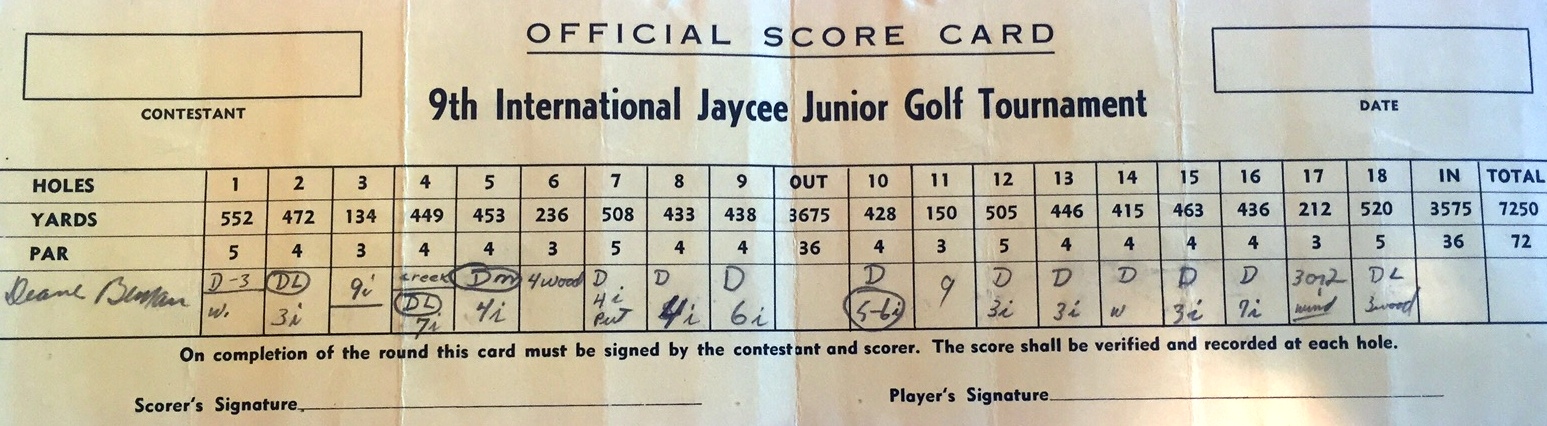
He became the tour’s commissioner in 1974, and he built the Stadium Course at TPC Sawgrass—where the Players Championship, the fifth major, will be held next month, and which you can read about in my column in the current issue of Golf Digest—and he is largely responsible for transforming the tour into a robust modern enterprise. He was also the first player to methodically measure and record key yardages on the golf courses he played, beginning in 1954, when he was still a junior:

IMG_1372

Beman’s homemade yardage guide for the 1954 U. S. Jaycee Junior Tournament, which was held on the golf course of the University of New Mexico.

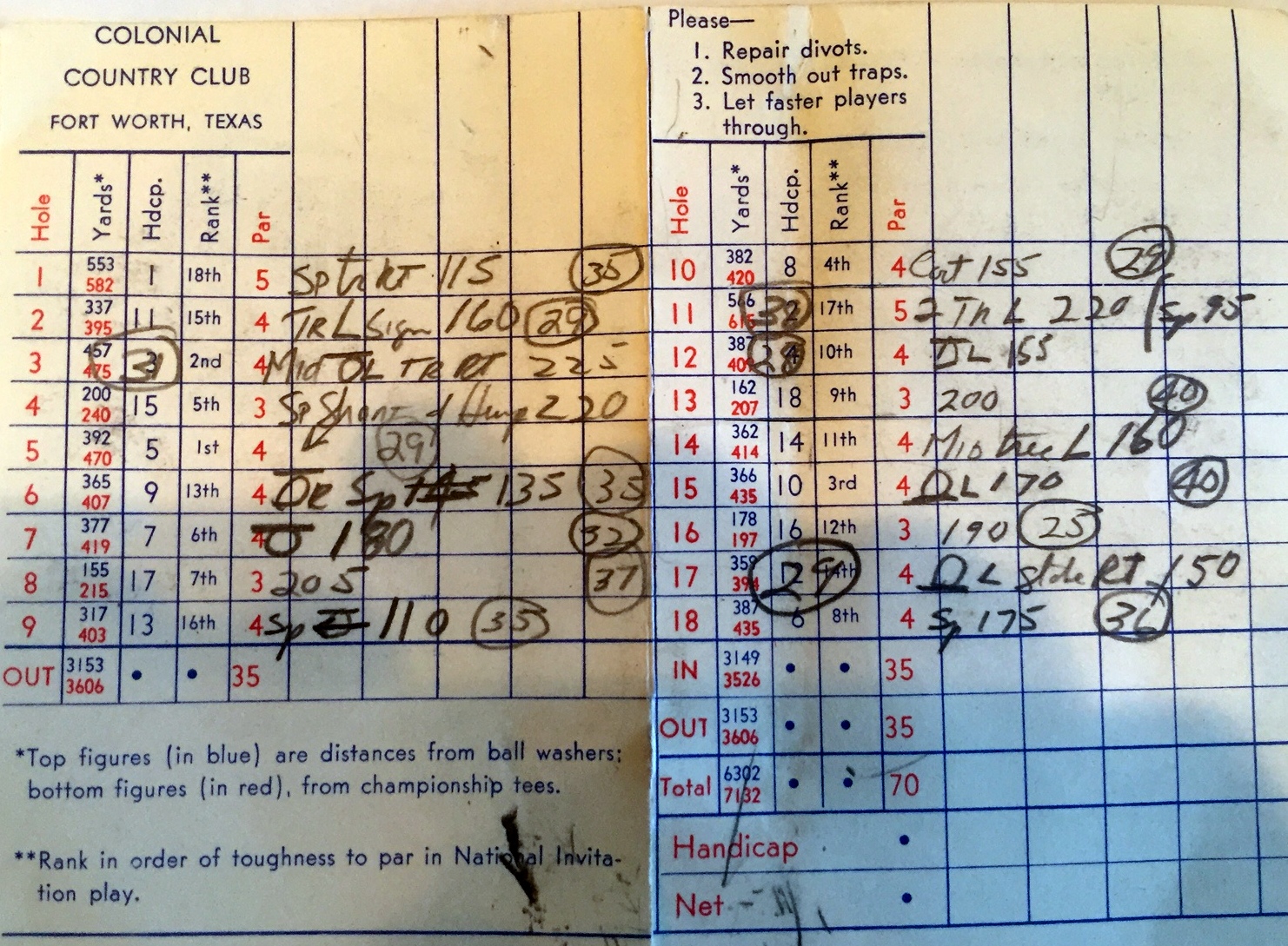
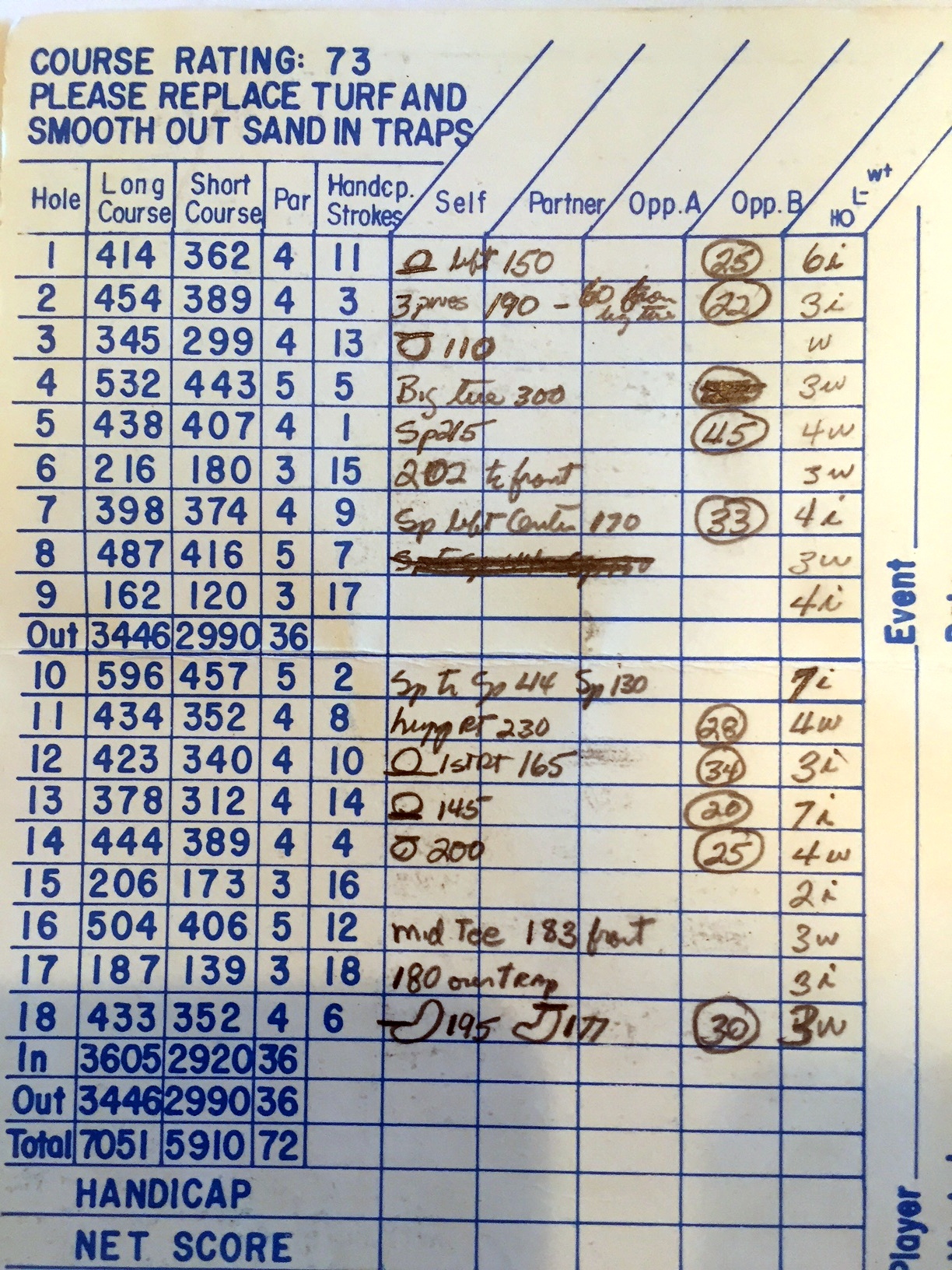
“I’d pace off the golf course during a practice round, and make notes on a scorecard,” he told me recently. “It was quite unsophisticated, but pretty effective. Doing that was a little more difficult back then, because golf courses had single-row irrigation, so there weren’t as many sprinkler heads as you have today. I used trees and bunkers and things like that. A championship course usually had bunkering in the landing areas, and I could use either the front or the back of a bunker as my mark to the front of the green. And then I’d measure the green.”

Beman's front-nine notes from the 1958 U. S. Open, at Southern Hills. The circled numbers are green depths.

Beman’s front-nine notes from the 1958 U. S. Open, at Southern Hills. The circled numbers are green depths.

“I played a lot of golf with Jack Nicklaus when we were amateurs, and he would laugh when I pulled out my card,” Beman continued. “But then he got married to the idea. The first time Jack copied what I did was at Pebble Beach, for the 1961 U. S. Amateur.” Nicklaus himself said later, “I was playing a practice round with Deane in 1961 and he said, ‘Why don’t you try it one time, just walk off the golf course?'” He did, and blew away Dudley Wysong in the final. “After that,” Beman continued, “I don’t think Jack ever played a round without having the ability to really, really know the length of any shot he was facing.”

Beman's notes from Colonial, in 1960.

Beman’s notes from Colonial, in 1960.

“Now, I will say this,” Beman went on. “I was not a popular guy with caddies, because I required them to go walk the golf course before every round, and pace off every pin position. I had my yardages to the front of the green, and I knew how deep the green was, so I would give my caddie a pad on which I had marked the dimensions. I wanted to know how deep the pin was that day, and he would pace that off. Nobody had any pin sheets in those days—but I did.”

Beman's notes for the 1959 Masters.

Beman’s notes for the 1959 Masters.

Nowadays, tour players and their caddies carry extraordinarily sophisticated yardage books, which contain not just distances but also topographical details, and even lousy golfers can determine the length of just about any shot within a few feet, if they own a laser rangefinder. But players at all levels were skeptical at first, and Beman’s idea didn’t really catch on until the 1970s. Arnold Palmer, among many others, though it was dumb. Ha!

Beman's notes for Pinehurst No. 2.

Beman’s notes for Pinehurst No. 2.

“My notes became much more sophisticated once I turned professional,” Beman said. He saved those scorecards, too — but the ones in the photos above show how it all began.

IMG_1379

Golf Clothing Tip Inspired by March Madness

sox-compression

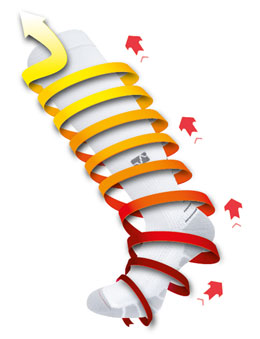
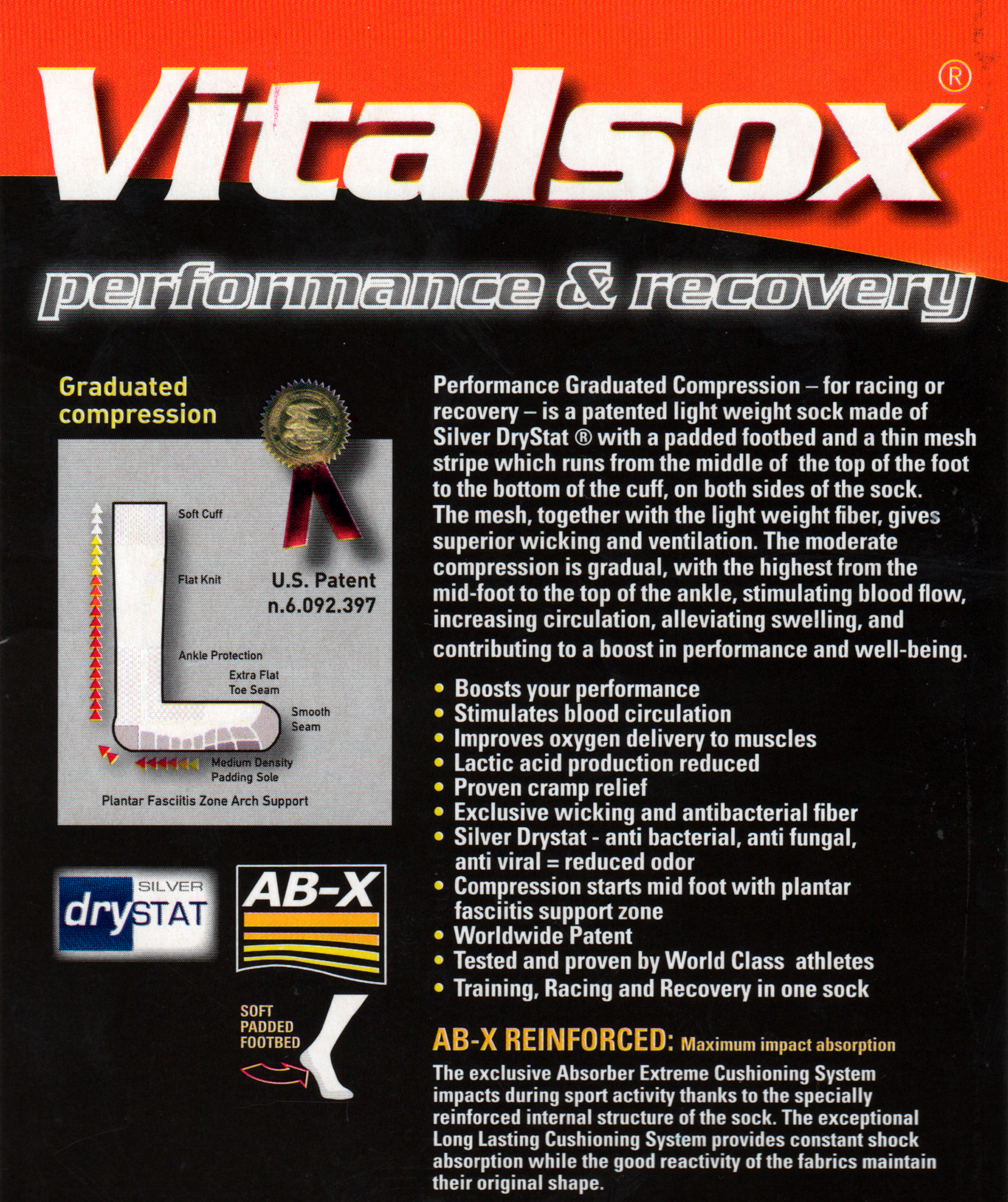
ankles started bothering me shortly after the end of the past golf season. Various possible explanations occurred to me: tendonitis, arthritis, my father’s legs (poor circulation), my mother’s legs (peripheral neuropathy), too much deskwork (ha!), advancing age, incipient varicose veins (leading current theory). I read something somewhere about compression socks, and bought a version intended for runners, from a company called Vitalsox. They’re knee-height and they’re a little tricky to put on, but they immediately made my ankles feel 80-95 percent better.

vitalsox-performancerecovery-royal-blue.jpg

So what the hell? All sorts of athletes wear them, including college basketball players, and they’re supposed to be good for people who are stuck in too-small seats on long flights, like the one that eleven golf buddies and I are about to take to Ireland. I’ve now got four long pairs and four quarter-height pairs (meant for tennis players), and I’m about to order more. The only bad thing about them is that I can’t (that is to say, I won’t) wear them with shorts. But who knows? Maybe I’ll change my mind about that, too.

Socks package-001

I’m not crazy about revealing what they look like on my actual legs, so you’ll have to use your imagination.