Golf Problem Solved: Cool Sunglasses for People Who Wear Glasses

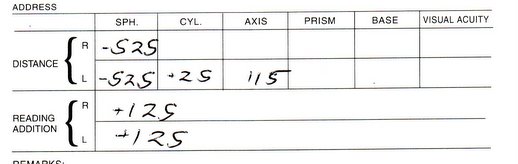
Golf_Prebuilt_BannerAt the PGA Golf Merchandise Show a few years ago, I stopped at the booths of several glasses manufacturers and asked about golf sunglasses for guys who have serious trouble finding their glasses if they’re not wearing their glasses, as I do. The responses were depressing. One woman showed me a pair that looked less like the wraparounds you see on tour players than like something you might wear while welding. Here’s my prescription: dlo glasses prescription The stronger a prescription, the harder it is to make it work without distortion in a lens that has a pronounced curve, she said, and her suggested solution was to switch to contacts and wear non-prescription sunglasses over those. I gave up, and bought a pair of distance-only glasses in my regular frames but with gray lenses. When my daughter, who was in her mid-twenties, saw them, she said, “No!”
[I have a picture of this, but I’m not going to show it to you.]

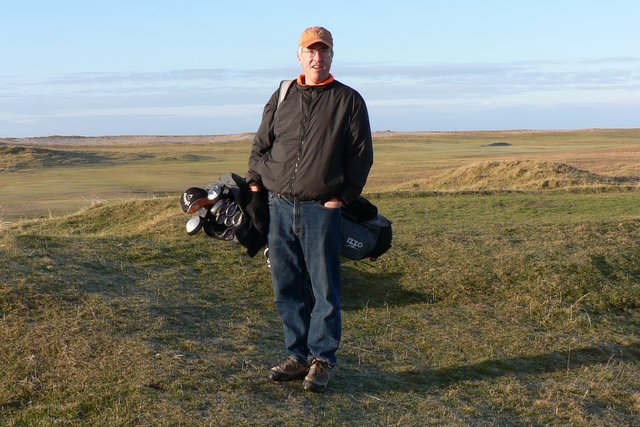
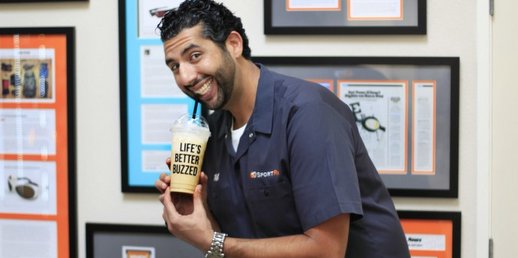
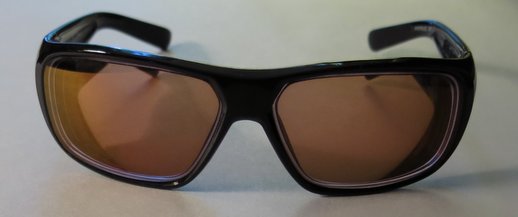
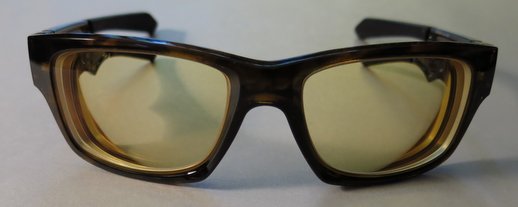
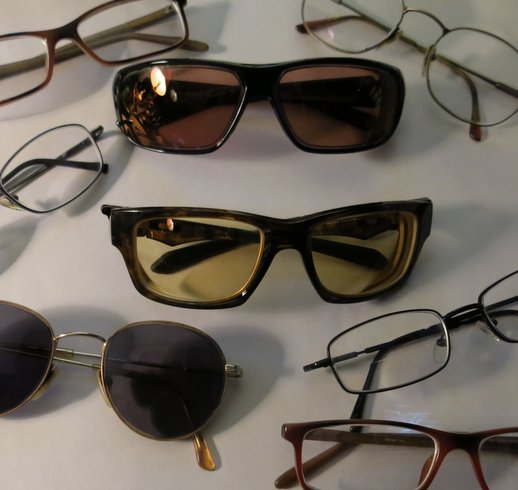
All that was before I talked with Rob Tavakoli, who is a licensed optician and a marketing guy at SportRX, which sells specialized glasses for all kinds of athletic activities. Takavoli is like a golf nut but about glasses; he told me that he’s been obsessed with sunglasses since he was seventeen, or slightly less than half his life, and that when he was twelve he fudged an eye test so that his ophthalmologist would write him a prescription he didn’t need. takivoli Two of Tavakoli’s specialties are sports-specific glasses and sports-specific glasses for people with strong prescriptions, like me. (SportRX employs a technician who specializes in high corrections—a rarity for companies that sell sports glasses, because getting everything right can be complicated and time-consuming.) Thanks to Tavakoli, I now have two pairs, one by Nike and one by Oakley. Both have lenses that are meant for golf—especially for ball-tracking and green-reading—and both are “photochromic,” which means that they lighten and darken in response to changes in ambient sunlight levels. The Nike glasses, whose frames are called Mercurial 6.0, have lenses with a rose copper tint, which becomes quite dark in bright sunlight: nikemercurial The Oakley glasses, whose frames are called Jupiter Squared, have lenses with a lighter, amber-brown tint, and are meant especially for times when sunlight levels are low: early morning, late afternoon, and in the rain—although they darken considerably in bright conditions. (Gray lenses are not good for golf, but they’re good for fishing.)  oakleyjupiter There are other possible frame choices for people like me, and there are many, many additional choices for people whose prescriptions are less daunting. I now consider both my pairs to be part of my golf equipment, and I keep them in my golf bag in hard cases with zippers: zerouv case An unexpected benefit of using both pairs of glasses is that they provide much better protection from the wind than my old sunglasses did, so that on that on blustery days I no longer seem to me crying over my terrible shots. I was grateful for that during my recent buddies trip to Scotland and Ireland, where the wind blows almost all the time, and it’s also a useful feature here at home, where, at the moment, clouds of pollen explode from the pine trees every time someone shanks one into the boughs. And an unexpected benefit of the darker lenses is that match-play opponents have no idea I’m giving them the evil eye while they’re trying to putt. Here I am in my Nike glasses on a sunny day at Machrihanish last month: machrihanishdloIf you have a current prescription, you can order glasses optimized for particular activities directly from the SportRX website, with telephone or online help if you need it. (The website has a helpful “Search by RX” utility, which identifies frames that will work with your prescription—although if your prescription is high enough you will need to call.) One thing you have to do before ordering glasses with corrective lenses is to measure your “pupillary distance,” or the space from eye to eye, but that’s easy to do if you have a ruler, a mirror, and a camera or phone: IMG_1249-001 My personal glasses collection is extensive: progressives, bifocals, reading glasses, computer glasses, backup distance glasses, ancient sunglasses just for driving—plus my two new pairs of golf glasses, which are my favorites and which I would wear all the time if I thought I could get away with it.  collection
What’s In My Bag: Lyme Disease Edition

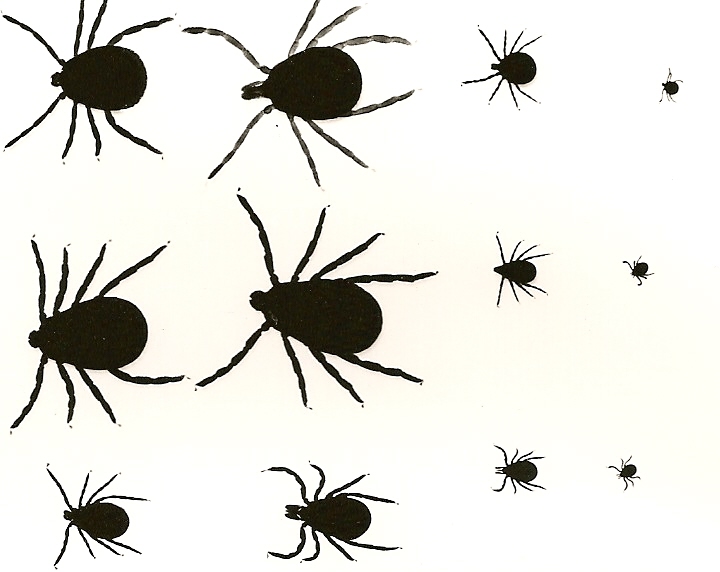
ticks

At the U.S. Open at Shinnecock in 1995, a rumor went around that a well-known sportswriter had Lyme disease. The sportswriter was famous for covering tournaments without actually setting foot on the course, and someone commented that the only way he could have gotten Lyme disease was if you could get it from limes. 

Now I have it. Lyme is so common where I live that I don’t remember whether this is the fifth time or the sixth. I’ve become pretty good at self-diagnosis, although as I’ve gotten older I’ve noticed that the symptoms of Lyme (including achy joints, fatigue, and tingly arms and legs) can be hard to distinguish from the symptoms of middle age. At any rate, two days after my brother’s member-guest, I developed a fever of 100-plus, in addition to all the other stuff. I’ve been taking doxycycline twice a day since then.

doxy

Doxycycline has an annoying side effect: it makes your skin extraordinarily sensitive to sunlight. I learned that the hard way a dozen years ago, when I got Lyme in October. I forgot all about the sun problem, played golf for two days in southern New Jersey without sunscreen, and wondered why my face and lips were burning—a problem that took days, or possibly weeks, to go away. This time, I’m being careful to wear long pants, long sleeves, rain gloves, and a hat, plus plenty of sunscreen.

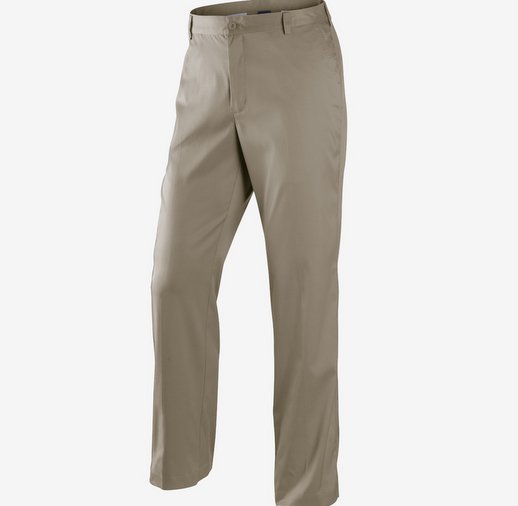
The long pants are good for tick protection, too. I bought two new pairs: some Nike Dri-Fit pants—in a color called “bone”—which I already owned in black:

nike pants

And these “insect-blocker” pants, from Columbia, which are impregnated with the insecticide permethrin. I ordered them from REI. One of the reviewers on the REI website had complained that the pants seemed too lightweight to stand up to rugged hiking, but that’s a good thing for summer golf. (REI members receive rebates on purchases. Memberships last for life, and I joined more than 40 years ago, when I was in high school and my goal was to become a mountain man/poet, but I hadn’t ordered anything since. A customer service representative found my membership number almost immediately, by searching for my parents’ old phone number.)

bug pants

I was worried at first that the other guys at the club would call me “Permethrin Pants” when I showed up without shorts, but so far everybody’s been pretty decent.

Permethrin tag

Five Rules of Golf That My Friends and I Got Wrong on Our Recent Buddies Trip

rulesofgolf

According to a veteran sportswriter I know, there are three lethally boring topics in golf: junior golf, the rules of golf, and I forget the third. But I think the rules are interesting, in part because they constitute a legal system that attempts to provide a specific remedy for every conceivable situation, leaving essentially no role for “discretion.” And, although I usually believe I know the rules better than the average casual player (which isn’t saying much), I often encounter surprises.

miscrules

On our recent golf trip to Scotland and Ireland, my friends and I got many rules wrong, undoubtedly, but five of our errors, in particular, stand out—and four of them were made by players with single-digit handicaps. First, one of mine:

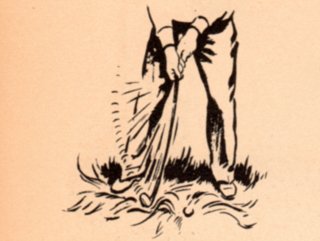
1. At a golf school I attended in the early 1990s, one of the instructors hit several gorgeous bunker shots after turning his sand wedge backward, but then told us, “Unfortunately, hitting the ball with the back of the club is illegal.” I cited him on the trip as my authority (in a situation I’ve forgotten)—and I was wrong. If hitting the ball with the back of the club was illegal 20 years ago, it’s not illegal now. Decision 14-1/1 says:

A player may play a stroke with any part of the clubhead, provided the ball is fairly struck at (Rule 14-1) and the club conforms with Rule 4-1.

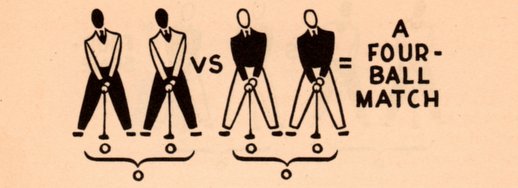
2. There were twelve guys on our trip, divided into two teams of six. Each of our morning rounds was a four-ball match in which a pair from one team played a pair from the other team.

four-ball

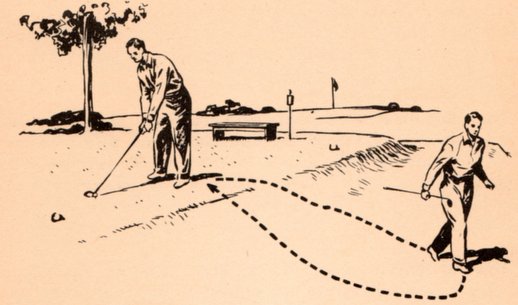
On one green, my partner’s ball was farthest from the hole, but I putted first—and made the putt, annoying one of our opponents, who was farther from the hole than I was. He felt that I had illegally pressured him by playing out of turn. But he was wrong. Because my partner was farthest from the hole, either he or I could putt first. Rule 30-3b says:

Balls belonging to the same side may be played in the order the side considers best.

(Because this was match play, if I really had played out of turn an opponent could have required me to replay my shot at the right time. In stroke play, the farthest player is also supposed to play first, but there’s no penalty if someone screws up. For a good explanation of the differences between match play and stroke play, go here.)

3. On another hole, a player accidentally struck his ball with a practice swing, and said there was no penalty because he hadn’t made a stroke. He was right about the stroke but wrong about the penalty. Decision 18-2a/20 says:

Q. A player makes a practice swing and accidentally moves his ball in play with his club. Has he made a stroke?

A. No. He had no intention of moving the ball – see Definition of “Stroke.”  However, he incurs a penalty stroke under Rule 18-2a for moving his ball in play, and the ball must be replaced.

practice

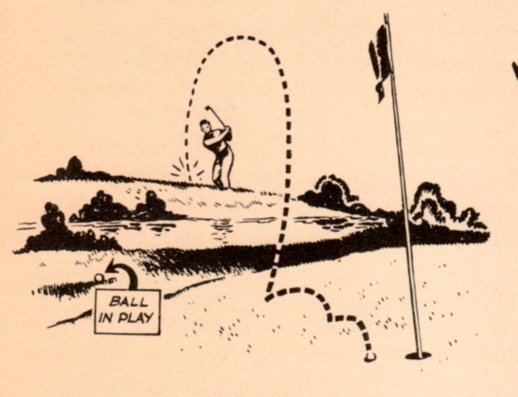
4. On a par 5, one player hit a long second shot into thick rough and couldn’t find it. So he dropped another ball approximately where he figured the first one must have ended up, and played from there. I assumed he was just playing along for fun, but he believed that he was still in the hole, and he explained that he had added a stroke for losing his ball. But he was wrong. His only legal recourse would have been to return as near as possible to the spot where he’d hit his second shot, and play another ball from there, at a penalty of “stroke and distance”—or two shots. And if he lost that ball, too, he’d have to do it again, same deal.

lostball

5. Everybody on the trip knew that there was a penalty for hitting a wrong ball, but no one was sure exactly what it was, especially in four-ball match play. Now we know. Rule 30-3c says:

If a player incurs the loss of hole penalty under Rule 15-3a for making a stroke at a wrong ballhe is disqualified for that hole, but his partner incurs no penalty even if the wrong ball belongs to him. If the wrong ball belongs to another player, its owner must place a ball on the spot from which the wrong ball was first played.

wrong ballI could go on.

Surprise Guest at the Men’s Member-Guest

susan

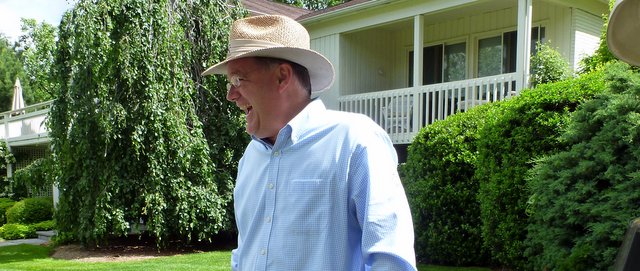
When my brother, John, and I were on the fourth tee during our first match in his club’s member-guest tournament this past week, the head pro, whose name is Stuart, drove up in a cart and asked whether anyone in our group had lost a wedge. He said that three of them had been turned in—he had them right there, in his cart—and I laughed to think that so many players had lost clubs already, because play had been under way for only about half an hour. A couple of holes later, I had a short pitch to a green on a par 4, and discovered that one of the lost wedges had been my 52-degree. I retrieved it from Stuart’s cart a little later. Here’s Stuart—hey, what’s so funny?

Stuart

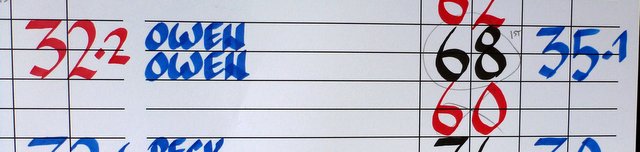
John and I won low gross in the best-ball competition on the first day, and I had a closest-to-the-pin on a par 3 the second day, but that was pretty much it for us—although John determined later that if we had beaten the pair who won our flight, rather than losing to them 3 down, we would have won the flight instead of coming in last. 
low gross

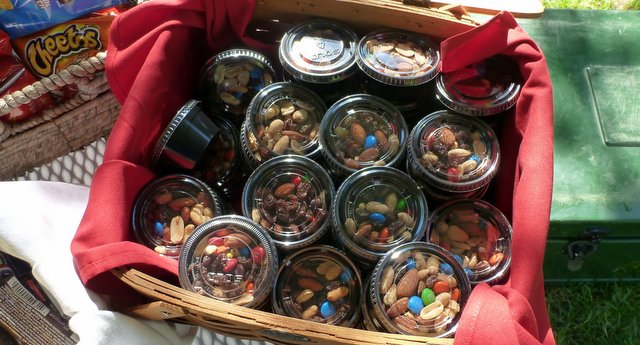
Nevertheless, the weather was perfect, and we had a very good time, and we each got a new golf shirt and two dozen Pro V1s. We also got to eat quite a lot of what is now my favorite member-guest snack: little plastic cups filled with trail mix.
trail mix


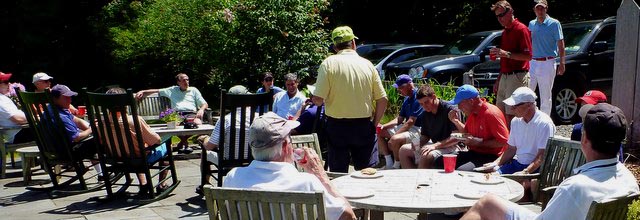
John and I were in the lowest-handicap flight, and on the last day we got to play matches against what I thought of as the tournament’s two featured pairings: his club’s superintendent, whose partner was the superintendent from another club in our state; and a member whose partner was a player of a type I’d never encountered, or even heard of, in a men’s member-guest—a woman.

P1130199

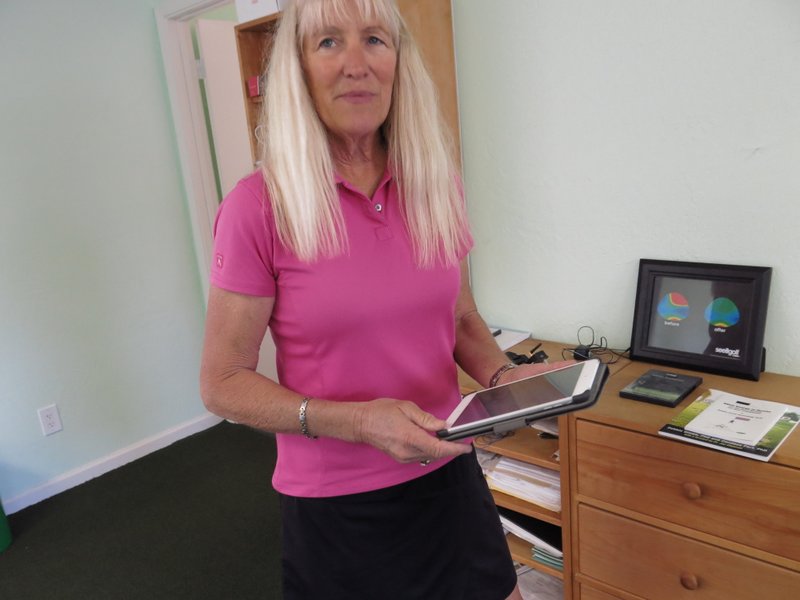
Her name is Susan, and her tournament handicap was 9. She’s a trader for a Norwegian oil company. She took up golf eight years ago, when she was thirty-one. She’s 4 feet, 11 inches tall. She played from the same tees we did, but still out-drove (I would guess) 90 percent of the field. She is a deadly putter. She won a couple of skins and a couple of closest-to-the-pins, and in a side contest she won a bottle of Johnny Walker Blue (which she shared with everyone). She and her partner, whose name is Tim, came in second in our flight, and she was the horse. John and I halved our match with them—quite an accomplishment. Best of all, she never smoked a cigar.

Susan, Johnny Walker Blue, Tim.

Susan, Johnny Walker Blue, Tim.

The decision to let Susan play was Stuart’s, and his thinking (he told me) was that the tournament is an invitational event for the men of the club, and that, if one of them wants to invite a woman, so be it. I don’t know what I think about that generally, or what the general feeling among the other men was, but everyone liked Susan and I overheard several men trying to persuade her to join.

practice green


Interesting, Golf-friendly Condiment—But There’s a Problem

smg1

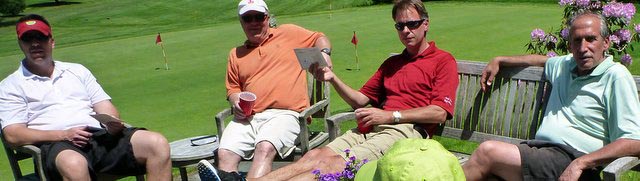
We had thirty guys on Sunday, if you count the eight who were playing quarter-final matches in the Governors Cup (I was one of them). Fritz won two skins, out of four. The group decided not to pay out the day’s money-hole money ($44) but to donate it to the beer-keg fund. (That’s an example—and I could name others—of the Sunday Morning Group’s community-mindedness.)

smg2

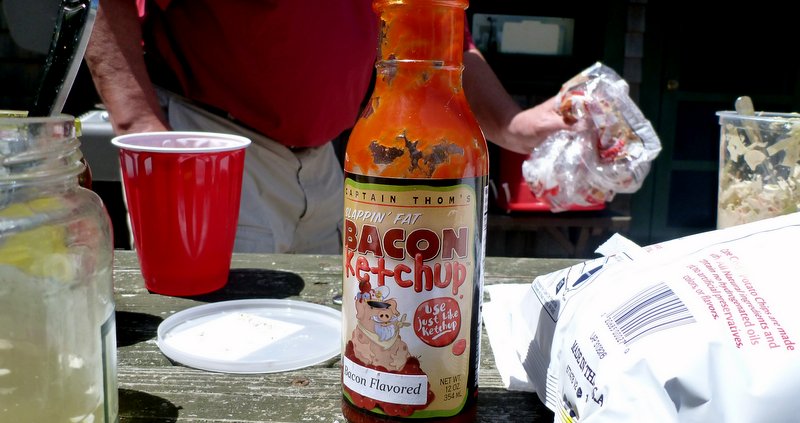
Peter A. brought lunch, and he included a condiment that may become a staple: Captain Thom’s Slappin’ Fat Bacon Ketchup. (The label explains, perhaps helpfully for some: “Use like ketchup.”) I have just two hesitations in recommending it: the company’s website no longer exists, suggesting that Captain Thom has gone out of business; and—surprisingly, for a product of that name—Captain Thom’s Bacon Ketchup contains no bacon.

P1130069

An easy solution to both problems might be for the Sunday Morning Group to make its own bacon ketchup, by frying bacon and adding it to ketchup—a manageable kitchen project even for guys whose wives don’t write cookbooks. And hardly any cleanup!

That's Corey, on the right, conducting a post-bacon putting contest.

That’s Corey, on the right, participating in a post-bacon putting contest.

Meanwhile, our pro, Corey Harris, is trying to qualify for the U.S. Open. He got past the first stage a couple of weeks ago, and is playing in the 36-hole sectional today—along with Lee Janzen, who won the Open in 1993 and 1998 but now has to claw his way in like guys who play most of their golf with the Sunday Morning Group. Which Janzen is welcome to join if things don’t work out for him the way he hopes they will.

bacon-001

Two Useful Sleep-Related Accessories for Golf Trips

P1120362

My wife can fall asleep in a room in which all the lights are turned on and sunlight is streaming onto her face, while I can be awakened from a deep sleep by the message light on my cell phone. My friend Tony is similarly afflicted. His wife, in sympathy, bought an LED headlamp, so that she could read in bed without bothering him, but every time she turns to gaze lovingly at his sleeping form she zaps him in the eyes and wakes him up.
Hotel rooms can be a huge problem, even when I’m traveling without my wife. During a golf trip to San Antonio last year, I had to use a Kleenex box and two wash cloths to disable the electric eye on the light switch in the bathroom, which blasted me with daylight-level illumination when I got up in the night to take a whiz:
bathroomelectriceye
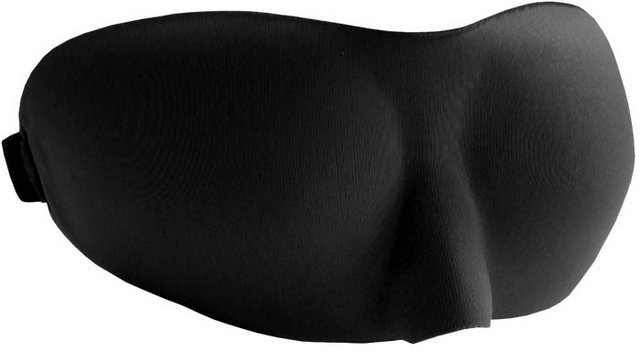
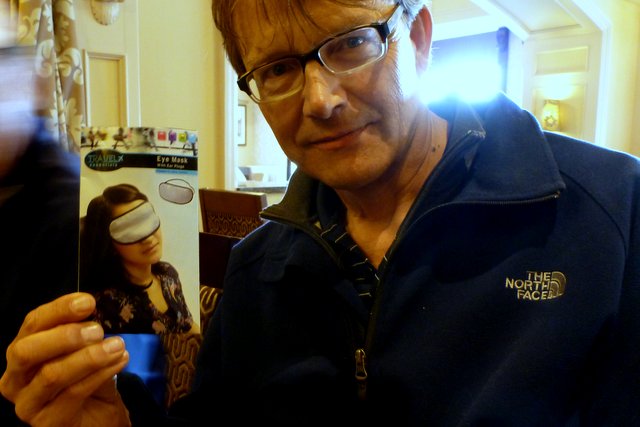
Because it’s hard to knock out all the potentially annoying light sources in a hotel room, I now travel with a sleep mask. I’ve tried several, and the one I like the best is made by Dream Essentials. It comes with a pair of ear plugs and what the company’s website describes as “a complimentary drawstring carry pouch,” and it makes me look like the Human Fly:
dreamessentials
It’s especially useful during summertime golf trips to Britain and Ireland, because at that time of year at that latitude the sun never quite goes all the way down. I like it so much that I now use it at home, too.
A sleep mask to avoid, unless you have a hat size of about 5 or enjoy feeling that your eyes are being squeezed flat by an elastic band, is this one, from Samsonite, even though it also comes with ear plugs:
samsonitemask
During my recent buddies trip to Scotland and Ireland, I spoke so convincingly about the benefits of wearing a sleep mask that J.P. went out immediately and bought one at a drugstore up the street from our hotel in Campbeltown, near Machrihanish. He now swears by it, too.
jproyalhotel

Golf Logo Explained: County Louth Golf Club, Baltray, Ireland

Baltray Logo

County Louth Golf Club is an Irish links course near the intersection of the Boyne River and the Irish Sea, about 35 miles north of Dublin. It’s often referred to by the name of the nearest village, Baltray, which is sort of a suburb of the ancient port of Drogheda — a city whose name is easier to pronounce correctly if you have a mild case of bronchitis. Drogheda was founded by Vikings more than a thousand years ago. In medieval times, it was surrounded by a wall, a few substantial parts of which remain. And if you visit St. Peter’s Church, on West Street, you can see the preserved head of St. Oliver Plunkett, an Irish clergyman, who was drawn, hanged, and quartered in England in the late seventeenth century:

Plunkett head

In 1908, when Plunkett had been dead for 227 years and County Louth Golf Club was 16 years old, a local man named Col. McWeeney wrote the following tribute:
Doctors may boast of their skill pharmaceutical,
Measure out drugs in a grave sort of way,
If you want health to pervade every cuticle,
Go and play golf on the Links at Baltray.
Tuberculosis is cured in two doses there,
All the wild ills of the flesh fade away;
Double pneumonia, asthma, insomnia,
Weep for their sins on the Links at Baltray.
 
There’s a good deal more than that (including “Burn all your bandages, rise to health’s pinnacle/Crutches are golf sticks in play at Baltray”). Based on my own experience, I would say that the medical advice in the poem is sound. Here are J.P. and David M. taking the cure at Baltray during our trip to Scotland and Ireland earlier this month:
jpndmBaltray
The head pro at Baltray is Paddy McGuirk, who was in the golf shop when we checked in. This is what he looks like:
paddymcg
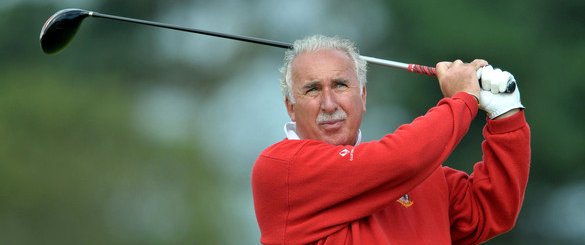
He had some success in professional tournaments in the 1970s, when he looked like this:

paddymcg1973

I took my first golf trip to Ireland in 1992, on assignment for Golf Digest. One day, I gave a lift to an elderly man, who had approached me in the parking lot of the Royal Dublin Golf Club and asked me if I could drop him in the city. He said his name was Michael Dorgan. I asked him how long he’d been a member of Royal Dublin, and he said:
I am a caddie. I have worked on a hundred and fifty-seven golf courses—eighty-three in Ireland, seventy-one in England, and three in Scotland. As I lie in bed at night, I recite their names. I used to carry between twelve and fourteen bags a week, in season; I now carry two, because I won’t work for less than I am worth. I preferred caddying in England, because the pay is better there, but my wife missed her family in Dublin and wanted to return. I couldn’t cook, so I had to come along. I was born in Cork. I have caddied for ten Ryder Cup players, some before, some after, none during. I caddied for Paddy McGuirk when he won the Carroll’s International, in 1973. He insisted on carrying a ridiculous selection of clubs. He carried a 1-wood, a 2-wood, and a 5-wood. He couldn’t hit the 2-wood, and he didn’t need the 5-wood because he also carried a 2-iron. He hit his driver from the fairway sixteen times in that tournament. He would grip it down, cut the hell out of it, and pray.
McGuirk’s professional competitive career was cut short by the yips. (That’s the Carroll’s International trophy he’s holding in the photo above.)
During my visit in 1992, County Louth was celebrating its hundredth anniversary, and to mark that occasion the club had created a centenary logo, which you can see at the top of this post. I believe that that logo was a variation on one the club had been using for a long time, but there used to be another logo, which consisted of just a crescent moon, a star, a pair of crossed golf clubs, a (small) golf ball, and the name of the club. In 1992, I bought a shirt with that other logo on it, and for years and years it was my favorite golf shirt. Eventually, I must have worn it to tatters and thrown it away, because it’s no longer in my closet.
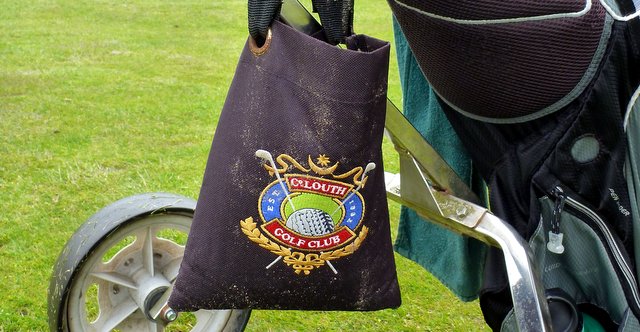
When I packed my suitcase for my this year’s trip, I left plenty of room for new Baltray-themed merchandise, including several replacement shirts exactly like my old one. But when I got to the club, I couldn’t find a shirt or a hat or anything else in the golf shop with the logo I remembered. All I saw was stuff with logos like the one on the divot-mix bag in the photo below. As you can see, there’s a tiny crescent-moon-and-star incorporated into the ribbony part at the top (as there also is in the centenary logo) but it’s so small that it’s easy to overlook:
dibotmixbag

I asked an old guy in the golf shop what had happened to my beloved old moon-and-star logo, and he said there had never been any such thing. That made me worry that I was losing my mind, because I remembered my old shirt quite clearly. Luckily, in the locker room a little later, I asked an even older guy, and he said yes, now that I mentioned it, the club had once had another logo, like the one I described. And, sure enough, when our tee time finally came, I saw an image like the one I remembered engraved in a block of stone near the entrance to the course (which the old guy in the golf shop had apparently never noticed):
stone marker

And after our round, in the bar, I saw another version:

baltray bar

That’s almost exactly what the logo on my old shirt was like! I want another shirt just like it! Please bring it back!
While I wait for the club to comply with my wishes, I can tell you that the Drogheda United Football Club has a logo very similar to the one I remember:
Drogheda United corrected

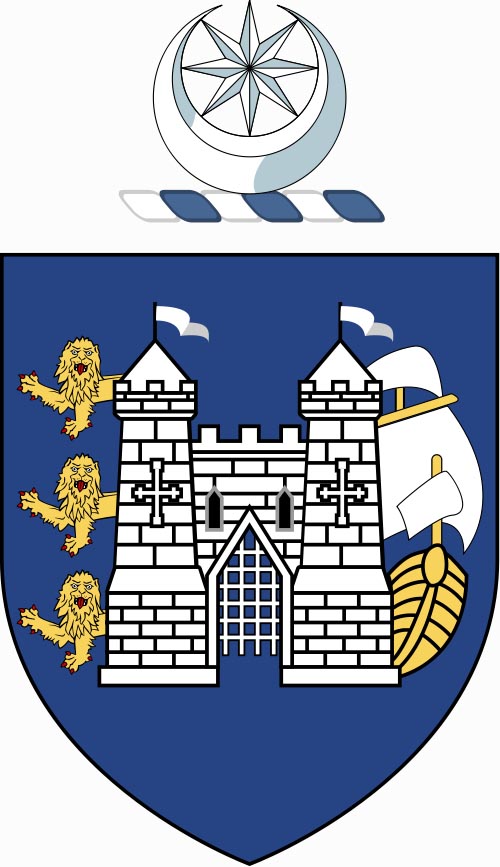
And the city of Drogheda itself has a moon-and-star image at the top of its official crest:

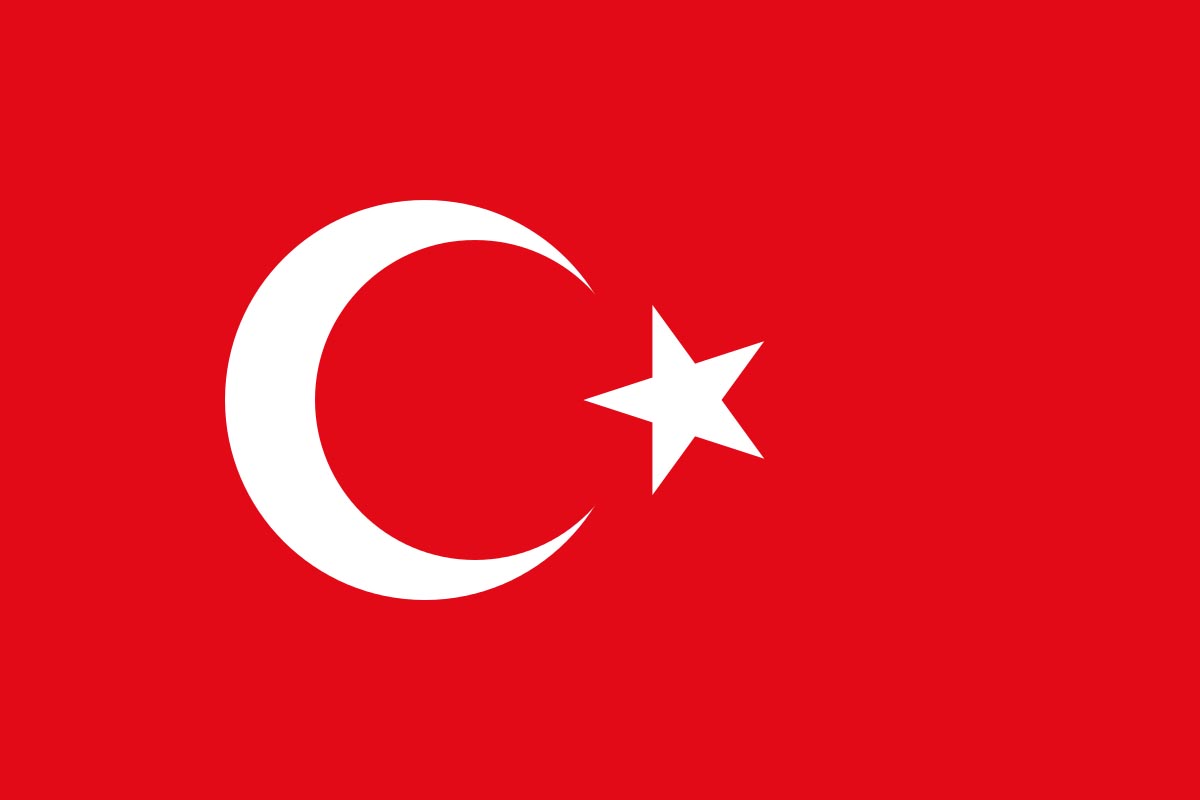
Drogheda crestBy now, you may be wondering where the moon-and-star image originated, and how it came to be associated with a golf club, a football club, a city, and a shirt that used to be one of my favorite articles of clothing. Well, as you’ve probably noticed, it bears a strong resemblance to the flag of Turkey:

flag of turkey

One explanation I’ve read is that during the Irish Potato Famine, in the eighteenth century, a sultan of the Ottoman Empire (Turkey’s predecessor) sent an emergency shipment of food and money to Ireland, by way of the port of Drogheda, and the city, as an expression of thanks, incorporated the empire’s symbol into its own. The only problem with that explanation is that Drogheda had been using the same image for five or six centuries prior to the famine. A more plausible explanation (probably) is that the image was brought to Drogheda during the Crusades by an Irishman who had spotted it in the land of the infidels and, like me, thought it looked cool. Anyway, wherever it came from, I want it back, in shirt form. The vest Tim is wearing in the photo below isn’t enough:

P1120747-001

Incidentally, during our trip there was a certain amount of cigarette-smoking by guys who don’t usually smoke. When Peter A.’s wife, Denise, saw the photo below, which was taken at Baltray, she thought it showed him “drinking from a juice box.”

P1120749

Great Golf Courses: Machrihanish and Machrihanish Dunes

Machrihanish Golf Club, near Campbeltown, Scotland, May, 2014.

Machrihanish Golf Club, near Campbeltown, Scotland, May, 2014.

Machair is a Gaelic word that means pretty much the same thing as links, the sandy, wind-shaped coastal grasslands where the game of golf arose. It’s pronounced “mocker,” more or less, but with the two central consonants represented by what sounds like a clearing of the throat. The word is still used in parts of Scotland—for example, on the island of South Uist, in the Outer Hebrides. The photo below, of me and my golf clubs, was taken on the machair at Askernish, the ghost course, on South Uist, in December 2008:

owenaskernish2008The word machair is also preserved in a number of places in Ireland and Scotland: Magheramore, Maghera Strand, Machair Bay, Macharioch, and Machrihanish. Those last two are villages on the Kintyre Peninsula, in southwestern Scotland. The southernmost tip of the peninsula, called the Mull of Kintyre, was celebrated in 1977 in a song by Paul McCartney, who owns a house nearby. A few miles north of the Mull is Machrihanish Golf Club, which was founded in 1876, with twelve holes, and was enlarged three years later by Old Tom Morris. Here’s the view from the first tee at Machrihanish — one of the coolest opening shots in golf (the beach is very definitely in play):

machrihanishfirstteeAnd right next to Machrihanish is a second course, Machrihanish Dunes, which was designed by David McLay Kidd, the architect of Bandon Dunes. It opened in 2009. It has my favorite kind of clubhouse:

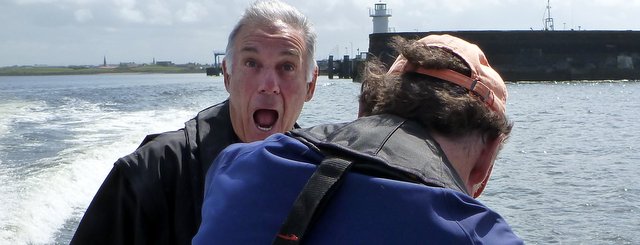
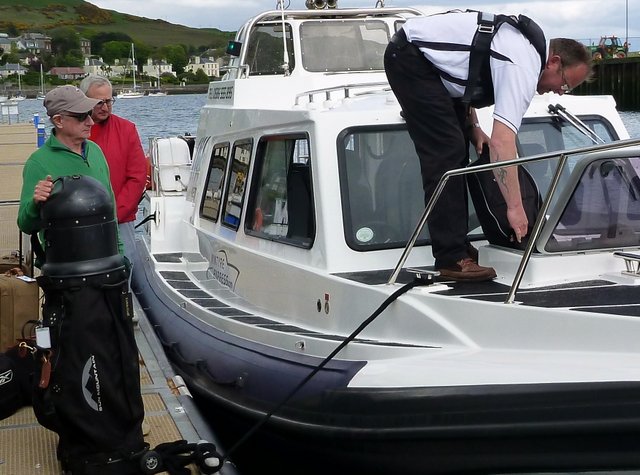
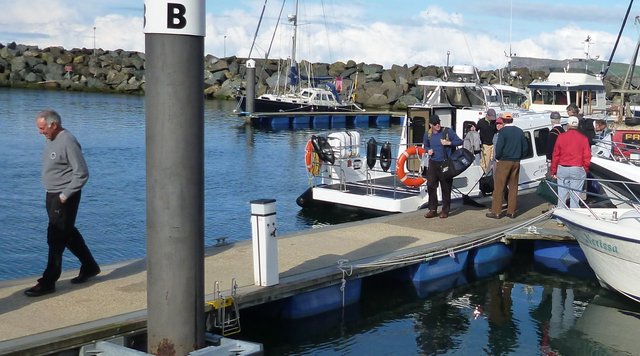
dunesclubhouseMachrihanish was the setting of Michael Bamberger’s book To the Linkslandwhich was published in 1992. One of the most and least appealing features of Machrihanish is that it isn’t easy to get to. If you’re traveling by car, the round trip from Glasgow can be more than seven hours, without much in the way of golf along the route. Flying is possible, although scheduling can be problematic, especially if you’re trying to connect from an international flight. The workaround my friends and I used during a recent buddies trip—with help and planning from Celtic Golf—was to go by water, on a chartered boat, which was operated by Kintyre Express. We made the trip, from Troon, in less than an hour and a half. The boat ride turned out to be one of the week’s many highlights:

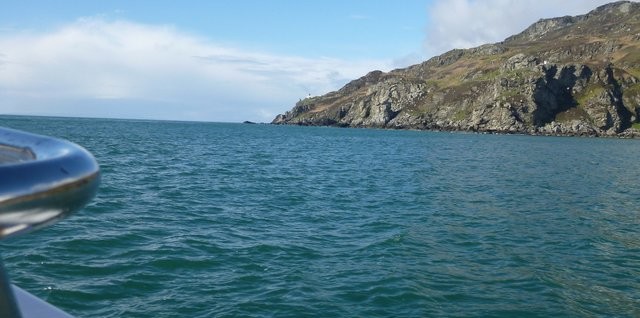
tonyrichardboatWe passed this lighthouse on the way:

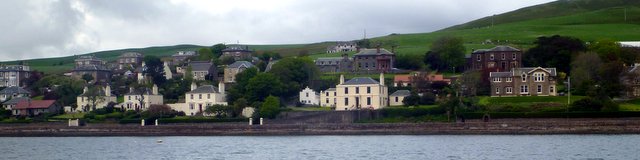
lighthousefromboatAnd this is what we saw as we entered the harbor at Campbeltown, the town closest to Machrihanish:

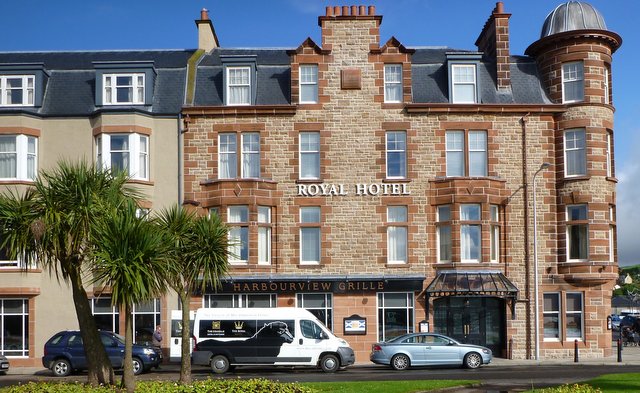
campbeltownviewOur hotel was right on the harbor, a short walk from where the boat tied up:

royalhotelAnd both courses were just a short drive (by van) from the hotel. This is Peter A., putting from a fairway at Machrihanish:

peterfairwayputtThe two guys in the photo below, who were out for a walk with their wives in Campbeltown, chatted with us about golf, and then came back without their wives to tell us a story about Tony Lema. I think they were interested in us partly because I had played two Scottish courses they hadn’t believed any American golfer would even have heard of: Reay and Strathpeffer.

twoscottishguysThe photo below is a view of the water from Machrihanish Dunes. The course was built, with numerous conservation restrictions, on what the British call a Site of Special Scientific Interest. The maintenance crew doesn’t use fertilizer, and there’s no irrigation system. Only a tiny fraction of the land was disturbed during construction. And the course is terrific.
P1120528

The photo below is of a former R.A.F. base, which borders both courses. A U.S. Navy SEAL commando unit used to be stationed there. Part of the facility still functions as Campbeltown’s airport. The runway is so long that even I could land an airplane on it, probably.

machrihanishairbase

After three days at Machrihanish, we got back on our boat and headed to our next destination: Northern Ireland, which is actually closer to Campbeltown than Troon is. Here’s the skipper, loading our golf bags in Campbeltown harbor:

That's Robert G. holding my awesome Sun Mountain Atlas golf-bag travel cover, which I bought years ago, after Northwest Airlines snapped the head off my driver during a trip to Bandon Dunes. It has traveled all over the world with me. I'm sorry to say that Sun Mountain doesn't make it anymore.

That’s Robert G., on the left, holding my awesome Sun Mountain Atlas golf-bag travel cover, which I bought about ten years ago, after Northwest Airlines snapped the head off my driver during a trip to Bandon Dunes. My friends call it R2D2. It has traveled all over the world with me. I’m sorry to report that Sun Mountain doesn’t make it anymore.

On the way to Northern Ireland, we passed the Mull of Kintyre, an area of weird currents and whirlpools, a place where a guy had recently drowned, a goat (basking on some rocks) that was descended from goats that were brought to Ireland by the Spanish Armada, and what used to be the cottage of Gugliemo Marconi—whose name was not derived from machair, and who may or may not have been a golfer, but who was one of the inventors of radio. In fact, he made his first long-distance transmission was from the cottage, which is right on the water, to an island a few miles away. Here’s the cottage as it looks today:

marconicottage

The weather was perfect during our trip. The skipper took us close to both coasts, so that we could get a better view.

shorefromboat

Here we are landing in Ballycastle, where the first thing we did was go to a grocery store and buy about a thousand dollars worth of junk food. Then back to golf.

ballycastlearrival

Scientists, Psychologists, and the Mayo Clinic Take on the Yips

SAM report

I had an article in the May 26 New Yorker about the yips. The term  was coined around the middle of the last century by the Scottish golfer Tommy Armour, a sufferer, who defined it as “a brain spasm that impairs the short game.” (Stephen Potter, in his book Golfmanship, published in 1968, quoted Armour and added, “‘Impairs’ is a euphemism.”) Yipping typically involves an involuntary twitch of a golfer’s hands, wrists, or forearms. The late British golf writer and television commentator Henry Longhurst once said that he didn’t have the yips but was a “carrier.”

Henry Longhurst, cocktail in hand.

Henry Longhurst. In the olden days, some forms of the yips were called “whiskey fingers.”

During the BBC’s broadcast of the final round of the 1970 British Open, at St. Andrews, he agonized vicariously when Doug Sanders left himself a three-foot putt on the final hole to win the tournament. “Oh, Lord,” Longhurst said on the air. “Well, that’s not one that I would like to have.” Sanders hesitated over his ball for what seemed like minutes; noticed something on the ground and bent to remove it (“Oh, Lord,” Longhurst said again); froze once more; and shoved the ball to the right of the hole. “Missed it!” Longhurst said as the ball went past. “Yes, a certainty. That’s the side you’re bound to miss it.” In the video below, skip to 21:23 to hear Longhurst’s full commentary and watch the gruesome outcome:

Among the people I interviewed but didn’t quote is Dick Hyland, who is the head professional at the Country Club at DC Ranch, in North Scottsdale, Arizona, and a longtime yips sufferer. Before I went to see him, he wrote down some of his thoughts about his own experience with the yips on a yellow legal pad, and gave me the sheet (clicking on the image below will enlarge it to a more legible size):

dickhyland

Another person I talked to is Debbie Crews, a sports psychologist and a consultant to the women’s golf team at Arizona State. She has participated in three studies of the yips sponsored by the Mayo Clinic, and she’s about to participate in a fourth. Even for golfers who don’t have the yips, Crews is a good person to know. Here’s one thing I learned from her: most of us would putt better if we had someone tend the flag even on medium-length putts, because our brains are better at judging the distance to targets that protrude above the ground.

debbiecrews

My Two Favorite Irish Golfers

Shannon Mohan (1)

At the driving range at my club, golf balls are promiscuously available. There’s a big steel bin, like a junior Dumpster, and you can help yourself. The balls don’t pop up automatically on rubber tees, the way they do at some ranges, but they might as well. Some golfers scarcely look up between shots. As soon as one ball is gone, they toe another into place.

You spend more time on a practice shot if you own the ball. Because you have to pick up after yourself, you think about ways to tighten your landing pattern. Because you pace the yardage as you walk to retrieve your balls, you learn how far your irons really go.

In a practice area at County Louth Golf Club, in Baltray, Ireland, a few days ago, I watched a member practicing the old-fashioned way. When he was finished, he walked in a loose spiral around his target, using a wedge to flip each ball into an open bag, which he held in his other hand. He never bent over. He seldom dropped a ball.

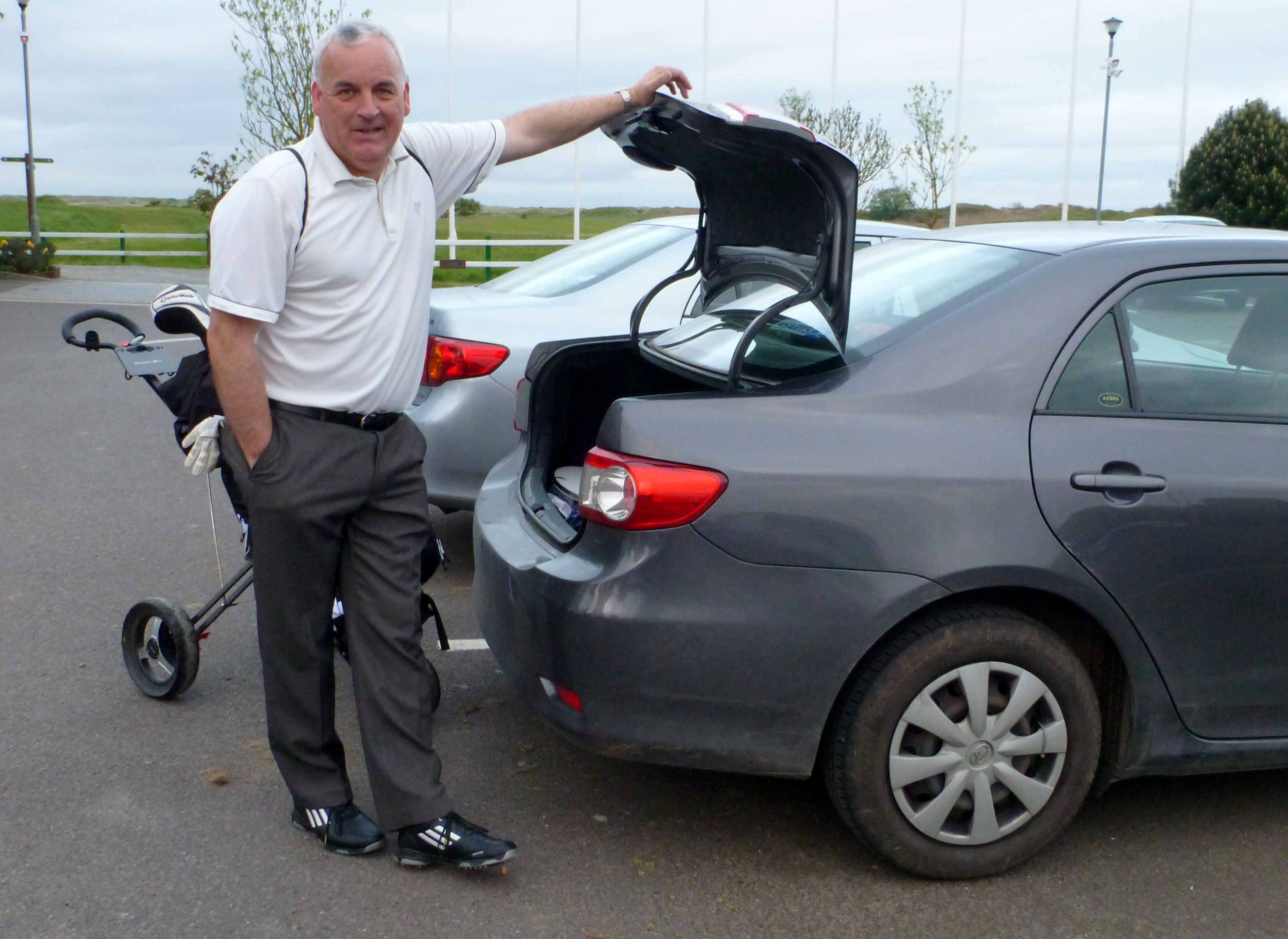
We chatted in the parking lot later, and he told me he was practicing for the member-member. His name is Richard Murray, and he’s my second favorite Irish golfer.

Richard Murray

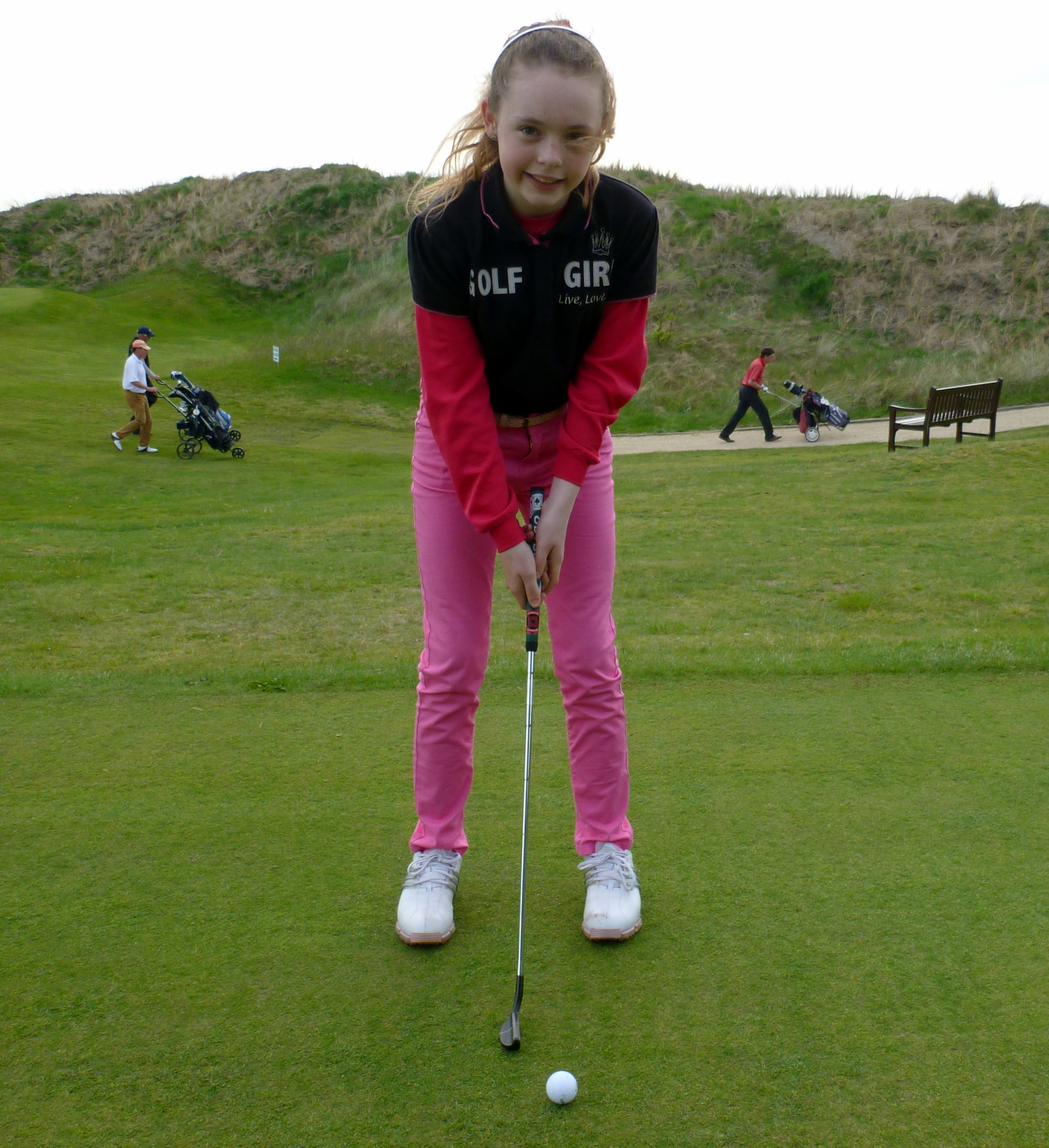
I met my favorite Irish golfer two days later, at the Island Golf Club, in Donabete. She’s twelve years old. She was on the practice green, sinking ten-footers as though they were tap-ins. Her mother and father told me that golf is her favorite thing in the world. I got my camera and asked her if she could sink one more—and she did. Remember her name: Shannon Mohan.

In early July, she sent me an update:

Hi, David. My new handicap is 26. I have lost ten shots in the last two weeks. I have won four out of five ladies’ club competitions and I came runner-up in the fifth one. I qualified in top position with 41 points for the match-play Leinster Trophy. It was my first time playing match play, and I won 7 and 6 in the quarter-finals and 3 and 1 in the semi-finals, and unfortunately I lost 2 and 1 in the finals and came runner up, but I still got 40 euro. I won the May medal and the June medal stroke play, and I’ve made 100 euro in my golf career so far. I hope you are enjoying your golf this summer. Yours in golf, Shannon Mohan.